Issue · Healthcare

Healthcare

Every healthcare bill, vote, and legislator stance in United States, automatically classified by Maddy, our AI policy reader.

Total bills
2,988
119th Congress
Top supporter
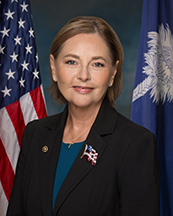
Darline Graham
82% support rate
Top opponent
Rick Scott
19% support rate
Ranked legislators
10
5 support · 5 oppose
Key legislators

Who's moving healthcare in United States

Legislators moving healthcare in United States
Legislator Party Stance Support rate Decisive votes
Darline Graham
Darline Graham Senate
R
Strong +
82% 11
Peter Welch
Peter Welch Senate
D
Strong +
81% 27
Ron Wyden
Ron Wyden Senate
D
Support
78% 27
Alex Padilla
Alex Padilla Senate
D
Support
77% 26
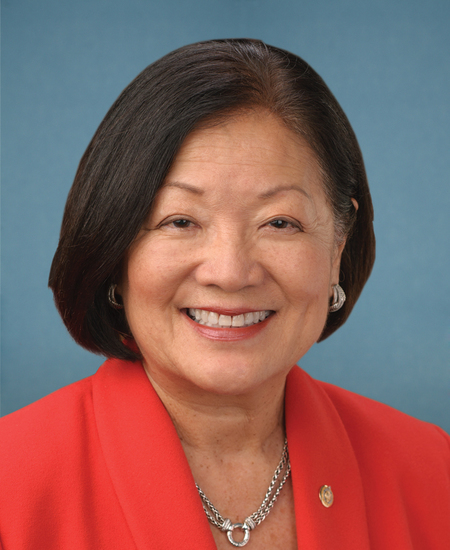
Mazie K. Hirono
Mazie K. Hirono Senate
D
Support
74% 27
Rick Scott
Rick Scott Senate
R
Strong −
19% 27
Ashley Moody
Ashley Moody Senate
R
Oppose
22% 27
Rand Paul
Rand Paul Senate
R
Oppose
22% 27
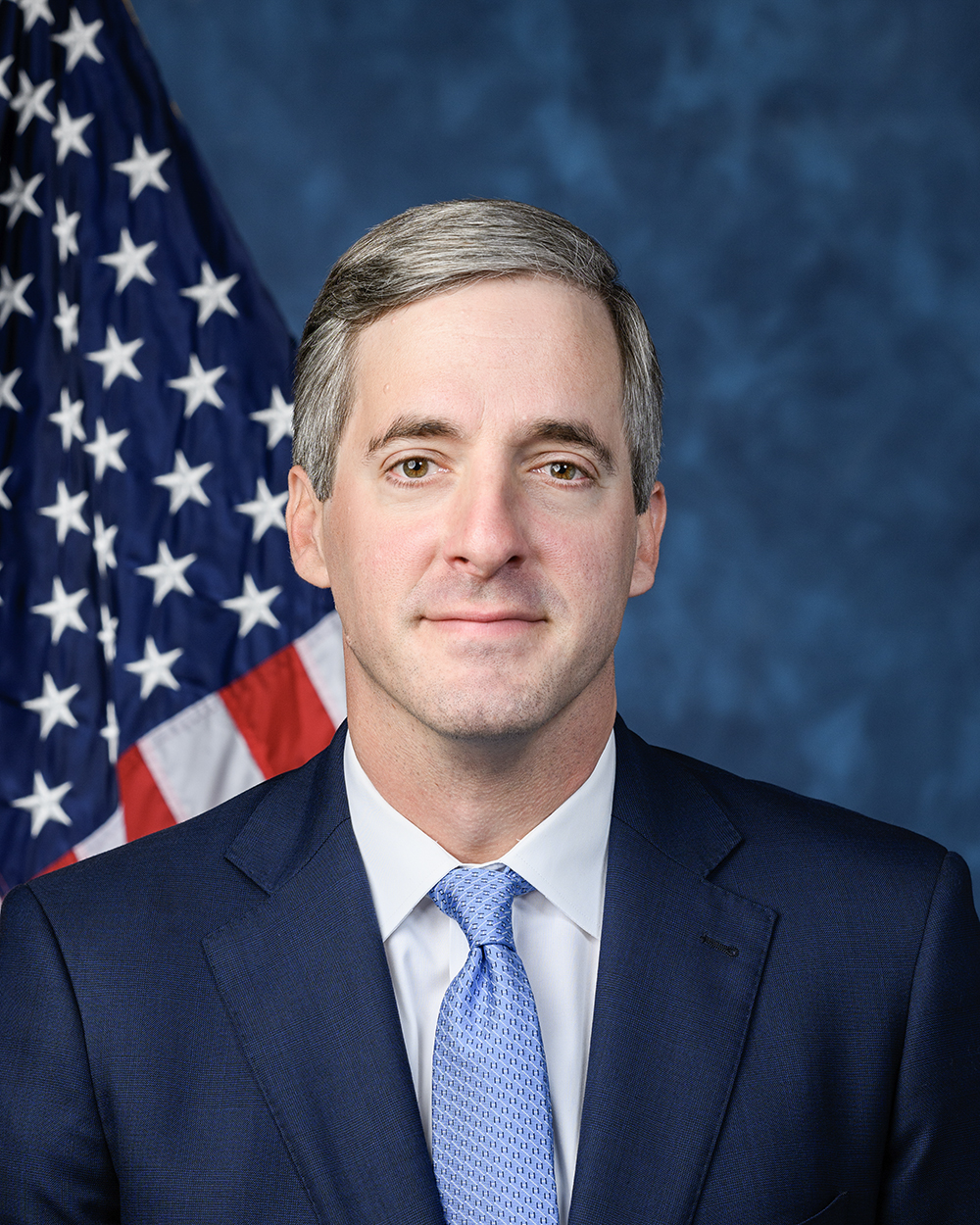
Brad Knott
Brad Knott House · District 13
R
Oppose
28% 18
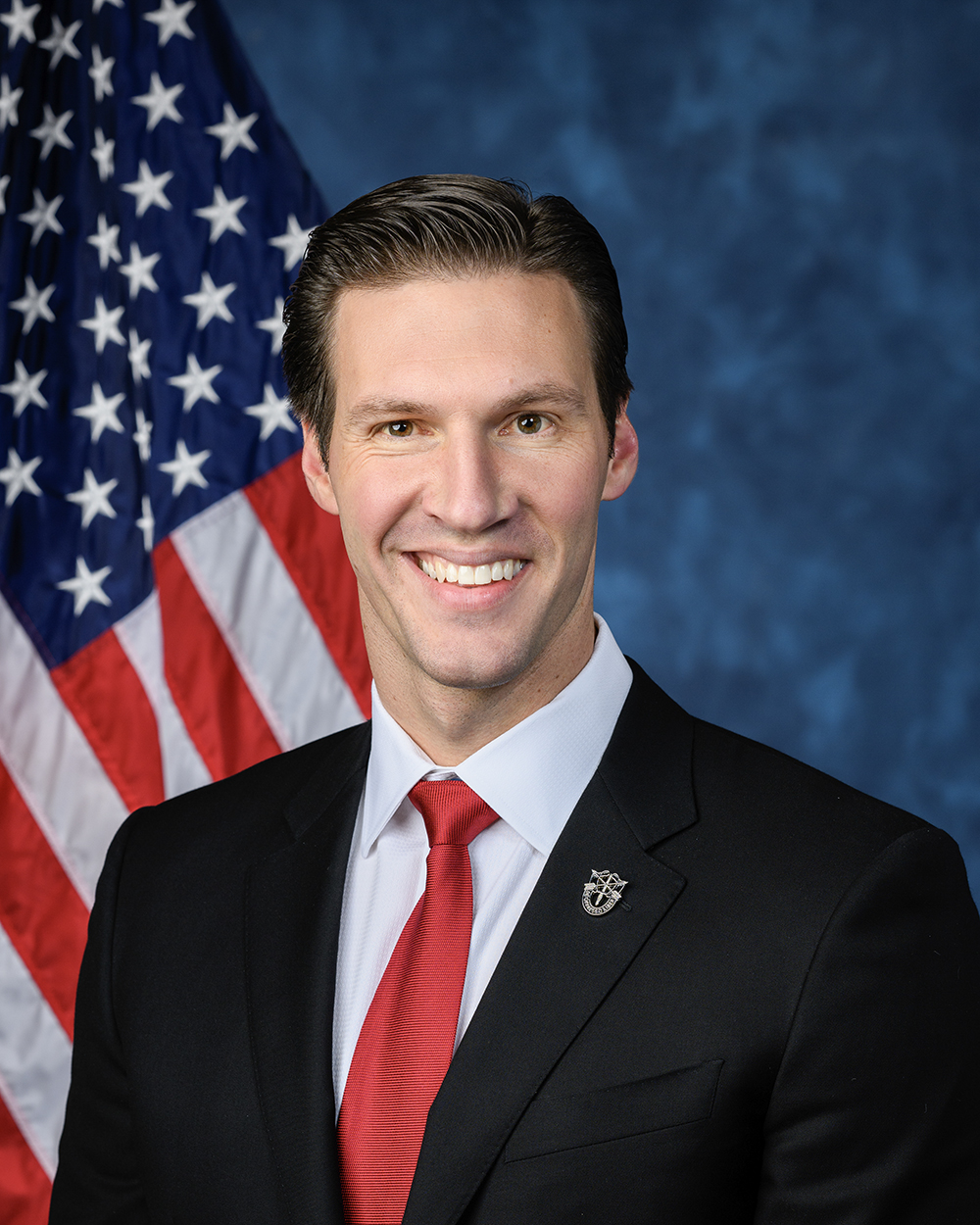
Pat Harrigan
Pat Harrigan House · District 10
R
Oppose
28% 18
Showing 1,951–1,960 of 2,988 bills

All healthcare bills

in committee · United States · House Feb 2, 2026

HR 6601: CARE for First Responders Act

The CARE for First Responders Act (HR 6601) provides mental health support specifically for first responders, including emergency personnel and 911 operators (defined as "qualified emergency response providers"). It requires the creation of a 24/7 confidential hotline via the 988 Suicide Lifeline, peer support programs staffed by trained responders, and mobile crisis units that offer on-site mental health services during major disasters. The bill mandates trauma-informed, culturally appropriate care and education to reduce stigma around mental health, with a focus on helping responders and their families adjust after disaster work. It authorizes $5 million annually (2026-2030) for these services through grants to state/local health entities.
Sub-Topics Mental Health Tags Emergency Management Public Safety
in committee · United States · House Jan 5, 2026

HR 6585: To direct the Secretary of Veterans Affairs to temporarily extend the period during which certain individuals may file claims for medical care under the CHAMPVA program of the Department of Veterans Affairs, and for other purposes.

This bill extends the deadline for certain veterans' dependents to file claims for medical care under the CHAMPVA program. It applies to individuals already eligible for CHAMPVA benefits who also have Medicare Part A hospital coverage. The key change ensures that after receiving official approval for retroactive care, these individuals have a full 365 days (not earlier than one year) to file their claim. The extension applies from the bill's enactment date until September 30, 2027.
in committee · United States · Senate Sep 9, 2025

S 2739: Reducing Obesity in Youth Act of 2025

The Reducing Obesity in Youth Act of 2025 establishes a grant program to improve healthy eating and physical activity for children ages birth through 5 in childcare, Head Start, and early education settings. It authorizes $5 million annually (2026-2030) for competitive grants to nonprofits, schools, or consortia to train childcare providers, link programs to nutrition resources, and engage families - prioritizing diverse rural and urban communities. Grantees must address food insecurity and implement evidence-based approaches, with a national evaluator tracking outcomes and reporting results to Congress. The bill also allocates $1.7 million for monitoring state progress on obesity prevention policies and food security in these settings.
in committee · United States · House Mar 27, 2025

HR 2469: Abortion DOULAS Act

HR 2469, the Abortion DOULAS Act, mandates a study by the Secretary of Health and Human Services on abortion doula care - non-clinical support provided by trained professionals before, during, and after abortions. The study will collect data from patients, doulas, and providers to assess benefits, barriers (like cost and limited Medicaid coverage), and accessibility, especially for marginalized communities. It requires a report to Congress within 18 months, including recommendations for integrating abortion doula care into state Medicaid programs. The bill directly affects patients seeking abortion care, abortion doulas, and state Medicaid systems by focusing on evidence-based policy development. It does not alter current coverage but aims to inform future policy changes.
in committee · United States · Senate Jun 25, 2025

S 2171: A bill to amend title 38, United States Code, to prohibit smoking on the premises of any facility of the Veterans Health Administration, and for other purposes.

This bill prohibits all smoking - including cigarettes, cigars, pipes, and e-cigarettes - in every Veterans Health Administration (VHA) facility, such as medical centers, clinics, and nursing homes. It directly affects all individuals on VHA premises, including veterans, patients, staff, contractors, and visitors. The law explicitly bans all tobacco combustion and electronic nicotine products, defining "smoke" to cover both traditional and e-cigarette use. This replaces existing rules and applies uniformly across all VHA-operated facilities under Department of Veterans Affairs jurisdiction.
in committee · United States · House May 14, 2026

HR 5999: To amend title 38, United States Code, to direct the Secretary of Veterans Affairs to furnish an opioid antagonist to a veteran without requiring a prescription or copayment.

This bill (HR 5999) requires the Department of Veterans Affairs (VA) to provide opioid antagonists (like naloxone) to enrolled veterans without needing a prescription or charging a copayment. It directly affects veterans receiving VA healthcare who may need emergency reversal of opioid overdoses. The key provisions mandate the VA to furnish these life-saving medications directly and eliminate both the prescription requirement and cost barrier. This policy change aims to improve immediate access to overdose reversal for veterans without requiring additional medical steps or financial burden.
in committee · United States · Senate Feb 10, 2025

S 500: CAREER Act of 2025

This bill reauthorizes and updates the CAREER Act, focusing on supporting individuals with substance use disorders through employment and recovery services. It increases annual funding for treatment, recovery, and workforce support grants from $5 million to $12 million (2026-2030), prioritizing areas with the highest 2018-2022 drug overdose deaths, unemployment, and low job market participation. The bill allows up to 5% of grant funds for transportation to work, job training, or recovery services, and extends the Recovery Housing Pilot Program through 2030. It directly affects communities and individuals impacted by substance use disorders by linking federal funding to measurable local needs.
in committee · United States · House Jun 26, 2025

HR 4186: Connecting Students with Mental Health Services Act

HR 4186, the Connecting Students with Mental Health Services Act, creates a federal grant program to expand mental health services for K-12 students in underserved areas. It authorizes $5 million annually (2026-2029) for grants to school districts partnering with community health providers to establish telehealth programs, focusing on rural, high-poverty, or health-professional-shortage-area schools. Funds can cover telehealth equipment, staffing, and facilities to deliver remote mental health care. The program requires grantees to comply with privacy laws and report on student access to services by 2027. This directly affects students lacking local mental health resources through concrete funding for telehealth infrastructure.
in committee · United States · House Dec 18, 2025

HR 6902: Youth Substance Use Prevention and Awareness Act

HR 6902, the Youth Substance Use Prevention and Awareness Act, expands a federal grant program to fund research-based public service announcement (PSA) campaigns targeting youth substance use prevention. It authorizes grants for campaigns using age-appropriate materials across TV, radio, print, outdoor, and digital media, including youth-submitted PSA contests. The bill requires the Attorney General to publish annual reports detailing each campaign's research basis, regional messaging, alignment with other prevention efforts, and evaluation of its effectiveness in reducing youth drug use. This directly affects federal grant recipients and aims to standardize and measure the impact of youth-focused prevention messaging.
Sub-Topics Substance Abuse
in committee · United States · Senate Apr 3, 2025

S 1302: Increasing Transparency in Generic Drug Applications Act

S 1302, the "Increasing Transparency in Generic Drug Applications Act," requires the FDA to disclose to generic drug applicants whether their proposed drug matches the brand-name reference drug in inactive ingredients (type and amount). If differences exist, the FDA must specify which ingredients differ and the exact quantitative deviations. The bill mandates the FDA issue guidance within one year on how it determines ingredient similarity, including for pH adjusters, after a 60-day public comment period. This directly affects generic drug manufacturers seeking FDA approval by providing clearer, earlier feedback during the application review process.
Sub-Topics Prescription Drugs
Showing 1,951 to 1,960 of 2,988 bills