Issue · Healthcare

Healthcare (Insurance)

Every healthcare bill, vote, and legislator stance in United States, automatically classified by Maddy, our AI policy reader.

Total bills
250
119th Congress
Top supporter
Adam B. Schiff
90% support rate
Top opponent
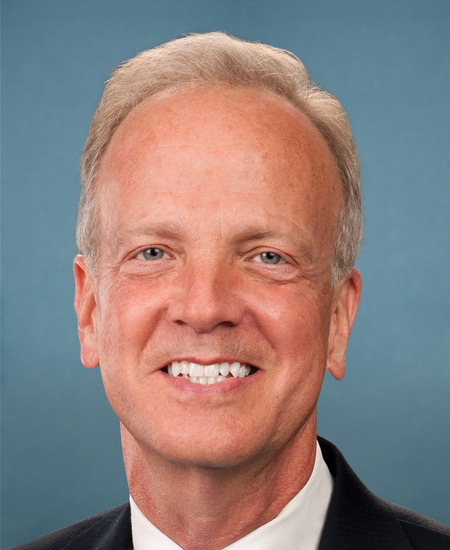
Jerry Moran
0% support rate
Ranked legislators
10
5 support · 5 oppose
Key legislators

Who's moving insurance in United States

Legislators moving insurance in United States
Legislator Party Stance Support rate Decisive votes
Adam B. Schiff
Adam B. Schiff Senate
D
Strong +
90% 10
Alex Padilla
Alex Padilla Senate
D
Strong +
90% 10
Amy Klobuchar
Amy Klobuchar Senate
D
Strong +
90% 10
Andy Kim
Andy Kim Senate
D
Strong +
90% 10
Angela D. Alsobrooks
Angela D. Alsobrooks Senate
D
Strong +
90% 10
Jerry Moran
Jerry Moran Senate
R
Strong −
0% 8
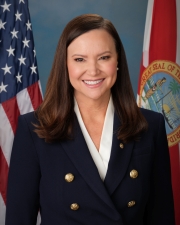
Ashley Moody
Ashley Moody Senate
R
Strong −
10% 10
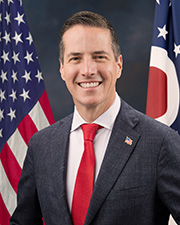
Bernie Moreno
Bernie Moreno Senate
R
Strong −
10% 10
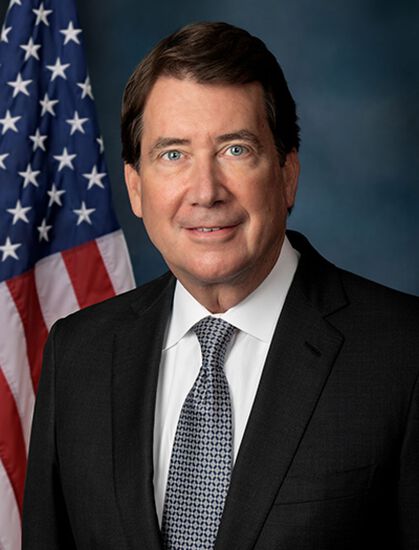
Bill Hagerty
Bill Hagerty Senate
R
Strong −
10% 10
Chuck Grassley
Chuck Grassley Senate
R
Strong −
10% 10
Showing 181–190 of 250 bills

All healthcare bills

in committee · United States · Senate Jul 29, 2025

S 2496: Keep Kids Covered Act

The Keep Kids Covered Act extends continuous health coverage for children enrolled in Medicaid and CHIP. It requires states to maintain coverage for newborns and young children until age 6 (previously 1 year), for children ages 6-18 until age 19 (previously 12 months), and for former foster youth until age 26 (previously 18). The bill also mandates states to update contact information annually for long-term enrollees and inform them about their coverage duration. These changes aim to prevent gaps in health insurance for vulnerable children and youth. The provisions take effect one year after the bill's enactment.
Sub-Topics Children's Health Insurance Medicaid Tags Children
in committee · United States · Senate Apr 28, 2025

S 1500: Access to Breast Cancer Diagnosis Act of 2025

This bill requires most health insurance plans to cover diagnostic and supplemental breast examinations with no out-of-pocket costs (like deductibles or copays) for enrollees. It specifically covers medically necessary exams used to evaluate abnormalities (diagnostic) or for high-risk screening (supplemental), following national cancer guidelines. Insurance plans may still require prior authorization but cannot impose cost-sharing for these services. The rule applies to group and individual plans starting January 1, 2026, and does not override stricter state laws protecting coverage.
Sub-Topics Insurance
in committee · United States · House Jun 5, 2025

HR 3762: Supporting Healthy Moms and Babies Act

HR 3762, the Supporting Healthy Moms and Babies Act, requires health insurance plans to cover comprehensive prenatal, childbirth, neonatal, perinatal, and postpartum care without cost-sharing (like copays or deductibles). It mandates specific services including ultrasounds, care for pregnancy loss, delivery support, and postpartum behavioral health services for conditions like diabetes or hypertension. The bill applies to group health plans and individual insurance policies starting after the law's enactment, covering both biological mothers and legal parents who did not give birth. This policy directly affects insured individuals seeking maternal and newborn healthcare, ensuring these essential services are fully covered under existing Affordable Care Act requirements.
in committee · United States · House Dec 15, 2025

HR 6708: ICHRA Permanency Act

The ICHRA Permanency Act makes permanent a 2019 federal rule that allows employers to offer health reimbursement arrangements (HRAs) to cover individual health insurance premiums and out-of-pocket medical costs. This directly affects small employers and their employees, enabling businesses to provide tax-advantaged health coverage without requiring group plans. The bill codifies the existing rule into law, ensuring it has the full force of law and cannot be altered by future administrations. This creates a stable framework for employers using HRAs to help workers afford health coverage.
Sub-Topics Insurance
in committee · United States · House Jan 15, 2026

HR 6182: Find It Early Act

The Find It Early Act requires most health insurance plans, Medicare, Medicaid, TRICARE, and VA benefits to cover certain breast cancer screenings without cost-sharing for specific at-risk groups. It affects individuals at increased breast cancer risk (as determined by medical guidelines), those with dense breast tissue (as defined by the American College of Radiology), and others requiring screening due to factors like age, race, ethnicity, or family history. The bill mandates coverage for various screening methods including mammograms, ultrasounds, MRI, and other technologies at frequencies recommended by the National Comprehensive Cancer Network. This requirement takes effect for plan years beginning January 1, 2026, removing financial barriers to early detection.
in committee · United States · House Dec 16, 2025

HR 6760: Protecting Access to Affordable Coverage Act of 2025

This bill extends the open enrollment period for 2026 health insurance plans from November 2025 to May 2026, giving more time for individuals to enroll. It creates a monthly special enrollment period for people with household income under 150% of the federal poverty line who qualify for premium tax credits. The bill also requires health insurance marketplaces to fund navigators (enrollment assistance organizations) with a physical presence in each state, and allocates $100 million annually for federal exchanges to support these services. These changes directly affect millions of Americans seeking affordable health coverage through the Affordable Care Act marketplaces.
Sub-Topics Insurance
in committee · United States · House Dec 19, 2025

HR 4611: EACH Act of 2025

HR 4611 (EACH Act of 2025) requires all federally funded health programs - including Medicaid, Medicare, military health plans, and the Indian Health Service - to cover abortion services without restrictions, repealing the Hyde Amendment's long-standing ban on federal funding for most abortions. This directly affects millions of people enrolled in these programs, particularly low-income women, women of color (including 25% of Black women and 22% of Hispanic women on Medicaid), and young people. The bill mandates coverage in all federally administered health plans and prohibits state or private insurers from restricting abortion coverage in health insurance. It aims to eliminate current federal and state barriers that deny abortion access to people who rely on government health programs.
in committee · United States · House Jan 22, 2025

HR 639: Doctor Knows Best Act of 2025

HR 639, the "Doctor Knows Best Act of 2025," prohibits health insurers and federal health programs (like Medicare) from requiring prior authorization, step therapy, or medical necessity reviews for covered medical services. This directly affects patients (who would face fewer delays in care), doctors (who gain more autonomy in treatment decisions), and insurers/federal programs (which must eliminate these review processes). The bill bans these requirements for all covered items/services under private health plans starting January 1, 2026, and for federal programs beginning the same date. It does not change coverage eligibility but removes administrative barriers to accessing approved treatments.
Sub-Topics Insurance Medicare
in committee · United States · Senate Jun 17, 2025

S 2086: Health Marketplace for All Act of 2025

This bill redefines certain health marketplace pools as "employers" under federal law, enabling them to offer group health coverage to members without discriminating based on health status. It requires these pools to provide uniform coverage to all members (including employees and dependents of participating employers), prohibit health-based enrollment barriers, and allow plans offering only prescription or over-the-counter drug coverage as a primary benefit. Key provisions include standardized pricing rules, geographic flexibility for pool operations, and clarifying that participation does not create employer or joint-employer relationships under other laws. The policy directly affects entities forming these pools (e.g., community cooperatives) and their members, such as small business employees and their dependents.
Sub-Topics Insurance Prescription Drugs Tags Small Business
in committee · United States · Senate Jun 12, 2025

S 2064: Helping Tobacco Users Quit Act

This bill requires Medicaid and CHIP programs to cover tobacco cessation counseling and FDA-approved medications (including nonprescription options) with no out-of-pocket costs for enrollees. It directly affects low-income individuals using tobacco products who are enrolled in Medicaid or CHIP. Key mechanisms include a temporary 90% federal funding share for these services for five years, prohibitions on prior authorization for cessation drugs, and requirements for states to promote these services through outreach campaigns. The law also mandates states to monitor and increase awareness of these covered benefits among tobacco users and healthcare providers.
Showing 181 to 190 of 250 bills
Previous 1 … 18 19 20 … 25 Next