Issue · Healthcare

Healthcare

Every healthcare bill, vote, and legislator stance in United States, automatically classified by Maddy, our AI policy reader.

Total bills
2,988
119th Congress
Top supporter
Darline Graham
82% support rate
Top opponent
Rick Scott
19% support rate
Ranked legislators
10
5 support · 5 oppose
Key legislators

Who's moving healthcare in United States

Legislators moving healthcare in United States
Legislator Party Stance Support rate Decisive votes
Darline Graham
Darline Graham Senate
R
Strong +
82% 11
Peter Welch
Peter Welch Senate
D
Strong +
81% 27
Ron Wyden
Ron Wyden Senate
D
Support
78% 27
Alex Padilla
Alex Padilla Senate
D
Support
77% 26
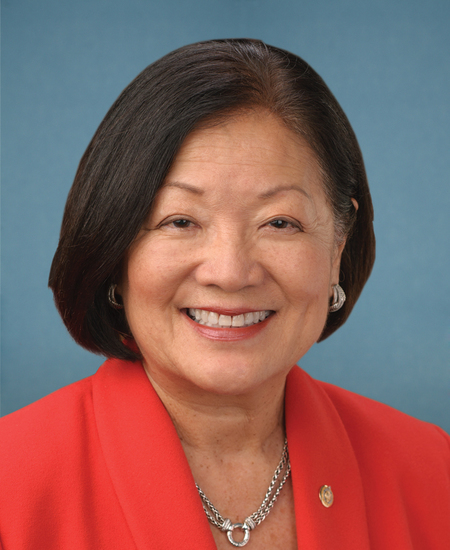
Mazie K. Hirono
Mazie K. Hirono Senate
D
Support
74% 27
Rick Scott
Rick Scott Senate
R
Strong −
19% 27
Ashley Moody
Ashley Moody Senate
R
Oppose
22% 27
Rand Paul
Rand Paul Senate
R
Oppose
22% 27
Brad Knott
Brad Knott House · District 13
R
Oppose
28% 18
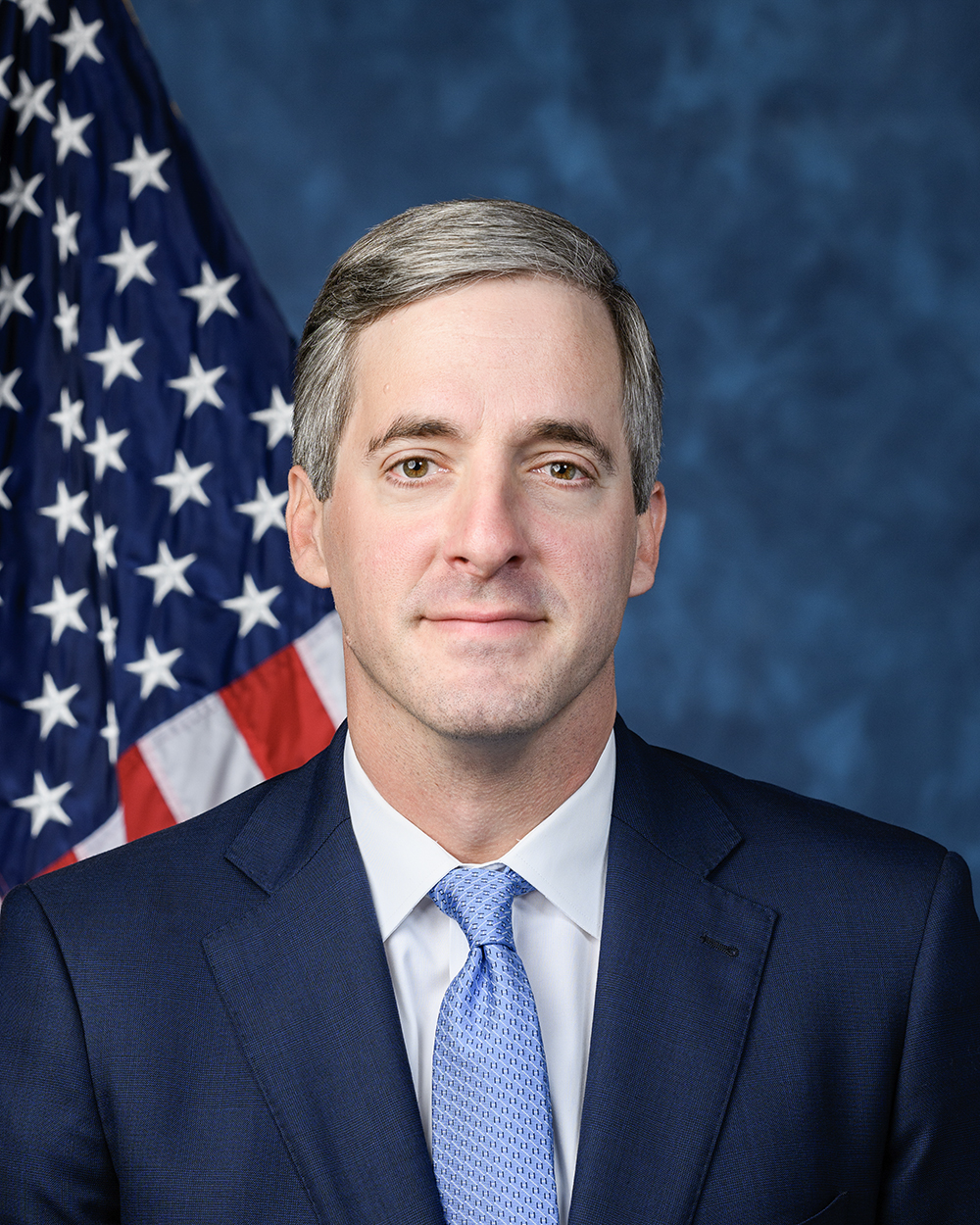
Pat Harrigan
Pat Harrigan House · District 10
R
Oppose
28% 18
Showing 1,841–1,850 of 2,988 bills

All healthcare bills

in committee · United States · House Oct 10, 2025

HR 5736: PAVE Act

HR 5736, the PAVE Act, requires Medicare beneficiaries aged 65 and older to receive penicillin allergy verification during their initial preventive physical exam and annual wellness visit. The bill mandates that healthcare providers identify patients reporting a penicillin allergy, evaluate whether the reported reaction was a true allergy, explain the health risks of a false allergy label, and refer to specialists when needed. This verification process, effective January 2027, aims to correct false allergy labels - over 90% of which are inaccurate - improving antibiotic choices and patient outcomes. It directly affects seniors covered by Medicare who have self-reported penicillin allergies, with no cost to patients for this service.
Sub-Topics Medicare
in committee · United States · Senate Mar 3, 2025

S 822: Scientific EXPERT Act of 2025

S 822, the Scientific EXPERT Act of 2025, establishes a new process for FDA-led meetings focused on drug development for rare diseases. It requires a Foundation to convene at least four annual "science-focused drug development meetings" each year, bringing together researchers, drug sponsors, patient groups, and FDA review staff to address scientific challenges like clinical trial design and biomarker use for rare conditions. The bill mandates public summaries of meeting outcomes and requires the FDA to disclose how input from these meetings influenced drug approval decisions. This directly affects FDA review divisions, rare disease drug developers, and patient advocacy groups by creating a structured forum to align on development strategies for unmet medical needs. The program is funded with $1 million annually from fiscal years 2025-2029.
in committee · United States · House Feb 17, 2026

HR 7591: Secure Firearm Storage and Suicide Prevention Act of 2026

HR 7591 requires the U.S. Department of Education to develop and distribute annual firearm safety best practices to schools, focusing on secure storage methods and suicide prevention resources. The bill mandates that local school districts create community-specific guidance incorporating these best practices, to be shared with students, parents, and staff annually before the start of each school year. It specifies that materials must include practical storage solutions (like locks and safes), mental health resources, and neutral information about firearm safety without promoting or discouraging gun ownership. The law directly affects schools receiving federal funding under the Elementary and Secondary Education Act, aiming to reduce firearm-related injuries and suicides through education, not by changing gun ownership laws.
Sub-Topics Mental Health
in committee · United States · House Dec 10, 2025

HR 6594: Medical Device Recall Improvement Act of 2025

HR 6594 requires medical device manufacturers and importers to submit recall notifications electronically to the FDA using a standardized format. The format must include specific data like device identifiers, recall reasons, and risk information for both healthcare providers and patients. For certain high-risk recalls (e.g., implanted, life-sustaining devices), manufacturers must also ensure patients receive direct notification about risks and recommended actions. This bill directly affects device manufacturers, the FDA (which reviews notifications within 2 business days), and healthcare facilities that treat patients using recalled devices.
in committee · United States · Senate Feb 26, 2025

S 739: 9/11 Responder and Survivor Health Funding Correction Act of 2025

This bill adjusts the World Trade Center (WTC) Health Program to expand access to mental health evaluations and correct funding mechanisms. It allows licensed mental health providers (not just physicians) to certify mental health conditions for WTC responders and survivors, and extends the timeframe to add new health conditions from 90 to 180 days. The bill also modifies how annual funding is calculated - using a 7% annual increase plus a population-based adjustment - to ensure long-term program sustainability through 2090. Additionally, it removes deceased individuals from enrollment counts to improve program accuracy and clarifies provider credentialing rules for the nationwide health network. These changes directly affect WTC responders and survivors seeking health coverage under the program.
in committee · United States · House Dec 11, 2025

HR 6548: DHS Suicide Prevention and Resiliency for Law Enforcement Act

This bill establishes the Law Enforcement Mental Health and Wellness Program within the Department of Homeland Security (DHS) to address suicide prevention and mental health support for DHS law enforcement personnel. It directly affects officers and agents in DHS components like U.S. Customs and Border Protection, Immigration and Customs Enforcement, the Secret Service, and Transportation Security Administration. Key provisions require confidential data collection on mental health and suicides, mandatory annual suicide prevention training for officers (including during hiring, promotions, and transitions), peer support programs, and policies prohibiting retaliation for seeking mental health assistance. The program also mandates annual reports to Congress and requires DHS components to improve access to confidential counseling resources and support for officers’ families.
in committee · United States · House Jan 13, 2026

HR 4509: NOPAIN for Veterans Act

HR 4509, the NOPAIN for Veterans Act, requires the Department of Veterans Affairs (VA) to add FDA-approved non-opioid pain medications to its national formulary within one year of their approval for pain management. These medications must reduce pain without acting on opioid receptors, directly affecting veterans receiving VA care who need pain treatment. The bill mandates the VA include such drugs in its formulary and drug standardization list, expanding access to non-opioid options. It also prohibits using funds from the Cost of War Toxic Exposures Fund to implement these changes, with implementation required within 90 days of the bill's enactment.
in committee · United States · House Feb 12, 2026

HR 7566: Federal Jobs Guarantee Development Act of 2026

HR 7566 establishes a federal pilot program to provide competitive grants for job guarantee programs in high-unemployment areas. Eligible entities (like states, tribes, or rural communities with unemployment at least 150% of the national rate) must offer jobs to all adults (18+) residing in their area, with wages meeting or exceeding prevailing rates, health insurance comparable to federal benefits, and paid family/sick leave. The program requires supportive services (childcare, training), prohibits displacing existing workers, and mandates annual audits. It runs for up to 3 years in 15 pilot sites, with evaluations tracking impacts on employment, poverty, and environmental outcomes.
Sub-Topics Insurance Unemployment
in committee · United States · House Dec 11, 2025

HR 6625: RISE from Trauma Act

The RISE from Trauma Act establishes new federal grant programs to support community-based approaches for preventing and mitigating trauma, particularly for children and youth who have experienced or are at risk of experiencing trauma. It authorizes $600 million annually (2026-2033) for local coordinating bodies that bring together representatives from health, education, criminal justice, and community organizations to develop trauma-informed strategies. The bill also creates hospital-based intervention programs to reduce readmissions for trauma survivors, reauthorizes school-based trauma support services, and funds training for front-line providers to better identify and respond to trauma. The legislation focuses on evidence-based approaches to build resilience and address trauma in communities facing high rates of violence, substance use, and other trauma-inducing conditions.
Sub-Topics Hospitals
in committee · United States · Senate Jun 22, 2026

S 3799: Healthy Start Reauthorization Act of 2026

S 3799, the Healthy Start Reauthorization Act of 2026, extends annual funding for the Healthy Start Initiative through fiscal years 2026 to 2030. The bill amends existing law to specify $145 million in annual funding for this program, which provides prenatal and infant health services to at-risk communities. This reauthorization directly affects the Healthy Start Initiative programs nationwide, ensuring continued support for maternal and infant health services. The key provision is the fixed annual funding level, replacing prior language about appropriations.
Sub-Topics Children's Health
Showing 1,841 to 1,850 of 2,988 bills