Issue · Healthcare

Healthcare

Every healthcare bill, vote, and legislator stance in United States, automatically classified by Maddy, our AI policy reader.

Total bills
240
119th Congress
Top supporter
Darline Graham
100% support rate
Top opponent
Ashley Moody
18% support rate
Ranked legislators
10
5 support · 5 oppose
Key legislators

Who's moving healthcare in United States

Legislators moving healthcare in United States
Legislator Party Stance Support rate Decisive votes
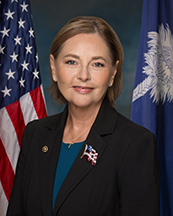
Darline Graham
Darline Graham Senate
R
Strong +
100% 6
AA
Alan Armstrong Senate
R
Strong +
88% 8
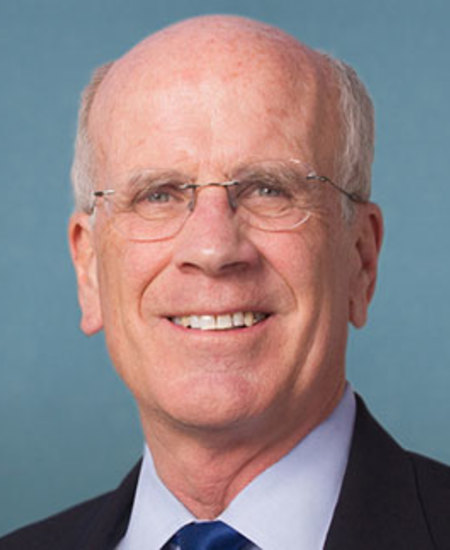
Peter Welch
Peter Welch Senate
D
Strong +
82% 22
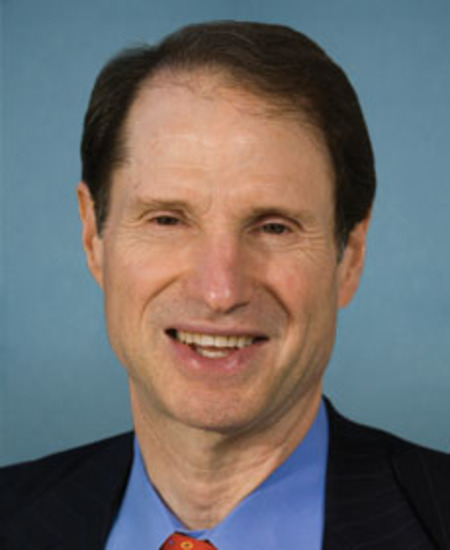
Ron Wyden
Ron Wyden Senate
D
Support
77% 22
Alex Padilla
Alex Padilla Senate
D
Support
76% 21
Ashley Moody
Ashley Moody Senate
R
Strong −
18% 22
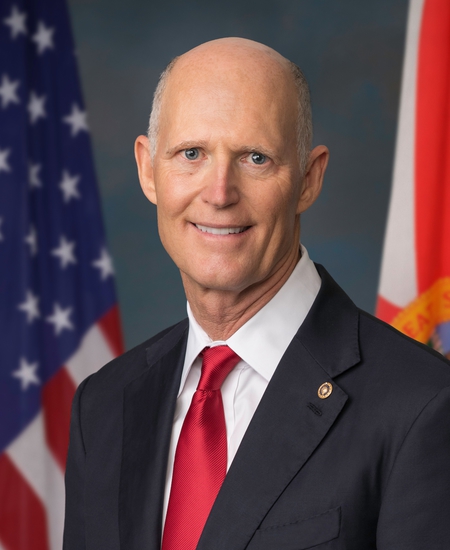
Rick Scott
Rick Scott Senate
R
Strong −
18% 22
Rand Paul
Rand Paul Senate
R
Oppose
23% 22
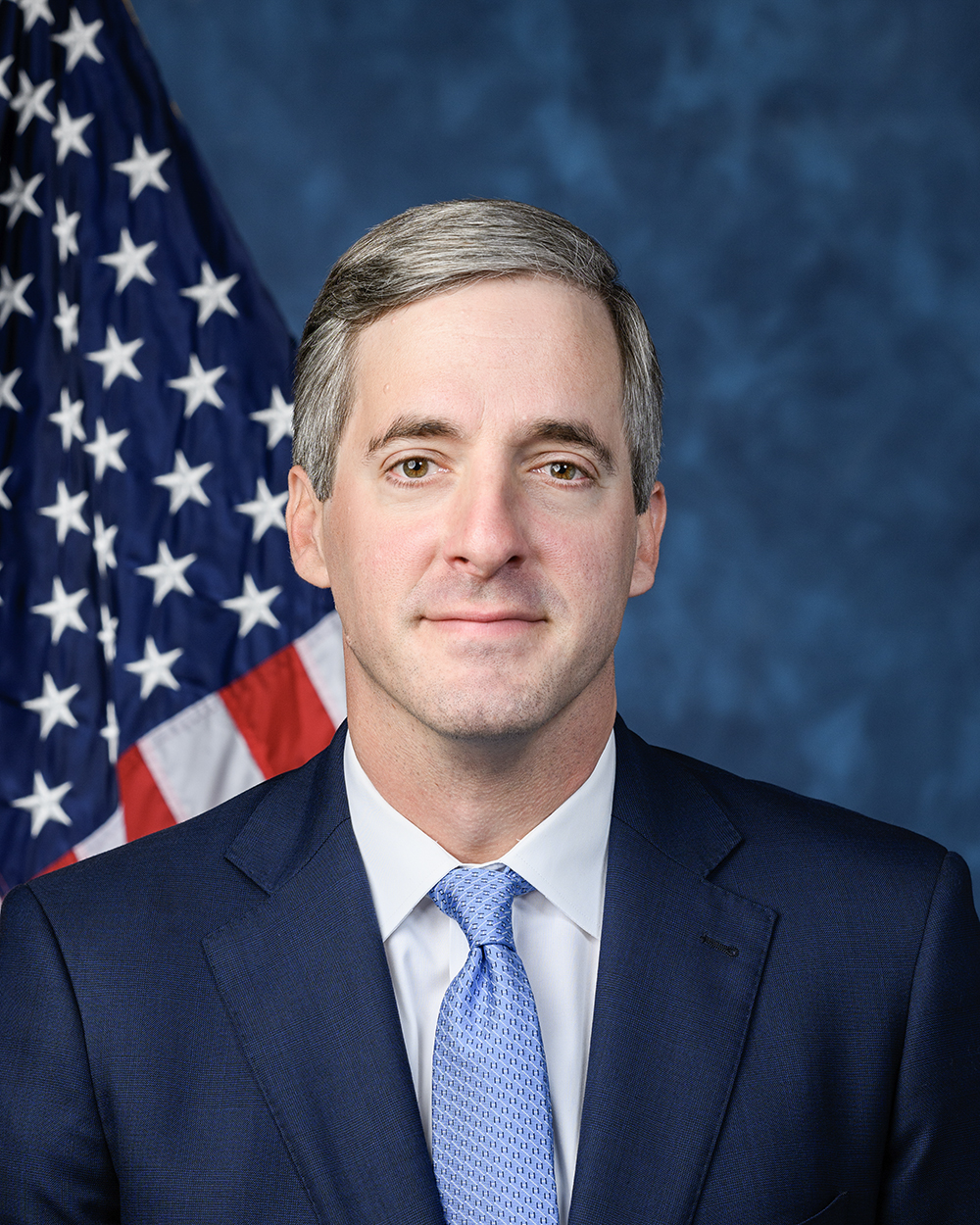
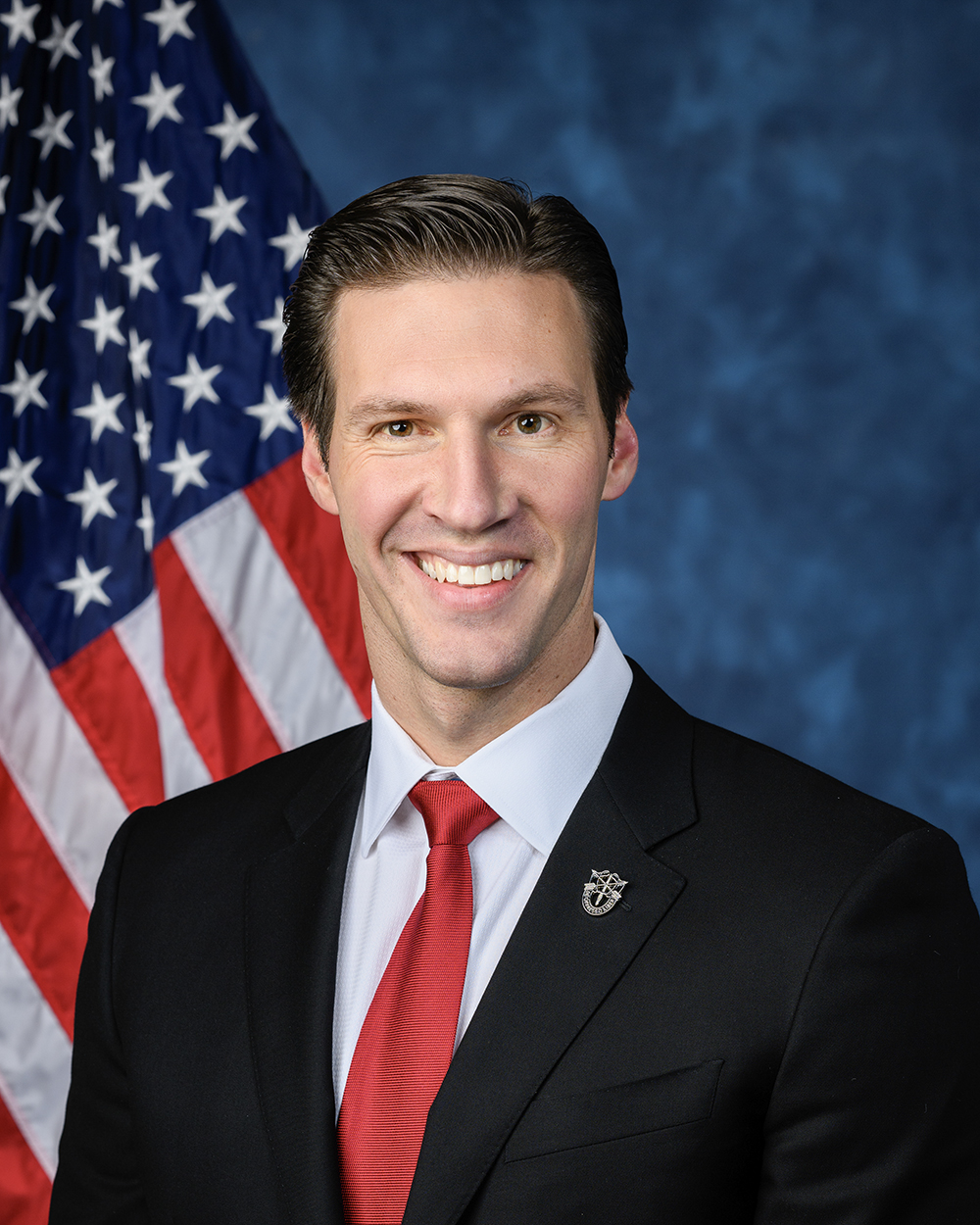
Brad Knott
Brad Knott House · District 13
R
Oppose
28% 18
Pat Harrigan
Pat Harrigan House · District 10
R
Oppose
28% 18
Showing 171–180 of 240 bills

All healthcare bills

in committee · United States · Senate Jun 10, 2025

S 2008: Stop Funding Genital Mutilation Act

This bill prohibits federal Medicaid and CHIP funding for specific medical procedures related to gender transition, as defined in the legislation. It amends the Social Security Act to block funding for surgeries (like hysterectomy, phalloplasty, or mastectomy), hormone therapies (including puberty blockers or supraphysiologic doses), and certain cosmetic procedures when performed to change physical characteristics to align with a person's gender identity. Exceptions apply for medically necessary treatments, such as puberty suppression for precocious puberty, correction of disorders of sex development, or life-threatening conditions. The bill directly affects Medicaid/CHIP recipients seeking these covered procedures and requires states to exclude them from funded services. It does not ban the procedures themselves but restricts federal financial support for them.
in committee · United States · House Jul 14, 2025

HR 4384: Excluding Illegal Aliens from Medicaid Act

HR 4384, the "Excluding Illegal Aliens from Medicaid Act," accelerates the effective date for excluding undocumented immigrants (who are not qualified aliens and not children or pregnant women lawfully residing in the U.S.) from Medicaid eligibility from October 1, 2026, to July 4, 2025. The bill also establishes a higher federal funding rate for states that choose to provide health coverage to such individuals through state-funded programs, increasing federal support for these specific services. This change directly affects undocumented immigrants who do not qualify as "qualified aliens" under federal law and are not children or pregnant women, removing their Medicaid eligibility starting in 2025. States continuing to cover these individuals can do so via state programs with enhanced federal matching funds for that coverage.
in committee · United States · Senate May 15, 2025

S 1774: Protecting Minors in Federal Health Plans Act

This bill prohibits federal health plans (like the Federal Employees Health Benefits program) from covering gender-affirming care for individuals under 18 years old. It defines gender-affirming care broadly as medical interventions for gender dysphoria, including hormone therapy, puberty blockers, and surgeries, but includes specific exceptions for medically necessary treatments like precocious puberty, disorders of sexual development, and injuries requiring immediate care. The bill allows ongoing hormone therapy for minors already receiving it as of the effective date to continue for up to one year under a physician-supervised reduction plan. It applies only to federal health plans, not private insurance or other programs.
in committee · United States · House May 14, 2025

HR 3411: Conscience Protection Act of 2025

The Conscience Protection Act of 2025 would protect health care providers, facilities, and insurers that choose not to provide, refer for, or cover abortion services. It prohibits discrimination against such entities by the federal government, states, or any recipient of federal funds. The bill creates a private right of action allowing affected individuals or entities to sue for violations of conscience protections. It also establishes administrative enforcement mechanisms through the Department of Health and Human Services' Office for Civil Rights. This would strengthen existing conscience protections like the Weldon Amendment by ensuring entities can maintain religious or moral objections without facing penalties.
Sub-Topics Women's Health
passed · United States · House Dec 18, 2025

HR 498: Do No Harm in Medicaid Act

HR 498, the "Do No Harm in Medicaid Act," prohibits federal Medicaid funding for gender transition procedures for individuals under 18 years old. The bill amends the Social Security Act to define "specified gender transition procedures" broadly, including surgeries, hormone treatments, and certain medications, and bans federal Medicaid coverage for these services for minors. Exceptions are made only for medically necessary treatments related to precocious puberty, genetic disorders of sex development, or urgent medical conditions requiring bodily correction (like infections or injuries from prior procedures). This directly affects minors enrolled in Medicaid state plans, as states would no longer receive federal funds for these specific covered services.
Sub-Topics Medicaid
in committee · United States · House Jan 24, 2025

HR 720: Protecting Life in Health Savings Accounts Act

HR 720, the "Protecting Life in Health Savings Accounts Act," prohibits using Health Savings Accounts (HSAs), Archer MSAs, health flexible spending accounts, and retiree health accounts to pay for abortions, except in specific cases. The bill defines "excluded abortion" to include abortions related to rape or incest, or those necessary to prevent a life-threatening physical condition caused by pregnancy (as certified by a physician). This change would affect individuals relying on these tax-advantaged accounts for healthcare expenses, making most abortion costs non-reimbursable through such plans. The provisions would take effect for taxable years beginning after December 31, 2025.
Sub-Topics Women's Health
in committee · United States · Senate Jan 24, 2025

S 253: Abortion Is Not Health Care Act of 2025

This bill changes U.S. tax law by removing abortion expenses from the list of medical costs taxpayers can deduct. It specifically states that amounts paid for abortions cannot be counted toward medical expense deductions on federal tax returns, affecting individuals who pay for abortions and might have claimed them as deductible medical expenses. Exceptions apply for abortions needed to treat life-endangering physical conditions related to pregnancy, or in cases of rape or incest, as certified by a physician. The law would take effect for tax years beginning after its enactment. This is a tax policy change, not a restriction on abortion access.
Sub-Topics Women's Health
in committee · United States · Senate Jan 23, 2025

S 207: Protecting Life on College Campus Act of 2025

This bill prohibits federal funding (directly or indirectly) for colleges and universities that host or are affiliated with campus health clinics providing abortion drugs or abortions to students or staff. Institutions must submit annual reports certifying no such services are offered to remain eligible for federal funds. The law also prevents states from penalizing schools for complying with this funding restriction. It specifically defines "abortion drugs" and "school-based service sites" (excluding hospitals) to clarify coverage.
in committee · United States · Senate Dec 3, 2025

S 3318: American Citizens First Act

The American Citizens First Act restricts federal benefits for noncitizens and strengthens immigration enforcement. It bars noncitizens from receiving most federal benefits, including welfare, food assistance, Medicaid (except emergency services), housing aid, and student loans. The bill also allows revoking citizenship for naturalized citizens convicted of violent protests or acts against the government, expands expedited removal for certain immigrants, and requires security reviews for Afghans admitted since 2021. Additionally, it automatically terminates temporary protected status for nationals from countries where the crime rate among them exceeds the national average by 20%, with semiannual crime rate reports to Congress.
in committee · United States · House Jan 28, 2025

HR 742: PROTECTS Act of 2025

This bill prohibits federal funds from being used to cover gender transition procedures for individuals under 18, including puberty blockers, hormone therapies (at higher-than-normal doses), and surgeries like hysterectomies or mastectomies. It defines "sex" biologically as male or female and exempts certain medical treatments, such as puberty suppression for precocious puberty or care for genetic disorders of sex development. The policy directly affects minors receiving federally funded healthcare (e.g., Medicaid), restricting coverage for most gender-affirming care. Key mechanisms include funding restrictions and specific medical exceptions, though it does not ban private insurance or out-of-pocket payments.
Sub-Topics Medicaid
Showing 171 to 180 of 240 bills
Previous 1 … 17 18 19 … 24 Next