Issue · Healthcare

Healthcare (Medicare)

Every healthcare bill, vote, and legislator stance in United States, automatically classified by Maddy, our AI policy reader.

Total bills
591
119th Congress
Top supporter
Christopher Murphy
88% support rate
Top opponent
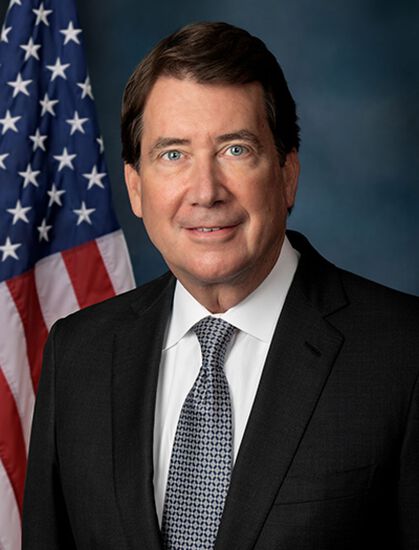
Bill Hagerty
12% support rate
Ranked legislators
10
5 support · 5 oppose
Key legislators

Who's moving medicare in United States

Legislators moving medicare in United States
Legislator Party Stance Support rate Decisive votes
Christopher Murphy
Christopher Murphy Senate
D
Strong +
88% 8
Adam B. Schiff
Adam B. Schiff Senate
D
Support
78% 9
Alex Padilla
Alex Padilla Senate
D
Support
78% 9
Amy Klobuchar
Amy Klobuchar Senate
D
Support
78% 9
Andy Kim
Andy Kim Senate
D
Support
78% 9
Bill Hagerty
Bill Hagerty Senate
R
Strong −
12% 8
Mitch McConnell
Mitch McConnell Senate
R
Strong −
12% 8
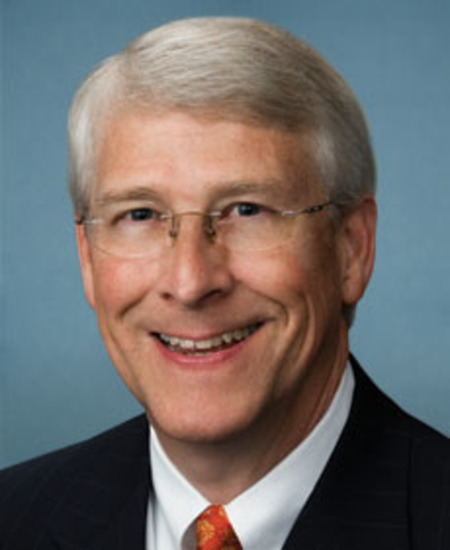
Roger F. Wicker
Roger F. Wicker Senate
R
Strong −
12% 8
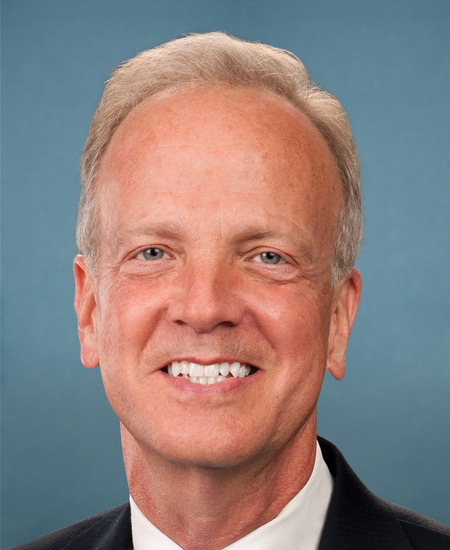
Jerry Moran
Jerry Moran Senate
R
Strong −
14% 7
Ashley Moody
Ashley Moody Senate
R
Oppose
22% 9
Showing 161–170 of 591 bills

All healthcare bills

passed · United States · House Jul 21, 2026

HR 1703: Choices for Increased Mobility Act of 2026

This bill requires Medicare to create separate payment codes for ultralightweight manual wheelchairs based on their frame material (specifically titanium or carbon fiber vs. other materials), starting in 2026. It ensures Medicare pays the standard rate for titanium/carbon fiber wheelchairs regardless of material, while allowing suppliers to charge beneficiaries the difference between Medicare's payment and their actual cost. Beneficiaries must receive a notice about potential additional costs before purchasing or renting such wheelchairs. The bill directly affects Medicare beneficiaries needing these specialized wheelchairs and the suppliers who provide them.
Sub-Topics Medicaid Medicare
in committee · United States · House Mar 10, 2025

HR 1974: Further Additional Continuing Appropriations and Other Extensions Act, 2025

Further Additional Continuing Appropriations and Other Extensions Act, 2025 This bill provides continuing FY2025 appropriations for federal agencies through April 11, 2025. It also extends various expiring programs and authorities, including several public health programs. Specifically, the bill provides continuing FY2025 appropriations to federal agencies through the earlier of April 11, 2025, or the enactment of the applicable appropriations act. It is known as a continuing resolution (CR) and prevents a government shutdown that would otherwise occur if the FY2025 appropriations bills have not been enacted when the existing CR expires on March 14, 2025. The CR funds most programs and activities at the FY2024 levels with some exceptions that provide funding flexibility and additional appropriations for various programs. For example, the CR provides additional emergency funding for the Federal Emergency Management Agency's Disaster Relief Fund, permits the Navy to apportion funds at the rate necessary to fund the Columbia-class submarine program and cost increases for certain shipbuilding programs, and provides additional funding for the Office of Navajo and Hopi Relocation. In addition, the bill extends several expiring programs and authorities, including several public health, Medicare, and Medicaid authorities and programs; authorities related to the Commodity Futures Trading Commission whistleblower program; authorities for the Department of Homeland Security and the Department of Justice to take actions to mitigate a credible threat from an unmanned aircraft system; the special assessment on nonindigent persons or entities convicted of certain offenses involving sexual abuse or human trafficking; and the National Cybersecurity Protection System.
in committee · United States · House Jan 3, 2025

HR 79: Freedom from Mandates Act

Freedom from Mandates Act This bill nullifies certain executive orders regarding COVID-19 safety and prohibits the Departments of Labor and Health and Human Services (HHS) from taking specified actions with respect to vaccination against COVID-19. Specifically, the bill nullifies Executive Order 14042 (relating to ensuring adequate COVID-19 safety protocols for federal contractors) and Executive Order 14043 (requiring COVID-19 vaccination for federal employees). Labor may not issue any rule requiring employers to mandate vaccination of employees against COVID-19 or requiring testing of employees who are unvaccinated. HHS may not (1) require a health care provider, as a condition of participation in the Medicare or Medicaid program, to mandate vaccination of employees against COVID-19 or require testing of employees who are unvaccinated; or (2) otherwise penalize such a provider for failure to mandate such vaccination or require such testing.
in committee · United States · House Feb 13, 2025

HR 1339: Safeguarding Social Security and Medicare Act

HR 1339, the Safeguarding Social Security and Medicare Act, requires the Comptroller General to conduct a study within one year of enactment on how inflation and rising living costs impact Social Security and Medicare benefits. The study will examine these effects and provide Congress with specific recommendations for legislative actions to maintain full benefits for these programs. This study directly addresses the needs of 71.7 million Social Security recipients and 66.6 million Medicare beneficiaries, focusing on financial pressures faced by seniors and disabled individuals. The bill itself does not change current benefits but aims to inform future policy decisions through evidence-based analysis.
Sub-Topics Audits & Accountability Medicare Tags Seniors
in committee · United States · House Mar 3, 2025

HR 1785: Preventing Medicare Telefraud Act

HR 1785, the Preventing Medicare Telefraud Act, requires doctors to have seen Medicare patients in person at least once within the past six months before ordering high-cost durable medical equipment or laboratory tests via telehealth. This applies to services covered under Medicare, directly affecting providers who frequently use telehealth for these specific high-cost items. The bill mandates Medicare contractors to audit providers ordering 90% or more of such equipment or tests via telehealth, and also requires providers to submit their National Provider Identifier (NPI) when billing for telehealth services. These provisions aim to prevent potential fraud by ensuring in-person evaluations precede telehealth orders for expensive medical items.
Sub-Topics Medicare Telehealth
in committee · United States · House Mar 6, 2025

HR 1950: Protect Social Security and Medicare Act

HR 1950, the Protect Social Security and Medicare Act, requires a two-thirds vote in both the House and Senate to consider any bill or amendment that would reduce Social Security or Medicare benefits administered by the Social Security Administration (SSA) or Centers for Medicare & Medicaid Services (CMS). This rule applies directly to lawmakers who would need supermajority support to advance proposals affecting these programs. An exception allows changes to Medicare Advantage plan payments if offset by increased payments elsewhere in Medicare. Determinations about whether a provision reduces benefits are made solely by the SSA's Office of the Chief Actuary during legislative consideration.
Sub-Topics Medicaid Medicare
in committee · United States · House Mar 25, 2025

HR 2314: FAIR Act

HR 2314, the FAIR Act, requires hospitals participating in Medicare-funded residency programs to annually report data on applicants and acceptances from both osteopathic (DO) and allopathic (MD) medical schools. Hospitals must publicly affirm they consider applicants from both pathways equally and accept scores from either the COMLEX (for DOs) or USMLE (for MDs) exams. Non-compliant hospitals face a 2% reduction in Medicare payments starting in 2026 for each prior year of non-reporting. The bill directly affects hospitals receiving Medicare residency funding, aiming to increase transparency in admissions without mandating specific acceptance rates or federal oversight of medical education.
Sub-Topics Medicare
in committee · United States · House Feb 24, 2025

HR 1523: PREVENT DIABETES Act

Promoting Responsible and Effective Virtual Experiences through Novel Technology to Deliver Improved Access and Better Engagement with Tested and Evidence-based Strategies Act or the PREVENT DIABETES Act This bill allows health care entities to provide virtual services under the Medicare Diabetes Prevention Program for an additional three years. The Medicare Diabetes Prevention Program offers Medicare beneficiaries who are at risk of developing Type 2 diabetes specialized training and education regarding diet, exercise, and other behavioral changes. The Centers for Medicare & Medicaid Services issued temporary authorization for entities participating in the program to provide these services virtually until December 31, 2027. The bill extends the authorization for virtual services until December 31, 2030.
Sub-Topics Medicaid Medicare
in committee · United States · House Jan 28, 2025

HR 746: America First Act

The America First Act (HR 746) would restrict access to numerous federal benefits and programs for certain non-citizens by requiring citizenship verification and denying eligibility to individuals with specific immigration statuses. It affects programs including Medicaid, Medicare, Head Start, WIC, school meals, housing assistance, tax credits, and community development funds by denying benefits to people granted parole, temporary protected status (TPS), deferred action (including DACA), asylum, or who are unlawfully present. The bill also reduces funding for schools in "sanctuary jurisdictions" and limits refugee resettlement for certain Haitian immigrants. It mandates that federal agencies verify immigration status before providing benefits and prohibits use of federal funds for services to certain non-citizens.
in committee · United States · House Feb 12, 2025

HR 1244: Reducing Drug Prices for Seniors Act

HR 1244, the "Reducing Drug Prices for Seniors Act," requires Medicare Part D plans to calculate coinsurance for covered drugs based on the plan's actual acquisition cost (the negotiated net price paid by the plan) rather than the drug's wholesale price, starting in 2026. This change directly affects Medicare Part D beneficiaries who pay coinsurance after meeting their deductible but before reaching the out-of-pocket threshold. The bill mandates that plans use the actual cost reported in the Detailed DIR Report, excluding certain drugs covered under specific exceptions. This policy aims to lower out-of-pocket costs for seniors by aligning coinsurance with the price the plan actually pays for medications.
Sub-Topics Medicare Prescription Drugs Tags Seniors
Showing 161 to 170 of 591 bills
Previous 1 … 16 17 18 … 60 Next