Issue · Healthcare

Healthcare

Every healthcare bill, vote, and legislator stance in United States, automatically classified by Maddy, our AI policy reader.

Total bills
2,988
119th Congress
Top supporter
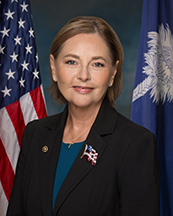
Darline Graham
82% support rate
Top opponent
Rick Scott
19% support rate
Ranked legislators
10
5 support · 5 oppose
Key legislators

Who's moving healthcare in United States

Legislators moving healthcare in United States
Legislator Party Stance Support rate Decisive votes
Darline Graham
Darline Graham Senate
R
Strong +
82% 11
Peter Welch
Peter Welch Senate
D
Strong +
81% 27
Ron Wyden
Ron Wyden Senate
D
Support
78% 27
Alex Padilla
Alex Padilla Senate
D
Support
77% 26
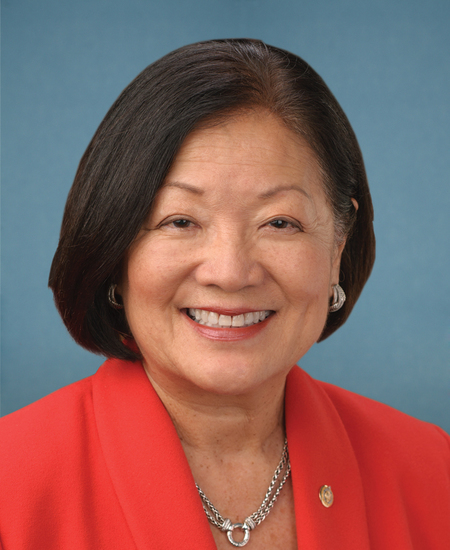
Mazie K. Hirono
Mazie K. Hirono Senate
D
Support
74% 27
Rick Scott
Rick Scott Senate
R
Strong −
19% 27
Ashley Moody
Ashley Moody Senate
R
Oppose
22% 27
Rand Paul
Rand Paul Senate
R
Oppose
22% 27
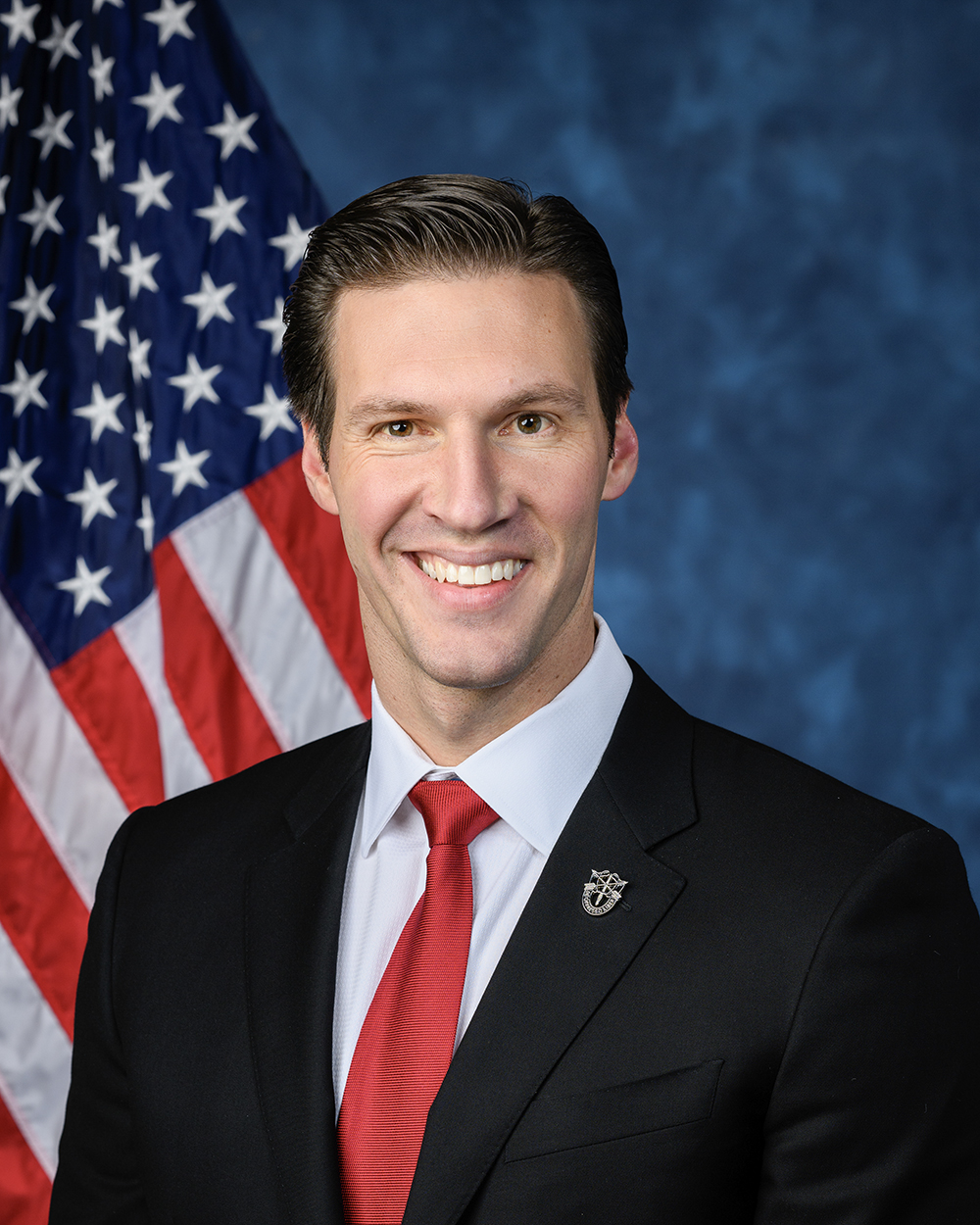
Brad Knott
Brad Knott House · District 13
R
Oppose
28% 18
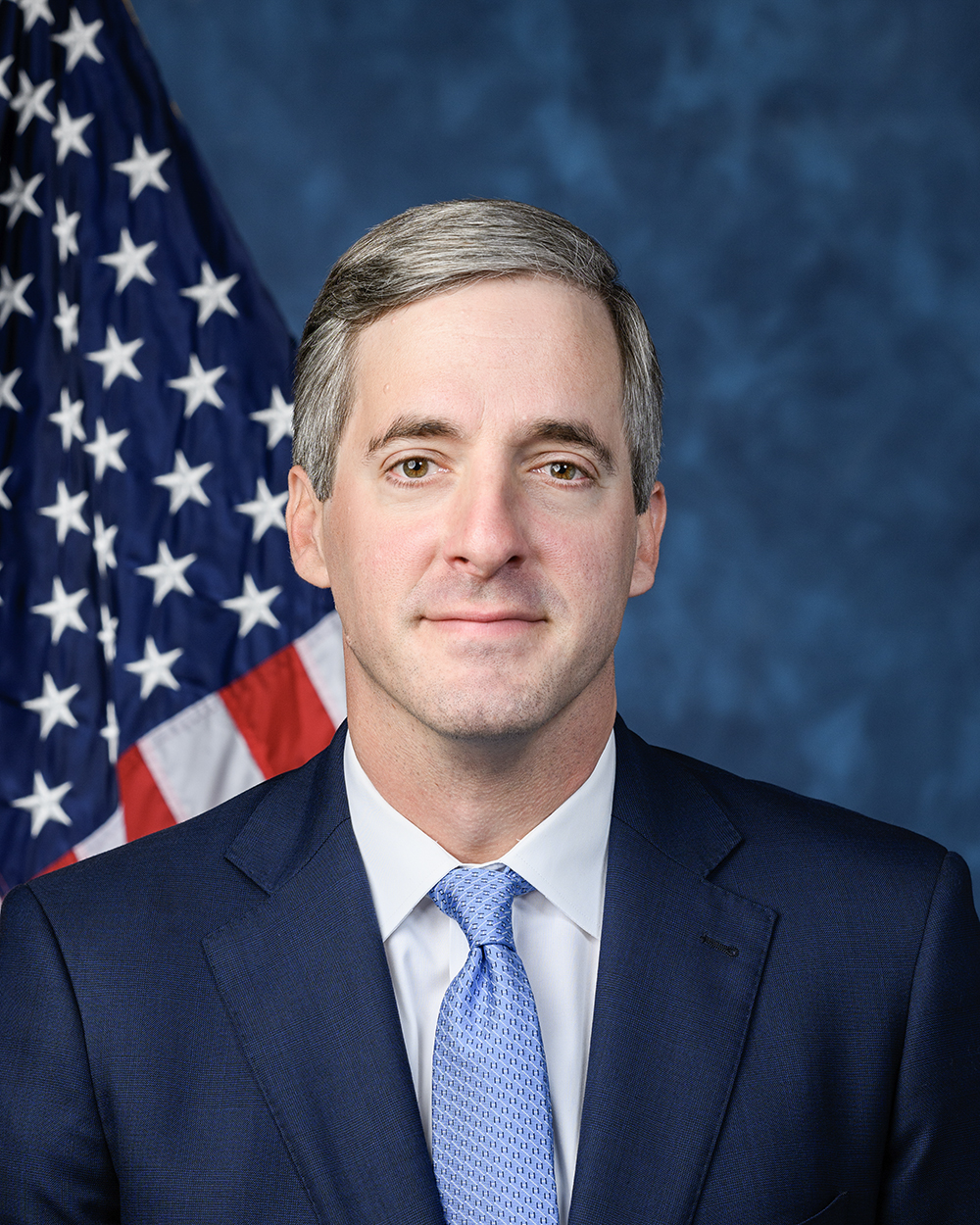
Pat Harrigan
Pat Harrigan House · District 10
R
Oppose
28% 18
Showing 1,631–1,640 of 2,988 bills

All healthcare bills

in committee · United States · House Oct 24, 2025

HR 5828: Dads Matter Act of 2025

HR 5828, the Dads Matter Act of 2025, requires the Health and Human Services Department to launch a public awareness campaign about fathers' roles in pregnancy and postpartum care, and to issue guidance to states on training healthcare providers (like hospitals and doctors) to better include fathers. The bill aims to improve maternal and infant health outcomes by encouraging providers to discuss topics such as father involvement in prenatal visits, skin-to-skin contact, breastfeeding support, and recognizing maternal health risks. It directs HHS to provide resources countering narratives that minimize fathers' roles and to address cultural barriers to father engagement. A government study will later assess the bill's effectiveness after six years.
in committee · United States · House Sep 16, 2025

HR 5381: Opioid Treatment Providers Act

HR 5381, the Opioid Treatment Providers Act, expands eligibility for Health Professions Opportunity Grants (HPOG) to include opioid treatment programs (OTPs) and other high-quality addiction care providers. This change modifies the Social Security Act to allow these programs to apply for HPOG funding, which supports workforce development and training for health care workers. The bill directly affects OTPs and similar addiction treatment facilities by enabling them to access federal grants for staff training and program enhancement. The amendment takes effect on October 1, 2025.
in committee · United States · House Mar 18, 2025

HR 2172: Preserving Patient Access to Home Infusion Act

Preserving Patient Access to Home Infusion Act  This bill specifically includes pharmacy services and home infusion drugs that are administered without a pump as part of covered home infusion therapy under Medicare. The bill also allows nurses and physician assistants to establish and review the plan of care for home infusion therapy, and it specifies that payment may be made regardless of whether a practitioner is physically present in the home at the time the drug is administered.
in committee · United States · House Sep 22, 2025

HR 5261: Veterans Emergency Care Reimbursement Act of 2025

This bill modifies reimbursement rules for veterans receiving emergency care at non-VA facilities. It ensures veterans with private health insurance won't be charged more than $100 for copayments on emergency treatment claims, excluding deductibles or coinsurance. The change applies to all claims submitted since February 2012, including those from the Wolfe v. McDonough class action case. This directly affects veterans who had private insurance coverage when seeking emergency care outside VA facilities.
in committee · United States · House Jul 10, 2025

HR 4342: CURE Act

HR 4342, the CURE Act, requires states receiving federal grants for opioid use disorder treatment to submit detailed quarterly reports on how funds are spent. It mandates states to report specific data - including recipient names, locations, taxpayer IDs, and the number of people served - through a new standardized federal tracking system. The bill also updates congressional reporting requirements to include more transparency about grant recipients and funding levels. These changes apply 180 days after the bill's enactment and aim to improve oversight of opioid grant programs without altering funding levels or treatment access.
Sub-Topics Substance Abuse
in committee · United States · House Apr 24, 2025

HR 3006: To amend title XVIII of the Social Security Act to limit the coinsurance amount for certain services furnished in an ambulatory surgical center.

HR 3006 would limit Medicare coinsurance for certain surgical procedures performed in ambulatory surgical centers (ASCs). Specifically, it prevents patients from paying coinsurance exceeding the annual inpatient hospital deductible for those procedures. If the coinsurance amount would surpass the deductible, the Medicare program must reduce the patient's share to match the deductible and reimburse the ASC for the difference. This change applies to services provided on or after January 1, 2026, directly affecting Medicare beneficiaries using ASCs for qualifying surgeries.
Sub-Topics Hospitals Medicare
in committee · United States · House Sep 16, 2025

HR 5370: To provide low-income individuals with opportunities to enter and follow a career pathway in the health professions, and for other purposes.

The Pathways to Health Careers Act creates federal grants to help low-income individuals (with family income up to 200% of the Federal poverty level) enter health profession careers. It funds training programs that include adult basic education, career coaching, child care, transportation, and legal assistance for people with arrest or conviction records. The bill specifically supports two demonstration projects: one helping individuals with criminal records enter health careers, and another focused on training doulas and midwives for pregnancy, birth, and postpartum care. Programs must provide structured career pathways to recognized health profession credentials and include support services like case management. The bill requires evaluations to assess effectiveness in addressing workforce shortages and improving participant outcomes.
in committee · United States · Senate Jan 23, 2025

S 229: DTC Act of 2025

The DTC Act of 2025 requires pharmaceutical companies to disclose the wholesale acquisition cost (WAC) for a 30-day supply (or typical treatment course) of prescription drugs in direct-to-consumer advertisements. This applies to drugs covered by Medicare or Medicaid, excluding those with a WAC under $35 per 30-day supply. The bill mandates clear, conspicuous display of the WAC in ads, along with a note that actual patient costs may vary based on insurance coverage. It takes effect July 1, 2026, and includes penalties for noncompliance, such as civil fines up to $100,000 per violation. The law aims to increase price transparency for consumers seeing drug ads, particularly affecting patients with high-deductible plans or Medicare beneficiaries.
in committee · United States · House Dec 18, 2025

HR 6837: To amend the Employee Retirement Income Security Act of 1974 to ensure that pharmacy benefit managers are considered fiduciaries, and for other purposes.

HR 6837 amends federal law to require pharmacy benefit managers (PBMs) to act as fiduciaries for employer-sponsored health plans, meaning they must prioritize plan participants' interests. The bill mandates PBMs to disclose how they receive compensation (including rebates or fees) from drug manufacturers or other sources. It also prohibits PBMs from avoiding liability for mistakes by seeking indemnification and clarifies that PBMs cannot be the "responsible fiduciary" for disclosure purposes. These changes apply to group health plans starting 12 months after the bill becomes law.
Sub-Topics Prescription Drugs
in committee · United States · House Sep 18, 2025

HR 5488: Special Diabetes Program for Indians Reauthorization Act of 2025

This bill reauthorizes the Special Diabetes Program for Indians (SDPI) through fiscal year 2030, extending annual funding of $160 million per year. It directly affects American Indian and Alaska Native communities, which face significantly higher rates of diabetes, by ensuring continued federal support for diabetes prevention and treatment programs. The key provision amends the Public Health Service Act to add $160 million in annual funding for fiscal years 2026 through 2030, with funds remaining available until expended. This reauthorization maintains existing program funding levels without altering eligibility or program structure.
Sub-Topics Public Health Tags Tribal Nations
Showing 1,631 to 1,640 of 2,988 bills