Issue · Healthcare

Healthcare (Mental Health)

Every healthcare bill, vote, and legislator stance in United States, automatically classified by Maddy, our AI policy reader.

Total bills
440
119th Congress
Top supporter
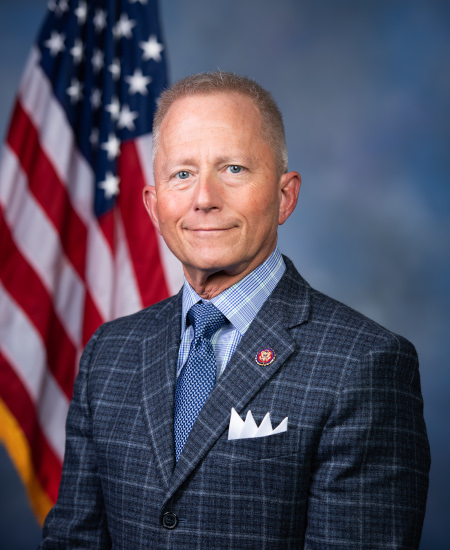
Jefferson Van Drew
100% support rate
Top opponent
Brad Knott
0% support rate
Ranked legislators
10
5 support · 5 oppose
Key legislators

Who's moving mental health in United States

Legislators moving mental health in United States
Legislator Party Stance Support rate Decisive votes
Jefferson Van Drew
Jefferson Van Drew House · District 2
R
Strong +
100% 4
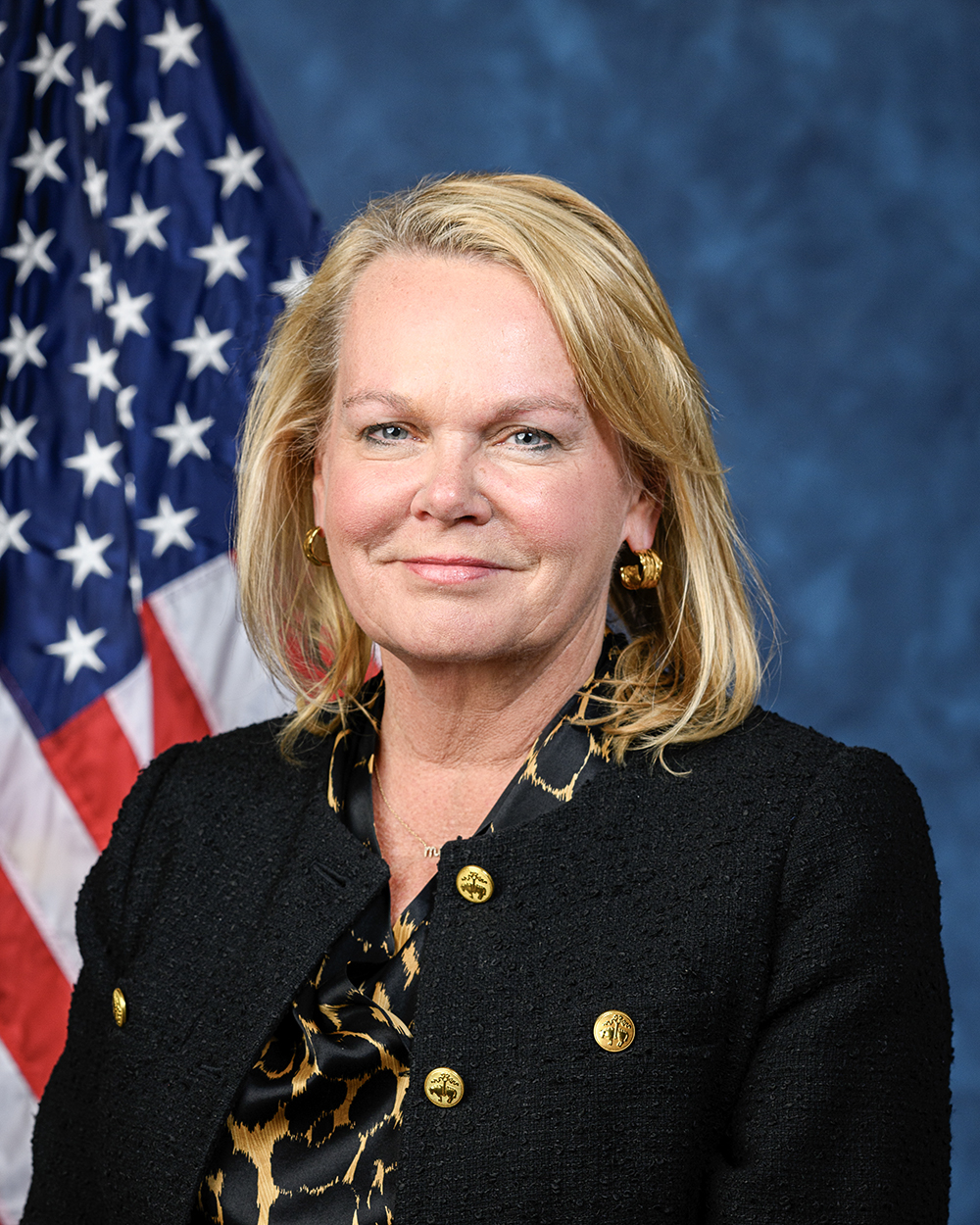
April McClain Delaney
April McClain Delaney House · District 6
D
Strong +
100% 3
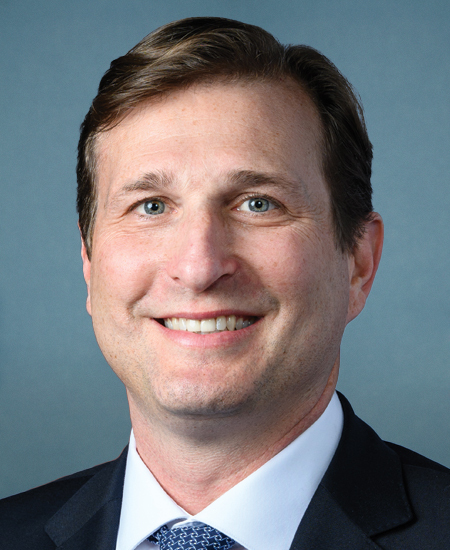
Daniel S. Goldman
Daniel S. Goldman House · District 10
D
Strong +
100% 3
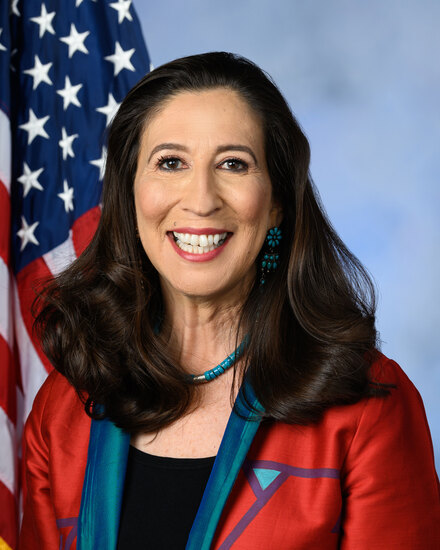
Teresa Leger Fernandez
Teresa Leger Fernandez House · District 3
D
Strong +
100% 3
Adam Gray
Adam Gray House · District 13
D
Support
75% 4
Brad Knott
Brad Knott House · District 13
R
Strong −
0% 4
Keith Self
Keith Self House · District 3
R
Strong −
0% 4
Pat Harrigan
Pat Harrigan House · District 10
R
Strong −
0% 4
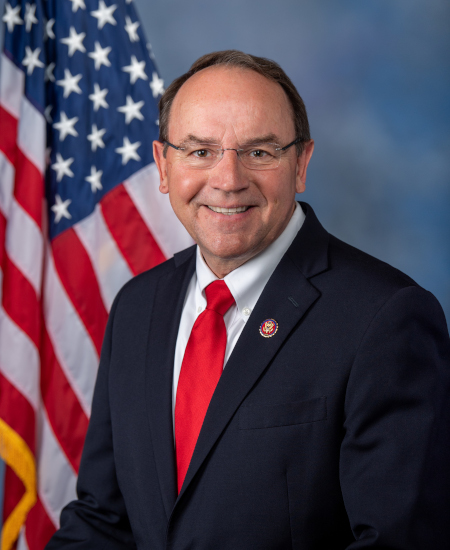
Thomas P. Tiffany
Thomas P. Tiffany House · District 7
R
Strong −
0% 4
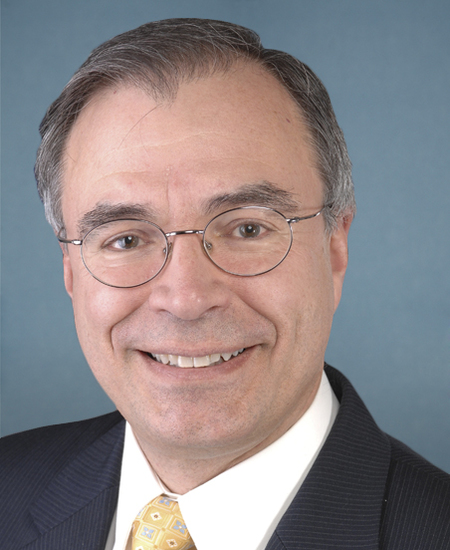
Andy Harris
Andy Harris House · District 1
R
Strong −
0% 3
Showing 151–160 of 440 bills

All healthcare bills

in committee · United States · Senate Mar 12, 2026

S 4076: Removing Medicare Mental Health Inpatient Limitations Act of 2026

This bill proposes to remove the 190-day lifetime limit on inpatient psychiatric hospital services for Medicare beneficiaries. It directly affects older Americans and other eligible individuals who rely on Medicare for mental health care coverage. The key provision amends the Social Security Act to delete the specific restriction that currently caps how many days Medicare will pay for inpatient psychiatric hospital stays. Changes made by this legislation would take effect on January 1, 2027, allowing Medicare to cover these services without the previous daily limit.
in committee · United States · Senate Mar 18, 2026

S 4137: RECOVER Act

This bill, known as the RECOVER Act, directs the Department of Veterans Affairs to launch a three-year pilot program that awards grants to non-profit outpatient mental health facilities. The program aims to improve access to culturally competent, evidence-based mental health care for veterans by funding existing facilities or supporting the creation of new ones. To qualify, facilities must demonstrate at least three years of operation, submit detailed applications, and commit to training clinicians in culturally competent care. The legislation includes specific funding limits, requires equitable distribution between rural and urban areas, and mandates a final report to Congress detailing program outcomes and veteran demographics.
in committee · United States · House Mar 30, 2026

HRES 1149: Supporting the goals and ideals of Social Work Month and World Social Work Day on March 17, 2026.

This resolution formally supports the goals and ideals of Social Work Month and World Social Work Day, which are observed on March 17, 2026. It recognizes the contributions of social workers across various settings including healthcare, schools, child welfare agencies, and disaster relief efforts. The measure acknowledges the profession's role in addressing mental health, addiction, poverty, and social justice while encouraging awareness of social workers' integral role in community well-being.
in committee · United States · House Apr 3, 2026

HR 8149: Agricultural Access to Addiction and Mental Health Care Act

This bill requires the Secretary of Agriculture to conduct a study examining how accessible addiction and mental health care providers and services are for farmers and ranchers facing challenges like drought, extreme weather, market instability, and consumer misinformation. The study will investigate rural availability of trained providers, barriers such as financial and geographic obstacles, and successful state and local programs that could be expanded federally. It also explores options like funding for therapy sessions through existing networks and enhancing telehealth services in rural areas. The results will be reported to Congress within 180 days, with up to $1 million authorized annually for fiscal years 2026 through 2029 to support the study.
Sub-Topics Mental Health Substance Abuse Telehealth Tags Agriculture Rural Communities
in committee · United States · Senate Mar 12, 2025

S 1007: 9–8–8 Lifeline Cybersecurity Responsibility Act

This bill strengthens cybersecurity protections for the 9-8-8 National Suicide Prevention Lifeline program. It requires the program’s network administrator (receiving federal funding) and participating local crisis centers to report cybersecurity vulnerabilities or incidents within 24 hours. The program must coordinate with the Department of Health and Human Services’ Chief Information Security Officer to eliminate vulnerabilities. Additionally, the bill mandates a study by the Comptroller General on the hotline’s cybersecurity risks, to be completed within 180 days of enactment.
in committee · United States · House Feb 4, 2025

HR 912: 9–8–8 Lifeline Cybersecurity Responsibility Act

This bill requires the National Suicide Prevention Lifeline (9-8-8 hotline) program to address cybersecurity vulnerabilities and report incidents. It mandates that the program’s network administrator and participating local crisis centers must report identified security weaknesses or cyber incidents to federal officials within a reasonable time, while protecting user privacy. The law also requires a study by the Comptroller General within 180 days to evaluate cybersecurity risks specific to the 9-8-8 system. These changes directly affect the federally funded 9-8-8 hotline program and its local crisis centers.
in committee · United States · House Mar 20, 2026

HR 7201: Rural Service and Workforce Corps Act

The Rural Service and Workforce Corps Act creates a program offering scholarships, tuition assistance, student loan repayment, stipends, and relocation incentives to individuals who commit to working for three years in rural areas with critical workforce shortages. It prioritizes filling gaps in health care (including primary care and behavioral health), skilled trades (like electricians and plumbers), energy infrastructure (lineworkers and renewable technicians), and utilities (water operators and broadband technicians). Designated areas include persistent poverty counties, health professional shortage areas, and regions with Native American communities. Employers meeting wage and training standards - such as public agencies, nonprofits, and tribal organizations - can participate to recruit and retain workers in these targeted sectors.
in committee · United States · House Sep 11, 2025

HR 5306: Gun Suicide Prevention Act of 2025

HR 5306, the Gun Suicide Prevention Act of 2025, requires firearm manufacturers and retailers to attach a specific label to all firearms. The label must be clearly visible in both English and Spanish, include the National Suicide Prevention Lifeline phone number (988), and feature a yellow triangle with an exclamation mark before the suicide prevention message. This applies to all firearms sold or offered for sale, directly affecting manufacturers and retailers under the Consumer Product Safety Act.
Sub-Topics Mental Health
in committee · United States · House Jan 22, 2026

HR 6858: Veteran Suicide Prevention Act

The Veteran Suicide Prevention Act requires the Department of Veterans Affairs (VA) to conduct a comprehensive review of all veterans who died by suicide during the five years before the bill's enactment. The review must analyze demographics, medication history (including black box warnings and psychotropic drugs), prescribing patterns, combat trauma, and facility-specific suicide rates. The VA must submit a public report to Congress within 30 days of completing the review, detailing findings and recommendations to improve veteran safety. This applies to all veterans who received VA care during the relevant five-year period. The law aims to identify systemic patterns and inform future suicide prevention efforts.
in committee · United States · House May 20, 2025

HR 3505: Barriers to Suicide Act of 2025

HR 3505, the Barriers to Suicide Act of 2025, creates a federal grant program administered by the Department of Transportation to fund the installation of proven safety barriers and nets on specific high-risk structures. The program provides competitive grants (up to 80% federal funding) to states, local governments, or other eligible entities for projects installing suicide deterrents on bridges, buildings, parking garages, highway-rail crossings, or rail stations. It prioritizes areas with high suicide rates and mandates a study by the Comptroller General to evaluate effective deterrents for non-bridge structures and their costs, with a report due within one year of enactment. The bill authorizes $10 million annually from 2026-2030 for this initiative.
Showing 151 to 160 of 440 bills
Previous 1 … 15 16 17 … 44 Next