Issue · Healthcare

Healthcare (Women's Health)

Every healthcare bill, vote, and legislator stance in United States, automatically classified by Maddy, our AI policy reader.

Total bills
223
119th Congress
Top supporter
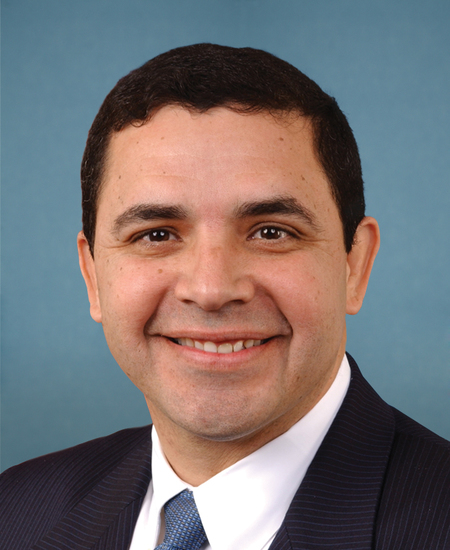
Henry Cuellar
100% support rate
Top opponent
John Garamendi
33% support rate
Ranked legislators
6
5 support · 1 oppose
Key legislators

Who's moving women's health in United States

Legislators moving women's health in United States
Legislator Party Stance Support rate Decisive votes
Henry Cuellar
Henry Cuellar House · District 28
D
Strong +
100% 4
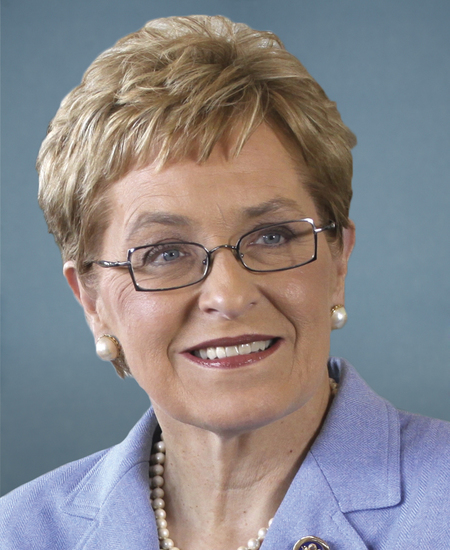
Marcy Kaptur
Marcy Kaptur House · District 9
D
Support
67% 3
Mike Haridopolos
Mike Haridopolos House · District 8
R
Support
67% 3
Aaron Bean
Aaron Bean House · District 4
R
Mixed
50% 4
Abraham J. Hamadeh
Abraham J. Hamadeh House · District 8
R
Mixed
50% 4
John Garamendi
John Garamendi House · District 8
D
Oppose
33% 3
Showing 131–140 of 223 bills

All healthcare bills

in committee · United States · House May 13, 2025

HR 3365: HEALTH for MOM Act of 2025

This bill gives states the option to create coordinated care teams (called "maternity health homes") for pregnant and postpartum women enrolled in Medicaid. It requires states to develop individualized care plans covering medical, behavioral, and social services, with increased federal funding (15% higher for the first four years) to support this model. Eligible women include those who are pregnant or within one year of pregnancy (excluding those with limited pregnancy-only coverage), and participation is voluntary for both women and providers. States must track care quality, costs, and outcomes through data reporting but are not required to adopt the program.
in committee · United States · Senate Mar 11, 2025

S 958: Tech to Save Moms Act

The Tech to Save Moms Act expands access to telehealth for pregnant and postpartum individuals in underserved communities by allowing remote screening and management of pregnancy complications through digital tools. It authorizes $6 million annually (2026-2030) for grants to train maternal health providers on reducing racial disparities, using telehealth during emergencies, and addressing social health risks. The grants prioritize health professional shortage areas, rural communities, and populations with high maternal mortality rates, requiring grantees to evaluate outcomes and develop best practices. The bill also mandates a study on AI and monitoring devices to address racial biases in maternal health technology.
in committee · United States · House Jun 30, 2025

HR 4265: Reproductive Health Travel Fund Act of 2025

HR 4265, the Reproductive Health Travel Fund Act of 2025, would provide $350 million annually (2026-2030) in federal grants to cover travel and logistical costs for people seeking abortion care in states with bans or severe restrictions. The bill directly affects individuals who must travel across state lines for abortion services, particularly those facing systemic barriers like Black, Indigenous, and low-income people. Grants can cover round-trip travel, lodging, childcare, meals, translation, and lost wages, but cannot fund the abortion procedure itself. Eligible recipients are community-based abortion funds meeting specific criteria, with priority given to organizations serving those impacted by state abortion bans.
Sub-Topics Women's Health
in committee · United States · House Mar 6, 2025

HR 1909: Preventing Maternal Deaths Reauthorization Act of 2025

HR 1909 reauthorizes federal funding and updates programs to reduce maternal deaths. It requires maternal mortality review committees to include obstetricians/gynecologists and improves death certificate reporting by coordinating with death certifiers. The bill mandates the CDC to share annual best practices for preventing maternal mortality with hospitals, state health groups, and perinatal programs. It also increases annual funding from $58 million to $100 million for these initiatives, covering fiscal years 2025 through 2029. The law directly affects hospitals, state health agencies, and maternal health programs receiving these federal funds.
Sub-Topics Women's Health
in committee · United States · House Apr 8, 2025

HR 2730: Military Moms Act

HR 2730, the Military Moms Act, modifies the TRICARE program to add pregnancy and pregnancy loss (miscarriage or stillbirth) as qualifying life events for enrollment changes, directly affecting military dependents. It requires the Secretary of Defense to issue guidance on documentation for these changes and mandates a detailed report within two years on maternal healthcare access at military facilities and TRICARE network providers, including staffing shortages and travel challenges. The bill also directs the creation of a dedicated Military OneSource webpage with pregnancy resources (excluding abortion information) and requires training for counselors on non-medical pregnancy needs. These provisions aim to improve access to prenatal, birthing, and postpartum care for military families.
Sub-Topics Women's Health
in committee · United States · House Jun 23, 2025

HR 4074: Optimizing Postpartum Outcomes Act of 2025

HR 4074, the Optimizing Postpartum Outcomes Act of 2025, requires the Health and Human Services Secretary to issue guidance within one year on improving Medicaid and CHIP coverage for pelvic health services during pregnancy and the postpartum period (defined as up to 6 months after birth or during lactation). The bill directs the GAO to study coverage gaps for these services and mandates a new CDC-led education campaign to train healthcare providers and inform postpartum women about pelvic floor exams and physical therapy. Key provisions include standardizing terminology for pelvic health conditions, sharing state best practices for payment models, and authorizing $2 million annually for the education program through 2030. This bill directly affects postpartum women covered by Medicaid or CHIP by aiming to increase access to evidence-based pelvic health care.
in committee · United States · House Sep 8, 2025

HR 5202: BABIES Act

The BABIES Act (HR 5202) provides federal grants and Medicaid demonstration programs to expand access to freestanding birth centers, primarily benefiting low-risk pregnant women in underserved areas who rely on Medicaid. It allocates $5 million (2026-2030) for grants up to $500,000 per birth center to cover facility upgrades, equipment, and accreditation costs, with priority for centers in maternity care deserts or areas with poor outcomes. Additionally, it creates a 4-year Medicaid demonstration program testing new payment models for birth centers that meet strict standards (like accreditation, licensure, and emergency capabilities), requiring states to develop prospective payment systems covering services from pregnancy through postpartum care. The program aims to improve access and quality of low-risk maternity care while collecting data on clinical outcomes and costs compared to traditional hospital services.
in committee · United States · House Dec 9, 2025

HRES 938: Condemning the Supreme Court's decision to overturn Roe v. Wade and Planned Parenthood v. Casey and committing to advancing reproductive justice and judicial reform.

HRES 938 is a symbolic House resolution condemning the Supreme Court's 2022 Dobbs decision that overturned Roe v. Wade and Planned Parenthood v. Casey, ending federal abortion rights protection. It commits Congress to advancing reproductive justice through future legislative action and judicial reform to restore public confidence in the Supreme Court. The resolution specifically pledges to protect disproportionately impacted groups, including women of color, undocumented women, low-income women, LGBTQIA+ individuals, and transgender people. As a non-binding resolution, it does not create new law but expresses the House's intent to address the ruling's consequences via constitutional authority.
Sub-Topics Women's Health
in committee · United States · House Mar 14, 2025

HR 1289: Veterans Nutrition and Wellness Act of 2025

HR 1289, the Veterans Nutrition and Wellness Act of 2025, creates a 3-year pilot program (the "Food is Medicine" program) within the Department of Veterans Affairs. It provides medically-tailored meals and groceries, along with nutrition education and cooking classes, to veterans enrolled in VA care who have specific chronic conditions (like diabetes, cancer, or heart failure) or maternal health needs (including prenatal/postpartum care with risks like preeclampsia). The program requires VA to partner with community organizations for food sourcing, train VA health providers on integrating the program, and report annually on participant health outcomes, healthcare utilization, and cost savings. The pilot is limited to veterans meeting the defined eligibility criteria and will terminate after three years.
passed · United States · House Jul 21, 2026

HR 6238: NIH IMPROVE Act

The NIH IMPROVE Act (HR 6238) establishes a new NIH research initiative focused on improving maternal health outcomes in the U.S. It directly affects pregnant and postpartum women, particularly those in communities experiencing health disparities linked to higher maternal mortality and severe maternal morbidity. The bill authorizes $73.4 million annually (2026-2031) for NIH to fund research targeting preventable causes of maternal deaths, reduce health disparities, and evaluate community-based interventions. Key provisions require NIH to advance evidence-based solutions through grants and studies on biological, behavioral, and regional factors affecting maternal health before, during, and after pregnancy.
Sub-Topics Women's Health
Showing 131 to 140 of 223 bills
Previous 1 … 13 14 15 … 23 Next