Issue · Healthcare

Healthcare

Every healthcare bill, vote, and legislator stance in United States, automatically classified by Maddy, our AI policy reader.

Total bills
2,988
119th Congress
Top supporter
Darline Graham
82% support rate
Top opponent
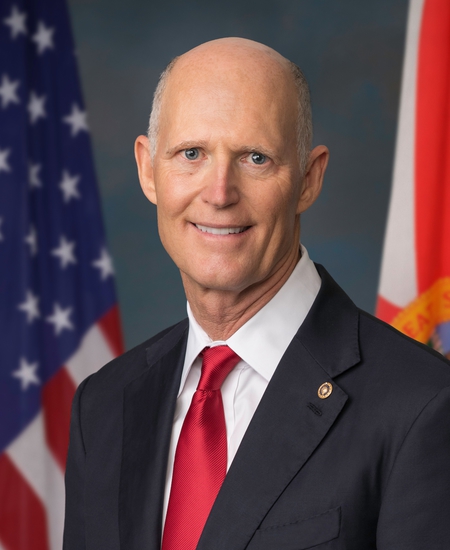
Rick Scott
19% support rate
Ranked legislators
10
5 support · 5 oppose
Key legislators

Who's moving healthcare in United States

Legislators moving healthcare in United States
Legislator Party Stance Support rate Decisive votes
Darline Graham
Darline Graham Senate
R
Strong +
82% 11
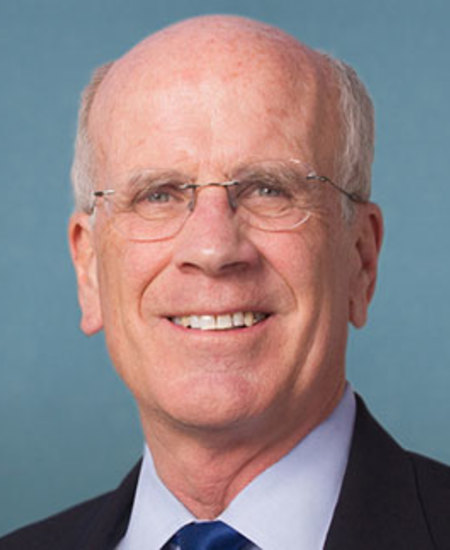
Peter Welch
Peter Welch Senate
D
Strong +
81% 27
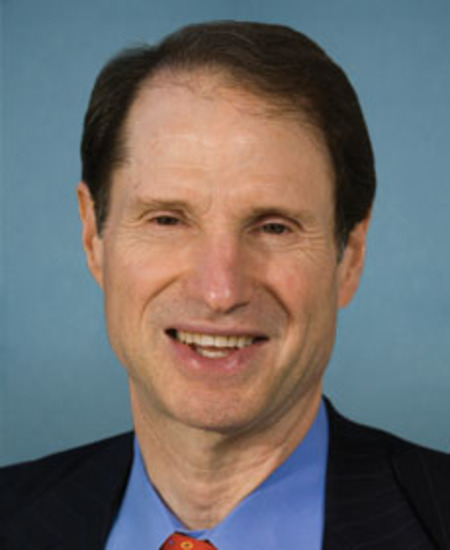
Ron Wyden
Ron Wyden Senate
D
Support
78% 27
Alex Padilla
Alex Padilla Senate
D
Support
77% 26
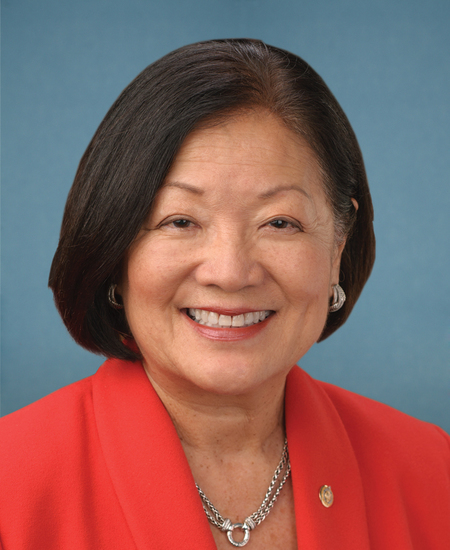
Mazie K. Hirono
Mazie K. Hirono Senate
D
Support
74% 27
Rick Scott
Rick Scott Senate
R
Strong −
19% 27
Ashley Moody
Ashley Moody Senate
R
Oppose
22% 27
Rand Paul
Rand Paul Senate
R
Oppose
22% 27
Brad Knott
Brad Knott House · District 13
R
Oppose
28% 18
Pat Harrigan
Pat Harrigan House · District 10
R
Oppose
28% 18
Showing 1,321–1,330 of 2,988 bills

All healthcare bills

passed · United States · House Jun 10, 2025

HR 2351: To direct the Commandant of the Coast Guard to update the policy of the Coast Guard regarding the use of medication to treat drug overdose, and for other purposes.

HR 2351 requires the Coast Guard Commandant to update policies ensuring naloxone (a medication for opioid overdoses) is available for Coast Guard personnel. It mandates naloxone access at all Coast Guard installations and in all operational settings, including vessels and facilities. The bill also requires a two-year report to Congress detailing implementation progress, Coast Guard substance abuse trends (including fentanyl), and naloxone usage data. All provisions must comply with federal privacy laws like the Privacy Act.
Sub-Topics Substance Abuse
in committee · United States · Senate Mar 18, 2026

S 2981: Veterans Prosthetics Advancement and Reform Act

This bill requires the VA to create and maintain a standardized list (the "Formulary") of covered prosthetic and rehabilitative items and services for veterans. It mandates that the VA develop this list using evidence-based research, ensure all listed items are available at every VA facility nationwide, and regularly update and publish the Formulary online. Veterans will receive clear communication about covered items and how to appeal denied requests, while VA clinicians can still prescribe non-Formulary items when medically necessary, with oversight to evaluate if those items should be added to the Formulary. The policy directly affects veterans receiving prosthetic care through the VA system.
in committee · United States · House Mar 25, 2025

HR 1644: Copay Fairness for Veterans Act

The Copay Fairness for Veterans Act (HR 1644) eliminates out-of-pocket costs for veterans receiving preventive health services through the Department of Veterans Affairs (VA). It removes copayments for medications and hospital care related to preventive services, including evidence-based items rated A/B by the U.S. Preventive Services Task Force, CDC-recommended immunizations, and women's preventive care like contraceptives and screenings under specific guidelines. The bill directly affects veterans using VA healthcare for these preventive services, ensuring they pay nothing for covered care. It amends existing VA law to define "preventive health services" broadly and removes financial barriers for these specific health interventions.
in committee · United States · House May 19, 2025

HR 3493: Global Fairness in Drug Pricing Act

HR 3493, the Global Fairness in Drug Pricing Act, requires the U.S. Health and Human Services Secretary to establish price targets for pharmaceutical manufacturers, ensuring U.S. drug prices align with those in comparable developed countries. It directs the HHS Secretary to certify safe importation of drugs from low-cost countries and facilitate direct-to-consumer purchasing programs at the set prices. The bill also authorizes antitrust enforcement against drug companies for anticompetitive practices and mandates a study on whether manufacturers engage in unfair pricing that forces U.S. patients to subsidize global drug research. This legislation directly affects pharmaceutical manufacturers and American patients seeking affordable prescription drugs.
Sub-Topics Prescription Drugs
in committee · United States · House Mar 6, 2025

HR 1901: CHIPP Act

HR 1901, the CHIPP Act, makes Children's Health Insurance Program (CHIP) funding permanent for all future fiscal years, removing previous expiration dates that required annual congressional renewal. This directly affects low-income children and families who rely on CHIP coverage and the states that administer these programs. The key mechanism is amending federal law to require "such sums as are necessary" for CHIP funding starting in fiscal year 2029 and beyond. Other provisions adjust funding for related programs like pediatric quality measures and outreach, but the primary change is CHIP’s permanent funding structure.
Sub-Topics Children's Health Insurance Medicaid Tags Children
in committee · United States · House Sep 17, 2025

HR 5435: Stop CMV Act of 2025

The Stop CMV Act of 2025 requires hospitals to screen all infants under 21 days old for congenital cytomegalovirus (CMV), a virus that can cause hearing loss and developmental delays. States must establish screening standards - including parent notification - within two years of the law’s enactment, or the federal Advisory Committee on Heritable Disorders will set them. The bill provides federal grants for states to implement screening, improve data systems, and fund research on CMV prevention, diagnostics, and treatments through the CDC and NIH.
in committee · United States · House Mar 27, 2025

HR 2419: Patient Fairness Act of 2025

The Patient Fairness Act of 2025 increases Health Savings Account (HSA) contribution limits and removes restrictions on how funds can be used. It raises the annual limit to $8,000 for individuals (or $16,000 for married couples) plus $3,000 per dependent, and allows those 55 or older to contribute an additional $3,000 (or $6,000 for couples). The bill also permits transferring HSA funds to relatives within 60 days after the account holder’s death without penalty. Additionally, it codifies existing hospital price transparency rules, requiring healthcare facilities to publish standard service prices permanently.
Sub-Topics Hospitals
in committee · United States · House May 19, 2025

HR 3503: Kidney Donation Anti-Discrimination Act

HR 3503, the Kidney Donation Anti-Discrimination Act, prohibits life insurance companies from discriminating against living kidney donors in policy terms (such as price, coverage, or cancellation) solely based on their donation status. It requires insurers to show evidence of actual health risks unrelated to the donation before charging higher premiums or denying coverage. Individuals harmed by such discrimination can sue insurers in federal court for damages and legal fees. The law also ensures states can offer stronger protections to living kidney donors than this federal standard provides.
in committee · United States · House Apr 3, 2025

HR 2656: Removing Nitrate and Arsenic in Drinking Water Act

HR 2656, the *Removing Nitrate and Arsenic in Drinking Water Act*, establishes a federal grant program to help community water systems, schools, and other facilities reduce harmful nitrate and arsenic levels in drinking water. Eligible entities like municipalities, nonprofits, and water systems can apply for grants to install treatment technology, with priority given to disadvantaged communities, areas with past non-compliance, and facilities serving children or vulnerable populations. The program authorizes $15 million annually starting in 2026, limiting administrative costs to 4% of funds. It requires applicants to identify contamination sources and demonstrate how their project will reduce contaminants, aiming to improve water safety for at-risk communities.
in committee · United States · House May 29, 2025

HR 3665: Medicare Economic Security Solutions Act

HR 3665, the Medicare Economic Security Solutions Act, modifies Medicare Part B late enrollment penalties. It increases the penalty rate from 10% to 15% of the monthly premium but limits the penalty period to twice the original 12-month intervals. The bill also excludes months with COBRA, retiree, or VA coverage from counting toward the penalty and creates a special enrollment period for people whose COBRA or retiree coverage ends. These changes directly affect Medicare Part B enrollees who had gaps in coverage due to employment transitions or other qualifying circumstances.
Sub-Topics Insurance Medicare
Showing 1,321 to 1,330 of 2,988 bills