Issue · Healthcare

Healthcare (Women's Health)

Every healthcare bill, vote, and legislator stance in United States, automatically classified by Maddy, our AI policy reader.

Total bills
302
119th Congress
Top supporter
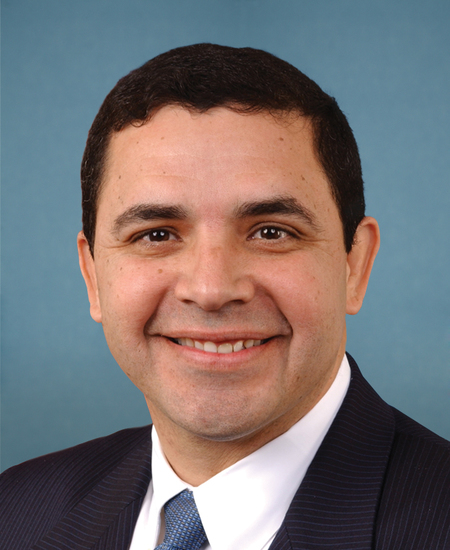
Henry Cuellar
100% support rate
Top opponent
John Garamendi
33% support rate
Ranked legislators
6
5 support · 1 oppose
Key legislators

Who's moving women's health in United States

Legislators moving women's health in United States
Legislator Party Stance Support rate Decisive votes
Henry Cuellar
Henry Cuellar House · District 28
D
Strong +
100% 4
Marcy Kaptur
Marcy Kaptur House · District 9
D
Support
67% 3
Mike Haridopolos
Mike Haridopolos House · District 8
R
Support
67% 3
Aaron Bean
Aaron Bean House · District 4
R
Mixed
50% 4
Abraham J. Hamadeh
Abraham J. Hamadeh House · District 8
R
Mixed
50% 4
John Garamendi
John Garamendi House · District 8
D
Oppose
33% 3
Showing 121–130 of 302 bills

All healthcare bills

in committee · United States · Senate Jul 28, 2026

S 380: Rural Obstetrics Readiness Act

S 380, the Rural Obstetrics Readiness Act, creates a federal program to improve emergency obstetric care in rural health facilities without dedicated obstetric units. It establishes evidence-based training for non-obstetric providers to handle childbirth emergencies (like hemorrhage or severe hypertension), funds equipment purchases, and launches a telehealth pilot for rapid specialist consultations. The bill authorizes $5 million for training (2026-2028), $15 million for equipment and workforce support (2026-2029), and $5 million for teleconsultation (2026-2029). It directly affects rural hospitals and clinics in maternity care shortage areas, requiring them to coordinate with maternal health programs and develop emergency protocols. A separate study will map maternity ward closures and regional care patterns, reporting to Congress within three years.
in committee · United States · House Jan 28, 2025

HR 796: Second Chance for Moms Act

The Second Chance for Moms Act (HR 796) requires a new warning label on mifepristone - a medication used for medical abortions - stating that natural progesterone may counteract its effects and increase fetal survival, with a hotline reference for further information. It also mandates a federal 24/7 hotline providing support and referrals exclusively to healthcare providers offering "abortion pill reversal" services. This bill directly affects patients prescribed mifepristone and healthcare providers who dispense the medication, as the label must appear on packaging and the hotline must be established. The warning label would take effect six months after enactment, and the hotline would operate under the Public Health Service Act.
passed · United States · House Jan 26, 2026

HR 6359: Pregnant Students’ Rights Act

This bill requires colleges receiving federal student aid to provide clear information about pregnancy-related accommodations and resources to all students annually. It mandates institutions to send emails to enrolled students each academic year, include details in student handbooks and orientations, and display the information at health centers and on websites. The disclosure must cover campus/community resources for pregnant students, available accommodations, and how to file complaints under Title IX regarding pregnancy discrimination. The bill does not create new rights but ensures existing protections and resources are communicated to students. It directly affects all participating colleges and pregnant students enrolled in higher education programs.
in committee · United States · House Jan 13, 2025

HR 343: Title X Abortion Provider Prohibition Act

This bill prohibits federal funding under Title X (which supports family planning services) for clinics or organizations that perform or fund abortions, except in cases of rape, incest, or when a physician certifies a life-threatening condition. It requires grantees to certify compliance annually and mandates detailed annual reports to Congress on exceptions, including abortion counts by circumstance. The law directly affects Title X-funded providers who currently offer abortion services, potentially forcing them to stop providing abortions or lose federal funding. Key mechanisms include the certification requirement, exception criteria, and the new reporting obligations for the Secretary of Health and Human Services.
in committee · United States · House Feb 26, 2025

HR 1639: BOAT Act

HR 1639, the BOAT Act, makes it a federal crime to perform an abortion resulting in fetal death on U.S. ships or in U.S. waters (admiralty jurisdiction), punishable by up to 5 years in prison. The law includes exceptions for abortions necessary to save a pregnant woman's life (including pregnancy-related conditions), abortions following adult rape (requiring 48-hour counseling or medical treatment), or abortions following rape/incest involving minors (requiring prior reporting to authorities). It also creates civil lawsuits allowing women who had abortions in violation of the law to seek triple the abortion cost, medical damages, and attorney fees. The bill directly affects healthcare providers performing abortions on U.S. vessels or in U.S. waters and the women receiving such care.
Sub-Topics Women's Health
in committee · United States · House Jan 28, 2025

HR 797: Ultrasounds Save Lives Act of 2025

HR 797, the Ultrasounds Save Lives Act of 2025, requires abortion providers to perform an ultrasound before an abortion (except in medical emergencies) and share the results with the patient. It mandates a specific informed consent form detailing the fetus's gestational age, medical risks, developmental stage (including heartbeat and organ development), and provider penalties for non-compliance. Violations trigger civil penalties of $100,000-$250,000 per incident, plus private lawsuits allowing patients to seek triple the abortion cost in damages. The law applies to licensed medical providers and those legally authorized to perform abortions, with exceptions only when ultrasound poses a direct risk to the patient's life or major bodily function.
Sub-Topics Women's Health
in committee · United States · House Jan 22, 2025

HR 629: Ending Chemical Abortions Act of 2025

HR 629, the "Ending Chemical Abortions Act of 2025," would criminalize the prescription, distribution, or sale of drugs used for chemical abortions (like mifepristone and misoprostol) under federal law, with penalties up to 25 years in prison. It directly affects healthcare providers who prescribe or dispense these drugs, while exempting contraceptive use before pregnancy, treatment of miscarriages, and life-threatening pregnancy conditions certified by a physician. The bill defines "abortion" as intentionally ending a pregnancy, excludes women from prosecution, and redefines "unborn child" to begin at fertilization. This legislation would replace existing federal abortion-related provisions and apply nationwide, making chemical abortion drugs subject to new criminal penalties.
in committee · United States · House Jan 31, 2025

HR 846: SAD Act

Stop Antiabortion Disinformation Act or the SAD Act This bill prohibits deceptive advertising for reproductive health services. Specifically, the bill makes it unlawful for a person (i.e., individual, partnership, corporation, association, or organization) to deceptively advertise the reproductive health services they offer, including by misrepresenting that the person (1) offers or provides contraception or abortion services (or referrals for such contraception or abortion services), or (2) employs or offers access to licensed medical personnel. The bill provides for enforcement by the Federal Trade Commission. In addition to any other penalty, violations are subject to a civil penalty that may not exceed the greater of $100,000 (adjusted annually for inflation) or 50% of the revenue earned during the preceding 12-month period by the ultimate parent entity of the person who violated the bill.
Sub-Topics Women's Health
in committee · United States · House Feb 11, 2025

HR 219: Improving Menopause Care for Veterans Act of 2025

This bill requires the Comptroller General to study and report on menopause care provided by the Department of Veterans Affairs (VA) to women veterans experiencing perimenopause, menopause, or genitourinary syndrome of menopause. The study will examine current VA protocols for diagnosis, treatment, provider training, veteran access to care, outreach efforts, and quality of care, including veteran feedback. The VA Secretary must then develop a strategic plan within six months of the report's release to improve menopause care access and quality for women veterans under VA healthcare programs.
in committee · United States · House Oct 3, 2025

HR 3302: Healthy Start Reauthorization Act of 2025

This bill reauthorizes funding for the Healthy Start Initiative, which provides maternal and infant health services to at-risk communities. It specifies $145 million annually for fiscal years 2026 through 2030 to support existing Healthy Start programs. The bill modifies the funding language in the Public Health Service Act to continue these services without changing program requirements. It directly affects local health organizations operating under the Healthy Start Initiative.
Showing 121 to 130 of 302 bills
Previous 1 … 12 13 14 … 31 Next