Issue · Healthcare

Healthcare

Every healthcare bill, vote, and legislator stance in United States, automatically classified by Maddy, our AI policy reader.

Total bills
2,988
119th Congress
Top supporter
Darline Graham
82% support rate
Top opponent
Rick Scott
19% support rate
Ranked legislators
10
5 support · 5 oppose
Key legislators

Who's moving healthcare in United States

Legislators moving healthcare in United States
Legislator Party Stance Support rate Decisive votes
Darline Graham
Darline Graham Senate
R
Strong +
82% 11
Peter Welch
Peter Welch Senate
D
Strong +
81% 27
Ron Wyden
Ron Wyden Senate
D
Support
78% 27
Alex Padilla
Alex Padilla Senate
D
Support
77% 26
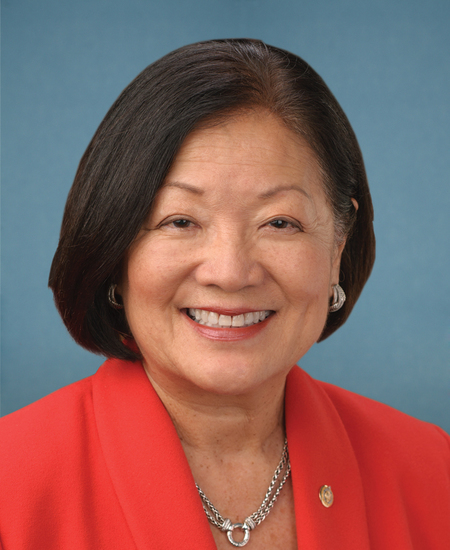
Mazie K. Hirono
Mazie K. Hirono Senate
D
Support
74% 27
Rick Scott
Rick Scott Senate
R
Strong −
19% 27
Ashley Moody
Ashley Moody Senate
R
Oppose
22% 27
Rand Paul
Rand Paul Senate
R
Oppose
22% 27
Brad Knott
Brad Knott House · District 13
R
Oppose
28% 18
Pat Harrigan
Pat Harrigan House · District 10
R
Oppose
28% 18
Showing 1,221–1,230 of 2,988 bills

All healthcare bills

in committee · United States · House Feb 24, 2025

HR 1523: PREVENT DIABETES Act

Promoting Responsible and Effective Virtual Experiences through Novel Technology to Deliver Improved Access and Better Engagement with Tested and Evidence-based Strategies Act or the PREVENT DIABETES Act This bill allows health care entities to provide virtual services under the Medicare Diabetes Prevention Program for an additional three years. The Medicare Diabetes Prevention Program offers Medicare beneficiaries who are at risk of developing Type 2 diabetes specialized training and education regarding diet, exercise, and other behavioral changes. The Centers for Medicare & Medicaid Services issued temporary authorization for entities participating in the program to provide these services virtually until December 31, 2027. The bill extends the authorization for virtual services until December 31, 2030.
Sub-Topics Medicaid Medicare
passed · United States · House Sep 16, 2025

HR 3494: VA Hospital Inventory Management System Authorization Act

HR 3494 authorizes the Department of Veterans Affairs (VA) to purchase or develop a cloud-based inventory management system for medical supplies at VA hospitals. The bill requires a pilot program at one VA facility before full implementation and allocates $50 million in funding for this effort. It mandates that the VA complete the system's implementation across all VA hospitals within three years of the bill's enactment. This legislation directly affects VA medical facilities by changing how they track and manage medical supplies.
in committee · United States · Senate Mar 3, 2025

S 813: SHOPP Act of 2025

The SHOPP Act of 2025 amends the Gus Schumacher Nutrition Incentive Program to expand eligible items for low-income SNAP participants. It adds fresh frozen fruits and vegetables to the list of qualifying produce and includes legumes (like beans and lentils) in place of the previous "fruits and vegetables" requirement. This change directly affects SNAP recipients using nutrition incentive programs at farmers' markets or participating retailers. The key provision allows participants to receive incentives for purchasing frozen produce and legumes, increasing year-round access to affordable healthy foods. The bill modifies existing program rules without changing funding levels or eligibility criteria.
passed · United States · House Jan 26, 2026

HR 6359: Pregnant Students’ Rights Act

This bill requires colleges receiving federal student aid to provide clear information about pregnancy-related accommodations and resources to all students annually. It mandates institutions to send emails to enrolled students each academic year, include details in student handbooks and orientations, and display the information at health centers and on websites. The disclosure must cover campus/community resources for pregnant students, available accommodations, and how to file complaints under Title IX regarding pregnancy discrimination. The bill does not create new rights but ensures existing protections and resources are communicated to students. It directly affects all participating colleges and pregnant students enrolled in higher education programs.
in committee · United States · House Jun 11, 2025

HR 2234: Ensuring Veterans Timely Access to Anesthesia Care Act of 2025

This bill updates Veterans Health Administration (VHA) anesthesia practice standards to align with Defense Health Agency (DHA) guidelines, directly affecting VA-employed anesthesia providers (including physician anesthesiologists and certified registered nurse anesthetists). It requires VHA to recognize certified registered nurse anesthetists as licensed independent practitioners under DHA’s 2023 standards and mandates certification from specific bodies for all anesthesia staff. Additionally, it sets a 25-hour minimum requirement for direct patient care experience for all VA anesthesia professionals and allows suspension for non-compliance. The bill also requires annual GAO reports comparing outcomes and costs across three anesthesia delivery models (anesthesiologist-led, CRNA-supervised, and CRNA-only) to be submitted to Congress.
in committee · United States · House Feb 24, 2026

HR 1957: End Veteran Homelessness Act of 2025

End Veteran Homelessness Act of 2025 This bill requires the Department of Veterans Affairs (VA) to furnish case management to certain veterans who are eligible for the HUD-Veterans Affairs Supportive Housing (HUD-VASH) program administered by the Department of Housing and Urban Development (HUD) and the VA. Specifically, the VA must furnish case management to veterans who are eligible for HUD-VASH that the VA determines require case management. The VA must prioritize vulnerable homeless veterans in assigning case managers and providing services. The VA must take certain actions if a veteran refuses case management. HUD or a public housing authority may not revoke assistance solely on the basis that a veteran has refused case management. Additionally, a veteran may not be evicted or penalized by the owner of a property solely on the basis that they have refused case management or cannot be provided case management for health and safety reasons. The Government Accountability Office must report to Congress on veterans who are served by the HUD-VASH program, case managers and case management services provided under the program, and metrics about housing stability for veterans participating in federal housing assistance programs. The bill also provides statutory authority to expand eligibility for the HUD-VASH program to any veteran who is homeless, at risk of homelessness, or receiving assistance under another housing assistance program if the VA determines a voucher under HUD-VASH is more appropriate. (Currently, assistance is statutorily limited to certain veterans who have chronic mental illness or substance use disorders.)
in committee · United States · House Feb 12, 2025

HR 1244: Reducing Drug Prices for Seniors Act

HR 1244, the "Reducing Drug Prices for Seniors Act," requires Medicare Part D plans to calculate coinsurance for covered drugs based on the plan's actual acquisition cost (the negotiated net price paid by the plan) rather than the drug's wholesale price, starting in 2026. This change directly affects Medicare Part D beneficiaries who pay coinsurance after meeting their deductible but before reaching the out-of-pocket threshold. The bill mandates that plans use the actual cost reported in the Detailed DIR Report, excluding certain drugs covered under specific exceptions. This policy aims to lower out-of-pocket costs for seniors by aligning coinsurance with the price the plan actually pays for medications.
Sub-Topics Medicare Prescription Drugs Tags Seniors
in committee · United States · House Feb 3, 2025

HR 136: Veteran Overmedication and Suicide Prevention Act of 2025

This bill requires the Department of Veterans Affairs (VA) to commission an independent review by the National Academies of Sciences, Engineering, and Medicine into the suicides and violent/accidental deaths of veterans treated by the VA during a five-year period ending in 2025. The review will analyze medication use (including drugs with serious safety warnings), treatment approaches for conditions like PTSD, mental health staffing levels, and data-sharing practices across VA facilities and state programs. It mandates a detailed report on findings, including patterns in overprescribing, effectiveness of non-medication treatments, and facility-specific prescription rates, to be submitted to Congress and made public within 30 days of completion. The bill directly affects veterans who died by suicide or violent/accidental death while receiving VA care during the specified period.
in committee · United States · House Jan 3, 2025

HR 182: Default Prevention Act

HR 182, the Default Prevention Act, establishes a priority system for paying U.S. government obligations when the national debt limit is reached. It requires the Treasury to first pay Tier I obligations (including Social Security, Medicare, and interest on public debt), then Tier II (defense and veterans benefits), followed by Tier III, Tier IV (federal employee pay and travel expenses), and finally Tier V (Congressional salaries), only if higher-tier payments can still be fully covered. The bill mandates weekly reports to Congress detailing payments made and unpaid across each tier. This directly affects beneficiaries of Social Security/Medicare, veterans, defense programs, federal employees, and Congress by defining which payments must be prioritized during a debt limit crisis.
Sub-Topics Medicare
in committee · United States · House Jan 31, 2025

HR 894: Keeping Drugs Out of Schools Act of 2025

The Keeping Drugs Out of Schools Act of 2025 establishes a federal grant program to fund partnerships between community coalitions and local schools for evidence-based drug prevention programs. Eligible entities - community coalitions with existing federal grants and formal agreements with at least one school - can receive up to $75,000 annually per school partnership to implement tailored prevention strategies. Funds must supplement, not replace, existing school drug prevention funding, and grantees must submit detailed implementation plans. The program authorizes $7 million annually from 2026 through 2031 to support these school-community partnerships.
Showing 1,221 to 1,230 of 2,988 bills