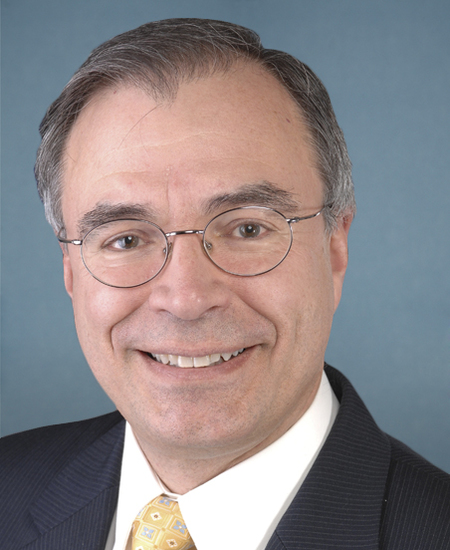
The Gateway to Careers Act of 2026 creates a new grant program to help states fund partnerships between workforce agencies, schools, and employers designed to guide individuals through specific career paths. These partnerships will receive federal funding to develop programs that connect education and training with in-demand jobs, while also providing essential support services like childcare, transportation, and mental health care to help participants complete their training. The bill prioritizes partnerships involving community colleges and those serving people facing barriers to employment, requiring applicants to use evidence-based strategies to improve student outcomes. To ensure accountability, the program mandates regular reporting on participant progress, job placement rates, and earnings, with a portion of funds reserved for independent evaluations of the initiative's effectiveness.
This resolution expresses support for designating May 2026 as Mental Health Awareness Month to highlight the importance of mental well-being and reduce stigma. It does not create new laws or allocate funding but serves as a formal statement acknowledging the rising rates of mental illness, suicide, and disparities in care across the United States. The text cites various statistics regarding anxiety, depression, and access to treatment to underscore the need for public awareness and continued efforts by medical and community organizations. Ultimately, the bill encourages citizens and institutions to use this month to promote mental health resources and support for individuals and families affected by mental illness.
This resolution formally designates May 2026 as Borderline Personality Disorder Awareness Month to highlight the condition and reduce associated stigma. The bill does not allocate funding or change laws, but rather expresses the House of Representatives' support for raising public awareness about BPD. By recognizing the month, the resolution aims to encourage education and compassion for the millions of Americans affected by this mental health condition.
This Senate resolution formally recognizes Maternal Mental Health Day on the first Wednesday of May to raise awareness about mental health issues affecting new mothers. It highlights the prevalence of these conditions, noting that they are common complications of pregnancy that often go undiagnosed and can negatively impact both mothers and their children. The bill calls for increased public education on risk factors and symptoms, honors the challenges mothers face, and encourages further research and provider training to improve treatment options.
The Rural Health Resilience Act of 2026 creates a new program to provide loans and loan guarantees to struggling health facilities in rural areas to prevent them from closing or cutting essential services. This assistance is available to various types of rural hospitals, clinics, and behavioral health centers that demonstrate financial distress through metrics like low operating margins or insufficient cash reserves. The funds can be used for facility repairs, covering operational costs such as payroll and supplies, paying down debt, or bridging gaps in insurance reimbursements. Additionally, the program prioritizes support for sole community providers and areas with high poverty rates, and requires the Secretary of Agriculture to report on the program's outcomes to Congress within 18 months.
This bill establishes a national, toll-free hotline to provide emotional support, information, and referrals to caregivers of individuals with developmental disabilities. The service would be available 24/7 in both voice and text formats, staffed by trained professionals and peer supporters who can connect callers to local and federal resources. To ensure quality and reach, the program would prioritize partnerships with community organizations and include a public awareness campaign alongside a national database of available services. Funding of $10 million per year from 2027 to 2032 is authorized to maintain the hotline and support related training and reporting requirements.
The Never Fight Alone Act expands the Veterans Community Care Program to allow veterans who cannot access VA mental health or substance-use residential treatment programs to receive these services from qualified community providers. This expansion includes specific requirements for community facilities to be state-licensed and accredited by recognized behavioral health standards, with provisions for waivers if no suitable options exist. The bill also mandates that veterans be permitted to choose their preferred care option when multiple providers are available and prohibits denying care solely because a provider cannot meet standard wait times. Additionally, the legislation requires the VA to collect detailed data on care requests and approvals, specifically highlighting mental health cases, and restricts the VA from changing community care access rules without congressional approval.
This resolution designates May 10, 2026, as National Asian American, Native Hawaiian, and Pacific Islander Mental Health Day to highlight the unique mental health challenges faced by these communities. It aims to raise awareness about issues such as high healthcare costs, low service utilization rates, and the impact of historical trauma on mental well-being. The measure encourages federal, state, and local health agencies to develop policies that improve access to culturally and linguistically appropriate care. By linking this observance with National Mental Health Awareness Month, the bill seeks to reduce stigma and promote better health outcomes through increased support and resources.
This Senate resolution formally supports the goals of National Hospital Week, which is observed annually from May 10 to May 16, 2026. The measure recognizes the vital contributions of hospitals and healthcare workers, including physicians, nurses, and support staff, who provide essential services to millions of Americans. It highlights the diverse roles of various hospital types, such as critical access facilities in rural areas, teaching hospitals, psychiatric centers, and VA medical centers. The resolution encourages the public to observe the week with appropriate ceremonies and activities to demonstrate appreciation for the healthcare system.
This Senate resolution designates May 29, 2026, as "Mental Health Awareness in Agriculture Day" to highlight mental health issues within the farming industry. The bill aims to reduce stigma surrounding mental illness among the approximately 3.37 million agricultural producers and 1.6 million farmworkers in the United States. It acknowledges specific challenges faced by these workers, such as suicide rates that are significantly higher than the general population, and encourages the use of existing resources like the Farm and Ranch Stress Assistance Network. The resolution serves as a symbolic gesture to promote well-being rather than enacting new laws or funding changes.