Issue · Healthcare

Healthcare (Insurance)

Every healthcare bill, vote, and legislator stance in United States, automatically classified by Maddy, our AI policy reader.

Total bills
282
119th Congress
Top supporter
Adam B. Schiff
90% support rate
Top opponent
Jerry Moran
0% support rate
Ranked legislators
10
5 support · 5 oppose
Key legislators

Who's moving insurance in United States

Legislators moving insurance in United States
Legislator Party Stance Support rate Decisive votes
Adam B. Schiff
Adam B. Schiff Senate
D
Strong +
90% 10
Alex Padilla
Alex Padilla Senate
D
Strong +
90% 10
Amy Klobuchar
Amy Klobuchar Senate
D
Strong +
90% 10
Andy Kim
Andy Kim Senate
D
Strong +
90% 10
Angela D. Alsobrooks
Angela D. Alsobrooks Senate
D
Strong +
90% 10
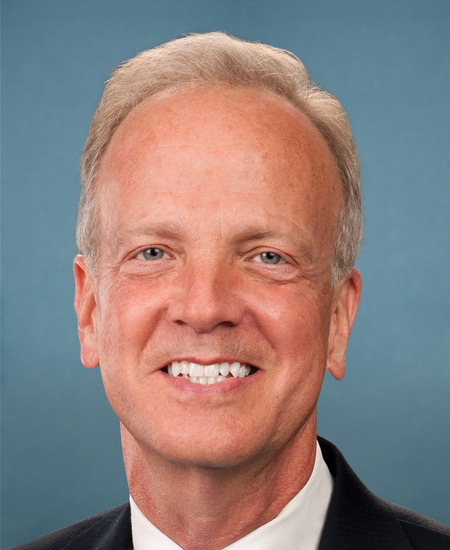
Jerry Moran
Jerry Moran Senate
R
Strong −
0% 8
Ashley Moody
Ashley Moody Senate
R
Strong −
10% 10
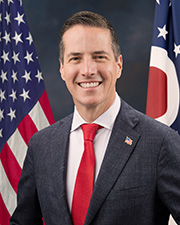
Bernie Moreno
Bernie Moreno Senate
R
Strong −
10% 10
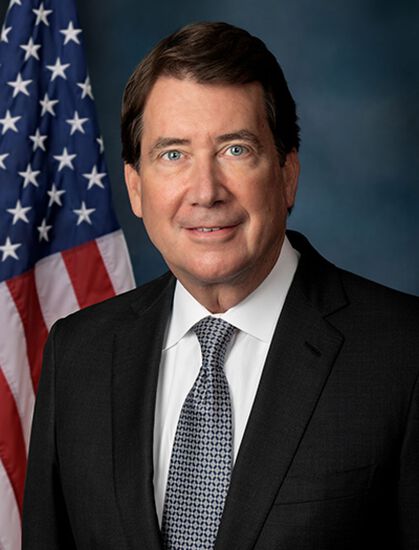
Bill Hagerty
Bill Hagerty Senate
R
Strong −
10% 10
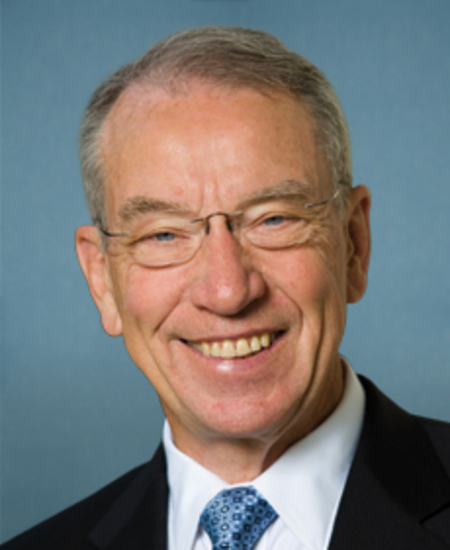
Chuck Grassley
Chuck Grassley Senate
R
Strong −
10% 10
Showing 111–120 of 282 bills

All healthcare bills

passed · United States · House Dec 18, 2025

HR 6703: Lower Health Care Premiums for All Americans Act

The Lower Health Care Premiums for All Americans Act (HR 6703) requires large health plans (with at least 100 average participants) and pharmacy benefit managers to submit detailed reports every six months on drug spending, rebates, and out-of-pocket costs. These reports include specific information on drug costs, rebates received, pricing structures, and spending patterns, making this information available to plan sponsors and participants. The bill also establishes new rules for association health plans and health reimbursement arrangements to expand affordable coverage options for workers and self-employed individuals. The primary goal of these reporting requirements is to increase transparency around health care costs, allowing consumers and employers to make more informed decisions about health coverage. The bill does not directly set or reduce premiums but provides data that could inform future premium negotiations and decisions.
in committee · United States · House Nov 20, 2025

HR 6178: Increasing Access to Lung Cancer Screening Act

Increasing Access to Lung Cancer Screening Act This bill provides for coverage without prior authorization requirements of annual lung cancer screenings under Medicaid, Medicare, and private health insurance for individuals for whom screenings are recommended under U.S. Preventive Services Task Force guidelines. It also expands Medicaid coverage of counseling and pharmacotherapy for cessation of tobacco use to all individuals, rather than only pregnant women. The Department of Health and Human Services must conduct outreach on the importance of lung cancer screenings and who should be screened, and the Government Accountability Office must report on the demographics of those diagnosed with lung cancer and recommend ways the federal government can improve screenings.
in committee · United States · House Apr 29, 2025

HR 3069: Medicare for All Act

Medicare for All Act This bill establishes a national health insurance program that is administered by the Department of Health and Human Services (HHS). Among other requirements, the program must (1) cover all U.S. residents; (2) provide for automatic enrollment of individuals upon birth or residency in the United States; and (3) cover items and services that are medically necessary or appropriate to maintain health or to diagnose, treat, or rehabilitate a health condition, including hospital services, prescription drugs, mental health and substance abuse treatment, dental and vision services, long-term care, gender affirming care, and reproductive care, including contraception and abortions. The bill prohibits cost-sharing (e.g., deductibles, coinsurance, and copayments) and other charges for covered services. Additionally, private health insurers and employers may only offer coverage that is supplemental to, and not duplicative of, benefits provided under the program. Health insurance exchanges and specified federal health programs terminate upon program implementation. However, the program does not affect coverage provided through the Department of Veterans Affairs or the Indian Health Service. The bill also establishes a series of implementing provisions relating to (1) health care provider participation; (2) HHS administration; and (3) payments and costs, including the requirement that HHS negotiate prices for prescription drugs. Individuals who are age 18 or younger, age 55 or older, or already enrolled in Medicare may enroll in the program starting one year after enactment of this bill; other individuals may buy into the program at this time. The program must be fully implemented two years after enactment.
in committee · United States · Senate Jul 24, 2025

S 2448: Health Care Fairness for Military Families Act of 2025

This bill expands health coverage access for military families by modifying the TRICARE Young Adult Program. It directly affects military service members' children aged 21-26 who previously faced eligibility restrictions or separate fees. Key changes include removing a prior age limit that excluded some young adults and eliminating a separate premium for this coverage. The result is simplified access to health care under TRICARE without additional costs for qualifying dependents. These updates apply to existing TRICARE benefits, not new programs.
Sub-Topics Insurance
in committee · United States · House Feb 12, 2026

HR 7566: Federal Jobs Guarantee Development Act of 2026

HR 7566 establishes a federal pilot program to provide competitive grants for job guarantee programs in high-unemployment areas. Eligible entities (like states, tribes, or rural communities with unemployment at least 150% of the national rate) must offer jobs to all adults (18+) residing in their area, with wages meeting or exceeding prevailing rates, health insurance comparable to federal benefits, and paid family/sick leave. The program requires supportive services (childcare, training), prohibits displacing existing workers, and mandates annual audits. It runs for up to 3 years in 15 pilot sites, with evaluations tracking impacts on employment, poverty, and environmental outcomes.
Sub-Topics Insurance Unemployment
in committee · United States · House Mar 18, 2025

HR 2199: Restore Protections for Dialysis Patients Act

This bill (HR 2199) prevents private health insurance plans from discriminating against patients with end-stage kidney disease (ESRD) who require dialysis. It amends the Social Security Act to prohibit plans from treating dialysis coverage differently than other medical services or applying network restrictions that disproportionately harm ESRD patients. The law clarifies that plans cannot deny or limit benefits for dialysis based on a patient’s diagnosis, while preserving a plan’s right to choose which dialysis providers are in their network. It directly affects ESRD patients and their private health insurance coverage, ensuring dialysis is treated equally with other covered medical services. The bill does not require plans to include specific dialysis providers but stops them from unfairly restricting access to necessary care.
Sub-Topics Insurance Medicare
in committee · United States · House Dec 11, 2025

HR 6682: Endometriosis CARE Act

HR 6682, the Endometriosis CARE Act, requires federal agencies to advance research, improve treatment access, and increase awareness for people with endometriosis - a chronic condition causing pelvic pain and fertility challenges affecting an estimated 10% of reproductive-age individuals. The bill mandates $50 million annually for NIH research on endometriosis treatments and cures, directs HHS to analyze barriers like insurance coverage and provider shortages in accessing care, and funds public education campaigns targeting underserved racial, ethnic, and minority groups. It also requires HHS to develop provider training materials on diagnosis and care, and to commission a National Academies study on disparities in endometriosis treatment across race, geography, and insurance status. The legislation focuses on data collection, education, and research rather than altering existing insurance coverage or treatment protocols.
in committee · United States · House Apr 10, 2025

HR 2810: Family Cord Blood Banking Act

HR 2810, the Family Cord Blood Banking Act, allows individuals to deduct payments for private umbilical cord blood or tissue banking as medical expenses on their federal taxes. It directly affects people who pay for these private banking services through accredited providers meeting specific federal safety standards. The bill amends the tax code to add private cord banking services as a qualifying medical expense, effective for tax years starting after December 31, 2024. This change simplifies tax treatment for those using private cord banking without altering insurance coverage or public banking access.
Sub-Topics Insurance
in committee · United States · House Dec 5, 2025

HR 6494: Territories Health Equity Act of 2025

Territories Health Equity Act of 2025 This bill alters provisions relating to the treatment of U.S. territories under Medicaid, Medicare, and Medicare Advantage. For example, the bill eliminates Medicaid funding limitations for U.S. territories beginning in FY2026, exempts an individual from late-enrollment penalties for Medicare medical services if the individual resided in Puerto Rico as of the date of eligibility and the individual enrolls within five years of such date, and establishes minimum criteria for certain elements used in Medicare Advantage payment calculations for areas within U.S. territories. The bill also allows residents of U.S. territories who are unable to obtain health insurance through their employer or a health insurance exchange to instead obtain coverage that is at least as broad as the coverage available to Members of Congress and their staff through the District of Columbia exchange.
in committee · United States · House Jul 23, 2025

HR 4710: No Surprises Act Enforcement Act

HR 4710, the No Surprises Act Enforcement Act, increases penalties for health insurance plans and issuers that violate balance billing protections, which prevent surprise medical bills. The bill raises fines from $100 to $10,000 per violation for specific balance billing rule violations and adds a new penalty of three times the difference between initial payment and out-of-network rates for late payments after Independent Dispute Resolution decisions. It requires health plans and nonparticipating providers to make timely payments within 30 days of a payment determination, with interest accruing on late payments. The bill also establishes new transparency reporting requirements for the Secretary to submit regular reports to Congress about audits, enforcement actions, and penalties. These provisions directly affect health insurance issuers, group health plans, and nonparticipating healthcare providers.
Sub-Topics Insurance
Showing 111 to 120 of 282 bills
Previous 1 … 11 12 13 … 29 Next