Issue · Healthcare

Healthcare

Every healthcare bill, vote, and legislator stance in United States, automatically classified by Maddy, our AI policy reader.

Total bills
2,988
119th Congress
Top supporter
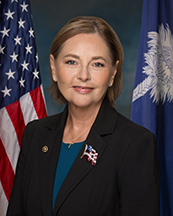
Darline Graham
82% support rate
Top opponent
Rick Scott
19% support rate
Ranked legislators
10
5 support · 5 oppose
Key legislators

Who's moving healthcare in United States

Legislators moving healthcare in United States
Legislator Party Stance Support rate Decisive votes
Darline Graham
Darline Graham Senate
R
Strong +
82% 11
Peter Welch
Peter Welch Senate
D
Strong +
81% 27
Ron Wyden
Ron Wyden Senate
D
Support
78% 27
Alex Padilla
Alex Padilla Senate
D
Support
77% 26
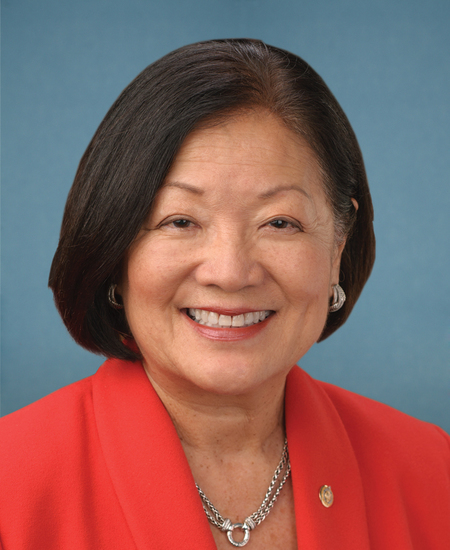
Mazie K. Hirono
Mazie K. Hirono Senate
D
Support
74% 27
Rick Scott
Rick Scott Senate
R
Strong −
19% 27
Ashley Moody
Ashley Moody Senate
R
Oppose
22% 27
Rand Paul
Rand Paul Senate
R
Oppose
22% 27
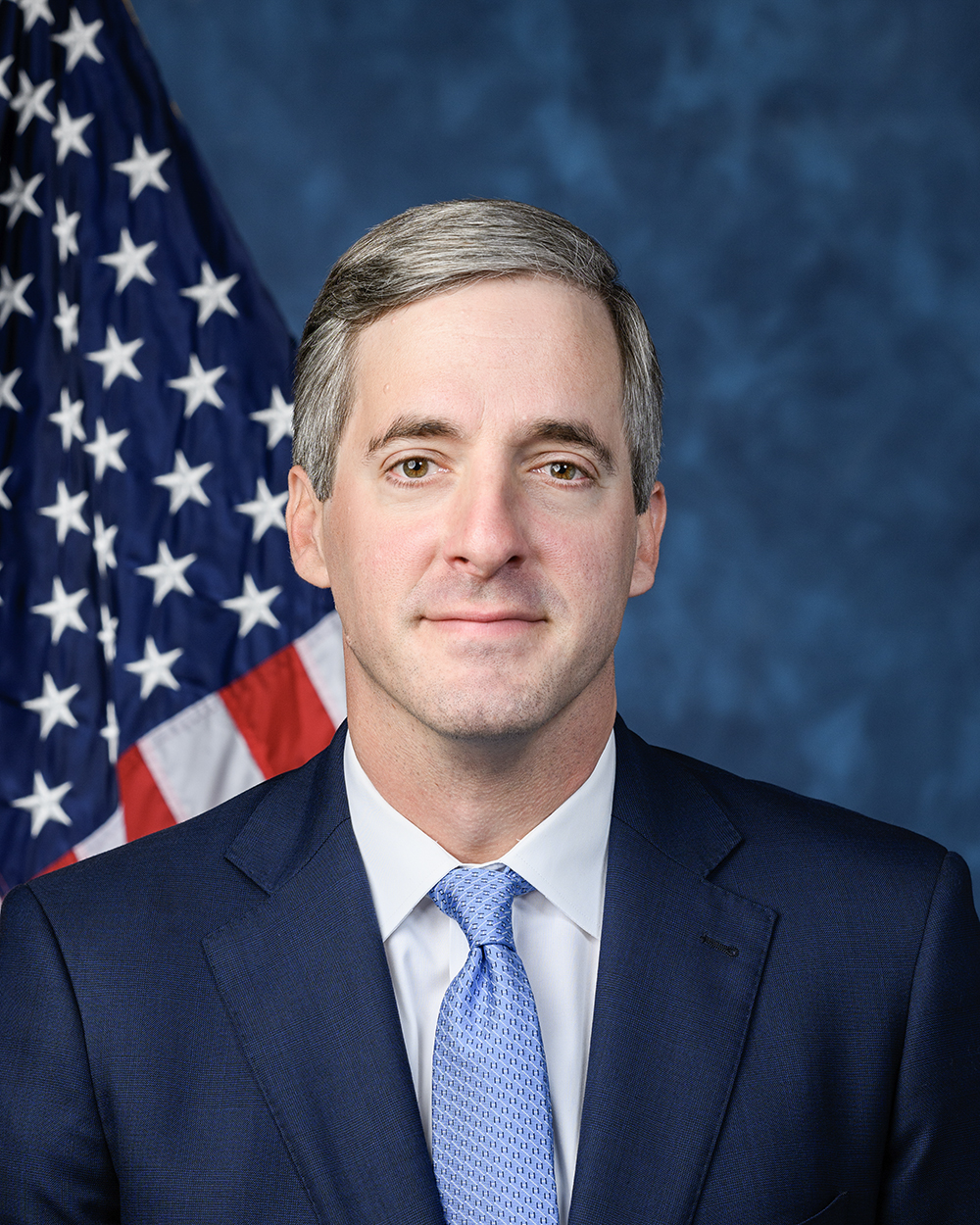
Brad Knott
Brad Knott House · District 13
R
Oppose
28% 18
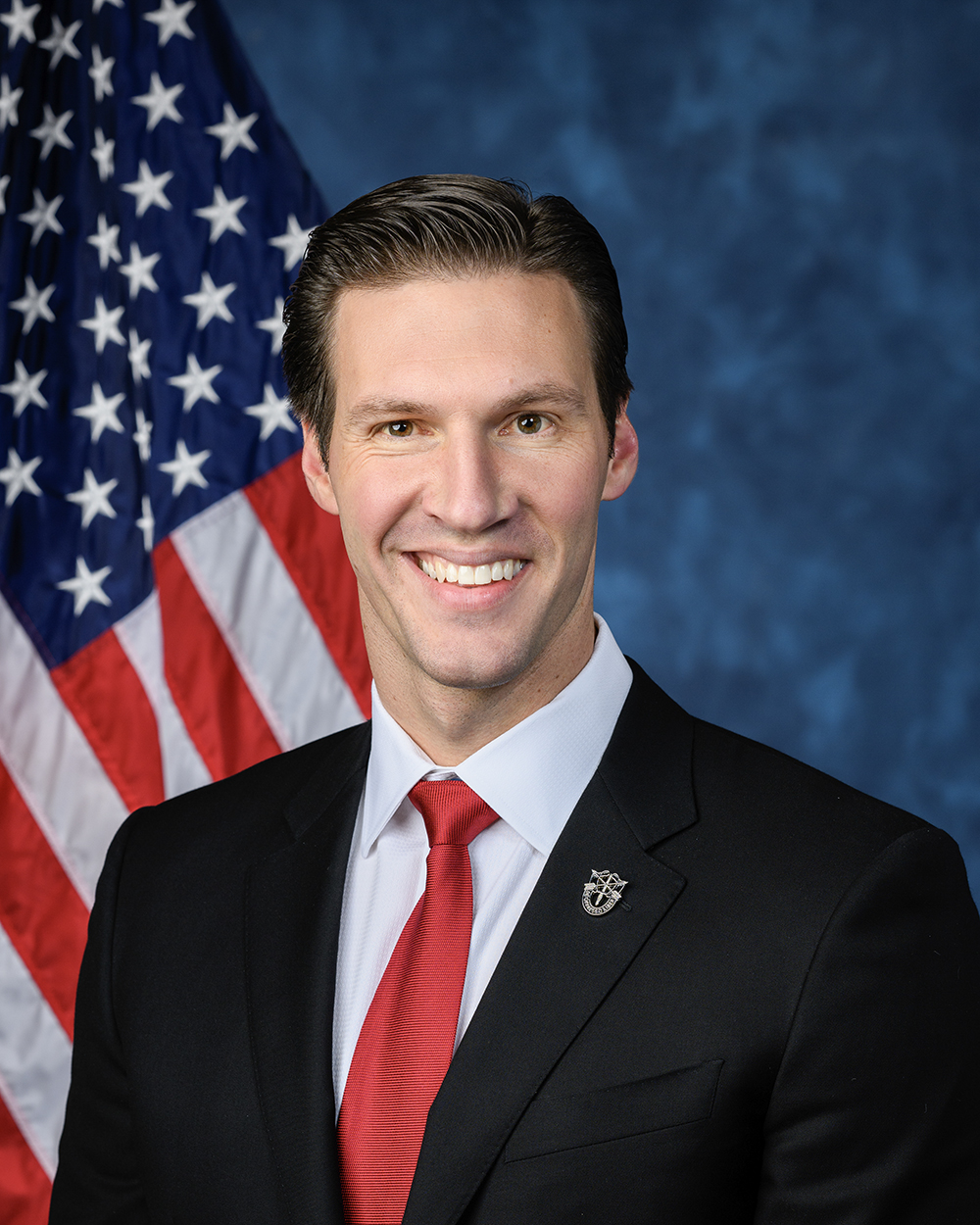
Pat Harrigan
Pat Harrigan House · District 10
R
Oppose
28% 18
Showing 1,101–1,110 of 2,988 bills

All healthcare bills

in committee · United States · House Dec 3, 2025

HR 6384: Defense Health Agency Prevention Services Enhancement Act

HR 6384, the Defense Health Agency Prevention Services Enhancement Act, requires the Secretary of Defense to provide a briefing to the House Armed Services Committee within 180 days of enactment. This briefing must assess the feasibility, cost, and current efforts related to consolidating military prevention services - such as sexual assault, suicide, harassment, and domestic violence prevention - into single facilities at each U.S. military installation. The bill does not change existing services but mandates a study to evaluate potential consolidation. It directly affects military installations and the prevention programs serving service members and their dependents.
in committee · United States · House Jul 15, 2025

HR 4396: Uterine Cancer Study Act of 2025

HR 4396, the Uterine Cancer Study Act of 2025, mandates a study by the Department of Health and Human Services (HHS) into the potential link between chemical hair straighteners and uterine cancer, with a specific focus on higher incidence rates among women of color. The study will review existing research, examine impacts across all racial and ethnic groups, analyze different hair straightener types (including those with dyes or bleach), and assess whether the FDA should require additional safety testing for these products. HHS must submit its study methodology within 45 days of the bill's enactment, begin the study within 180 days, and deliver a final report to Congress within two years. This bill does not create new regulations but directs a specific research effort to gather evidence on a potential health concern. The study directly affects women, particularly women of color, who use hair straightening products and may face elevated uterine cancer risks.
in committee · United States · House Apr 8, 2025

HR 2707: Protecting American Families and Servicemembers from Anthrax Act

This bill requires the Secretaries of Health and Human Services and Defense to develop a 10-year strategy within 180 days of enactment to maintain stockpiles of anthrax countermeasures (like treatments and vaccines) in the Strategic National Stockpile and for military personnel and families on U.S. bases. It mandates annual reports to Congress detailing anthrax threats from foreign adversaries and terrorist groups, government programs addressing these threats, and efforts to ensure countermeasures are available for military dependents abroad. The strategy must prioritize sustainable cooperation with manufacturers and address multidrug-resistant strains. The bill directly affects military personnel, their families, and civilians on military installations by strengthening anthrax defense capabilities.
in committee · United States · Senate Sep 18, 2025

S 2856: Wildfire Smoke Relief Act

S 2856, the Wildfire Smoke Relief Act, provides direct assistance to vulnerable individuals exposed to prolonged wildfire smoke. It defines "individuals at risk" as low-income people, parents with young children, seniors, pregnant women, and those with chronic respiratory/cardiovascular conditions living in areas with unhealthy air quality for 3+ consecutive days due to wildfires. The bill requires FEMA to fund qualified entities (like states or health authorities) to provide smoke-inhalation prevention equipment - including portable air filters, N95 masks, and home sealing items like weather strips - and offer temporary shelter when equipment alone is insufficient. This program targets concrete, immediate health protection during wildfire events.
in committee · United States · House Dec 18, 2025

HR 6880: Honoring Family-Friendly Workplaces Act

This bill establishes a voluntary federal certification program recognizing employers that meet specific family-friendly workplace standards. To qualify, employers must offer paid family leave (at least 12 weeks annually for reasons like childbirth, adoption, or caring for sick family members), paid sick days separate from other leave, fertility/adoption assistance, child care subsidies, flexible scheduling after parental leave, remote work options when feasible, and lactation support. The program, administered by the Secretary of Labor, would certify employers demonstrating these policies through a submitted application. The certification aims to publicly recognize companies supporting employees in balancing work and family responsibilities.
in committee · United States · House Oct 21, 2025

HR 3483: FRAUD Act of 2025

The FRAUD Act of 2025 requires the Department of Veterans Affairs (VA) to implement an information technology system to detect fraud, waste, and abuse in healthcare claims submitted under the Veterans Community Care Program. This system must continuously monitor claims from healthcare providers (including those outside the Community Care Network), analyze historical and real-time data to identify fraudulent patterns, and perform post-payment reviews to flag unnecessary costs. The VA must fund this system using existing franchise funds and submit annual reports to Congress on its effectiveness and savings, with the requirement ending seven years after the law's enactment. The bill directly affects VA claims processing, healthcare providers submitting claims, and veterans whose benefits are protected from fraudulent claims.
Sub-Topics Veteran Healthcare
in committee · United States · House Nov 18, 2025

HR 6096: NEST Act

The NEST Act (HR 6096) requires the federal government to provide newborn supply kits to new mothers, focusing on low-income families and communities with high maternal health risks. These kits include essential items like diapers, postpartum pads, breastfeeding supplies, blood pressure monitors, and health information resources. Funds for the kits come from a $5 million annual set-aside in Social Security Act funding, distributed through grants to community health centers, tribal organizations, and hospitals. Priority is given to rural areas, maternity care deserts, and mothers earning below 185% of the poverty line. The program mandates annual reporting on distribution demographics and health outcomes to Congress.
Sub-Topics Women's Health
in committee · United States · House Feb 21, 2025

HR 1466: Cardiac Arrest Survival Act of 2025

HR 1466, the Cardiac Arrest Survival Act of 2025, creates uniform federal liability protection for individuals and entities involved with automated external defibrillators (AEDs) used in cardiac emergencies. It directly affects businesses, public venues, and organizations that own, manage, or use AEDs - especially those operating across multiple states where inconsistent state laws previously discouraged AED deployment. The bill shields users, property owners/managers, and AED owners from civil lawsuits for harm caused during emergency AED use, unless the harm resulted from gross negligence or willful misconduct. This preempts conflicting state laws, removing legal barriers to wider AED placement without requiring any new AED installations.
in committee · United States · House Apr 17, 2025

HRES 335: Supporting the designation of the week of April 21 through April 25, 2025, as "National Home Visiting Week".

This resolution (HRES 335) is a symbolic gesture by the House of Representatives to recognize existing home visiting programs. It supports designating the week of April 21-25, 2025, as "National Home Visiting Week" to highlight the work of these programs. The resolution cites statistics showing these programs served over 139,000 parents and children in 2023, emphasizing their role in promoting child development and family well-being. It does not create new policy or funding but aims to raise awareness about established community services that assist families with young children.
Tags Families
in committee · United States · Senate Jul 8, 2025

S 2211: Special Diabetes Program Reauthorization Act of 2025

This bill reauthorizes two existing federal diabetes programs through 2027. It provides $160 million annually for fiscal years 2026 and 2027 for the Special Diabetes Program for Type I Diabetes (serving people with Type I diabetes) and the Special Diabetes Program for Indians (serving Native American communities through Indian Health Services). A final $40 million is allocated for October-December 2027 for both programs, with all funds remaining available until expended. The bill extends current funding levels without changing program eligibility or structure.
Showing 1,101 to 1,110 of 2,988 bills