Issue · Healthcare

Healthcare (Women's Health)

Every healthcare bill, vote, and legislator stance in United States, automatically classified by Maddy, our AI policy reader.

Total bills
223
119th Congress
Top supporter
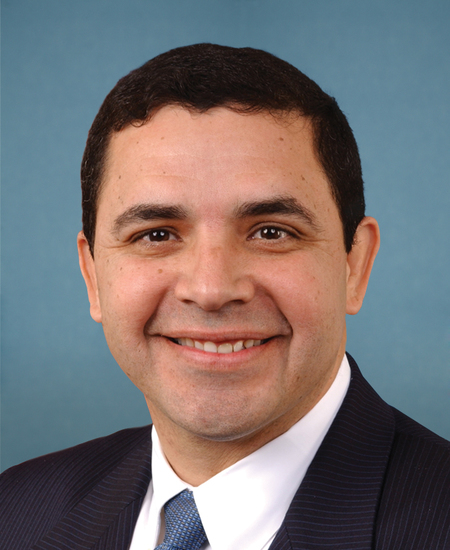
Henry Cuellar
100% support rate
Top opponent
John Garamendi
33% support rate
Ranked legislators
6
5 support · 1 oppose
Key legislators

Who's moving women's health in United States

Legislators moving women's health in United States
Legislator Party Stance Support rate Decisive votes
Henry Cuellar
Henry Cuellar House · District 28
D
Strong +
100% 4
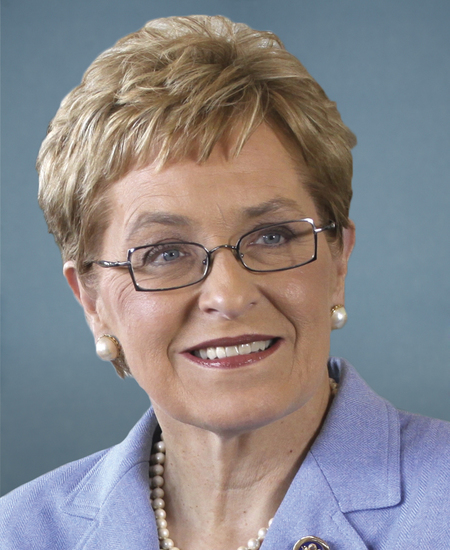
Marcy Kaptur
Marcy Kaptur House · District 9
D
Support
67% 3
Mike Haridopolos
Mike Haridopolos House · District 8
R
Support
67% 3
Aaron Bean
Aaron Bean House · District 4
R
Mixed
50% 4
Abraham J. Hamadeh
Abraham J. Hamadeh House · District 8
R
Mixed
50% 4
John Garamendi
John Garamendi House · District 8
D
Oppose
33% 3
Showing 101–110 of 223 bills

All healthcare bills

in committee · United States · House Mar 17, 2026

HRES 1120: Supporting the recognition of March 14, 2026, as "Black Midwives Day" and the longstanding and invaluable contributions of Black midwives to maternal and infant health in the United States.

This resolution supports recognizing March 14, 2026, as Black Midwives Day to honor the contributions of Black midwives to maternal and infant health. It highlights the importance of midwifery in addressing maternal health disparities and the maternity care desert crisis affecting millions of women. The resolution calls for federal and state governments to take actions such as increasing funding for midwifery education, removing regulatory barriers, and expanding insurance coverage for midwifely care. It also encourages efforts to decriminalize midwifery practices and promote culturally competent care to improve health outcomes for Black mothers and infants.
in committee · United States · Senate Jul 28, 2026

S 380: Rural Obstetrics Readiness Act

S 380, the Rural Obstetrics Readiness Act, creates a federal program to improve emergency obstetric care in rural health facilities without dedicated obstetric units. It establishes evidence-based training for non-obstetric providers to handle childbirth emergencies (like hemorrhage or severe hypertension), funds equipment purchases, and launches a telehealth pilot for rapid specialist consultations. The bill authorizes $5 million for training (2026-2028), $15 million for equipment and workforce support (2026-2029), and $5 million for teleconsultation (2026-2029). It directly affects rural hospitals and clinics in maternity care shortage areas, requiring them to coordinate with maternal health programs and develop emergency protocols. A separate study will map maternity ward closures and regional care patterns, reporting to Congress within three years.
passed · United States · House Jan 26, 2026

HR 6359: Pregnant Students’ Rights Act

This bill requires colleges receiving federal student aid to provide clear information about pregnancy-related accommodations and resources to all students annually. It mandates institutions to send emails to enrolled students each academic year, include details in student handbooks and orientations, and display the information at health centers and on websites. The disclosure must cover campus/community resources for pregnant students, available accommodations, and how to file complaints under Title IX regarding pregnancy discrimination. The bill does not create new rights but ensures existing protections and resources are communicated to students. It directly affects all participating colleges and pregnant students enrolled in higher education programs.
in committee · United States · House Jan 31, 2025

HR 846: SAD Act

Stop Antiabortion Disinformation Act or the SAD Act This bill prohibits deceptive advertising for reproductive health services. Specifically, the bill makes it unlawful for a person (i.e., individual, partnership, corporation, association, or organization) to deceptively advertise the reproductive health services they offer, including by misrepresenting that the person (1) offers or provides contraception or abortion services (or referrals for such contraception or abortion services), or (2) employs or offers access to licensed medical personnel. The bill provides for enforcement by the Federal Trade Commission. In addition to any other penalty, violations are subject to a civil penalty that may not exceed the greater of $100,000 (adjusted annually for inflation) or 50% of the revenue earned during the preceding 12-month period by the ultimate parent entity of the person who violated the bill.
Sub-Topics Women's Health
in committee · United States · House Feb 11, 2025

HR 219: Improving Menopause Care for Veterans Act of 2025

This bill requires the Comptroller General to study and report on menopause care provided by the Department of Veterans Affairs (VA) to women veterans experiencing perimenopause, menopause, or genitourinary syndrome of menopause. The study will examine current VA protocols for diagnosis, treatment, provider training, veteran access to care, outreach efforts, and quality of care, including veteran feedback. The VA Secretary must then develop a strategic plan within six months of the report's release to improve menopause care access and quality for women veterans under VA healthcare programs.
in committee · United States · House Oct 3, 2025

HR 3302: Healthy Start Reauthorization Act of 2025

This bill reauthorizes funding for the Healthy Start Initiative, which provides maternal and infant health services to at-risk communities. It specifies $145 million annually for fiscal years 2026 through 2030 to support existing Healthy Start programs. The bill modifies the funding language in the Public Health Service Act to continue these services without changing program requirements. It directly affects local health organizations operating under the Healthy Start Initiative.
in committee · United States · House Apr 8, 2025

HR 2732: Fairness for Stay-at-Home Parents Act

This bill amends the Family and Medical Leave Act (FMLA) to explicitly include "the birth of a son or daughter" as a qualifying reason for leave. It directly affects employees taking leave for childbirth, ensuring they cannot be penalized for not returning to work after such leave. The key provision requires employers to notify eligible employees that they cannot recover health insurance premiums paid during the leave if the employee does not return due to the birth. This change clarifies protections for parents using FMLA for childbirth-related leave.
in committee · United States · House Mar 11, 2025

HR 2029: Stop Comstock Act

HR 2029, the "Stop Comstock Act," amends federal obscenity laws to remove outdated restrictions on abortion and contraception. It deletes references to "indecent" materials and abortion-related language from Title 18 (e.g., removing "or means for procuring abortion" from section 552 and revising definitions in sections 1461 and 1462). The bill clarifies that federal law does not prohibit the distribution of materials related to abortion or contraceptives, updating how "obscene" is defined. These changes directly affect federal enforcement of obscenity laws, particularly regarding medical information and devices. The bill focuses on modernizing statutory language to align with current legal standards for protected speech and healthcare access.
Sub-Topics Women's Health
in committee · United States · House Jan 23, 2025

HR 688: Standing with Moms Act

HR 688, the Standing with Moms Act, requires the U.S. Department of Health and Human Services (HHS) to create a federal website (life.gov) and an interactive portal within one year of enactment. The portal would provide pregnant women with tailored, location-specific information on health services, financial assistance, mental health support, alternatives to abortion, abortion risks, and child development resources. It mandates that states submit resource recommendations meeting specific criteria (e.g., non-abortion providers with 3+ years of service), excludes abortion providers from the listings, and includes multilingual access. HHS must also report to Congress on website usage, user feedback, and gaps in services within 180 days of launch.
in committee · United States · House Sep 16, 2025

HR 5406: Opportunities to Support Mothers and Deliver Children Act

This bill creates federal grants to fund 3-year demonstration projects that train low-income individuals (under 138% of the federal poverty level) to become doulas or midwives. It requires states to already recognize and permit these professionals to practice, and applicants must partner with entities like workforce boards, hospitals, or community organizations. The $10 million appropriation for fiscal year 2026 will support programs focused on accessible career pathways with high training standards, fair wages, and health benefits. Projects must include rigorous evaluations to identify effective models for building this workforce, particularly for underserved communities.
Showing 101 to 110 of 223 bills
Previous 1 … 10 11 12 … 23 Next