Issue · Healthcare

Healthcare (Women's Health)

Every healthcare bill, vote, and legislator stance in United States, automatically classified by Maddy, our AI policy reader.

Total bills
302
119th Congress
Top supporter
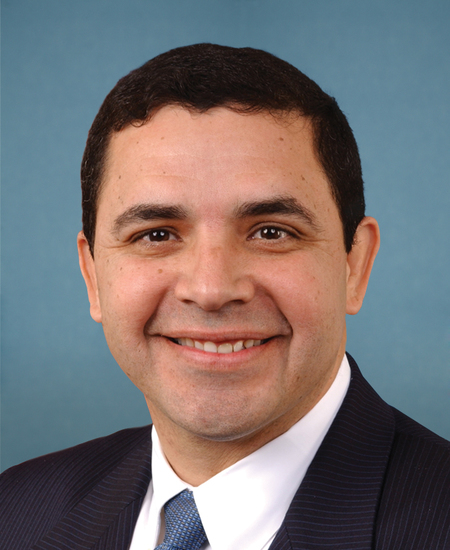
Henry Cuellar
100% support rate
Top opponent
John Garamendi
33% support rate
Ranked legislators
6
5 support · 1 oppose
Key legislators

Who's moving women's health in United States

Legislators moving women's health in United States
Legislator Party Stance Support rate Decisive votes
Henry Cuellar
Henry Cuellar House · District 28
D
Strong +
100% 4
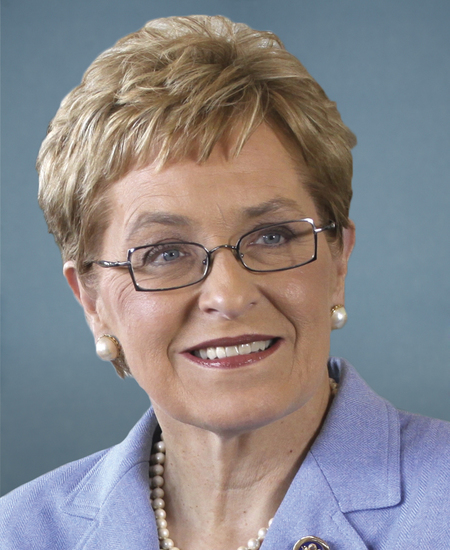
Marcy Kaptur
Marcy Kaptur House · District 9
D
Support
67% 3
Mike Haridopolos
Mike Haridopolos House · District 8
R
Support
67% 3
Aaron Bean
Aaron Bean House · District 4
R
Mixed
50% 4
Abraham J. Hamadeh
Abraham J. Hamadeh House · District 8
R
Mixed
50% 4
John Garamendi
John Garamendi House · District 8
D
Oppose
33% 3
Showing 91–100 of 302 bills

All healthcare bills

in committee · United States · Senate Mar 26, 2026

S 4242: Supporting Pregnant and Parenting Women and Families Act

This bill amends the Social Security Act to allow states to use federal grants to support pregnancy centers. It defines pregnancy centers as organizations that protect the lives of mothers and unborn children while offering services like counseling, education, and material support to families. The change removes previous restrictions that prevented states from using these funds for such centers. The legislation directly affects state governments managing federal grants and the organizations that provide pregnancy-related resources.
Sub-Topics Women's Health
in committee · United States · House Mar 25, 2026

HR 8084: Access to LARCs Act

This bill directs the Secretary of Health and Human Services to conduct a study on access to multiple contraceptive methods at community health centers located in health care deserts. The study will examine barriers such as reimbursement, inventory stocking, provider training, and patient education, and will identify which centers receive funding under the Public Health Service Act. Within 180 days of enactment, the Secretary must submit a report to Congress detailing the study findings. The bill defines key terms including "women in need," "health care desert," and "range of contraceptive methods" to ensure clarity in the study's scope.
in committee · United States · House Mar 25, 2026

HR 8083: Allowing Greater Access to Safe and Effective Contraception Act

This bill would allow certain oral contraceptive drugs to be sold over-the-counter to adults aged 18 and older by requiring the FDA to prioritize their review and waive associated application fees. It specifically excludes emergency contraceptives and drugs also approved for induced abortion from these provisions. The legislation also directs the Government Accountability Office to study how federal programs fund contraception over the past 15 years, covering Medicare, Medicaid, and other health services.
in committee · United States · House Mar 19, 2026

HR 8024: Maternal Vaccination Act

The Maternal Vaccination Act directs federal funding to expand a public health campaign focused on increasing vaccination rates among pregnant and postpartum individuals and their children. It modifies existing laws to include these groups in awareness efforts and specifically targets racial and ethnic minority communities to address equity gaps. The bill also adjusts the funding timeline and amount for the campaign, increasing the annual allocation from $15 million to $17 million for fiscal years 2027 through 2031. These changes aim to improve maternal and child health outcomes by ensuring broader access to vaccination information and resources.
in committee · United States · House Apr 9, 2026

HRES 1163: Supporting the recognition of a "Day of Remembrance and Commitment to Maternal Health Equity", honoring the life of Kira Johnson, and commending 4Kira4Moms for its unwavering dedication to improving maternal health in Atlanta, throughout Georgia, and across the United States, and for other purposes.

This resolution formally recognizes a Day of Remembrance and Commitment to Maternal Health Equity to honor Kira Johnson, a mother who died from preventable complications in 2016, and commends the organization 4Kira4Moms for its work improving maternal health outcomes. The document highlights 4Kira4Moms' advocacy for federal legislation aimed at reducing racial disparities in maternal care, including efforts to fund community organizations, train healthcare workers on bias reduction, and establish hospital compliance programs for respectful maternity care. It also acknowledges the organization's support for broader policy initiatives that address social determinants of health, data collection, and paternal engagement in maternal health. The resolution serves as a commemorative statement rather than a law, expressing support for ongoing efforts to address preventable maternal deaths in the United States.
in committee · United States · Senate Mar 11, 2026

S 4066: Safeguarding Women from Chemical Abortion Act

This bill would remove the federal approval for the drug mifepristone, which is used in combination with other medications to end pregnancies, and would make it illegal to distribute the drug for that purpose. It also creates a new federal lawsuit option allowing individuals to sue drug manufacturers for physical or mental harm they claim resulted from using mifepristone. The law would take effect 14 days after passing, with the new lawsuit provision becoming active 90 days after enactment.
Sub-Topics Women's Health
in committee · United States · House Mar 5, 2026

HR 7830: WELLS Act

This bill requires hospitals receiving Medicare funding to create discharge plans for pregnant patients who are expected to leave the hospital before delivery, ensuring they have safe transportation and access to backup care if needed. The discharge plans must include clinical justification for early discharge, assessment of travel logistics, identification of alternative delivery facilities, and confirmation that patients understand the information in their primary language. Additionally, the bill expands rural maternal health training grants to include racial bias training, establishes performance milestones for grant recipients, and creates a new initiative to evaluate different training models for healthcare professionals. The legislation also mandates the development of a public dashboard tracking maternal health outcomes and federal investments in maternal health research.
in committee · United States · House Mar 30, 2026

HR 8159: Gynecologic Pain Management Study Act

This bill directs the Secretary of Health and Human Services to conduct a study on barriers that prevent patients from accessing pain management during gynecologic procedures. The study will examine factors such as insurance coverage, provider training, and resource availability, and will include input from patients, medical professionals, and health equity experts. Within 24 months of enactment, the Secretary must submit a report with findings and recommendations to relevant congressional committees. The bill does not change current laws or funding but establishes a research requirement to inform future policy decisions.
in committee · United States · Senate Mar 25, 2026

SCONRES 31: A concurrent resolution recognizing the duty of Congress to meet the needs of working women.

This concurrent resolution formally recognizes Congress's duty to protect the rights and economic security of working women in the United States. It highlights concerns about wage gaps, workplace discrimination, and recent policy changes that the bill's sponsors claim have disproportionately harmed women in the workforce. The document calls for federal action to ensure equal pay, workplace safety, access to healthcare, and the right to unionize, while affirming the importance of women's contributions to the economy. As a non-binding statement of principle, it does not create new laws but serves to express congressional intent and guide future legislative priorities.
in committee · United States · House Mar 30, 2026

HR 8158: Reproductive Healthcare Leave Act

This bill would create a federal paid leave program allowing employees to take up to 96 hours of paid time off each year for reproductive health needs, including menstrual care, endometriosis, fertility treatments, and pregnancy-related procedures. It applies to private employers with at least five employees and certain government workers, requiring employers to grant this leave upon request without requiring employees to find replacements during their absence. The legislation prohibits retaliation against employees who use this leave and establishes enforcement mechanisms through the Department of Labor, including civil penalties for violations. Employers with existing paid leave policies that already cover these reproductive health reasons would not need to provide additional leave under this bill.
Showing 91 to 100 of 302 bills
Previous 1 … 9 10 11 … 31 Next