Issue · Environment

Environment (Conservation · Agriculture)

Every environment bill, vote, and legislator stance in United States, automatically classified by Maddy, our AI policy reader.

Total bills
34
119th Congress
Top supporter
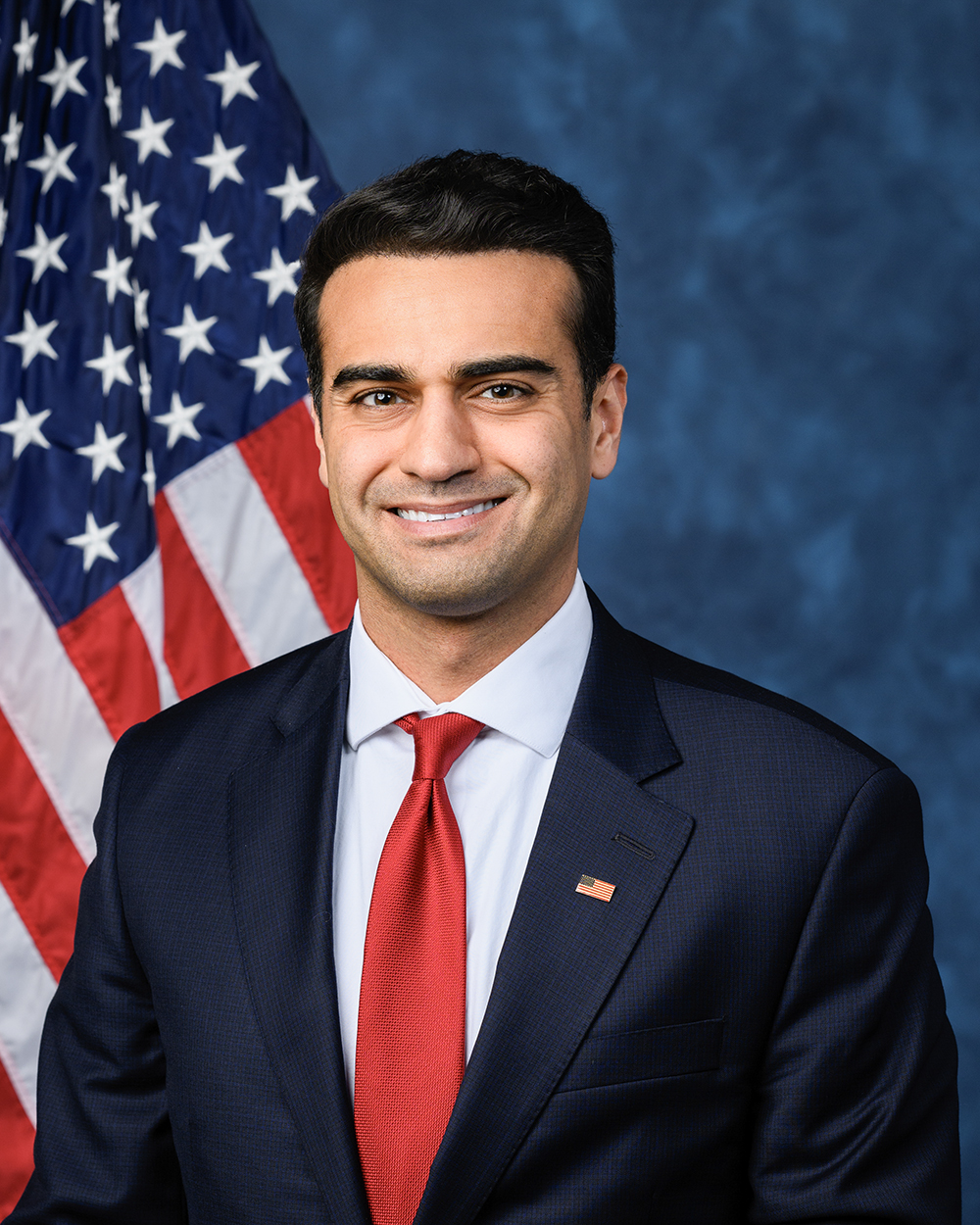
Marie Gluesenkamp Perez
89% support rate
Top opponent
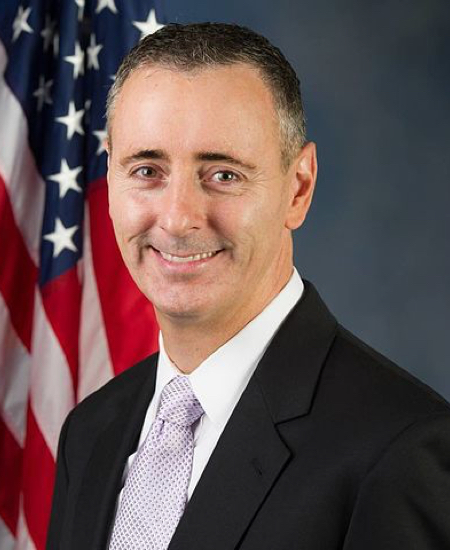
Brian K. Fitzpatrick
22% support rate
Ranked legislators
10
5 support · 5 oppose
Key legislators

Who's moving conservation · agriculture in United States

Legislators moving conservation in United States
Legislator Party Stance Support rate Votes
Marie Gluesenkamp Perez
Marie Gluesenkamp Perez House · District 3
D
Strong +
89% 9
Aaron Bean
Aaron Bean House · District 4
R
Support
78% 9
Abraham J. Hamadeh
Abraham J. Hamadeh House · District 8
R
Support
78% 9
Anna Paulina Luna
Anna Paulina Luna House · District 13
R
Support
78% 9
Ben Cline
Ben Cline House · District 6
R
Support
78% 9
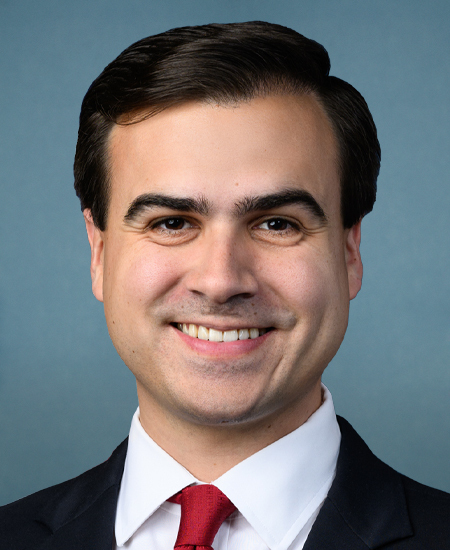
Brian K. Fitzpatrick
Brian K. Fitzpatrick House · District 1
R
Oppose
22% 9
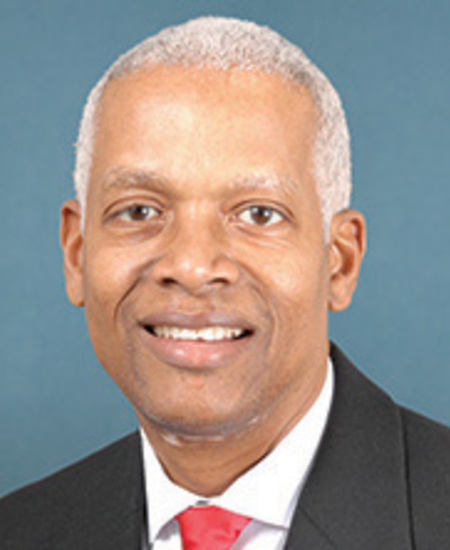
Henry C. "Hank" Johnson, Jr.
Henry C. "Hank" Johnson, Jr. House · District 4
D
Oppose
22% 9
Eleanor Holmes Norton
Eleanor Holmes Norton House · District At-Large
D
Oppose
29% 7
Pablo José Hernández
Pablo José Hernández House · District At-Large
D
Oppose
29% 7
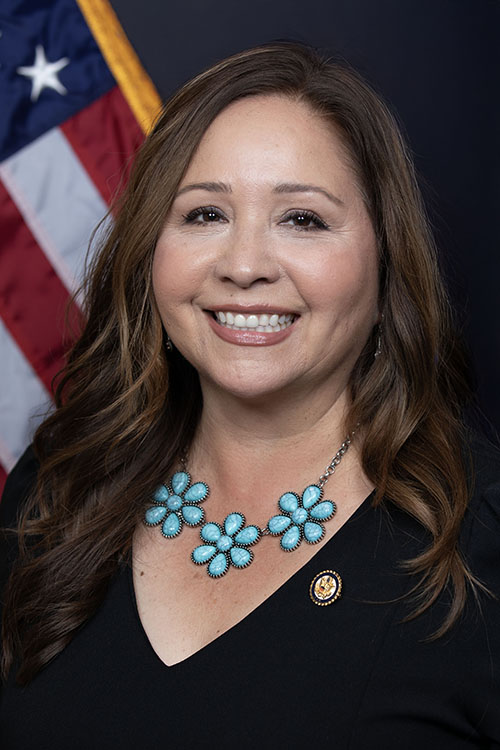
Adelita S. Grijalva
Adelita S. Grijalva House · District 7
D
Oppose
33% 9
Showing 1–10 of 34 bills

All environment bills

in committee · United States · Senate Aug 6, 2026

S 5277: RANCH Act

The RANCH Act establishes a program for the Secretary of Agriculture to enroll cropland that has been planted in at least four of the last six years, requiring its conversion to perennial grass and forb cover to support grazing. Landowners who enter into contracts lasting 10 to 15 years receive annual rental payments equal to 75 percent of the local average dryland cash rental rate, along with cost-sharing assistance for establishing vegetation. To participate, landowners must develop a site-specific grazing management plan within two years and are permitted to graze livestock, manage fire risks, and conduct emergency haying during declared droughts or natural disasters. The program prioritizes beginning farmers, wildlife habitat conservation, and highly erodible land, with a total enrollment cap of 20 million acres and an individual annual payment limit of $155,000.
Sub-Topics Conservation Public Lands Wildlife Tags Agriculture
in committee · United States · House Jun 30, 2026

HRES 1388: Recognizing the importance of pollinators to ecosystem health and agriculture in the United States and expressing support for "National Pollinator Week".

This resolution recognizes the vital role that pollinators, such as bees, butterflies, and birds, play in supporting U.S. agriculture and ecosystem health. It highlights that these creatures contribute over $18 billion annually to crop production while helping to maintain biodiversity and environmental stability. The bill formally expresses support for National Pollinator Week and encourages the public to participate in related conservation and educational activities. Additionally, it acknowledges the significant decline in certain pollinator populations due to habitat loss and disease, urging continued efforts to protect these species.
Sub-Topics Conservation Wildlife Tags Agriculture
in committee · United States · House Jun 30, 2026

HR 9217: Natural Climate Solutions Research and Extension Act of 2026

The Natural Climate Solutions Research and Extension Act of 2026 directs federal funding toward agricultural research and extension programs focused on natural climate solutions. This legislation specifically targets practices in farmlands, grasslands, wetlands, and forests that store carbon or lower greenhouse gas emissions. The bill requires these initiatives to incorporate traditional ecological knowledge, support biodiversity, and reduce water runoff. By amending an existing farm bill, the act aims to expand grant opportunities for land management strategies that address climate change.
Sub-Topics Climate Change Conservation Public Lands Tags Agriculture
in committee · United States · Senate Jun 9, 2026

S 4725: Natural Climate Solutions Research and Extension Act of 2026

The Natural Climate Solutions Research and Extension Act of 2026 directs federal funding toward studying and promoting land management practices that help store carbon or lower greenhouse gas emissions in agricultural lands, grasslands, wetlands, and forests. This legislation specifically supports projects that incorporate traditional ecological knowledge, enhance biodiversity, and reduce water runoff. By amending an existing agricultural law, the bill ensures that research grants prioritize these environmental benefits to improve climate resilience.
Sub-Topics Climate Change Conservation Public Lands Tags Agriculture
in committee · United States · House Apr 27, 2026

HR 8533: Farmer to Farmer Education Act of 2026

Farmer to Farmer Education Act of 2026 This bill expands the authority of the Department of Agriculture (USDA) to provide technical assistance for farmer-to-farmer networks. USDA must use annual appropriations provided for Natural Resources Conservation Service conservation operations to implement this program. A farmer-to-farmer network means any affiliation or association of farmers that share information, technical assistance, or any other type of mutually beneficial support. Under the bill, USDA may enter into cooperative agreements with eligible entities to (1) provide assistance to farmer-to-farmer networks to build network capacity, connect farmers with mentors or group learning opportunities, and support goal setting; (2) increase technical assistance for farmers, ranchers, and forest owners who use different farming models, practices, and scales; (3) establish and steward the networks; and (4) establish reporting requirements for these activities. Those eligible for the program include nonprofit entities, farmer-to-farmer networks, tribal entities, local governments, institutions of higher education, and states. USDA must prioritize agreements with entities that seek to meet the specific needs of certain farmers, ranchers, and forest owners who are historically underserved or operating in high-poverty areas. The bill also provides for subawards to plan and conduct events, as well as to identify and develop innovative activities, in order to increase farmer access to farmer-to-farmer assistance.
Sub-Topics Conservation Forestry Tags Agriculture
in committee · United States · House Mar 27, 2026

HRES 1144: Supporting recognition of 2026 as the "International Year of Rangelands and Pastoralists".

This resolution expresses support for the United Nations designation of 2026 as the International Year of Rangelands and Pastoralists. It recognizes the economic, social, and ecological importance of rangelands and the ranchers, farmers, and land managers who steward them. The measure encourages federal agencies, universities, and organizations to promote education, research, and outreach related to rangeland management during this designated year.
Sub-Topics Conservation Public Lands Tags Agriculture
in committee · United States · Senate Mar 12, 2026

S 4088: Agricultural Management Assistance Act of 2026

This bill, titled the Agricultural Management Assistance Act of 2026, amends the Federal Crop Insurance Act to expand education and risk management support for agricultural producers and crop insurance providers. It requires the inclusion of language translation services in educational programs and adds specific conservation practices like soil health improvements, sustainable water sources, and agroforestry to the list of eligible activities. The legislation also increases funding limits, raising the five-year payment cap to $200,000 and authorizing $20 million annually to support these expanded assistance programs.
Sub-Topics Conservation Tags Agriculture
in committee · United States · House Apr 3, 2026

HR 7947: Agricultural Management Assistance Act of 2026

This bill amends the Federal Crop Insurance Act to expand education and risk management assistance for agricultural producers, crop insurance providers, and other stakeholders. It requires the USDA to offer language translation services and update training programs to include diverse conservation practices like soil health improvements, sustainable water management, and agroforestry systems. The legislation increases funding limits, allowing producers to receive up to $200,000 over five years for these activities, while also authorizing $20 million annually in new appropriations. Additionally, it clarifies that payments for these programs do not count toward existing federal fund limits, ensuring producers can access multiple sources of support.
Sub-Topics Climate Change Conservation Tags Agriculture
in committee · United States · Senate Nov 20, 2025

S 3227: Protecting American Farmland Act

This bill prohibits federal funding for ground-mounted solar projects that convert prime farmland (defined as the most productive agricultural land under existing law) and excludes such projects from key tax credits like the residential clean energy credit (Section 25D), production tax credits (Sections 45, 45Y), and investment tax credits (Sections 48, 48E). It directly affects solar developers and property owners seeking to install solar facilities on prime farmland, blocking both federal financial support and tax incentives for these projects. The bill uses the existing definition of "prime farmland" from the Farmland Protection Policy Act to prevent agricultural land from being repurposed for solar energy generation. Its core mechanism is a dual restriction: no federal funds for covered projects and exclusion from tax credits for solar installations on protected farmland.
Sub-Topics Renewable Energy Solar Conservation Tags Agriculture
in committee · United States · Senate Jul 31, 2025

S 2608: CRP Improvement and Flexibility Act of 2025

This bill amends the Conservation Reserve Program (CRP) to increase flexibility for farmers and ranchers. It creates continuous enrollment for wildlife habitat practices, allows emergency haying during droughts/floods under specific conditions (like D2 drought designation), expands cost-sharing for grazing infrastructure (fencing, water systems), and raises the rental payment limit from $50,000 to $125,000 per year. These changes directly affect CRP participants managing land for conservation, wildlife, and grazing. The bill focuses on practical adjustments to program rules without altering core conservation goals.
Sub-Topics Conservation Forestry Public Lands Tags Agriculture
Showing 1 to 10 of 34 bills
1 2 3 4 Next