Issue · Environment

Environment

Every environment bill, vote, and legislator stance in United States, automatically classified by Maddy, our AI policy reader.

Total bills
1,501
119th Congress
Top supporter
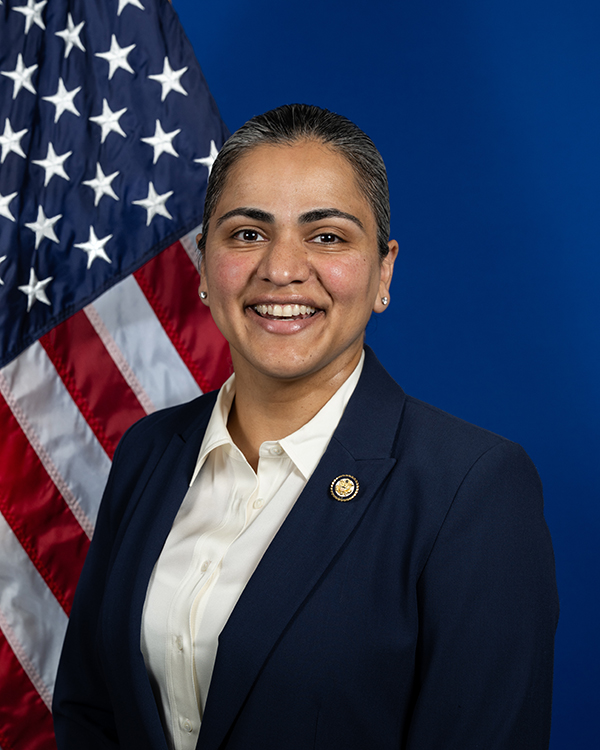
Aisha Wahab
100% support rate
Top opponent
Marsha Blackburn
11% support rate
Ranked legislators
10
5 support · 5 oppose
Key legislators

Who's moving environment in United States

Legislators moving environment in United States
Legislator Party Stance Support rate Decisive votes
Aisha Wahab
Aisha Wahab House · District 14
D
Strong +
100% 7
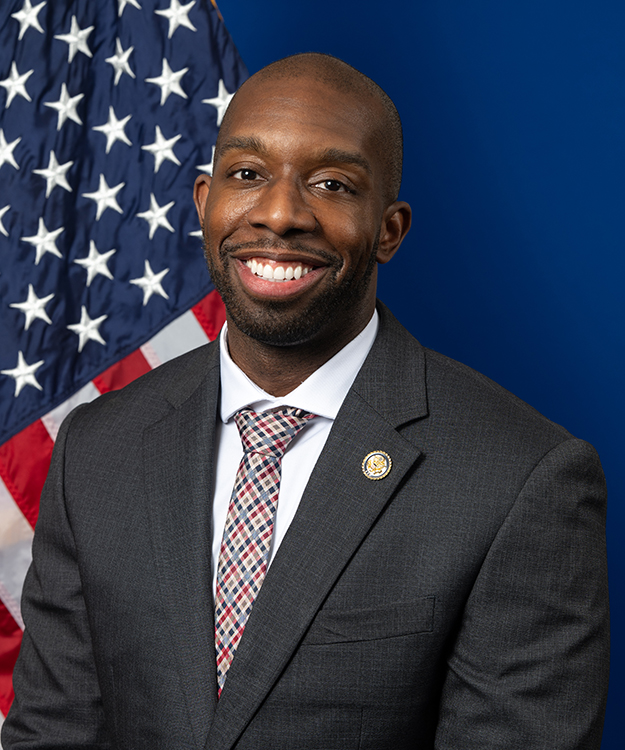
Everton Blair Jr.
Everton Blair Jr. House · District 13
D
Strong +
89% 9
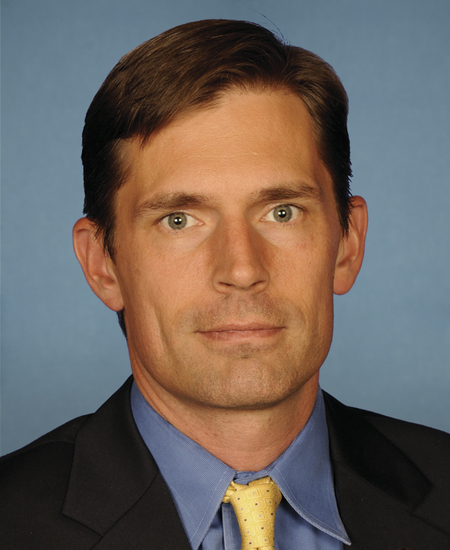
Martin Heinrich
Martin Heinrich Senate
D
Strong +
84% 37
Adam B. Schiff
Adam B. Schiff Senate
D
Support
79% 53
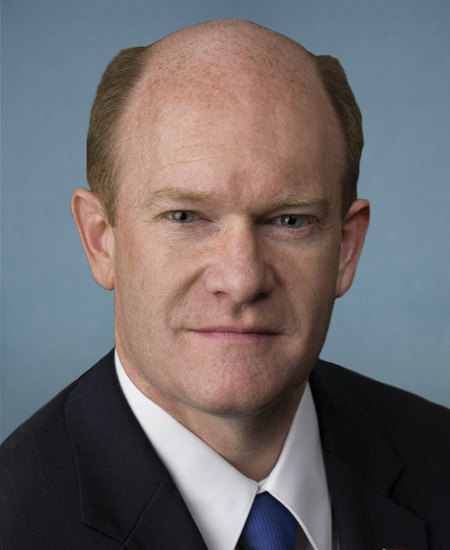
Christopher A. Coons
Christopher A. Coons Senate
D
Support
79% 52
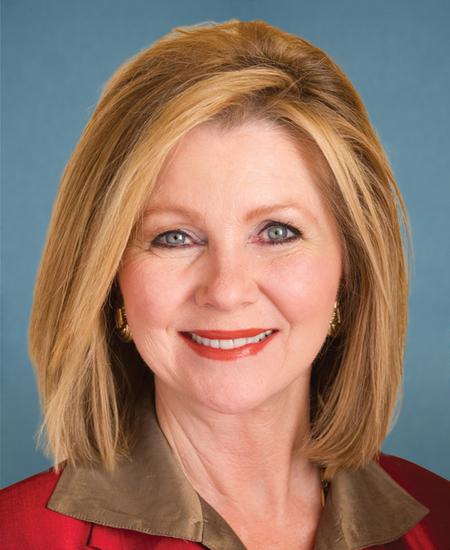
Marsha Blackburn
Marsha Blackburn Senate
R
Strong −
11% 36
Ted Budd
Ted Budd Senate
R
Strong −
20% 40
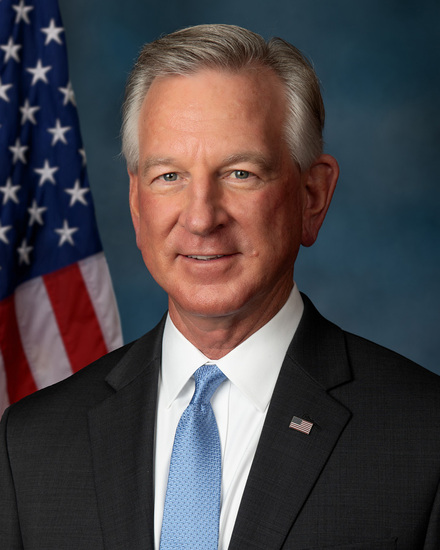
Tommy Tuberville
Tommy Tuberville Senate
R
Oppose
21% 53
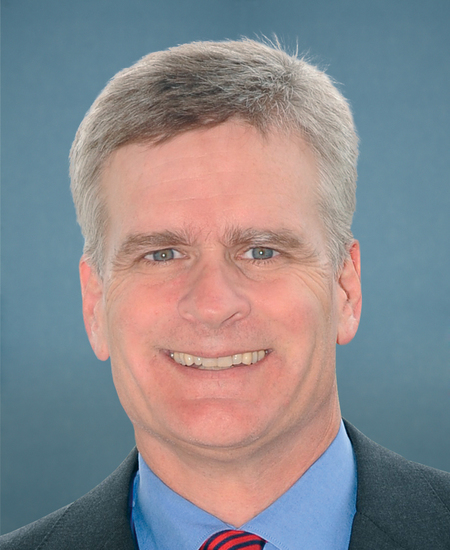
Bill Cassidy
Bill Cassidy Senate
R
Oppose
22% 54
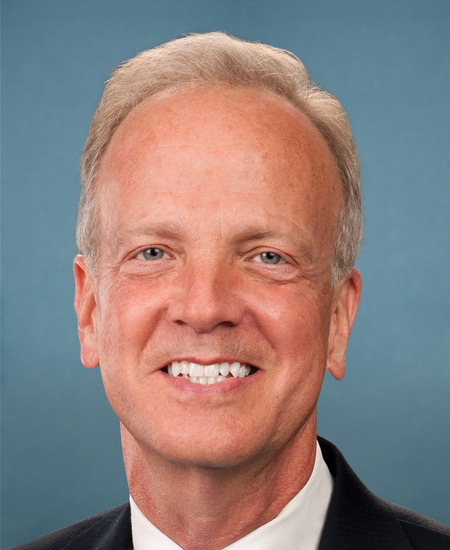
Jerry Moran
Jerry Moran Senate
R
Oppose
23% 53
Showing 831–840 of 1,501 bills

All environment bills

in committee · United States · Senate Dec 9, 2025

S 1777: Joshua Tree National Park Expansion Act

This bill expands Joshua Tree National Park by adding approximately 20,149 acres of land to its boundary, as shown on a specific map dated June 2024. It transfers management of this newly added land from the Bureau of Land Management to the National Park Service and allows the Secretary of the Interior to acquire the land through donation, purchase, exchange, or transfer (with state-owned land requiring donation or exchange only). The bill also renames the Cottonwood Visitor Center at the park as the Dianne Feinstein Visitor Center, updating all official references to reflect this change. These provisions directly affect park management, land ownership, and visitor facilities within the expanded area.
in committee · United States · House Jan 28, 2026

HR 7268: CLEAN–UP Act

HR 7268, the CLEAN-UP Act, streamlines the removal or remediation of contaminated sediment in waterways by requiring the Army Corps of Engineers (as "Secretary") to develop a joint plan with local partners. This plan must protect human health and the environment, detail work methods, disposal locations, roles, and funding sources, and undergo public review. The bill shields the Corps from liability under federal environmental law for cleanup activities conducted under this approved plan. It maintains existing requirements for the government to seek cost recovery from polluters responsible for the contamination. The law directly affects federal and local agencies managing sediment cleanup projects under existing water resources programs.
passed · United States · House Jul 23, 2025

HR 1917: Great Lakes Mass Marking Program Act of 2025

HR 1917, the Great Lakes Mass Marking Program Act of 2025, establishes a federal program within the U.S. Fish and Wildlife Service to mass-tag hatchery-reared fish in the Great Lakes. The program directly affects federal, state, and tribal fisheries agencies by providing data on hatchery fish versus wild fish populations through automated tagging. Key provisions authorize $5 million annually (2026-2030) to purchase tagging equipment, hire staff, and share collected data with partner agencies to inform management decisions about fish stocking, habitat restoration, and balancing predator-prey relationships. This data supports the economic stability of the Great Lakes fisheries sector, which contributes over $7 billion annually to the regional economy.
Sub-Topics Wildlife
in committee · United States · House Dec 4, 2025

HR 6474: To amend the Internal Revenue Code of 1986 to expand the meaning and eligibility of energy communities for purposes of the increased renewable electricity production and increased clean electricity investment credit rates.

This bill expands tax credit eligibility for renewable energy projects by broadening the definition of "energy communities" under two existing tax provisions. It specifically adds non-metropolitan (rural) areas to the list of eligible locations for the increased renewable electricity production credit (Section 45) and removes a restriction affecting the clean electricity investment credit (Section 48E). As a result, renewable energy developers in rural communities will now qualify for higher tax credits previously limited to urban areas. The changes align with permanent provisions from the Inflation Reduction Act, making these expanded credits available for projects in non-urban locations.
Sub-Topics Tax Credits Renewable Energy Tags Rural Communities
in committee · United States · House Sep 18, 2025

HR 5472: Brownfield Revitalization and Remediation Act

The Brownfield Revitalization and Remediation Act (HR 5472) allows businesses to immediately deduct the full cost of cleaning up contaminated properties (brownfields) instead of spreading these costs over time through depreciation. It restores this immediate deduction for cleanup costs incurred between 2012 and 2024, and again after 2029 (excluding 2025-2029), while expanding eligible costs to include assessment, investigation, and monitoring activities at brownfield sites. The bill also treats pollutants and contaminants as hazardous substances for tax purposes, making more cleanup expenses deductible under the Internal Revenue Code. This policy change directly affects businesses undertaking environmental remediation at brownfield sites across the United States.
in committee · United States · House Nov 19, 2025

HR 1514: Mississippi River Basin Fishery Commission Act of 2025

HR 1514 establishes the Mississippi River Basin Fishery Commission within the Department of the Interior to coordinate management of interjurisdictional fisheries across 31 U.S. states, two Canadian provinces, federal agencies, and tribal nations. The Commission oversees six sub-basin management plans, develops strategies to control invasive carp (like bighead and silver carp), and administers grant programs for conservation projects. It provides $30 million annually (2027-2029) and $50 million annually (2030-2032) to fund collaborative efforts, with grants prioritizing projects aligned with the existing MICRA Joint Strategic Plan. The Commission’s authority is nonbinding, requiring consensus among member entities but not overriding state or federal management laws.
Sub-Topics Conservation
in committee · United States · Senate Jul 28, 2025

S 2472: Department of Defense PFAS Discharge Prevention Act

This bill requires the Department of Defense to request modifications to stormwater discharge permits at military facilities, mandating quarterly testing for PFAS (chemicals used in firefighting foams and other military products) and implementation of best practices to reduce discharges. It applies to all DoD facilities with active permits under the Clean Water Act, with exceptions for permits already containing these requirements. The bill also directs that at least 1% of annual funds allocated for PFAS remediation must be used for monitoring and reduction activities at these facilities. These provisions aim to standardize PFAS testing and controls across military sites without creating new regulatory standards.
in committee · United States · House May 13, 2025

HR 3361: Collaborative Forest Landscape Restoration Program Reauthorization Act of 2025

HR 3361 reauthorizes the Collaborative Forest Landscape Restoration Program through 2034, doubling its annual funding cap from $4 million to $8 million. It directly affects collaborative groups working on forest restoration across federal, state, tribal, and private lands. Key changes include expanding eligible projects to address wildfire risk reduction across multiple land ownerships, enhance watershed health, and improve monitoring standards. The bill also requires federal staffing plans for supporting these collaboratives and adds new mechanisms like conservation finance agreements for implementation.
in committee · United States · House Dec 2, 2025

HR 5597: BECCS Advancement Commission Act of 2025

The BECCS Advancement Commission Act of 2025 establishes a new federal commission within the Department of Agriculture to develop policy recommendations for bioenergy with carbon capture and storage (BECCS) systems. The commission, composed of agency officials, industry representatives (including timber and BECCS sectors), and state/federal land management stakeholders, must report to Congress within one year on key metrics like forest health, wildfire mitigation, job growth, energy costs, and economic development in forestry. It will assess how BECCS deployment affects local communities, energy reliability, and domestic supply chains, while identifying federal policy changes to support the industry. This bill directly affects federal agencies, the forestry sector, commercial timber industry, and rural counties receiving federal funds under the Secure Rural Schools Act.
in committee · United States · Senate Feb 5, 2025

S 347: Brownfields Reauthorization Act of 2025

The Brownfields Reauthorization Act of 2025 reauthorizes and updates the federal program for cleaning up contaminated properties (brownfields), directly affecting small communities, disadvantaged areas, and Alaska Native tribes. Key provisions include increasing grant funding to $1 million per site (up from $500,000), requiring applicants to demonstrate community engagement plans, and extending the program through 2030 with annual funding increases for state programs (from $50 million to $75 million by 2030). The bill also mandates an EPA report to simplify applications and expands eligibility for Alaska Native Regional/Village Corporations to access funding. These changes aim to make cleanup grants more accessible while ensuring community involvement in revitalization projects.
Sub-Topics Hazardous Materials
Showing 831 to 840 of 1,501 bills
Previous 1 … 83 84 85 … 151 Next