Issue · Environment

Environment

Every environment bill, vote, and legislator stance in United States, automatically classified by Maddy, our AI policy reader.

Total bills
1,501
119th Congress
Top supporter
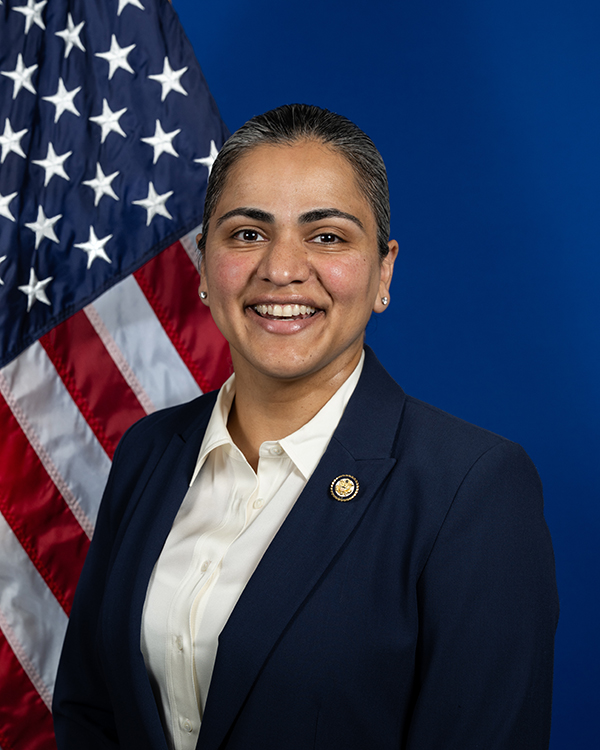
Aisha Wahab
100% support rate
Top opponent
Marsha Blackburn
11% support rate
Ranked legislators
10
5 support · 5 oppose
Key legislators

Who's moving environment in United States

Legislators moving environment in United States
Legislator Party Stance Support rate Decisive votes
Aisha Wahab
Aisha Wahab House · District 14
D
Strong +
100% 7
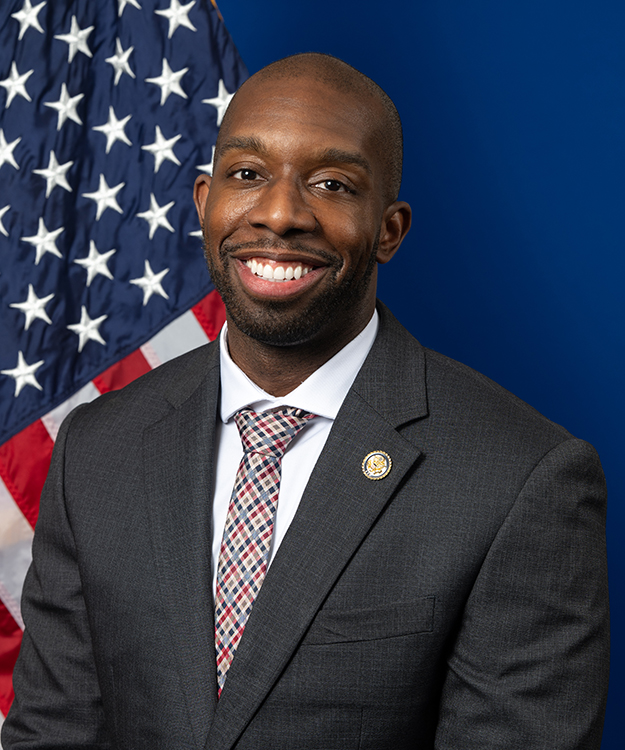
Everton Blair Jr.
Everton Blair Jr. House · District 13
D
Strong +
89% 9
Martin Heinrich
Martin Heinrich Senate
D
Strong +
84% 37
Adam B. Schiff
Adam B. Schiff Senate
D
Support
79% 53
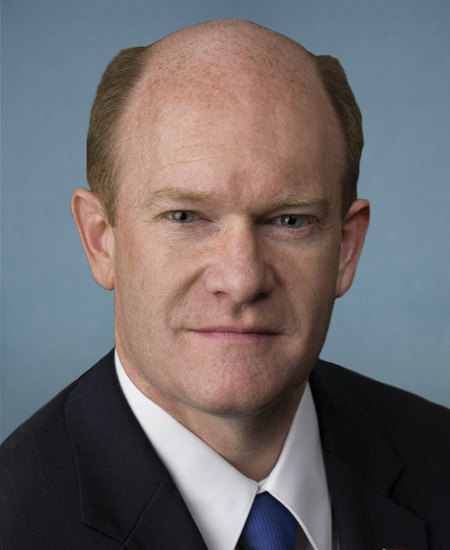
Christopher A. Coons
Christopher A. Coons Senate
D
Support
79% 52
Marsha Blackburn
Marsha Blackburn Senate
R
Strong −
11% 36
Ted Budd
Ted Budd Senate
R
Strong −
20% 40
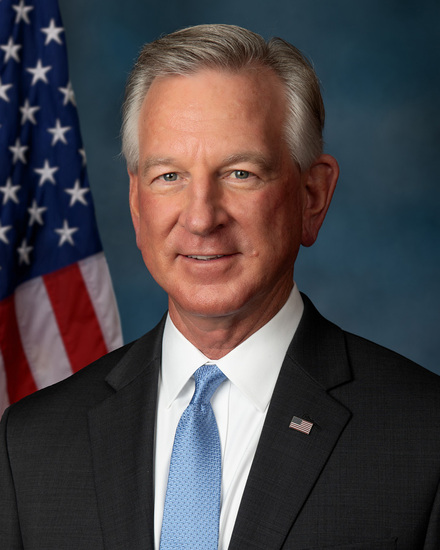
Tommy Tuberville
Tommy Tuberville Senate
R
Oppose
21% 53
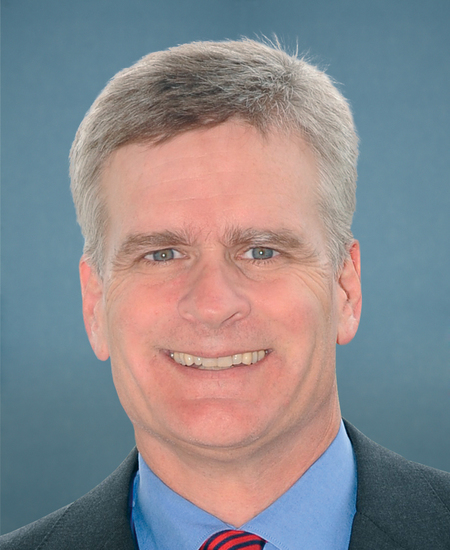
Bill Cassidy
Bill Cassidy Senate
R
Oppose
22% 54
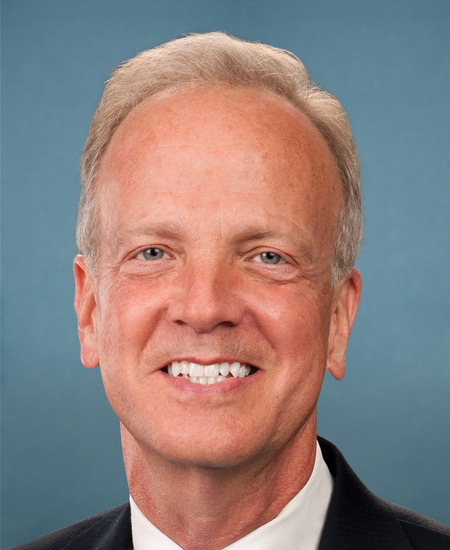
Jerry Moran
Jerry Moran Senate
R
Oppose
23% 53
Showing 801–810 of 1,501 bills

All environment bills

passed · United States · House Mar 17, 2026

HR 528: Post-Disaster Reforestation and Restoration Act

Post-Disaster Reforestation and Restoration Act of 2025 This bill directs the Department of the Interior to carry out a program for post-disaster reforestation and restoration.  Interior must identify covered lands requiring reforestation and restoration following unplanned disturbances that are unlikely to experience natural regeneration without assistance. Covered land means (1) any federal land or interest in land administered by the National Park Service, the U.S. Fish and Wildlife Service, the Bureau of Land Management, the Bureau of Reclamation, the Forest Service, or the Bureau of Indian Affairs; and (2) any Indian Forest Land or Rangeland. Interior must propose a list that prioritizes projects for reforestation and restoration for each fiscal year. Interior may (1) carry out priority projects through grants, contracts, or cooperative agreements; and (2) support any grant contract or cooperative agreement that may be necessary to ensure adequate and appropriate seed and seedling availability to further the objectives of priority projects.
in committee · United States · House Jul 15, 2025

HR 4412: Joint Chiefs Reauthorization Act of 2025

This bill amends the Joint Chiefs Landscape Restoration Partnership program to expand its scope and improve coordination. It adds wildfire recovery and soil/water resource enhancement as eligible project purposes, requires the Natural Resources Conservation Service to coordinate with the Forest Service on science and management plans, and extends the program's authorization through 2031. The changes apply directly to federal agencies administering the program, including the Natural Resources Conservation Service and Forest Service, and affect projects managed under the partnership. Key provisions include updated wildfire risk assessments and alignment with state forest action plans. The bill makes concrete adjustments to existing program rules without creating new funding or altering core program eligibility.
Sub-Topics Conservation Forestry
passed · United States · House Oct 27, 2025

HR 1612: Flatside Wilderness Additions Act

HR 1612, the Flatside Wilderness Additions Act, designates approximately 2,212 acres of land in the Ouachita National Forest as part of the Flatside Wilderness, renaming it the "Flatside-Bethune Wilderness." This bill amends the 1984 Arkansas Wilderness Act to formally add this specific area to the protected wilderness designation. The bill clarifies that the Secretary of Agriculture retains existing authority under the Wilderness Act to address fire, insects, and diseases in the newly designated area, without altering current management practices.
Sub-Topics Forestry
in committee · United States · Senate Apr 8, 2025

S 1342: Weatherization Assistance Program Improvements Act of 2025

This bill creates a new $30 million annual Weatherization Readiness Fund (2026-2030) to help states fix structural defects in low-income homes before weatherization can be installed. It directly affects low-income households in states receiving Weatherization Assistance Program funds, by requiring states to use these funds to repair hazards that block weatherization work. The bill also raises the maximum per-unit cost limit for fully weatherized homes from $6,500 to $15,000 and adds flexibility for the Secretary to adjust costs based on market conditions. These changes aim to streamline the weatherization process and increase funding efficiency for eligible homes.
Sub-Topics Energy Efficiency
in committee · United States · Senate Feb 4, 2025

S 392: Sloan Canyon Conservation and Lateral Pipeline Act

S 392 expands the Sloan Canyon National Conservation Area boundary from 48,438 to 57,728 acres. It grants the Southern Nevada Water Authority a right-of-way (without fees) to build a water pipeline outside the Conservation Area, including provisions for excavating materials and disposing of excess earth. The bill requires the pipeline to avoid wilderness areas and not permanently harm conservation resources, while preserving existing utility corridors and rights-of-way. This directly affects the Southern Nevada Water Authority’s infrastructure plans and the management of the Conservation Area under federal land laws.
in committee · United States · House Mar 6, 2025

HR 1938: Department of Defense PFAS Discharge Prevention Act

HR 1938 requires the Department of Defense to request modifications to stormwater permits at military facilities, mandating quarterly monitoring of PFAS discharges and implementation of best management practices to reduce them. The bill directly affects all Department of Defense facilities subject to federal stormwater permits under the Clean Water Act. It allocates at least 1% of annual PFAS remediation funds specifically for testing stormwater runoff at these sites. The legislation focuses on preventing PFAS contamination in waterways by strengthening monitoring and reduction measures at military operations.
in committee · United States · House Mar 18, 2025

HR 2224: Tar Sands Tax Loophole Elimination Act

This bill closes a tax loophole by explicitly including tar sands oil under the definition of "crude oil" for federal excise tax purposes. It directly affects oil producers who previously avoided excise taxes on tar sands-derived oil by exploiting the existing definition gap. The key mechanism amends the tax code to state that "crude oil" encompasses oil derived from tar sands, ensuring it is taxed identically to conventional crude oil. The change applies to excise taxes under Section 4611 of the Internal Revenue Code, requiring producers to pay these taxes on tar sands oil moving forward. The bill takes effect upon enactment.
Sub-Topics Sales Tax Oil & Gas
in committee · United States · House Mar 28, 2025

HR 1943: Wildland Firefighter Paycheck Protection Act of 2025

This bill establishes special base pay rates for wildland firefighters employed by the Forest Service or Department of the Interior, increasing their base pay by specific percentages (from 1.5% to 42%) based on their grade. It creates "incident response premium pay" at 450% of hourly rate for firefighters deployed to respond to qualifying wildfire incidents, with a yearly maximum of $9,000. The bill also provides for paid rest and recuperation leave following wildfire incident response. These provisions replace temporary pay increases that were previously authorized under other legislation and directly affect wildland firefighters who perform duties related to wildland fires.
Sub-Topics Forestry
in committee · United States · Senate Sep 17, 2026

S 3715: Chiricahua National Park Act

This bill redesignates Arizona's Chiricahua National Monument as Chiricahua National Park, maintaining its existing boundaries as shown on a 2021 map. It ensures all existing funding, laws, and administrative rules for the monument now apply to the park. The bill also requires the Secretary of the Interior to protect tribal cultural sites by consulting with Native American tribes and providing access for traditional uses, with temporary public closures allowed only for minimal necessary areas and time. This directly affects tribal communities and park management under federal law.
Sub-Topics Parks & Recreation Tags Tribal Nations
in committee · United States · Senate Apr 9, 2025

S 1395: NO TIME TO Waste Act);

The NO TIME TO Waste Act (S 1395) establishes a new Office of Food Loss and Waste within the Department of Agriculture to coordinate federal efforts to reduce food waste. The bill creates grant programs for states, local governments, and nonprofits to collect data on food waste policies and develop model approaches for reducing waste, with a goal of cutting food loss and waste by 50% by 2030. It requires federal contractors to report on their food waste prevention efforts and funds public-private partnerships to help communities reduce food loss and waste. The legislation also creates a national education campaign to teach consumers about food safety, preservation, and upcycled food products. The bill mandates annual reports tracking progress toward the 2030 goal and sets funding levels for these programs through 2030.
Sub-Topics Conservation
Showing 801 to 810 of 1,501 bills
Previous 1 … 80 81 82 … 151 Next