Issue · Environment

Environment (Public Lands)

Every environment bill, vote, and legislator stance in United States, automatically classified by Maddy, our AI policy reader.

Total bills
198
119th Congress
Top supporter
Adam B. Schiff
92% support rate
Top opponent
Alan Armstrong
0% support rate
Ranked legislators
10
5 support · 5 oppose
Key legislators

Who's moving public lands in United States

Legislators moving public lands in United States
Legislator Party Stance Support rate Votes
Adam B. Schiff
Adam B. Schiff Senate
D
Strong +
92% 12
Christopher A. Coons
Christopher A. Coons Senate
D
Strong +
92% 12
Christopher Murphy
Christopher Murphy Senate
D
Strong +
92% 12
Jeanne Shaheen
Jeanne Shaheen Senate
D
Strong +
92% 12
Alex Padilla
Alex Padilla Senate
D
Strong +
85% 13
AA
Alan Armstrong Senate
R
Strong −
0% 3
Jerry Moran
Jerry Moran Senate
R
Strong −
8% 12
Marsha Blackburn
Marsha Blackburn Senate
R
Strong −
8% 12
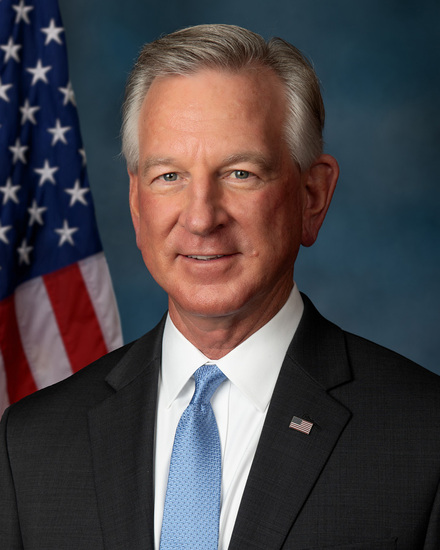
Tommy Tuberville
Tommy Tuberville Senate
R
Strong −
8% 12
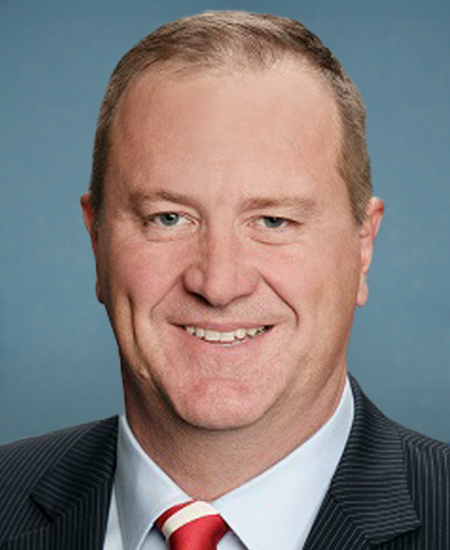
Eric Schmitt
Eric Schmitt Senate
R
Strong −
9% 11
Showing 61–70 of 198 bills

All environment bills

in committee · United States · House Oct 17, 2025

HR 5785: Voluntary Grazing Permit Retirement Act of 2025

HR 5785 establishes a voluntary program allowing ranchers in 16 Western states (Arizona through Wyoming) to permanently retire their federal grazing permits on designated land areas. Ranchers can submit permits for retirement, but the government will accept no more than 100 nationwide and 25 per state annually. Once retired, the land permanently ends livestock grazing, and no new permits are issued for that area; ranchers also surrender rights to fences and structures (range developments) on the retired land. The bill aims to reduce land-use conflicts while providing ranchers flexibility to exit grazing operations.
passed · United States · House Jul 15, 2026

HR 1687: CLEAN Act

This bill, HR 1687 (the CLEAN Act), modifies geothermal leasing and permitting processes on federal lands. It shortens geothermal lease terms from two years to one year and requires the Interior Secretary to hold replacement lease sales if a sale is canceled or delayed. The bill also sets strict 30-day deadlines for the Interior Secretary to notify applicants about complete permit applications and issue final decisions on those applications. These changes directly affect geothermal energy developers seeking to lease federal land for energy projects.
in committee · United States · House Apr 10, 2025

HR 2861: Chaco Cultural Heritage Area Protection Act of 2025

HR 2861, the Chaco Cultural Heritage Area Protection Act of 2025, blocks oil and gas development on federal lands surrounding Chaco Culture National Historical Park in New Mexico. The bill terminates non-producing oil and gas leases on these lands and withdraws them from future mineral leasing, protecting the area’s cultural resources and dark skies. It directly affects oil and gas companies holding leases in the designated area and aims to safeguard sacred sites, prehistoric roads, and the park’s status as an International Dark Sky Park. The law preserves the cultural landscape for Pueblo Tribes, Navajo Nation, and Hopi Tribe, who have ongoing ceremonial ties to the region.
in committee · United States · House Apr 10, 2025

HR 2864: Veterans for Mustangs Act

This bill amends the Wild Free-Roaming Horses and Burros Act to change how the Bureau of Land Management manages horse and burro populations. It requires using fertility control vaccines as the first priority method for population management, replacing previous steps. Crucially, it directs the Secretary to prioritize recruiting and training military veterans for these fertility control tasks, including through the PZP applicator certification program, with veterans receiving appropriate compensation. This directly affects wild horse and burro populations through new management methods and military veterans through new training and contracting opportunities under the program.
in committee · United States · House Feb 28, 2025

HR 718: Public Lands in Public Hands Act

This bill prohibits the U.S. Interior and Agriculture Secretaries from transferring title of certain federal lands to non-government entities. It specifically blocks transfers of lands that are publicly accessible (via roads, trails, or waterways) or adjacent to such lands, unless the land is under 300 acres or meets specific exceptions. Key exceptions include small parcels under 5 acres accessible by water, transfers authorized by historical laws like the Alaska Statehood Act, and land exchanges already permitted by federal law. The bill does not affect existing transfers under these authorized programs or prevent agencies from subdividing land to meet acreage thresholds.
in committee · United States · Senate Jun 4, 2025

S 1942: Malheur Community Empowerment for the Owyhee Act

This bill establishes the Malheur County Grazing Management Program, allowing ranchers to adjust grazing schedules and water placement with written notice to improve ecological health on federal lands. It creates the Malheur C.E.O. Group, an 18-member advisory body representing ranching interests, environmental groups, tribal representatives, and government agencies to develop and monitor projects. The bill designates approximately 1.1 million acres of federal land as wilderness areas and transfers specific parcels to the Burns Paiute Tribe. The program requires monitoring plans, annual reports, and consultation with stakeholders to balance ecological health with grazing uses.
Sub-Topics Public Lands
in committee · United States · Senate Apr 2, 2025

S 1254: A bill to amend the Aquifer Recharge Flexibility Act to clarify a provision relating to conveyances for aquifer recharge purposes.

This bill clarifies rules for using existing water infrastructure to recharge aquifers. It allows states, tribes, public entities, or non-profits to use pre-existing rights-of-way, easements, or permits (like canals built before 1976) for aquifer recharge without new federal permits, provided they give 30 days' notice to the Bureau of Land Management. Non-profits using these existing resources are exempt from paying extra rent to the federal government, but for-profit entities or uses are not. The bill also waives certain environmental regulations (like the Clean Water Act) for these specific recharge activities and permits modifying existing infrastructure.
in committee · United States · House Dec 18, 2025

HR 6864: SAW Act

HR 6864, the SAW Act, prohibits using motor vehicles to intentionally hunt, pursue, or kill mammalian predators (like coyotes or wolves) on federal land. It directly affects hunters or recreational users operating vehicles on federal lands, with penalties including fines up to $10,000 or up to 5 years in prison for violations. An exception allows use of vehicles for self-defense or to prevent injury to others. The Secretary of the Interior enforces the law, with authority to investigate violations and coordinate with federal, state, and local law enforcement. The law excludes tribal trust lands and defines "motor vehicle" broadly to include snowmobiles, vehicles, and watercraft.
Sub-Topics Public Lands Wildlife
in committee · United States · Senate Feb 13, 2025

S 602: Wildfire Resilience Through Grazing Research Act

This bill funds research at land-grant universities to study how grazing by hoofed animals (like cattle or deer) can reduce wildfire risks on public and private lands. It directs grants for developing grazing techniques that lower fire fuels, aid post-fire recovery, and protect soil, water, and native plants - while avoiding invasive species spread or erosion. Key research areas include rotational grazing, managed stocking rates, and water point management. The findings will be shared through educational materials and outreach to help landowners and managers adopt these practices. The bill focuses on research, not direct land management changes.
in committee · United States · House Jan 22, 2025

HR 635: WaterSMART Access for Tribes Act

The WaterSMART Access for Tribes Act amends federal law to improve access to water infrastructure funding for Indian Tribes. It allows the Secretary of the Interior to reduce or waive a tribe's required cost share for water projects if the tribe faces financial hardship. This directly affects tribes receiving WaterSMART grants, making it easier for them to secure federal funding for essential water management improvements without bearing excessive upfront costs. The change modifies existing cost-sharing rules under the Omnibus Public Land Management Act of 2009.
Sub-Topics Public Lands Tags Tribal Nations
Showing 61 to 70 of 198 bills
Previous 1 6 7 8 20 Next