Issue · Environment

Environment

Every environment bill, vote, and legislator stance in United States, automatically classified by Maddy, our AI policy reader.

Total bills
1,501
119th Congress
Top supporter
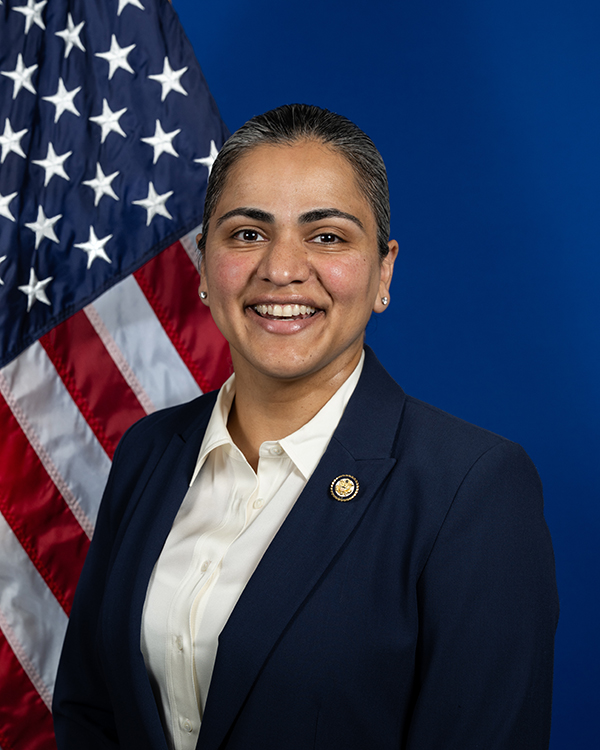
Aisha Wahab
100% support rate
Top opponent
Marsha Blackburn
11% support rate
Ranked legislators
10
5 support · 5 oppose
Key legislators

Who's moving environment in United States

Legislators moving environment in United States
Legislator Party Stance Support rate Decisive votes
Aisha Wahab
Aisha Wahab House · District 14
D
Strong +
100% 7
Everton Blair Jr.
Everton Blair Jr. House · District 13
D
Strong +
89% 9
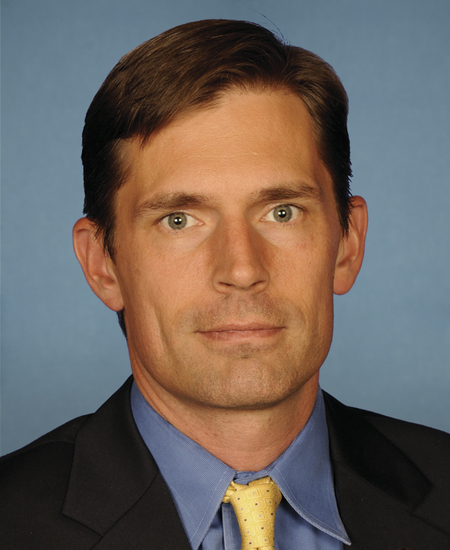
Martin Heinrich
Martin Heinrich Senate
D
Strong +
84% 37
Adam B. Schiff
Adam B. Schiff Senate
D
Support
79% 53
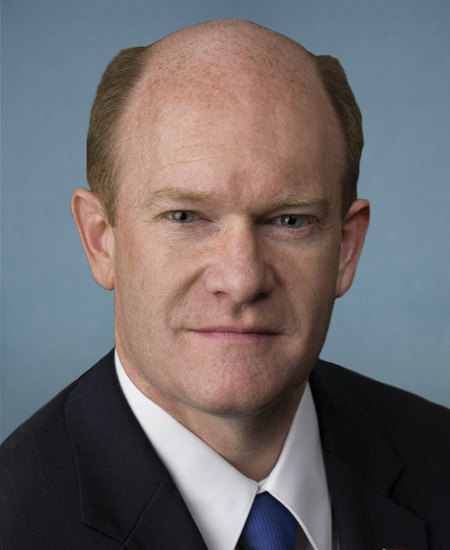
Christopher A. Coons
Christopher A. Coons Senate
D
Support
79% 52
Marsha Blackburn
Marsha Blackburn Senate
R
Strong −
11% 36
Ted Budd
Ted Budd Senate
R
Strong −
20% 40
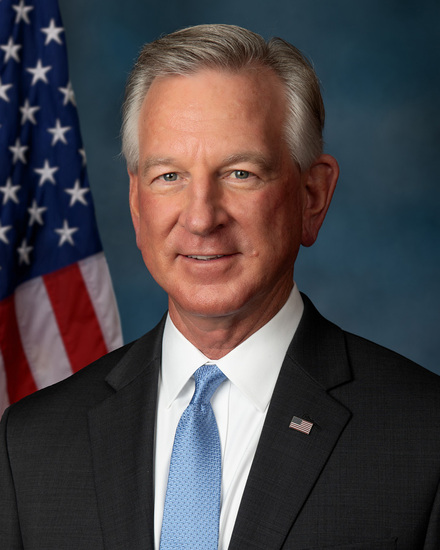
Tommy Tuberville
Tommy Tuberville Senate
R
Oppose
21% 53
Bill Cassidy
Bill Cassidy Senate
R
Oppose
22% 54
Jerry Moran
Jerry Moran Senate
R
Oppose
23% 53
Showing 621–630 of 1,501 bills

All environment bills

passed · United States · House Mar 18, 2026

HR 4294: MAWS Act of 2026

The MAWS Act of 2026 establishes a 3-year pilot program (2027-2029) to purchase invasive blue catfish from watermen and seafood processors within the Chesapeake Bay Watershed. It authorizes $2 million annually to fund covered entities - manufacturers of pet food, animal feed, or aquaculture feed - to buy blue catfish caught in the watershed, requiring certification of origin and setting minimum prices based on market factors. The program mandates detailed reporting on environmental impacts, economic effects on watermen, and market responses to inform future policy. This directly supports watermen and processors by creating a market for invasive blue catfish while collecting data for potential expansion to other watersheds.
Sub-Topics Water Quality
in committee · United States · Senate Mar 13, 2025

S 1019: Rural Water System Disaster Preparedness and Assistance Act

This bill creates a federal grant program to help rural water and wastewater systems prepare for and respond to disasters. It authorizes $20 million annually (2025-2029) for grants to qualified nonprofit organizations with disaster response experience, enabling them to provide onsite support, develop emergency plans, improve system resilience, and conduct assessments. The program specifically targets disadvantaged communities lacking resources for water system safety and covers activities like emergency repairs, vulnerability assessments, and coordination with agencies like FEMA. Eligible nonprofits must have licensed personnel or relevant expertise and cannot duplicate other federal funding.
Sub-Topics Drinking Water Natural Disasters Tags Emergency Management Rural Communities
in committee · United States · Senate Jan 13, 2026

S 3620: Emergency Rural Water Response Act of 2026

This bill expands a federal grant program to help rural communities address water infrastructure needs. It directly affects small rural communities with populations under 35,000 (up from 10,000) by allowing them to apply for grants. Key changes include broadening eligible uses to cover potable water, wastewater, storm drainage, and solid waste facilities, and increasing the population cap for program eligibility. The bill modifies existing provisions under the Consolidated Farm and Rural Development Act to make these changes. It does not create new funding but adjusts who qualifies for existing grant opportunities.
Sub-Topics Drinking Water Waste Management Water Quality Tags Rural Communities
in committee · United States · House Mar 18, 2026

HR 3286: Mammoth Cave National Park Boundary Adjustment Act of 2025

This bill would expand Mammoth Cave National Park by adding approximately 551 acres of land in Edmonson and Barren Counties, Kentucky, to the park's existing boundaries. The legislation modifies existing law to allow the Secretary of the Interior to acquire this specific parcel of land, as shown on a map dated May 2025. The acquisition is subject to a financial threshold adjusted for inflation, referenced in the updated law. This change directly affects the park's management and the landowners whose property would be added to the protected area.
Sub-Topics Parks & Recreation
in committee · United States · House Apr 10, 2025

HR 2861: Chaco Cultural Heritage Area Protection Act of 2025

HR 2861, the Chaco Cultural Heritage Area Protection Act of 2025, blocks oil and gas development on federal lands surrounding Chaco Culture National Historical Park in New Mexico. The bill terminates non-producing oil and gas leases on these lands and withdraws them from future mineral leasing, protecting the area’s cultural resources and dark skies. It directly affects oil and gas companies holding leases in the designated area and aims to safeguard sacred sites, prehistoric roads, and the park’s status as an International Dark Sky Park. The law preserves the cultural landscape for Pueblo Tribes, Navajo Nation, and Hopi Tribe, who have ongoing ceremonial ties to the region.
in committee · United States · House Jan 15, 2025

HR 409: Supporting Transit Commutes Act

HR 409, the Supporting Transit Commutes Act, amends the federal tax code to improve tax treatment for employers providing transit benefits. It allows employers to deduct the full amount of qualified transit benefits (like bus or train passes) up to the existing limit, instead of a reduced amount, for benefits provided through salary reduction agreements. This directly affects employers who offer transit passes or similar commuting benefits to employees. The change takes effect for taxable years beginning after the bill's enactment date. The policy change simplifies tax deductions for these benefits without altering the benefit limits themselves.
in committee · United States · Senate Apr 15, 2026

S 1327: Advancing GETs Act of 2025

Senate Bill 1327, the Advancing GETs Act of 2025, creates a shared savings program for developers who install grid-enhancing technologies (GETs) - hardware or software that improves grid capacity, efficiency, or reliability. Developers receive 10-25% of cost savings (over 3 years) from their GET investments, but only if savings exceed four times the installation cost. The bill also requires transmission operators to submit annual reports on congestion costs and establishes a federal guide to help utilities implement GETs. It directly affects GET developers and transmission operators, with key mechanisms including the savings threshold, mandatory reporting, and technical assistance resources.
in committee · United States · House Jan 13, 2026

HR 6593: Domestic Organic Investment Act of 2025

The Domestic Organic Investment Act of 2025 establishes a new grant program to strengthen the U.S. domestic organic supply chain. It provides federal grants (up to $2 million for facility projects, $100,000 for equipment) to eligible entities like organic producers, cooperatives, and tribal governments for expanding storage, processing, and distribution capacity. Grants require matching funds (50% for major projects, 25% for equipment) but may waive requirements for beginning farmers and veterans. The program aims to reduce reliance on imported organic products, modernize supply chain systems, and help entities meet certification and food safety standards. Funding is authorized for fiscal years 2026-2030.
in committee · United States · House Apr 17, 2025

HR 2946: Clean Energy Victory Bond Act of 2025

HR 2946, the Clean Energy Victory Bond Act of 2025, authorizes the U.S. Treasury to issue voluntary savings bonds (starting at $25) with interest tied to energy savings from funded projects. Proceeds from up to $50 billion in annual bond sales would fund a new Clean Energy Victory Bonds Trust Fund, supporting clean energy projects like solar/wind installations, energy-efficient buildings, grid upgrades, and zero-emission vehicle infrastructure. The bill mandates that at least 40% of annual funding must target disadvantaged and vulnerable communities, defined as those facing disproportionate health/environmental burdens or high low-income populations. It directly affects all Americans who purchase bonds and federal/state/local entities implementing eligible clean energy projects.
Sub-Topics Renewable Energy Solar
in committee · United States · House Apr 10, 2025

HR 2864: Veterans for Mustangs Act

This bill amends the Wild Free-Roaming Horses and Burros Act to change how the Bureau of Land Management manages horse and burro populations. It requires using fertility control vaccines as the first priority method for population management, replacing previous steps. Crucially, it directs the Secretary to prioritize recruiting and training military veterans for these fertility control tasks, including through the PZP applicator certification program, with veterans receiving appropriate compensation. This directly affects wild horse and burro populations through new management methods and military veterans through new training and contracting opportunities under the program.
Showing 621 to 630 of 1,501 bills
Previous 1 … 62 63 64 … 151 Next