Issue · Environment

Environment (Wildlife)

Every environment bill, vote, and legislator stance in United States, automatically classified by Maddy, our AI policy reader.

Total bills
135
119th Congress
Top supporter
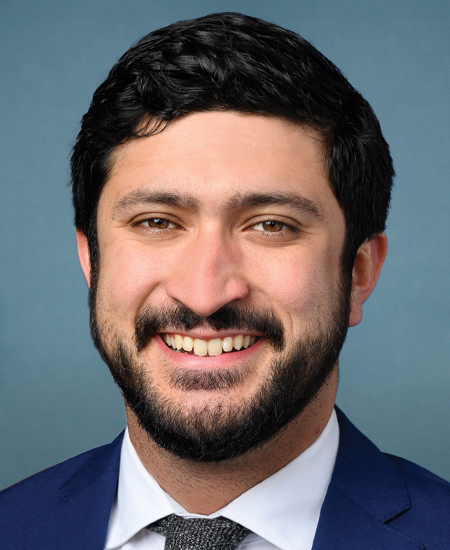
Greg Casar
83% support rate
Top opponent
Susan M. Collins
0% support rate
Ranked legislators
10
5 support · 5 oppose
Key legislators

Who's moving wildlife in United States

Legislators moving wildlife in United States
Legislator Party Stance Support rate Votes
Greg Casar
Greg Casar House · District 35
D
Strong +
83% 12
Judy Chu
Judy Chu House · District 28
D
Strong +
81% 16
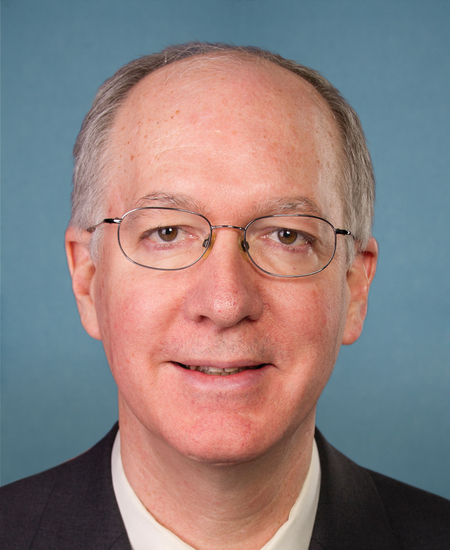
Bill Foster
Bill Foster House · District 11
D
Strong +
80% 15
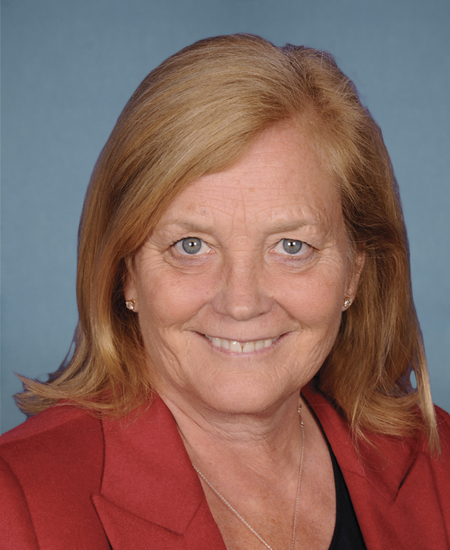
Chellie Pingree
Chellie Pingree House · District 1
D
Strong +
80% 15
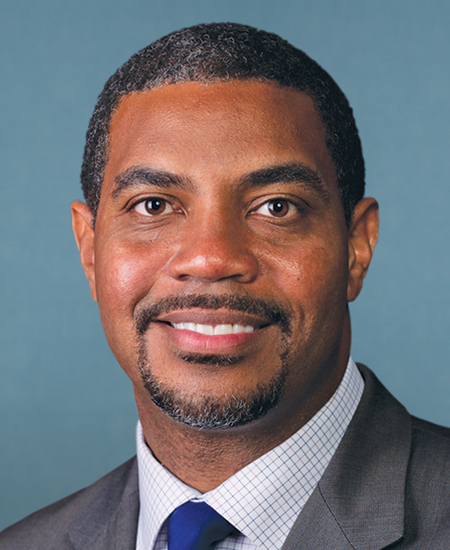
Steven Horsford
Steven Horsford House · District 4
D
Strong +
80% 15
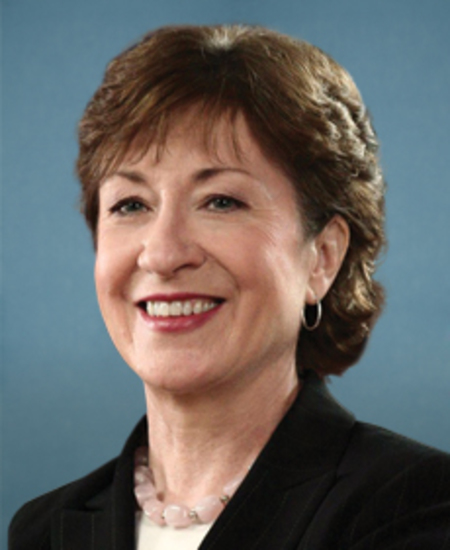
Susan M. Collins
Susan M. Collins Senate
R
Strong −
0% 5
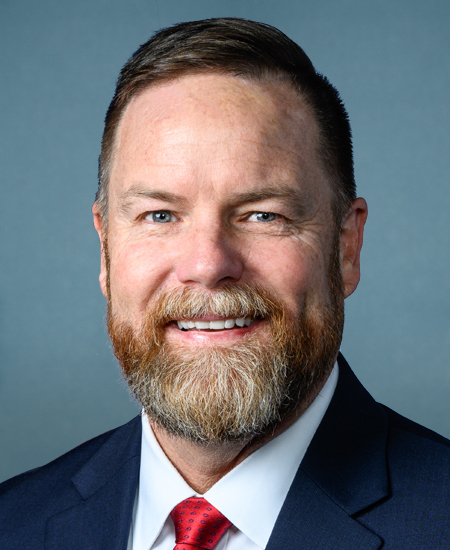
Aaron Bean
Aaron Bean House · District 4
R
Strong −
19% 16
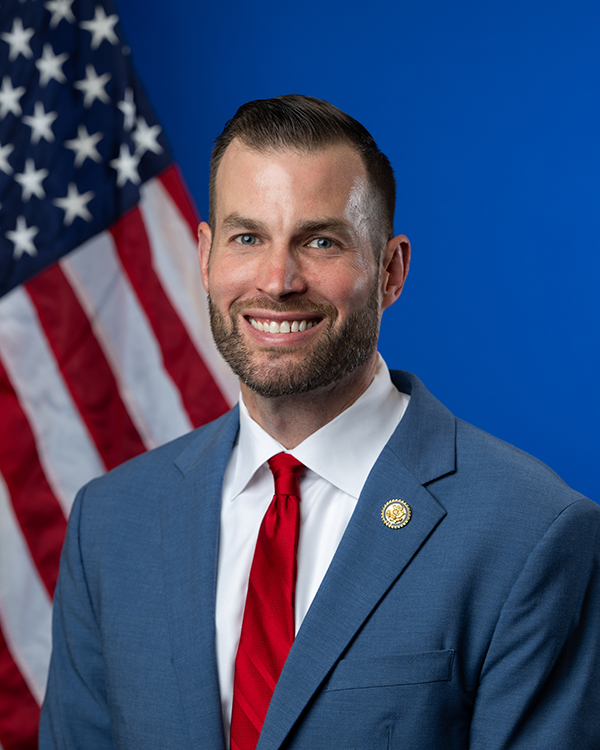
Clay Fuller
Clay Fuller House · District 14
R
Strong −
20% 5
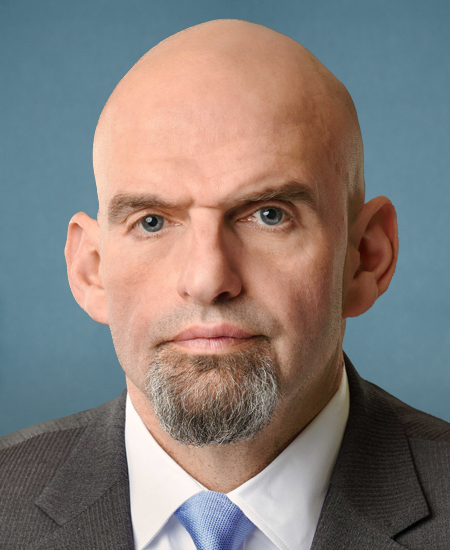
John Fetterman
John Fetterman Senate
D
Strong −
20% 5
Andrew Ogles
Andrew Ogles House · District 5
R
Oppose
21% 14
Showing 51–60 of 135 bills

All environment bills

passed · United States · House Jul 23, 2025

HR 1917: Great Lakes Mass Marking Program Act of 2025

HR 1917, the Great Lakes Mass Marking Program Act of 2025, establishes a federal program within the U.S. Fish and Wildlife Service to mass-tag hatchery-reared fish in the Great Lakes. The program directly affects federal, state, and tribal fisheries agencies by providing data on hatchery fish versus wild fish populations through automated tagging. Key provisions authorize $5 million annually (2026-2030) to purchase tagging equipment, hire staff, and share collected data with partner agencies to inform management decisions about fish stocking, habitat restoration, and balancing predator-prey relationships. This data supports the economic stability of the Great Lakes fisheries sector, which contributes over $7 billion annually to the regional economy.
Sub-Topics Wildlife
in committee · United States · House Jun 26, 2025

HR 4180: Canyon’s Law

HR 4180, "Canyon’s Law," prohibits the use of M-44 devices - predator control tools containing highly toxic sodium cyanide - on public lands managed by federal agencies like the National Park Service, Fish and Wildlife Service, and Forest Service. The bill requires all federal, state, and county agencies to remove existing M-44 devices from public lands within 30 days of enactment. It directly affects agencies and land managers who previously deployed these devices, which have caused human poisonings (including incidents involving children), killed over 50 family dogs, and harmed endangered species. The law aims to eliminate the risk of accidental exposure and non-target wildlife deaths by banning the devices' use on public lands.
in committee · United States · Senate Feb 4, 2025

S 386: Critical Water Resources Prioritization Act of 2025

This bill creates a temporary exemption process under the Endangered Species Act for water projects meeting "critical human water needs," such as municipal drinking water, firefighting, public health, or food security. Water management agencies (federal, state, or local) must first exhaust conservation measures and alternative water sources before seeking an exemption. Exemptions last up to 180 days and require monthly reports on water use, alternative development efforts, and species impacts, with annual reports to Congress. The Secretary of the Interior must issue implementing regulations within 180 days of enactment. This directly affects water agencies managing critical infrastructure during shortages while maintaining ESA protections through strict conditions and oversight.
in committee · United States · House May 15, 2025

HR 3456: CHER Act of 2025

The CHER Act of 2025 bans the display, housing, management, and breeding of African and Asian elephants in U.S. zoos and safari parks after one year from its enactment. It requires existing elephants in these facilities to be transferred to authorized wildlife sanctuaries within three years. Authorized sanctuaries must be nonprofit, accredited, provide lifelong care without breeding or public entertainment, and meet specific space and veterinary standards. The bill also mandates a feasibility study and grant program to support the transition and care of elephants in sanctuaries.
Sub-Topics Wildlife
in committee · United States · Senate Jan 14, 2025

S 85: Continued Rapid Ohia Death Response Act of 2025

S 85 authorizes $5 million annually from 2026 to 2036 to address Rapid Ohia Death, a fungus killing over 1 million native ohia trees in Hawaii. The bill directs federal agencies (Interior and Agriculture Departments) to collaborate with Hawaii state officials on research, preventing the fungus's spread, managing animals that spread it, and propagating resistant trees for forest restoration. It specifically funds ongoing efforts like studying how the fungus spreads, partnering with local groups on land management, and supporting the Institute of Pacific Islands Forestry for research. This funding directly supports Hawaii's native ecosystems and communities reliant on them.
in committee · United States · House Nov 17, 2025

HR 6053: SGLF Act of 2025

This bill authorizes $500 million over 10 years (2026-2035) to combat invasive mussels in the Great Lakes. It directs the Great Lakes Fishery Commission, in coordination with federal agencies (like the Fish and Wildlife Service and NOAA), to develop and implement strategies targeting invasive mussel species. The funding is specifically for efforts under the Great Lakes Fishery Act of 1956 and must be used in addition to existing appropriations. This directly affects the Great Lakes ecosystem and the Commission's management of invasive species.
Sub-Topics Wildlife
in committee · United States · House May 15, 2025

HR 3421: Gunnison Outdoor Resources Protection Act of 2025

The Gunnison Outdoor Resources Protection Act of 2025 designates multiple protected areas across Gunnison County, Colorado, including nine Special Management Areas, eight Wildlife Conservation Areas, four Protection Areas, two Recreation Management Areas, and expands wilderness designations through amendments to the Colorado Wilderness Act of 1993. The bill establishes specific management rules for these areas, limiting off-highway vehicle and bicycle use to designated roads and trails, requiring winter travel management plans within three years, and restricting vegetation management projects to protect ecological integrity. It also includes provisions for transferring approximately 19,080 acres to the Ute Mountain Ute Tribe in trust, withdrawing certain lands from mineral development, and establishing seasonal closures to protect wildlife habitat in specific areas. The legislation directly affects federal land management practices, recreational use, and tribal land rights across approximately 350,000 acres in Gunnison County. These changes will reshape how federal lands are managed for conservation, recreation, and tribal uses in the region.
in committee · United States · House Jul 15, 2025

HR 4422: Don’t Feed the Bears Act of 2025

This bill prohibits bear baiting on federal lands by requiring the Secretary of the Interior and Secretary of Agriculture to enforce existing bans on feeding bears for hunting purposes in National Parks and wildlife refuges, and to adopt new regulations banning baiting on Bureau of Land Management and National Forest lands within one year. It directly affects licensed hunters who currently use bait stations (piles of human-scented food like meat or fruit) to attract bears for hunting on federal lands where state law permits it. The bill aims to reduce bear habituation to human food, lower property damage costs, and decrease human-bear conflicts by ending baiting practices that make bears lose natural wariness. Exceptions are allowed only for extraordinary cases involving bear welfare, public safety, or authorized research.
in committee · United States · House Feb 4, 2026

HR 7159: Protecting Local Zoos Act of 2026

This bill amends the Lacey Act to create a registration system for facilities holding certain "prohibited wildlife species" (like big cats), directly affecting zoos and animal facilities that exhibit or possess these species. Facilities must register each animal with the U.S. Fish and Wildlife Service and then stop breeding, selling, or allowing public contact with these species. The bill explicitly excludes snow leopards and clouded leopards (and their hybrids) from the "prohibited" category. It also allows compliant facilities to export/import prohibited species to foreign facilities operating legally in their home countries.
Sub-Topics Wildlife
in committee · United States · House Jul 16, 2026

HR 1420: Pacific Flyway Habitat Enhancement Act

This bill amends the Conservation Reserve Enhancement Program to create new "seasonally flooded working lands habitat conservation agreements." It allows farmers to maintain wetland-dependent wildlife habitats on working cropland by permitting seasonal flooding with specific best management practices, while also enabling enrollment of adjacent non-eligible agricultural land critical for habitat goals. The bill establishes regional rental payment rates based on actual habitat maintenance costs and waives matching requirements for these agreements. It directly affects farmers participating in USDA conservation programs who manage lands supporting Pacific Flyway migratory bird habitats.
Sub-Topics Conservation Wildlife
Showing 51 to 60 of 135 bills
Previous 1 5 6 7 14 Next