Issue · Environment

Environment (Public Lands)

Every environment bill, vote, and legislator stance in United States, automatically classified by Maddy, our AI policy reader.

Total bills
74
119th Congress
Top supporter
Adam B. Schiff
92% support rate
Top opponent
Alan Armstrong
0% support rate
Ranked legislators
10
5 support · 5 oppose
Key legislators

Who's moving public lands in United States

Legislators moving public lands in United States
Legislator Party Stance Support rate Votes
Adam B. Schiff
Adam B. Schiff Senate
D
Strong +
92% 12
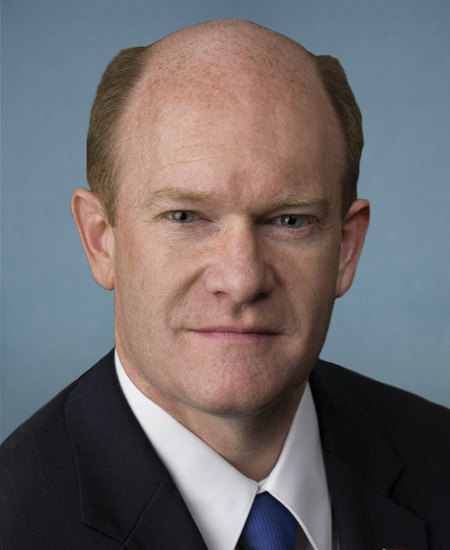
Christopher A. Coons
Christopher A. Coons Senate
D
Strong +
92% 12
Christopher Murphy
Christopher Murphy Senate
D
Strong +
92% 12
Jeanne Shaheen
Jeanne Shaheen Senate
D
Strong +
92% 12
Alex Padilla
Alex Padilla Senate
D
Strong +
85% 13
AA
Alan Armstrong Senate
R
Strong −
0% 3
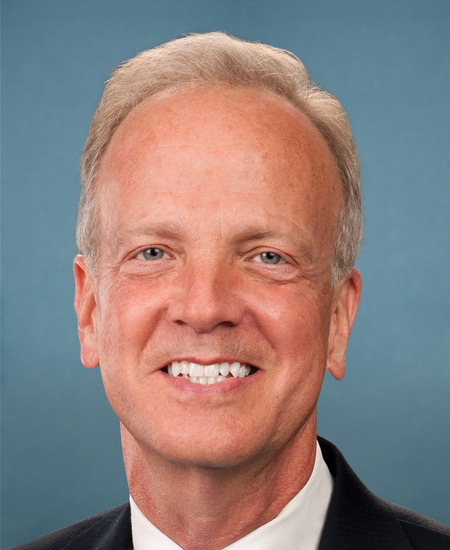
Jerry Moran
Jerry Moran Senate
R
Strong −
8% 12
Marsha Blackburn
Marsha Blackburn Senate
R
Strong −
8% 12
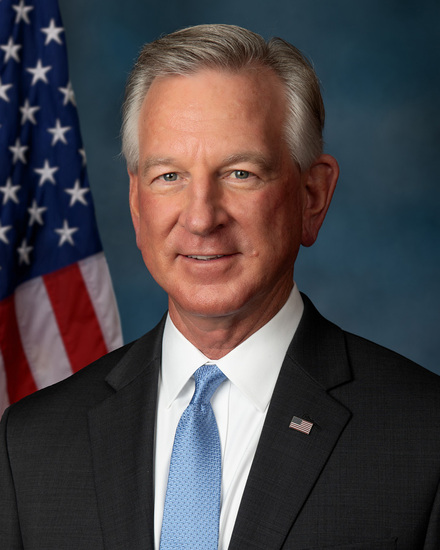
Tommy Tuberville
Tommy Tuberville Senate
R
Strong −
8% 12
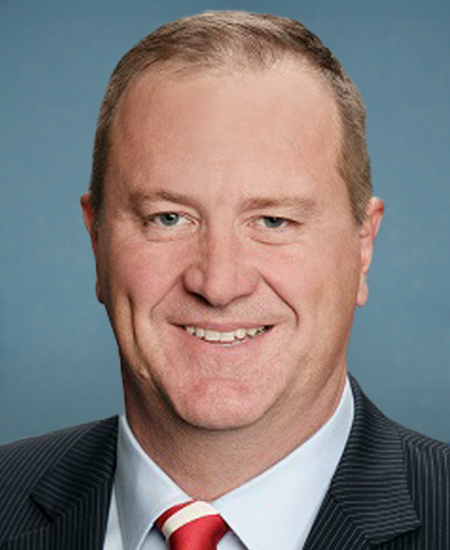
Eric Schmitt
Eric Schmitt Senate
R
Strong −
9% 11
Showing 41–50 of 74 bills

All environment bills

in committee · United States · House Feb 28, 2025

HR 774: PASTURES Act

The PASTURES Act prohibits federal agencies from penalizing livestock owners for grazing on specific federal lands without existing fences. It directly affects ranchers and livestock owners (cattle, bison, horses, sheep, goats) who graze on National Forest System lands, Fish and Wildlife Service lands, or public lands bordering private property where grazing was previously permitted but later prohibited. The bill requires the Secretary of Agriculture or Interior to cover all costs for constructing or maintaining fences meant to prevent grazing on these lands. This changes the financial responsibility from landowners to the federal government for fence-related expenses on designated "covered lands."
in committee · United States · House Jan 28, 2025

HR 745: Abundant American Resources Act of 2025

HR 745 requires federal agencies to conduct studies on the monetary value of minerals in specific areas. The Bureau of Land Management, Forest Service, and Bureau of Ocean Energy Management must each complete studies within three years to assess the value of oil, gas, and minerals in designated onshore and offshore areas, excluding national parks and certain monuments. These studies will cover areas like national monuments (excluding marine ones), areas under environmental protection, and lands withdrawn from mining or leasing. The bill does not authorize new mining or leasing but mandates data collection for future decision-making.
Sub-Topics Forestry Public Lands
in committee · United States · House Jan 7, 2025

HR 229: To prohibit the implementation of the Rock Springs Field Office Record of Decision and Approved Resource Management Plan.

This bill (HR 229) prohibits the Bureau of Land Management (BLM) from implementing, administering, or enforcing the Rock Springs Field Office's December 2024 Record of Decision and Approved Resource Management Plan. It directly affects the BLM's land management decisions in the Rock Springs area by blocking the use of this specific plan. The key mechanism is a mandatory prohibition on the Secretary of the Interior to take any action related to this plan. The bill does not change land management practices but prevents the current plan from taking effect. This is a procedural measure targeting one specific BLM document.
Sub-Topics Public Lands
in committee · United States · House Jan 7, 2025

HR 230: To prohibit the implementation of the Approved Resource Management Plan Amendment for the Buffalo, Wyoming Field Office of the Bureau of Land Management.

HR 230 prohibits the U.S. Department of the Interior from implementing a specific resource management plan amendment for the Buffalo, Wyoming Bureau of Land Management (BLM) field office. The bill blocks the Secretary of the Interior from administering or enforcing the amendment detailed in the November 27, 2024, federal register notice (89 Fed. Reg. 93650). This directly affects the Buffalo BLM office and land management activities in that region by halting the planned changes to how public lands are managed there. The bill is procedural, preventing the BLM from moving forward with this specific administrative action.
in committee · United States · House Jan 28, 2025

HR 775: No Net Gain in Federal Lands Act of 2025

HR 775, the No Net Gain in Federal Lands Act of 2025, requires the U.S. Department of the Interior and Department of Agriculture to maintain a "no net gain" in federal land ownership within any state each fiscal year. This means the total acres of federal land acquired (including fee title and other interests) cannot exceed the acres disposed of (sold or transferred) in that state during the same year. The bill mandates annual inventories and reports tracking land holdings by interest type (e.g., fee, easement), and if acquisition exceeds disposal, the President must convey equivalent land to the state within 24 months. It directly affects federal land management agencies and state governments by limiting federal land expansion without corresponding disposal.
in committee · United States · House Apr 9, 2025

HR 2773: Landowner Easement Rights Act

HR 2773, the Landowner Easement Rights Act, limits new conservation easements to 30 years and gives current landowners with certain long-term easements (over 30 years old or created before 1977 without a map) the right to renegotiate or buy back their easements. The bill requires the Secretary of the Interior to provide landowners with a detailed map and current fair market value notice within six months of a request, then offer renegotiation for a new 30-year term or payment equal to the easement's value minus prior payments (adjusted for inflation). Landowners can also choose to purchase the easement back at fair market value. The Secretary must notify landowners of these rights 3 months before specific milestones related to their easement's status. This directly affects private landowners holding eligible conservation easements managed by the Department of the Interior.
in committee · United States · House Jan 8, 2026

HR 839: No FED in West Texas Act

HR 839, the "No FED in West Texas Act," prohibits the U.S. Department of the Interior from finalizing or implementing the Muleshoe National Wildlife Refuge Land Protection Plan. This bill directly affects the U.S. Fish and Wildlife Service and the Secretary of the Interior, blocking action on a specific 2023 plan for the refuge. The key provision bans the federal government from administering or enforcing the refuge's land protection plan as outlined in the February 2023 document. The bill does not create new policy but prevents the implementation of an existing federal land management plan.
passed · United States · House Jul 23, 2026

HR 3937: Wabeno Economic Development Act

HR 3937, the Wabeno Economic Development Act, directly transfers approximately 14 acres of National Forest System land in Wisconsin from the federal government to Tony’s Wabeno Redi-Mix, LLC. The bill requires the Secretary of Agriculture to convey the land via quitclaim deed after an appraisal determines its market value, with the company paying that value plus all conveyance costs. It also includes provisions for disclosing hazardous material conditions but exempts the government from remediation responsibilities. Separately, the bill mandates a federal review of permitting processes for stone, sand, and gravel development on public lands, requiring a report on current timelines and recommendations for streamlining. This legislation primarily affects the specific company and federal land management practices, with no broader regulatory changes beyond the review requirement.
passed · United States · House Mar 19, 2026

HR 556: Protecting Access for Hunters and Anglers Act

HR 556, the Protecting Access for Hunters and Anglers Act, prevents federal agencies from banning lead ammunition or tackle on public lands and waters managed for hunting or fishing. It directly affects hunters and anglers using federal lands (like national wildlife refuges, public forests, and BLM lands) by blocking nationwide restrictions on lead products. The bill allows limited exceptions only for specific locations where wildlife decline is directly linked to lead use, and the restriction must align with state law or get approval from the state wildlife agency. This changes how federal land managers can regulate lead, requiring state coordination for any local restrictions.
in committee · United States · House Mar 25, 2026

HR 1555: Bureau of Land Management Mineral Spacing Act

This bill changes federal permitting rules for oil and gas drilling on land where the federal government owns less than half the mineral rights beneath non-federal surface land. It requires operators to use a state permit instead of a federal drilling permit, removes federal environmental review requirements under NEPA and the Endangered Species Act, and allows operations to start 30 days after submitting the state permit. It does not affect royalty payments to the federal government or apply to Indian lands. The policy directly affects oil and gas operators working on non-federal surface estates with partial federal mineral ownership.
Showing 41 to 50 of 74 bills
Previous 1 4 5 6 8 Next