Issue · Environment

Environment (Agriculture)

Every environment bill, vote, and legislator stance in United States, automatically classified by Maddy, our AI policy reader.

Total bills
79
119th Congress
Top supporter
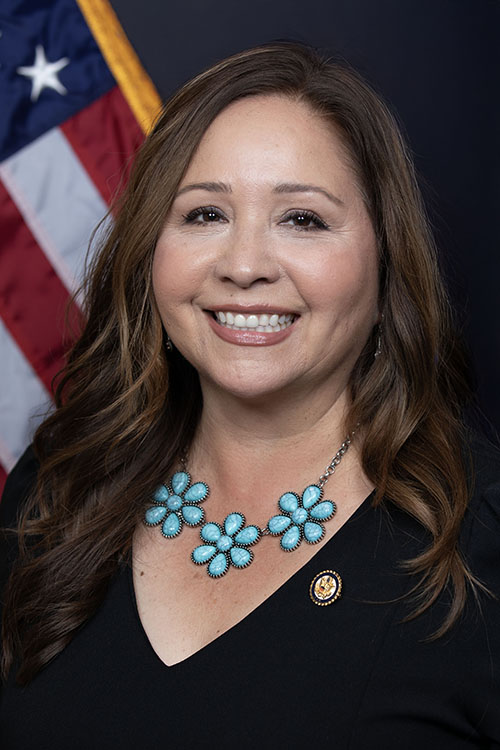
Marie Gluesenkamp Perez
89% support rate
Top opponent
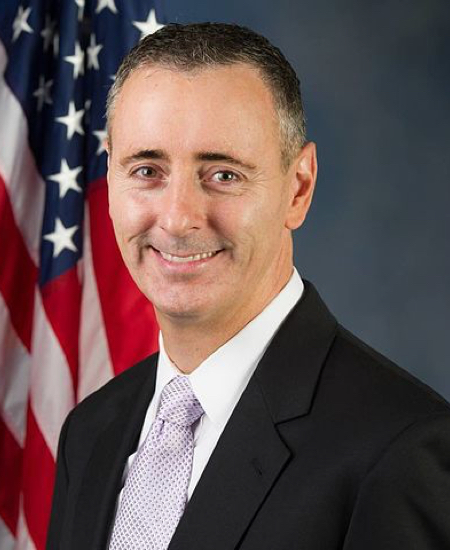
Brian K. Fitzpatrick
22% support rate
Ranked legislators
10
5 support · 5 oppose
Key legislators

Who's moving environment · agriculture in United States

Legislators moving environment in United States
Legislator Party Stance Support rate Votes
Marie Gluesenkamp Perez
Marie Gluesenkamp Perez House · District 3
D
Strong +
89% 9
Aaron Bean
Aaron Bean House · District 4
R
Support
78% 9
Abraham J. Hamadeh
Abraham J. Hamadeh House · District 8
R
Support
78% 9
Anna Paulina Luna
Anna Paulina Luna House · District 13
R
Support
78% 9
Ben Cline
Ben Cline House · District 6
R
Support
78% 9
Brian K. Fitzpatrick
Brian K. Fitzpatrick House · District 1
R
Oppose
22% 9
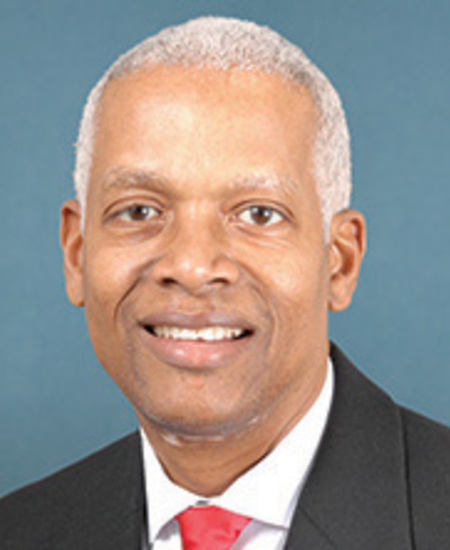
Henry C. "Hank" Johnson, Jr.
Henry C. "Hank" Johnson, Jr. House · District 4
D
Oppose
22% 9
Eleanor Holmes Norton
Eleanor Holmes Norton House · District At-Large
D
Oppose
29% 7
Pablo José Hernández
Pablo José Hernández House · District At-Large
D
Oppose
29% 7
Adelita S. Grijalva
Adelita S. Grijalva House · District 7
D
Oppose
33% 9
Showing 31–40 of 79 bills

All environment bills

in committee · United States · House Feb 28, 2025

HR 641: Coordination for Soil Carbon Research and Monitoring Act

HR 641 establishes an Interagency Committee led by the Office of Science and Technology Policy to coordinate federal soil carbon research and monitoring across agencies like Agriculture, Energy, EPA, and NOAA. The committee develops a strategic plan, oversees working groups focused on standardizing measurement methods, data management, and community engagement (especially with historically underserved agricultural groups), and submits annual progress reports to Congress. It aims to improve coordination of existing soil carbon sequestration research efforts and ensure recommendations incorporate input from soil science experts and agricultural communities. The bill does not create new programs or directly affect farmers but streamlines federal research coordination and reporting on soil carbon.
Tags Agriculture
in committee · United States · House Jan 13, 2026

HR 5196: Protect Our Farmers and Families Act of 2025

This bill bans the pesticide diquat by requiring the EPA to cancel all its registrations, prohibit sales of existing stock, and revoke food residue allowances. It directly affects farmers who use diquat for crop management and food producers who must comply with new residue limits. Key mechanisms include the EPA permanently removing diquat from the market under existing federal law, with no future reregistration allowed. The bill implements these changes immediately upon enactment, targeting environmental and food safety concerns tied to diquat use.
Tags Agriculture
in committee · United States · House Oct 28, 2025

HR 5857: FARM Act

The FARM Act requires farm equipment manufacturers (OEMs) to provide owners and independent repair shops with repair parts, tools, software, documentation, and farm equipment data on "fair and reasonable terms." This means OEMs cannot impose unreasonable restrictions (like forcing repairs through authorized dealers) or charge excessive fees for these materials. The law also prohibits manufacturers from disabling safety features or enabling modifications that would violate emissions or safety standards. The Federal Trade Commission enforces these requirements, with penalties up to $5,000 per day for violations.
Tags Agriculture
in committee · United States · Senate Mar 17, 2026

S 3737: GROW SMART Act

The GROW SMART Act provides federal funding to support voluntary water-sharing agreements between farmers and water providers (like municipalities or data centers) that conserve water while keeping farmland productive. It prioritizes innovative approaches such as regenerative agriculture, efficient irrigation technologies (e.g., drip systems), and water-saving crop practices, excluding fallowing or common crops. The program offers up to 75% federal cost-share for planning and implementation, using $5 million annually from 2028-2034, with priority for projects reducing water use by at least 40%. It directly affects agricultural communities, water districts, and municipalities in drought-prone areas seeking sustainable water management solutions.
Tags Agriculture
in committee · United States · Senate Jan 21, 2025

S 156: Increased TSP Access Act of 2025

This bill amends USDA conservation programs to expand access to technical assistance for farmers. It creates new certification pathways for third-party providers (like crop advisors, engineers, or agricultural cooperatives) through state agencies or professional organizations, rather than requiring all certification through USDA. The bill establishes standardized payment rates for these services and mandates annual public reports on certification numbers, provider types, and program effectiveness. These changes aim to increase the number of qualified providers available to help farmers implement conservation practices.
Sub-Topics Conservation Tags Agriculture
in committee · United States · Senate May 12, 2025

S 1713: Agriculture Innovation Act of 2025

This bill creates a voluntary data collection system for farmers to share field-level information on conservation practices and farming methods. It requires the USDA to build a secure data center collecting anonymized farm data on soil health, crop yields, and ecosystem impacts - voluntarily provided by producers - to analyze how practices affect productivity and environmental outcomes. The data will be used to improve USDA programs and provide farmers with internet-based tools showing how specific practices boost yields and sustainability. Strong privacy safeguards prevent disclosure of individual producer data, ensuring compliance with existing privacy laws. The bill does not mandate data sharing or require farmers to adopt new practices.
Sub-Topics Conservation Consumer Data Protection Data Privacy Tags Agriculture
in committee · United States · House Jan 13, 2026

HR 5111: CRP Improvement and Flexibility Act of 2025

The CRP Improvement and Flexibility Act of 2025 updates the Conservation Reserve Program (CRP) to give farmers more flexibility in managing enrolled land while maintaining conservation goals. It allows emergency haying during droughts or natural disasters under specific conditions (e.g., D2 drought designation or 40% forage loss) on no more than 50% of contract acres, without harming wildlife cover. The bill expands cost-sharing for grazing infrastructure like fencing and water systems and raises the annual rental payment limit from $50,000 to $125,000. These changes directly affect CRP participants by adjusting enrollment rules, management options, and payment structures.
Sub-Topics Conservation Forestry Public Lands Tags Agriculture
passed · United States · House Mar 25, 2025

HR 1326: DOE and USDA Interagency Research Act

HR 1326, the DOE and USDA Interagency Research Act, requires the Energy and Agriculture Secretaries to jointly conduct collaborative research focused on shared priorities like sustainable energy, agriculture, and climate resilience. It mandates a competitive grant process for federal agencies, universities, and nonprofits to fund projects in areas such as AI for farming/energy systems, biofuels, grid security, and rural technology development. The bill also requires a report to Congress within two years detailing research coordination, achievements, and future collaboration opportunities. This legislation directly affects federal agencies, research institutions, and agricultural/energy sectors through new funding mechanisms and joint projects, without altering existing regulations or creating new mandates for the public.
Sub-Topics Electric Grid Climate Change Forestry Artificial Intelligence Tags Agriculture Rural Communities
in committee · United States · House Dec 2, 2025

HR 5854: Sustainable Agriculture Research Act

This bill amends the National Agricultural Research, Extension, and Teaching Policy Act to prioritize sustainable agriculture research. It adds a definition for "precision agriculture" (using targeted input management like seed or fertilizer at specific times/places to cut waste) and directs research toward voluntary solutions like climate-resilient farming. Key provisions require USDA to develop technologies addressing extreme weather impacts, drought resilience, soil carbon storage, farm biofuels, and wider adoption of precision agriculture tools. The bill directly affects USDA research programs and agricultural technology developers by setting new priorities for federal agricultural research funding. It focuses on concrete research goals, not new regulations or funding levels.
Tags Agriculture
in committee · United States · House Dec 2, 2025

HR 5564: To amend the Federal Insecticide, Fungicide, and Rodenticide Act to provide for improved coordination between the Administrator of the Environmental Protection Agency and the Secretary of Agriculture, and for other purposes.

This bill requires the Environmental Protection Agency (EPA) to coordinate closely with the U.S. Department of Agriculture (USDA) when making decisions about pesticide safety rules. It mandates that the EPA conduct economic analyses of costs for farmers, state agencies, and businesses affected by pesticide safety measures, and share data on pesticide use and alternatives. The EPA must also coordinate with USDA and other agencies (like Interior and Commerce) on Endangered Species Act protections related to pesticides. These changes directly affect pesticide manufacturers, farmers, state agricultural agencies, and federal agencies involved in pesticide regulation.
Sub-Topics Wildlife Tags Agriculture
Showing 31 to 40 of 79 bills
Previous 1 3 4 5 8 Next