Issue · Environment

Environment

Every environment bill, vote, and legislator stance in United States, automatically classified by Maddy, our AI policy reader.

Total bills
497
119th Congress
Top supporter
Aisha Wahab
100% support rate
Top opponent
Marsha Blackburn
11% support rate
Ranked legislators
10
5 support · 5 oppose
Key legislators

Who's moving environment in United States

Legislators moving environment in United States
Legislator Party Stance Support rate Decisive votes
Aisha Wahab
Aisha Wahab House · District 14
D
Strong +
100% 7
Everton Blair Jr.
Everton Blair Jr. House · District 13
D
Strong +
89% 9
Martin Heinrich
Martin Heinrich Senate
D
Strong +
84% 37
Adam B. Schiff
Adam B. Schiff Senate
D
Support
79% 53
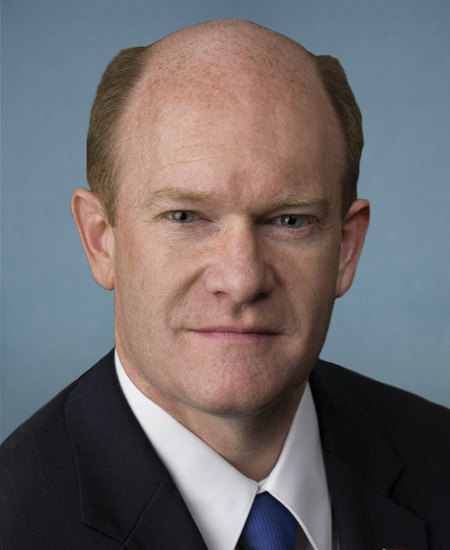
Christopher A. Coons
Christopher A. Coons Senate
D
Support
79% 52
Marsha Blackburn
Marsha Blackburn Senate
R
Strong −
11% 36
Ted Budd
Ted Budd Senate
R
Strong −
20% 40
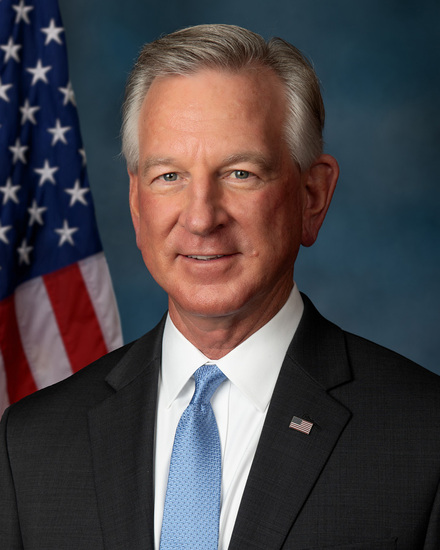
Tommy Tuberville
Tommy Tuberville Senate
R
Oppose
21% 53
Bill Cassidy
Bill Cassidy Senate
R
Oppose
22% 54
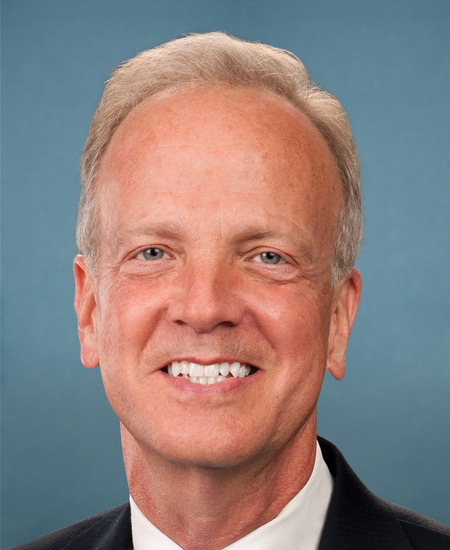
Jerry Moran
Jerry Moran Senate
R
Oppose
23% 53
Showing 291–300 of 497 bills

All environment bills

in committee · United States · House Jan 22, 2026

HR 4255: Enhancing Safety for Animals Act of 2025

HR 4255, the Enhancing Safety for Animals Act of 2025, would remove the Mexican wolf (Canis lupus baileyi) from the U.S. Endangered Species Act protections. It directly affects ranchers in the Mexican Wolf Experimental Population Area, who report livestock losses and safety concerns, and shifts regulatory authority from the U.S. Fish and Wildlife Service to state and local management. Key provisions include formally delisting the wolf, nullifying two existing federal rules governing the species, and prohibiting future consideration of Mexican wolf populations in Mexico when making ESA decisions. The bill aims to streamline livestock compensation for ranchers by changing evidentiary standards for wolf depredation claims.
Sub-Topics Wildlife
in committee · United States · House Oct 31, 2025

HR 5888: UNtaxed Act

HR 5888, the UNtaxed Act, prohibits the United Nations or its affiliated bodies from imposing taxes, tariffs, or fees on U.S. citizens or companies without a Senate-approved agreement. It also blocks U.S. funding for any United Nations activities related to implementing or enforcing a global carbon tax, which is defined as a tax on vessel emissions under a worldwide fuel system. The bill directly affects U.S. businesses and citizens who might face UN levies, and it restricts federal resources from supporting international carbon tax initiatives. This legislation aims to prevent unilateral UN taxation and funding of carbon-related policies without congressional oversight.
in committee · United States · House Mar 6, 2025

HR 1946: 45Q Repeal Act of 2025

HR 1946, the 45Q Repeal Act of 2025, eliminates the federal tax credit for carbon capture and sequestration projects. It directly affects energy companies and industrial facilities that previously used this credit to offset costs of capturing carbon dioxide emissions. The bill removes Section 45Q from the tax code and amends related provisions to delete all references to the credit, effective for taxable years starting after December 31, 2025. This ends a financial incentive that encouraged investment in carbon capture technology.
Sub-Topics Tax Credits
in committee · United States · House Jul 2, 2025

HR 4279: PROTECT USA Act of 2025

This bill prohibits U.S. companies deemed "integral to national interests" (primarily those in extractive industries like mining/energy, manufacturing, or critical minerals with significant government contracts or revenue from raw materials) from complying with foreign sustainability regulations, including the EU’s Corporate Sustainability Due Diligence Directive. It bars such entities from undertaking required environmental or social impact assessments, reporting, or corrective actions under these foreign rules. Companies facing hardship may seek presidential exemptions within 30 days, considering impacts on U.S. jobs, supply chains, and economic security. The bill also prevents U.S. courts from recognizing foreign judgments against companies for non-compliance and allows legal action against entities taking adverse actions for refusing such foreign regulations.
in committee · United States · House Jun 13, 2025

HR 3927: Nationwide Permitting Improvement Act

HR 3927, the Nationwide Permitting Improvement Act, extends the term of nationwide permits for environmental projects from five to ten years and creates a new category for "linear infrastructure projects" like pipelines and power lines. It allows these projects to receive nationwide permits if they discharge dredged or fill material into less than 3 acres of navigable waters, classifying such impacts as "minimal." The bill removes requirements for certain environmental reviews, including consultations under the Endangered Species Act and full National Environmental Policy Act assessments, replacing them with streamlined environmental assessments. This directly affects infrastructure developers and the Army Corps of Engineers, which administers the permitting process under the Clean Water Act.
Sub-Topics Water Quality Wildlife
in committee · United States · Senate Mar 13, 2025

S 1014: Maintaining Cooperative Permitting Act of 2025

This bill prevents the EPA from revoking state programs that handle permits for dredged or fill material in waterways without new congressional approval. It specifically protects existing programs in Michigan (approved 1984), New Jersey (1994), and Florida (2020), ensuring these states can continue administering their own permitting systems. The bill requires the EPA to notify states and the Army Corps if a new state program is deemed comparable to the protected ones, triggering a shift to state oversight. A 90-day transition period is included for Florida to maintain permit issuance during implementation. The law aims to preserve state authority over these environmental permits without federal interference.
in committee · United States · House Feb 24, 2026

HR 4781: RESCUE Act of 2025

The RESCUE Act of 2025 amends federal permitting rules to streamline approvals for projects extracting minerals or carbon from specific waste sources. It directly affects companies and projects working with acid mine drainage, coal waste, mine tailings, or coal byproducts to recover rare earth elements, minerals under the 1872 Mining Law, or microfine carbon. The key provision adds these activities to the existing FAST Act permit process, removing barriers for processing materials from mining waste streams. This change aims to expedite development of domestic rare earth and carbon resources without altering environmental standards. The bill focuses on clarifying permit eligibility rather than creating new regulations.
passed · United States · House May 20, 2026

HR 4684: Star-Spangled Summit Act of 2026

HR 4684, the Star-Spangled Summit Act of 2025, grants a 10-year special use permit for maintaining a U.S. flag at Kyhv Peak Lookout Point in Utah's Uinta National Forest. The permit is first issued to Robert S. Collins of Provo, Utah, or if he declines, to a qualified local resident or nonprofit with experience caring for flagpoles, prioritizing previous permit holders. Key provisions include exemption from land use fees, a process for renewal, and an explicit exemption from environmental review under the National Environmental Policy Act (NEPA). The bill directly affects only the specific location and the designated permit holder(s) at Kyhv Peak, with no broader policy changes.
Sub-Topics Forestry
in committee · United States · Senate Jan 29, 2025

S 316: Grizzly Bear State Management Act of 2025

Grizzly Bear State Management Act of 2025 This bill requires the Department of the Interior to remove the Greater Yellowstone ecosystem population of grizzly bears from the list of endangered and threatened wildlife.
Sub-Topics Wildlife
in committee · United States · House Apr 1, 2025

HR 2566: End Taxpayer Subsidies for Electric Vehicles Act

HR 2566, the "End Taxpayer Subsidies for Electric Vehicles Act," would repeal the federal tax credit that currently allows consumers to reduce their income tax when purchasing new electric vehicles. This credit, known as the clean vehicle credit under Section 30D of the Internal Revenue Code, has directly affected buyers of qualifying electric vehicles by lowering their purchase costs. The bill removes this credit entirely, meaning future buyers would no longer receive this tax benefit for new electric vehicle purchases. The repeal would apply to vehicles placed in service after the bill's enactment date, with minor technical adjustments to other tax code sections referencing the repealed credit.
Showing 291 to 300 of 497 bills
Previous 1 29 30 31 50 Next