Issue · Environment

Environment (Waste Management)

Every environment bill, vote, and legislator stance in United States, automatically classified by Maddy, our AI policy reader.

Total bills
36
119th Congress
Top supporter
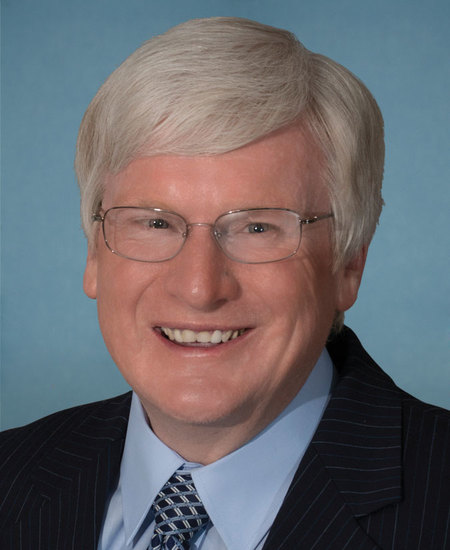
Glenn Grothman
92% support rate
Top opponent
Eleanor Holmes Norton
0% support rate
Ranked legislators
10
5 support · 5 oppose
Key legislators

Who's moving waste management in United States

Legislators moving waste management in United States
Legislator Party Stance Support rate Votes
Glenn Grothman
Glenn Grothman House · District 6
R
Strong +
92% 13
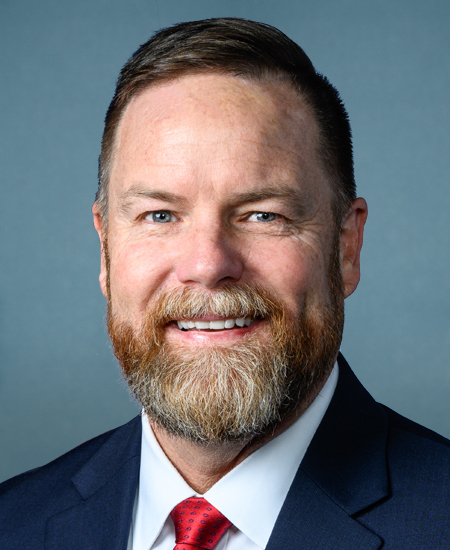
Aaron Bean
Aaron Bean House · District 4
R
Strong +
87% 15
Abraham J. Hamadeh
Abraham J. Hamadeh House · District 8
R
Strong +
87% 15
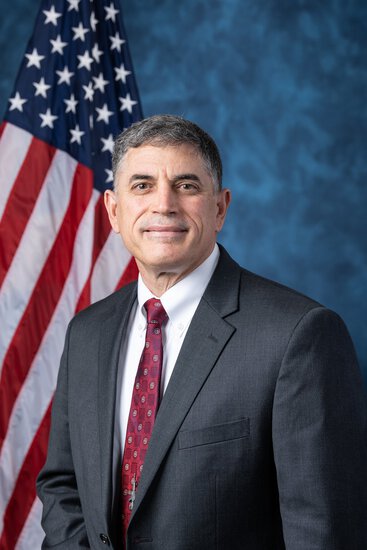
Andrew Ogles
Andrew Ogles House · District 5
R
Strong +
87% 15
Andrew S. Clyde
Andrew S. Clyde House · District 9
R
Strong +
87% 15
Eleanor Holmes Norton
Eleanor Holmes Norton House · District At-Large
D
Strong −
0% 11
Pablo José Hernández
Pablo José Hernández House · District At-Large
D
Strong −
0% 10
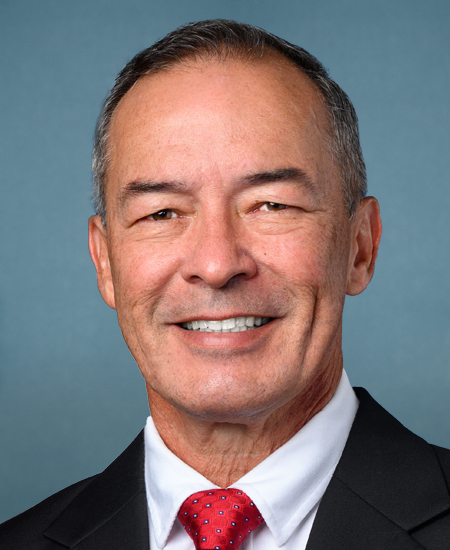
James C. Moylan
James C. Moylan House · District At-Large
R
Strong −
0% 8
Stacey E. Plaskett
Stacey E. Plaskett House · District At-Large
D
Strong −
0% 8
Adam Gray
Adam Gray House · District 13
D
Strong −
7% 15
Showing 21–30 of 36 bills

All environment bills

in committee · United States · House May 13, 2025

HR 3346: Sovereign State Environmental Quality Assurance Act

HR 3346 would eliminate the federal Environmental Protection Agency (EPA) 270 days after the bill becomes law, transferring its environmental responsibilities to state and territorial agencies. The bill allocates $4.4 billion annually (2026-2029) to states based on population for programs covering air/water quality, waste management, chemical safety, and contaminated site cleanup. States must designate a specific environmental department to manage funds, undergo audits, and repay misused funds. This directly affects all 50 states, the District of Columbia, and U.S. territories by replacing federal oversight with state-administered environmental programs.
in committee · United States · House May 21, 2026

HR 2145: Recycling Infrastructure and Accessibility Act of 2025

The Recycling Infrastructure and Accessibility Act of 2025 establishes a competitive federal grant program to fund projects improving recycling access in underserved communities. It authorizes $30 million annually (2025-2029) for grants to states, local governments, tribes, or public-private partnerships to build infrastructure like transfer stations, expand curbside collection, or reduce transport costs. Grants must be $500,000-$15 million, with 70% reserved for projects in communities lacking a materials recovery facility within 75 miles. The program requires grantees to report on implementation and outcomes, excluding funding for recycling education.
in committee · United States · House Dec 12, 2025

HR 6684: Zero Food Waste Act

The Zero Food Waste Act sets a goal to reduce food waste by 50% by 2035 compared to 2015 levels. It authorizes the Environmental Protection Agency (EPA) to award competitive grants to states, local governments, tribes, and nonprofits for projects that prevent, rescue, upcycle, or recycle food waste - such as developing waste-reduction plans, collecting data on waste generation, and implementing pricing policies to discourage landfill disposal. The bill prioritizes funding for communities of color, low-income areas, and Tribal communities disproportionately affected by environmental harm. It requires grantees to report on progress and allocates $650 million annually from 2026 to 2035 to support these efforts, with the EPA publishing yearly effectiveness reports.
passed · United States · Senate Nov 20, 2025

S 351: STEWARD Act of 2025

Strategies To Eliminate Waste and Accelerate Recycling Development Act of 2025 or the STEWARD Act of 2025 This bill establishes requirements to expand recycling and composting efforts, including by creating (1) a pilot grant program, and (2) data collection and reporting requirements. The bill directs the Environmental Protection Agency (EPA) to establish a pilot program that awards grants for improving recycling accessibility in communities, particularly in underserved communities. States, local governments, Indian tribes, and public-private partnerships may apply for those grants. The bill also directs the EPA to collect data related to composting and recycling infrastructure from states, local governments, and Indian tribes. Within three years and every four years thereafter, the EPA must prepare an inventory of certain recycling facilities in the United States. The EPA must also develop a metric for determining the proportion of recyclable materials in commercial and municipal waste streams that are being diverted from a circular market. The bill allows the EPA to develop (1) a standardized estimated rate of recyclable materials that have been brought to recycling or composting facilities, and (2) an estimated national recycling rate. The EPA may use the rates and information collected to provide states, local government, and Indian tribes data and technical assistance, such as assistance to reduce their overall waste and to increase their recycling and composting rates. The bill establishes a variety of reporting requirements for the EPA and directs the Government Accountability Office to publish a report on certain federal agency activities related to recycling.
in committee · United States · House May 14, 2026

HR 4109: Recycling and Composting Accountability Act

HR 4109, the Recycling and Composting Accountability Act, requires the Environmental Protection Agency (EPA) to collect and report detailed data on recycling and composting infrastructure across the U.S. The bill mandates reports on composting facilities, materials recovery centers (which process recyclable materials like plastic, paper, and metal), contamination rates, and barriers to expanding these programs. It also directs the EPA to develop standardized recycling rates, track end-market sales of recycled materials, and assess how much recyclable material is diverted from reuse. These reports will be submitted to Congress and used by states, local governments, and tribes to improve recycling access, reduce waste, and inform future policy decisions.
in committee · United States · House May 1, 2025

HR 3166: Local Food Recycling and Regenerative Opportunities Act

HR 3166 creates a 30% federal tax credit for homeowners who install qualified food recycling appliances or use organic waste collection services. It directly affects individual taxpayers in U.S. principal residences by covering 30% of costs for appliances that process food waste (via dehydration/size reduction) and services that collect pre-processed organic waste. The credit is capped at $300 per appliance and $120 total for services annually, expires after 2031, and prevents double benefits with other deductions. This policy aims to reduce landfill waste from household food scraps through tax incentives, effective for 2026 tax years and later.
in committee · United States · House Feb 12, 2026

HR 7523: Spent Petroleum Catalyst Recycling and Critical Minerals and Metals Recovery Exemption Act

This bill exempts facilities recycling spent petroleum catalyst for metal recovery (like vanadium) from certain waste regulations under the Solid Waste Disposal Act. It specifically removes the requirement for these facilities to comply with Boilers and Industrial Furnaces (BIF) rules, applying to thermal treatment units (e.g., roasters) and metallurgical units (e.g., furnaces) that process catalyst into intermediate products or recover metals. The exemption covers spent hydrotreating and hydrorefining catalyst (EPA hazardous wastes K171/K172) and allows third-party transfer for recycling. This aims to streamline domestic recovery of critical minerals - such as vanadium used in steel for defense and infrastructure - without adding new environmental regulations, as current air permits already enforce safeguards.
in committee · United States · House Nov 18, 2025

HR 6080: CLEANER Act of 2025

The CLEANER Act of 2025 requires the EPA to evaluate within one year whether drilling fluids, produced waters, and other wastes from oil, gas, and geothermal operations qualify as hazardous waste under federal law. If determined hazardous, the EPA must list these wastes and create tailored regulations for their handling, while also setting new safety standards for facilities managing non-hazardous waste from these sources. Key provisions include mandatory groundwater monitoring, location criteria for waste facilities, and financial assurance requirements to protect public health and the environment. This bill directly affects oil and gas producers, waste management facilities, and geothermal energy operations by imposing new regulatory obligations on their waste streams.
passed · United States · Senate Nov 20, 2025

S 2110: REUSE Act of 2025

The REUSE Act of 2025 requires the Environmental Protection Agency (EPA) to produce a report within two years of enactment. The report will evaluate the feasibility, best practices, and economic impacts of reuse and refill systems for products like food, beverages, cleaning supplies, and shipping containers across various sectors. It will specifically assess job creation opportunities, cost benefits for businesses and waste management, equitable access in different communities, and existing barriers to implementing such systems. The bill does not mandate new regulations but directs the EPA to study how reuse systems could be expanded, affecting businesses and communities that might adopt these models.
in committee · United States · Senate Feb 11, 2025

S 510: Financing Our Energy Future Act

The Financing Our Energy Future Act (S 510) expands tax-qualified activities for green energy publicly traded partnerships under the Internal Revenue Code. It directly affects businesses investing in renewable energy projects by adding specific eligible activities, such as generating power from qualified renewable sources (e.g., solar, wind, or advanced nuclear), storing energy using new technology, capturing carbon dioxide, and producing low-emission fuels. Key provisions require new fuels to achieve at least a 60% reduction in lifecycle greenhouse gas emissions compared to baseline standards, and mandate that carbon capture facilities capture at least 50% of their carbon oxide output. The changes take effect for taxable years beginning after December 31, 2025.
Showing 21 to 30 of 36 bills
Previous 1 2 3 4 Next