Issue · Environment

Environment (Conservation)

Every environment bill, vote, and legislator stance in United States, automatically classified by Maddy, our AI policy reader.

Total bills
385
119th Congress
Top supporter
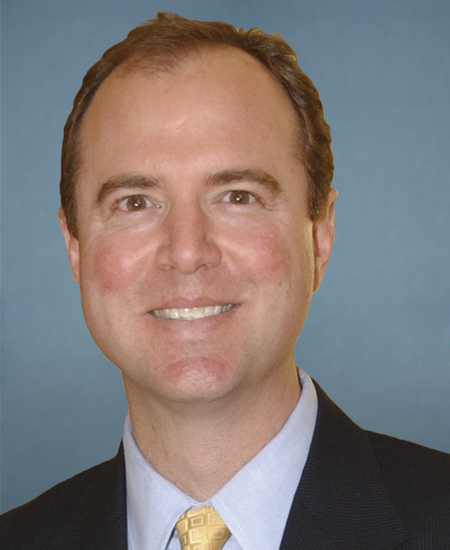
Adam B. Schiff
100% support rate
Top opponent
Ashley Moody
0% support rate
Ranked legislators
10
5 support · 5 oppose
Key legislators

Who's moving conservation in United States

Legislators moving conservation in United States
Legislator Party Stance Support rate Votes
Adam B. Schiff
Adam B. Schiff Senate
D
Strong +
100% 9
Alex Padilla
Alex Padilla Senate
D
Strong +
100% 9
Amy Klobuchar
Amy Klobuchar Senate
D
Strong +
100% 9
Andy Kim
Andy Kim Senate
D
Strong +
100% 9
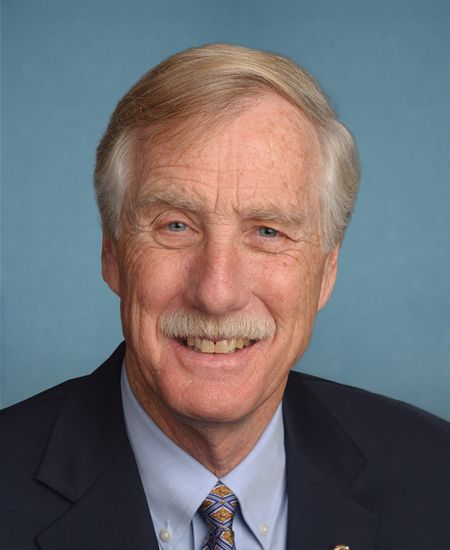
Angus S. King, Jr.
Angus S. King, Jr. Senate
I
Strong +
100% 9
Ashley Moody
Ashley Moody Senate
R
Strong −
0% 9
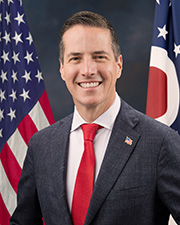
Bernie Moreno
Bernie Moreno Senate
R
Strong −
0% 9
Bill Cassidy
Bill Cassidy Senate
R
Strong −
0% 9
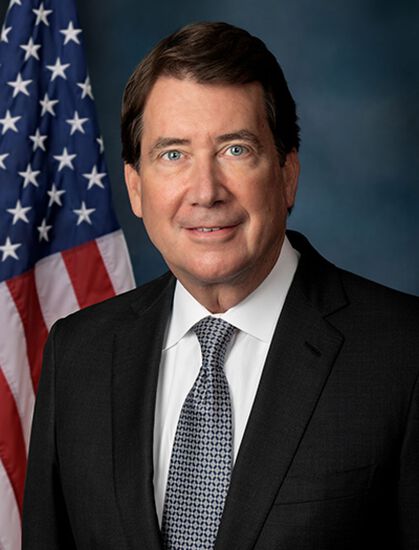
Bill Hagerty
Bill Hagerty Senate
R
Strong −
0% 9
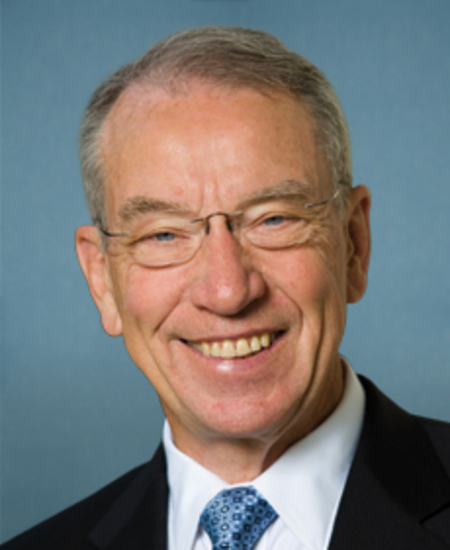
Chuck Grassley
Chuck Grassley Senate
R
Strong −
0% 9
Showing 271–280 of 385 bills

All environment bills

in committee · United States · House Mar 20, 2026

HR 7627: Tribal Conservation Priorities Inclusion Act

This bill updates key federal conservation programs to explicitly include tribal lands and tribes as eligible participants. It amends the Environmental Quality Incentives Program (EQIP), Conservation Stewardship Program (CSP), and related initiatives to ensure tribes are treated equally with local entities for program eligibility. The main change adds "tribal" before "local" in program descriptions and specifies that areas on tribal land (as defined by law) qualify for funding. This removes barriers for tribes to directly access conservation assistance on their lands under these existing programs.
Sub-Topics Conservation Public Lands Tags Tribal Nations
in committee · United States · Senate Dec 9, 2025

S 1870: Rim of the Valley Corridor Preservation Act

This bill formally adds the "Rim of the Valley Unit" to the Santa Monica Mountains National Recreation Area by adjusting its boundaries. It specifies the exact land, water, and interests to be included, using two referenced maps (one from 2001 and a proposed 2023 addition). The addition does not change how the area is managed overall but requires that existing water and utility facilities continue operating while minimizing impacts on the area's natural resources. The change directly affects the lands within the newly defined boundaries, incorporating them into the existing national recreation area framework.
in committee · United States · Senate Mar 6, 2025

S 887: Basin Fund Preservation Act

S 887, the Basin Fund Preservation Act, requires the Interior and Energy Secretaries to create a memorandum of understanding (MOU) with the Glen Canyon Dam Work Group. This MOU must address how a 2024 decision about Glen Canyon Dam operations affects the Upper Colorado River Basin Fund, including impacts on infrastructure maintenance, hydropower production costs, and endangered species protections. The bill mandates the MOU include specific plans to manage these effects using existing hydropower contract data. It directly affects federal agencies managing the Fund and Glen Canyon Dam operations, without altering current laws or creating new obligations.
in committee · United States · Senate Apr 9, 2025

S 1366: Boundary Waters Wilderness Protection Act

This bill withdraws approximately 225,504 acres of federal land and waters in Minnesota's Rainy River Watershed (Superior National Forest) from public land laws, mining claims, and mineral leasing. It directly affects the area by prohibiting new development, mining, and land disposal within the designated boundary. The bill allows limited removal of sand, gravel, granite, iron ore, and taconite under Forest Service approval if environmental impacts on water, air, and habitat are deemed non-detrimental.
in committee · United States · Senate Mar 5, 2025

S 871: Hawaii Native Species Conservation and Recovery Act of 2025

This bill establishes a federal grant program to fund conservation projects for native plants, fungi, and animals in Hawaii. Eligible entities - including the State of Hawaii, local governments, Native Hawaiian organizations, nonprofits, businesses, and schools - can apply for funding to address threats like invasive species, climate change impacts, and habitat loss. Federal funding covers up to 75% of project costs (or 100% for projects by Native Hawaiian organizations or focused on youth workforce development), with at least 5% of annual funds reserved for these priority projects. The program requires annual reporting to Congress on funded projects and their progress, ensuring transparency in how funds support Hawaii's native species recovery.
in committee · United States · Senate Apr 10, 2025

S 1495: NRCS Wetland Compliance and Appeals Reform Act

S 1495 reforms how the Natural Resources Conservation Service (NRCS) handles wetland compliance and appeals for farmers and ranchers. It requires NRCS to prove violations (not farmers to prove innocence), prohibits retroactive penalties for past wetland conversions, and prevents NRCS from changing its arguments after a successful appeal. The bill also mandates on-site visits during appeals, creates farmer-led State oversight committees, and requires customer satisfaction surveys after wetland determinations. These changes directly affect agricultural landowners who interact with NRCS regarding wetland assessments.
Sub-Topics Conservation Tags Agriculture
in committee · United States · Senate Mar 31, 2025

S 1207: Feral Swine Eradication Act

The Feral Swine Eradication Act makes a federal program for controlling feral swine permanent, replacing a previous pilot initiative. It allocates $75 million for fiscal years 2025-2030 to fund eradication efforts in areas where feral swine threaten agriculture, ecosystems, or human/animal health (as determined by the Secretary). The bill requires one year of post-eradication monitoring in affected areas and mandates two reports to Congress detailing program activities, funding use, and success in reducing swine-related damage to crops, wildlife, and public safety.
Sub-Topics Conservation Wildlife
in committee · United States · Senate Jan 21, 2025

S 171: A bill to remove the lesser prairie-chicken from the lists of threatened species and endangered species published pursuant to the Endangered Species Act of 1973, to amend that Act to exclude the lesser prairie-chicken from the authority of that Act, and for other purposes.

This bill removes the lesser prairie-chicken from the federal endangered and threatened species lists under the Endangered Species Act. It specifically amends the Act to permanently prevent the U.S. Fish and Wildlife Service from re-listing the bird as endangered or threatened in the future. The legislation directly affects the regulatory protections for this bird species, ending federal conservation requirements like habitat restrictions or project reviews under the ESA. The change applies to all populations of the lesser prairie-chicken across its range.
Sub-Topics Conservation Wildlife
in committee · United States · House Apr 9, 2025

HR 2771: Forest Legacy Management Flexibility Act

HR 2771, the Forest Legacy Management Flexibility Act, allows states to authorize qualified organizations (like accredited land trusts) to acquire, hold, and manage conservation easements under the Forest Legacy Program instead of requiring states to handle all such easements directly. To qualify, organizations must meet IRS standards for conservation purposes, maintain Land Trust Accreditation Commission accreditation, and demonstrate ability to monitor and enforce easements. The bill includes safeguards requiring easements to revert to the state or another approved organization if the qualified organization fails to meet program requirements or modifies easements inconsistently. This directly affects states administering the Forest Legacy Program and eligible land conservation groups working on forestland protection.
in committee · United States · House Dec 11, 2025

HR 6674: CLAIM Act of 2025

HR 6674, the CLAIM Act of 2025, changes the annual maintenance fee for hardrock mining claims on federal land based on proximity to protected areas like National Parks and monuments. It establishes tiered fees: $1,100 for claims mostly within protected areas, decreasing to $300 for claims over 30 miles away, replacing the traditional "assessment work" requirement under the 1872 Mining Law. Small miners (holding ≤10 claims, ≤200 acres, or earning <$50,000 annually from mining) are exempt from these fees. Excess fees collected fund conservation programs, with 40% allocated to infrastructure projects, 20% to Tribal preservation, and 10% each to the Land and Water Conservation Fund and national park restoration. The bill directly affects individual miners and small operations holding claims near protected lands.
Showing 271 to 280 of 385 bills
Previous 1 27 28 29 39 Next