Issue · Environment

Environment (Wildlife)

Every environment bill, vote, and legislator stance in United States, automatically classified by Maddy, our AI policy reader.

Total bills
135
119th Congress
Top supporter
Greg Casar
83% support rate
Top opponent
Susan M. Collins
0% support rate
Ranked legislators
10
5 support · 5 oppose
Key legislators

Who's moving wildlife in United States

Legislators moving wildlife in United States
Legislator Party Stance Support rate Votes
Greg Casar
Greg Casar House · District 35
D
Strong +
83% 12
Judy Chu
Judy Chu House · District 28
D
Strong +
81% 16
Bill Foster
Bill Foster House · District 11
D
Strong +
80% 15
Chellie Pingree
Chellie Pingree House · District 1
D
Strong +
80% 15
Steven Horsford
Steven Horsford House · District 4
D
Strong +
80% 15
Susan M. Collins
Susan M. Collins Senate
R
Strong −
0% 5
Aaron Bean
Aaron Bean House · District 4
R
Strong −
19% 16
Clay Fuller
Clay Fuller House · District 14
R
Strong −
20% 5
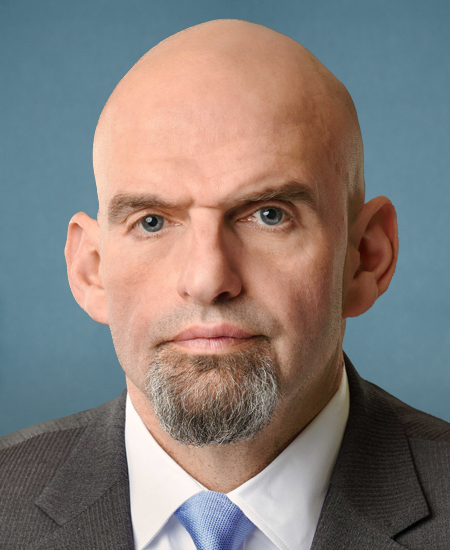
John Fetterman
John Fetterman Senate
D
Strong −
20% 5
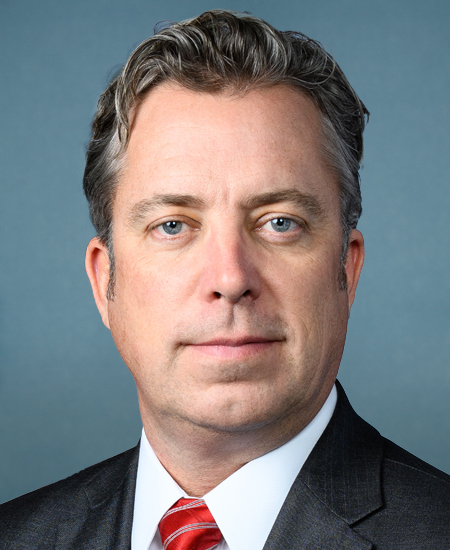
Andrew Ogles
Andrew Ogles House · District 5
R
Oppose
21% 14
Showing 131–135 of 135 bills

All environment bills

passed · United States · Senate Apr 5, 2025

SRES 157: A resolution designating April 2025 as "National Native Plant Month".

SRES 157 designates April 2025 as "National Native Plant Month" to recognize the environmental and ecological benefits of native plants. The resolution highlights that native plants - indigenous species adapted to specific regions - support biodiversity, improve air and water quality, stabilize soils, and provide essential food and habitat for wildlife like birds and pollinators. As a non-binding Senate resolution, it does not create new laws or funding but aims to raise public awareness about conserving native plant species, which face threats from habitat loss and invasive species.
in committee · United States · House Nov 19, 2025

HR 6078: Wildlife Road Crossings Program Reauthorization Act of 2025

This bill reauthorizes and permanently funds the Wildlife Road Crossings Program through fiscal years 2026-2031, allocating $200 million annually for projects that build wildlife crossings (like overpasses or underpasses) to reduce animal-vehicle collisions. It directly affects state and tribal governments, local agencies, and conservation groups that design and build these crossings, with specific provisions ensuring 100% federal cost coverage for tribal projects. Key mechanisms include dedicated annual funding, streamlined application assistance for tribes, and rules allowing unobligated funds to roll over for future use. The bill removes "pilot" language from prior law, making the program permanent and expanding tribal participation.
in committee · United States · House Oct 14, 2025

HR 5762: New York-New Jersey Watershed Protection Act of 2025

This bill establishes the New York-New Jersey Watershed Restoration Program to coordinate and fund habitat restoration and water quality improvements across the shared watershed region. It creates a competitive grant program providing federal matching funds (up to 90% for small/rural/disadvantaged communities) to state/local governments, nonprofits, and tribes for projects advancing habitat restoration, climate resilience, and public access. The program prioritizes communities facing environmental injustice and requires coordination with existing regional conservation plans like the Hudson River Estuary Program. Funding of $20 million annually (2026-2031) will support these activities, with 75% dedicated to the grant program and all projects supplementing existing conservation efforts.
in committee · United States · House Apr 24, 2025

HRES 346: Expressing the need for protecting and conserving at least 50 percent of the land, freshwater, and ocean ecosystems in the United States and encouraging diplomatic community efforts to achieve this goal worldwide.

HRES 346 is a non-binding congressional resolution expressing support for protecting and conserving at least 50% of U.S. land, freshwater, and ocean ecosystems. It urges Congress to advance this goal while encouraging international diplomatic efforts to achieve similar conservation targets globally. The resolution cites scientific evidence on biodiversity loss (including a 73% average decline in wildlife populations since 1970) and emphasizes that protecting natural areas provides climate mitigation, economic, and public health benefits. It references E.O. Wilson’s scientific estimate that protecting half the Earth’s surface would preserve 85% of species, and notes the need for equitable implementation to address historical disparities in conservation impacts. As a resolution, it does not create new laws or funding but formally states congressional support for this conservation target.
Sub-Topics Conservation Wildlife
in committee · United States · Senate May 22, 2025

SRES 248: A resolution expressing the need for the Federal Government to establish a national biodiversity strategy for protecting biodiversity for current and future generations.

This resolution (SRES 248) calls on the federal government to create a national biodiversity strategy to address accelerating biodiversity loss. It specifically urges the establishment of a coordinated strategy with key goals, including protecting at least 30% of U.S. lands and waters by 2030 (the "30x30" target), protecting endangered species, integrating climate action, and incorporating Indigenous knowledge. The strategy would require federal agencies to coordinate conservation efforts, collaborate with states, tribes, and communities, and ensure equitable access to nature for historically impacted groups like Tribal communities and communities of color. As a non-binding resolution, it directs agencies to develop this strategy but does not create new laws or funding.
Sub-Topics Conservation Wildlife Tags Tribal Nations
Showing 131 to 135 of 135 bills
Previous 1 12 13 14