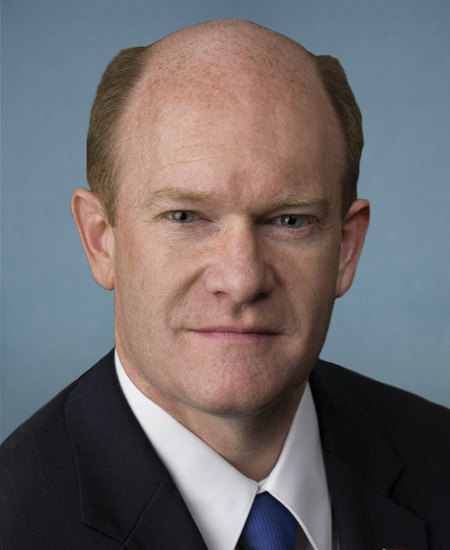
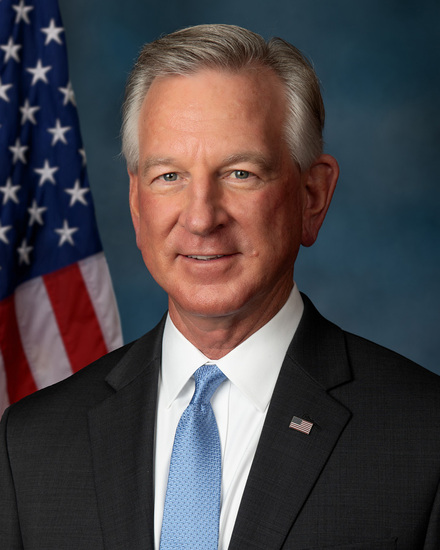
Key legislators
Who's moving environment in United States
Showing 3 of 3
bills
All environment bills
This bill extends the deadline for specific regulations protecting the North Atlantic right whale from 2028 to 2035. The change directly affects the U.S. government agencies responsible for enforcing these conservation rules, such as the National Marine Fisheries Service. By updating the Consolidated Appropriations Act, 2023, the legislation ensures that current protective measures remain in effect for an additional seven years. This adjustment allows regulators more time to gather data and potentially develop new strategies before the regulations expire.
Farm, Food, and National Security Act of 2026 This bill (commonly known as the farm bill) reauthorizes through FY2031 and modifies Department of Agriculture programs that address commodity support, conservation, trade and international food aid, nutrition assistance, farm credit, rural development, research and extension activities, forestry, energy, horticulture, crop insurance, livestock and other animals, and foreign investments in U.S. agricultural land.
Nationwide Consumer and Fuel Retailer Choice Act of 2025 This bill amends the Clean Air Act to address the limitations on Reid Vapor Pressure (a measure of gasoline's volatility) that are placed on gasoline during the summer ozone season. Specifically, the bill applies the waiver for Reid Vapor Pressure requirements that is applicable to gasoline blended with 10% ethanol (E10) to gasoline blended with up to 15% ethanol (E15). This change allows gasoline that is blended with 10% to 15% ethanol to be sold year-round. Currently, states may be excluded from the waiver for Reid Vapor Pressure requirements by submitting documentation supporting that the waiver would increase air pollution. The bill nullifies existing state exclusions, but states may submit documentation after enactment of the bill to be excluded going forward. The bill also modifies the Renewable Fuel Standard Program, which requires transportation fuel sold or introduced into commerce in the United States to contain minimum volumes of renewable fuel. Under the existing program, obligated parties, such as small refineries, must satisfy the volume obligations by either blending renewable fuels into their gasoline or diesel fuel products or by acquiring credits that represent the required renewable fuel volume. The bill directs the Environmental Protection Agency to return compliance credits to small refineries under certain circumstances.