Key legislators
Who's moving environment in United States
Legislators moving environment in United States
| Legislator |
Party |
Stance |
Support rate |
Votes |
|
|
D |
|
84% |
215 |
|
|
D |
|
79% |
231 |
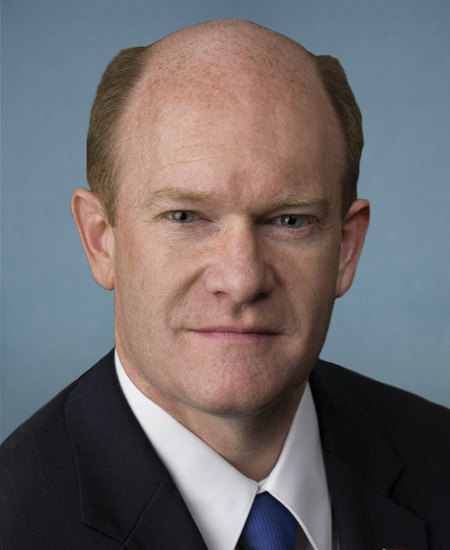
Christopher A. Coons
Senate
|
D |
|
79% |
229 |
|
|
D |
|
78% |
232 |
|
|
D |
|
78% |
232 |
|
|
R |
|
11% |
211 |
|
|
R |
|
20% |
220 |
|
|
R |
|
21% |
229 |
|
|
R |
|
22% |
221 |
|
|
R |
|
23% |
228 |
Showing 21–24 of 24
bills
All environment bills
HR 471, the Fix Our Forests Act, establishes a new system for identifying and managing high-risk wildfire areas called "firesheds" and creates a centralized Fireshed Center to coordinate wildfire risk management across federal agencies. The bill streamlines environmental reviews for wildfire risk reduction projects, allowing for faster implementation of hazardous fuels management activities in designated areas. It includes provisions for community wildfire risk reduction programs, water source protection, and specific initiatives for restoring white oak forests. The legislation also includes litigation reforms to expedite forest management projects and reduce delays from legal challenges. These provisions aim to reduce wildfire risk and improve forest health through more coordinated, data-driven management approaches.
HR 788 requires the Department of Energy (DOE) and Small Business Administration (SBA) to establish formal agreements for joint research and development (R&D) projects. This mandates that small businesses must be included in these collaborative efforts, aligning DOE and SBA missions to advance shared goals like clean energy innovation. The bill creates a two-year reporting requirement for the agencies to Congress, detailing coordination, research achievements, and future collaboration opportunities. It does not authorize new funding and ensures R&D activities comply with existing research security rules.
The Protecting American Energy Production Act (HR 26) states that Congress believes states should have primary authority to regulate hydraulic fracturing (fracking) for oil and natural gas on state and private lands. It prohibits the President from imposing a moratorium on fracking without a new law passed by Congress. This bill directly affects federal executive authority by preventing unilateral federal bans and reinforces state regulatory roles. The key provision ensures any federal restriction on fracking would require a specific act of Congress, rather than executive action.
This bill continues federal efforts to combat Rapid Ohia Death, a fungal disease threatening Hawaii's native ohia trees (Metrosideros polymorpha). It mandates ongoing research on disease transmission, management of invasive animals (like goats) that spread the disease, and funding for forest restoration through collaboration between federal agencies (Interior, Agriculture), Hawaii state, and local stakeholders. The key provisions require the U.S. Geological Survey and Forest Service to sustain research, partner on land management, and provide financial assistance to prevent disease spread and restore native forests. The bill directly affects Hawaii's ecosystems, particularly the culturally significant ohia tree species and the state's native forest habitats.