Issue · Energy

Energy (Pipeline Infrastructure)

Every energy bill, vote, and legislator stance in United States, automatically classified by Maddy, our AI policy reader.

Total bills
63
119th Congress
Top supporter
Thomas Massie
80% support rate
Top opponent
Jared F. Golden
0% support rate
Ranked legislators
10
5 support · 5 oppose
Key legislators

Who's moving pipeline infrastructure in United States

Legislators moving pipeline infrastructure in United States
Legislator Party Stance Support rate Votes
Thomas Massie
Thomas Massie House · District 4
R
Strong +
80% 5
Brian K. Fitzpatrick
Brian K. Fitzpatrick House · District 1
R
Support
67% 6
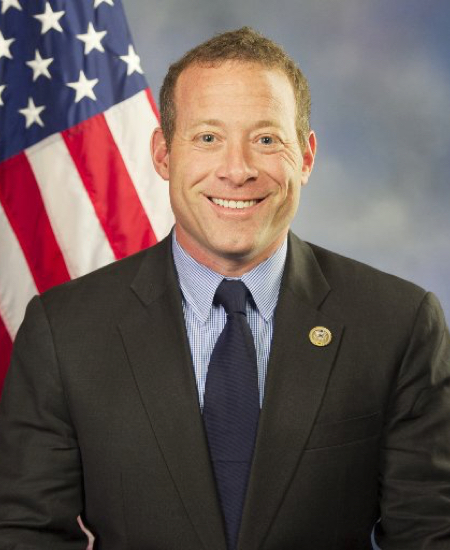
Josh Gottheimer
Josh Gottheimer House · District 5
D
Support
67% 6
Adelita S. Grijalva
Adelita S. Grijalva House · District 7
D
Support
67% 3
Anna Paulina Luna
Anna Paulina Luna House · District 13
R
Support
67% 3
Jared F. Golden
Jared F. Golden House · District 2
D
Strong −
0% 6
Marie Gluesenkamp Perez
Marie Gluesenkamp Perez House · District 3
D
Strong −
0% 6
Adam Gray
Adam Gray House · District 13
D
Strong −
0% 5
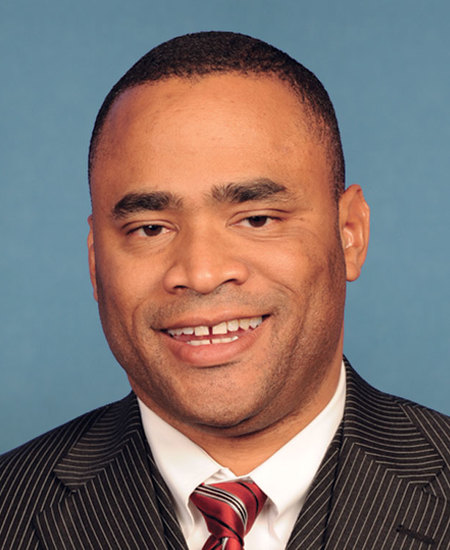
Marc A. Veasey
Marc A. Veasey House · District 33
D
Strong −
0% 4
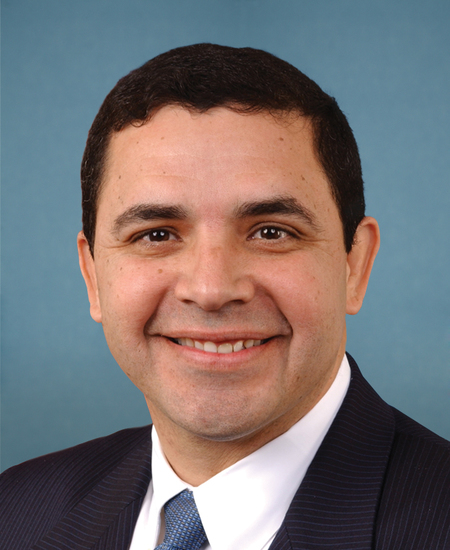
Henry Cuellar
Henry Cuellar House · District 28
D
Strong −
17% 6
Showing 1–10 of 63 bills

All energy bills

in committee · United States · House Sep 4, 2026

HR 10302: Certainty in Litigation for Electric Asset Reliability (CLEAR) Act of 2026

The Certainty in Litigation for Electric Asset Reliability (CLEAR) Act of 2026 amends the Federal Power Act to streamline the permitting process for new electric transmission facilities. It designates the Federal Energy Regulatory Commission as the lead agency for coordinating federal authorizations and requires agencies to consolidate their review records into a single joint decision document. Additionally, the bill standardizes legal challenges by allowing parties to seek rehearing or judicial review of these approvals only through the procedures established in Section 313 of the Federal Power Act.
in committee · United States · House Sep 3, 2026

HR 10262: 21st Century SPR Act

The 21st Century Strategic Petroleum Reserve Act requires the Secretary of Energy to request that the National Petroleum Council submit a report to Congress within one year. This report must analyze opportunities to modernize the physical infrastructure and operations of the Strategic Petroleum Reserve to better handle supply shocks. Key areas for analysis include expanding geographic distribution, storing refined petroleum products, eliminating mandated sales, and increasing storage capacity and pipeline flow capability. The legislation also mandates an evaluation of the Life Extension II project and requires that the final report be made publicly available.
in committee · United States · Senate Aug 6, 2026

S 5306: Affordable Electricity Rates Act of 2026

The Affordable Electricity Rates Act of 2026 amends the Federal Power Act to require the Federal Energy Regulatory Commission (FERC) to evaluate whether electricity rates are affordable for consumers when determining if they are "just and reasonable." The bill establishes a presumption that rates are unaffordable if they are likely to cause retail electricity prices to increase by 5 percent or more. If FERC determines that a rate is unaffordable under these criteria, it cannot be approved as just and reasonable. This legislation directly affects electric consumers by introducing affordability as a mandatory factor in federal rate-setting decisions for wholesale electricity markets.
in committee · United States · Senate Jul 30, 2026

S 5176: National Guard for National Service Act

This bill creates a pilot program that brings together the National Guard and the Corporation for National and Community Service to address workforce needs and national security goals. The program would allow National Guard members to work alongside national service participants on projects such as protecting critical infrastructure like energy grids and water systems, improving cybersecurity for schools and local governments, and enhancing disaster preparedness. It also aims to build a career pipeline that connects part-time Guard and Reserve members with structured employment opportunities to help address economic insecurity. Ultimately, the legislation seeks to expand community resilience and ensure workforce stability through these coordinated activities.
in committee · United States · House Jul 22, 2026

HR 9855: CURRENT Act

The CURRENT Act modifies the Federal Water Pollution Control Act to streamline how states and federal agencies issue certifications for energy and transmission projects. It requires these agencies to publish clear certification rules, set a strict one-year deadline to decide on requests, and base decisions solely on whether a project will violate specific water quality laws. The bill also mandates that denials or conditions must be supported by clear and convincing evidence showing no reasonable way exists to meet environmental standards, while protecting applicants from having certifications reopened without a court order. Additionally, it establishes a fast-track judicial review process for energy projects, requiring courts to issue final rulings within 120 days.
in committee · United States · House Jul 23, 2026

HR 9945: Lowering Energy Costs through Grid Modernization Act

The Lowering Energy Costs through Grid Modernization Act encourages utilities to upgrade power lines by replacing old conductors with more efficient ones that carry more electricity and generate less heat. To support these upgrades, the bill allows for faster federal environmental reviews and makes it easier to secure permits for projects that fit within existing land rights. Additionally, the legislation expands a federal tax credit to include these high-performance transmission upgrades, offering a higher credit rate for smaller projects or those meeting specific domestic content requirements.
in committee · United States · House Jul 21, 2026

HR 9806: FLOWS Act

The FLOWS Act updates regulations for hydropower projects by clarifying which changes require Federal Energy Regulatory Commission approval and exempting routine maintenance from such requirements. It also establishes a new, streamlined licensing process for small-scale micro hydrokinetic energy projects that generate up to 5 megawatts from moving water without impounding it. Under this new section, applicants would file a notification of intent followed by a formal application, with the Commission required to issue a final decision within one year. Additionally, the bill mandates that the Commission create specific rules to define project alterations and implement categorical exclusions to speed up environmental reviews for these smaller projects.
in committee · United States · House Jul 22, 2026

HR 9838: National Security Interstate Pipeline Act

This bill, titled the National Security Interstate Pipeline Act, allows the President to designate specific oil and natural gas pipelines as critical to national security, thereby placing them under exclusive federal control for siting and permitting. Once designated, the Federal Energy Regulatory Commission becomes the sole lead agency responsible for approving these projects, bypassing state and local regulations that could delay construction. The legislation also grants pipeline companies the right to use eminent domain to acquire necessary land after a good-faith negotiation attempt and permits the President to waive certain environmental laws if delays threaten national defense. Additionally, the bill sets strict timelines for federal and state agencies to complete reviews, deeming requirements satisfied if actions are not taken within specified periods, while requiring the President to report these designations and waivers to Congress.
in committee · United States · House Jul 30, 2026

HR 9997: National Guard for National Service Act of 2026

This bill directs the National Guard Bureau and the Corporation for National and Community Service to create a pilot program that combines military service with national service activities. The program aims to protect critical infrastructure like energy and transportation systems, improve cybersecurity for schools and local governments, and help communities prepare for disasters. It also seeks to build a nationwide training pipeline that connects part-time National Guard members with career opportunities to address economic insecurity. Before launching the pilot, the agencies must conduct a feasibility study to determine the costs, necessary legal changes, and potential benefits of integrating these two types of service.
in committee · United States · House Jun 9, 2026

HR 9219: National Defense Infrastructure Protection Act of 2026

The National Defense Infrastructure Protection Act of 2026 empowers the Secretary of Defense to designate specific energy and logistics facilities as "certified infrastructure" essential for military fuel supply and readiness. Once certified, these facilities receive legal protections that make it significantly harder for states, local governments, or private parties to stop or delay their construction or operation through lawsuits. The bill mandates that any legal challenge to certified infrastructure be moved to federal courts, requires a high standard of proof to halt operations, and ensures expedited court timelines to prevent delays. Additionally, the law allows operators to recover attorney fees if they win a legal battle against interference and establishes a rebuttable presumption that previously certified facilities continue to meet defense needs.
Showing 1 to 10 of 63 bills
1 2 3 7 Next