Issue · Energy

Energy (Transmission)

Every energy bill, vote, and legislator stance in United States, automatically classified by Maddy, our AI policy reader.

Total bills
1
119th Congress
Top supporter
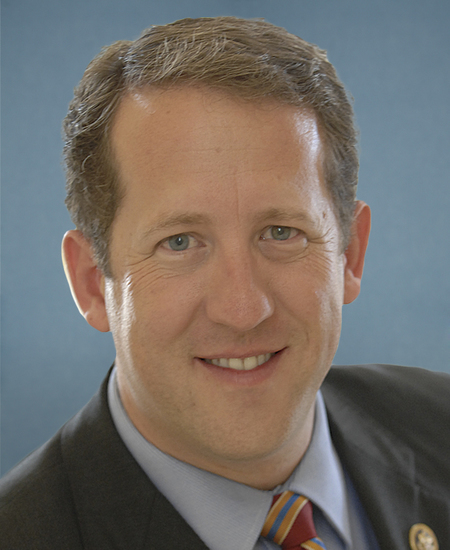
Aaron Bean
100% support rate
Top opponent
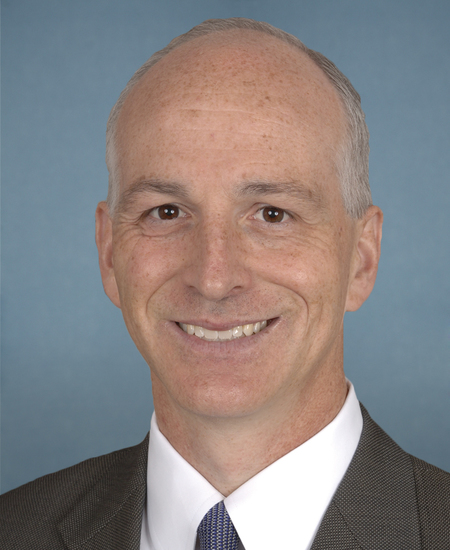
Adam Smith
0% support rate
Ranked legislators
10
5 support · 5 oppose
Key legislators

Who's moving transmission in United States

Legislators moving transmission in United States
Legislator Party Stance Support rate Votes
Aaron Bean
Aaron Bean House · District 4
R
Strong +
100% 3
Abraham J. Hamadeh
Abraham J. Hamadeh House · District 8
R
Strong +
100% 3
Addison P. McDowell
Addison P. McDowell House · District 6
R
Strong +
100% 3
Adrian Smith
Adrian Smith House · District 3
R
Strong +
100% 3
Andrew Ogles
Andrew Ogles House · District 5
R
Strong +
100% 3
Adam Smith
Adam Smith House · District 9
D
Strong −
0% 3
Adriano Espaillat
Adriano Espaillat House · District 13
D
Strong −
0% 3
Al Green
Al Green House · District 9
D
Strong −
0% 3
Alexandria Ocasio-Cortez
Alexandria Ocasio-Cortez House · District 14
D
Strong −
0% 3
Alma S. Adams
Alma S. Adams House · District 12
D
Strong −
0% 3
Showing 1 of 1 bills

All energy bills

in committee · United States · House Apr 2, 2025

HRES 290: Recognizing that the retirement of nonintermittent electric generation facilities, before facilities with equal or greater reliability attributes are available, is a threat to the reliability of the United States electric grid.

HRES 290 is a non-binding resolution recognizing that retiring nonintermittent power plants (like coal, natural gas, and nuclear facilities) before reliable replacements are available threatens U.S. grid reliability. It cites North American Electric Reliability Corporation reports showing 18 out of 20 grid regions may face insufficient power reserves by 2034, linking this to environmental regulations and rapid shifts to weather-dependent renewable sources. The resolution does not create new laws but formally expresses the House's view supporting President Trump's energy policies to prioritize grid stability and domestic energy development. As a symbolic statement, it directly affects no individuals or entities but reflects congressional concern about grid risks.