

Issue · Energy
Energy (Energy Efficiency)
Every energy bill, vote, and legislator stance in United States, automatically classified by Maddy, our AI policy reader.
Total bills
60
119th Congress
Top supporter
Frederica S. Wilson
100% support rate
Top opponent
Ashley Moody
0% support rate
Ranked legislators
10
5 support · 5 oppose
Key legislators
Who's moving energy efficiency in United States
| Legislator | Party | Stance | Support rate | Votes |
|---|---|---|---|---|

Frederica S. Wilson
House · District 24
|
D |
Strong +
|
100% | 9 |

Adam B. Schiff
Senate
|
D |
Strong +
|
100% | 8 |

Alex Padilla
Senate
|
D |
Strong +
|
100% | 8 |

Amy Klobuchar
Senate
|
D |
Strong +
|
100% | 8 |

Andy Kim
Senate
|
D |
Strong +
|
100% | 8 |

Ashley Moody
Senate
|
R |
Strong −
|
0% | 8 |

Bernie Moreno
Senate
|
R |
Strong −
|
0% | 8 |

Bill Cassidy
Senate
|
R |
Strong −
|
0% | 8 |
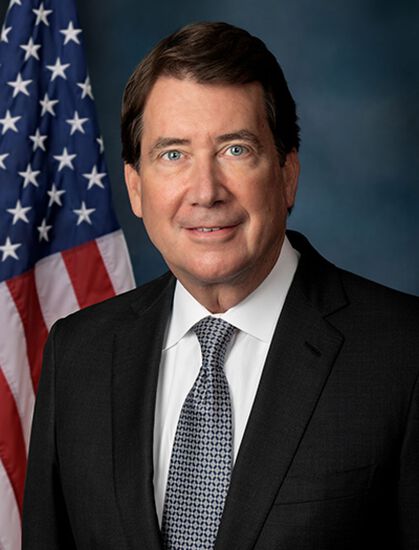
Bill Hagerty
Senate
|
R |
Strong −
|
0% | 8 |
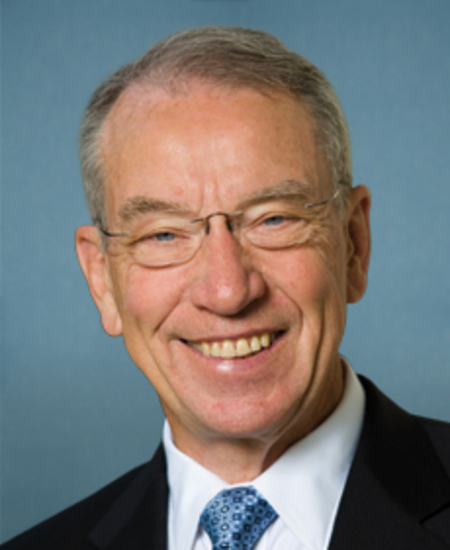
Chuck Grassley
Senate
|
R |
Strong −
|
0% | 8 |
Showing 41–50 of 60
bills
All energy bills
HR 6824: To amend the Internal Revenue Code of 1986 to establish a tax credit for qualified combined heat and power system property, and for other purposes.
Topics
✓ Budget & TaxesSupports Budget & TaxesBill establishes a 10% federal tax credit for qualifying CHP systems, providing tax relief to businesses and advancing fiscal incentives for energy efficiency through targeted tax policy.
✓ EnergySupports EnergyCreates 10% tax credit for efficient CHP systems (>60% efficiency), promoting energy efficiency and clean infrastructure investment per bill's explicit provisions.
✓ EnvironmentSupports EnvironmentBill provides 10% tax credit for high-efficiency CHP systems (60%+ efficiency), reducing energy waste and emissions per EPA definitions of clean energy incentives.
S 1214: Heating and Cooling Relief Act
Topics
✓ EnergySupports EnergyExpands LIHEAP funding and consumer protections for energy costs, directly supporting low-income households' energy affordability through year-round assistance and utility shutoff protections.
✓ HousingSupports HousingExpands LIHEAP funding and protections for low-income households, directly addressing housing affordability through energy cost assistance and preventing utility shutoffs.
HR 7606: Powering Productivity Act
SRES 183: A resolution designating the month of April 2025 as "Earth Month" and expressing support for environmental stewardship and climate action.
Topics
✓ EnergySupports EnergyExplicitly encourages conserving energy and improving energy efficiency as part of Earth Month activities, directly advancing energy efficiency measures.
✓ EnvironmentSupports EnvironmentResolution designates Earth Month to encourage environmental actions (tree planting, pollution reduction, energy conservation) and explicitly expresses support for climate action and stewardship.
S 3269: Liquid Cooling for AI Act of 2025
Topics
✓ EnergySupports EnergyBill directs GAO to study liquid cooling's energy efficiency benefits for data centers, directly promoting energy efficiency improvements in high-consumption infrastructure.
✓ EnvironmentSupports EnvironmentBill mandates GAO study on energy-efficient liquid cooling for data centers, directly targeting reduced energy consumption and emissions from AI infrastructure, advancing environmental efficiency goals.
✓ TechnologySupports TechnologyStudies energy-efficient liquid cooling for AI data centers, advancing tech infrastructure efficiency and addressing AI workload growth.
S 2570: Energy Savings and Weatherization Reauthorization Act of 2025
Topics
✓ Budget & TaxesSupports Budget & TaxesIncreases funding limits for weatherization program, raising per-unit assistance from $6,500 to $15,000, directly advancing public service funding under fiscal management.
✓ EnergySupports EnergyReauthorizes weatherization program with increased funding ($6,500→$15,000) and stricter efficiency standards, directly advancing energy conservation.
✓ EnvironmentSupports EnvironmentBill reauthorizes and expands Weatherization Assistance Program with increased funding ($6,500→$15,000) and stricter energy efficiency standards, directly reducing energy consumption and emissions per environmental protection goals.
✓ HousingSupports HousingBill increases Weatherization Program funding ($6,500→$15,000/unit) to improve energy efficiency in housing, directly reducing costs for low-income residents and advancing affordable housing goals.
HR 3979: LEAPS Act
Topics
✓ EnergySupports EnergyMandates USDA to develop energy efficiency resources for irrigation systems, directly promoting energy savings through practical tools and educational materials.
✓ EnvironmentSupports EnvironmentBill mandates USDA to create resources promoting energy efficiency in farming irrigation/watering systems, directly reducing energy consumption and associated emissions per bill summary.
HR 2413: GREEN Appraisals Act of 2025
Topics
✓ EnergySupports EnergyMandates appraisers to factor in energy efficiency features and renewable systems, boosting property value for green upgrades, directly advancing renewable energy adoption.
✓ EnvironmentSupports EnvironmentMandates appraisal consideration of energy efficiency features, incentivizing lower energy consumption and reduced emissions through property valuation incentives.
✓ HousingSupports HousingMandates appraisers to consider energy efficiency features and savings, reducing long-term utility costs for homeowners and promoting sustainable housing development.
HR 4308: To amend the Energy Independence and Security Act of 2007 to reauthorize the Energy Efficiency and Conservation Block Grant Program, and for other purposes.
Topics
✓ Budget & TaxesSupports Budget & TaxesAllocates $3.5B annually for state energy efficiency projects, directly funding public infrastructure through budget appropriations.
✓ EnergySupports EnergyReauthorizes $3.5B annually for energy efficiency projects, expands to alternative fuels infrastructure, and diversifies energy supplies per bill summary.
✓ EnvironmentSupports EnvironmentReauthorizes $3.5B/year for energy efficiency/conservation grants, expands to alternative fuels infrastructure, and promotes district heating/distributed energy resources, directly advancing environmental protection and clean energy goals.
✓ TransportationSupports TransportationExpands grants to alternative fuel infrastructure, supporting sustainable transportation projects like EV charging networks and energy-efficient transit systems.