Issue · Education

Education (K-12 Education)

Every education bill, vote, and legislator stance in United States, automatically classified by Maddy, our AI policy reader.

Total bills
167
119th Congress
Top supporter
Adam B. Schiff
100% support rate
Top opponent
Donald G. Davis
0% support rate
Ranked legislators
10
5 support · 5 oppose
Key legislators

Who's moving k-12 education in United States

Legislators moving k-12 education in United States
Legislator Party Stance Support rate Votes
Adam B. Schiff
Adam B. Schiff Senate
D
Strong +
100% 4
Amy Klobuchar
Amy Klobuchar Senate
D
Strong +
100% 4
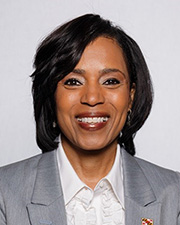
Angela D. Alsobrooks
Angela D. Alsobrooks Senate
D
Strong +
100% 4
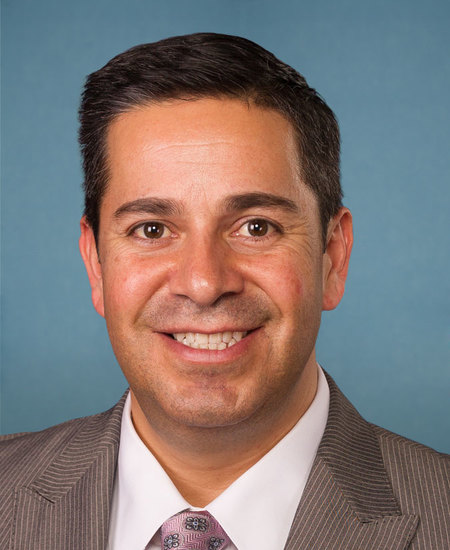
Ben Ray Luján
Ben Ray Luján Senate
D
Strong +
100% 4
Bill Cassidy
Bill Cassidy Senate
R
Strong +
100% 4
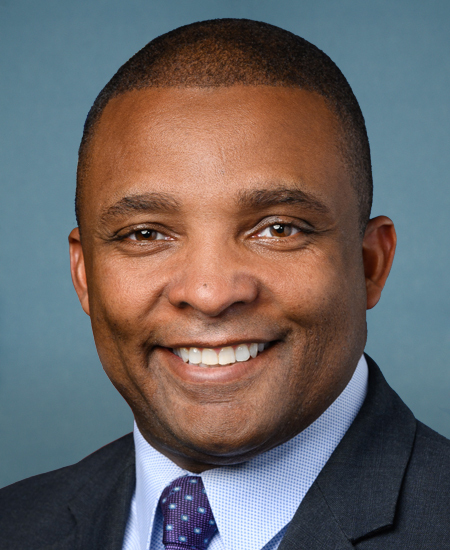
Donald G. Davis
Donald G. Davis House · District 1
D
Strong −
0% 3
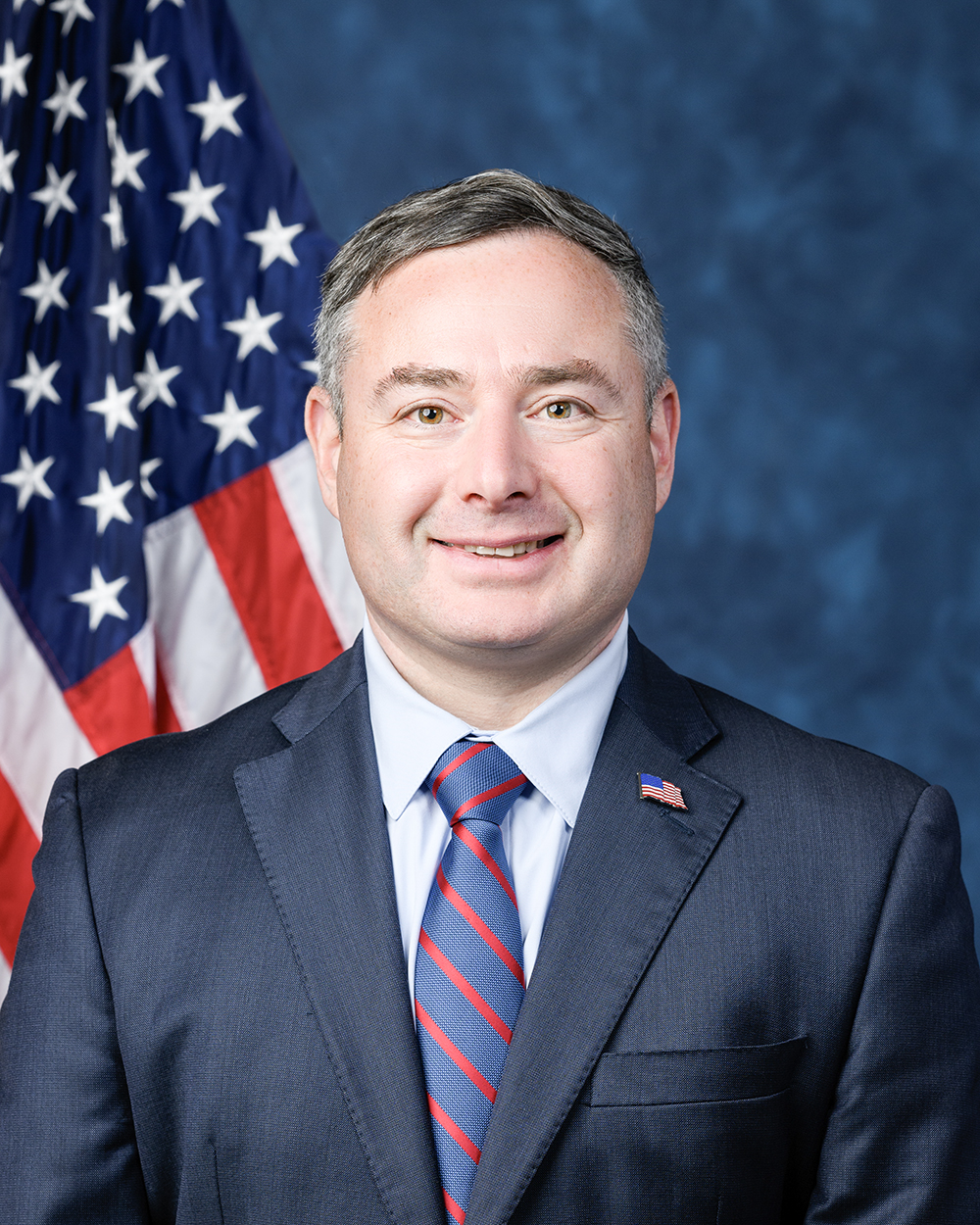
Eugene Simon Vindman
Eugene Simon Vindman House · District 7
D
Strong −
0% 3
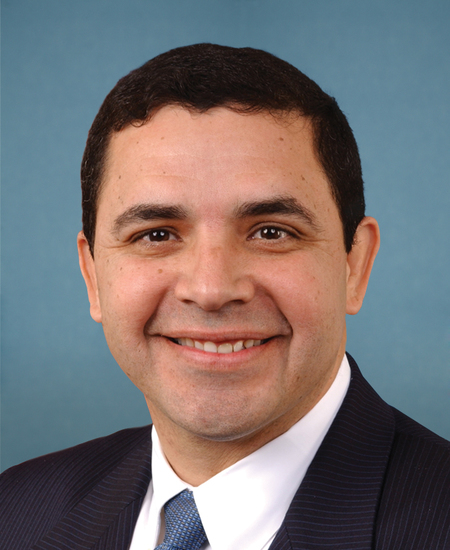
Henry Cuellar
Henry Cuellar House · District 28
D
Strong −
0% 3
Laura Gillen
Laura Gillen House · District 4
D
Strong −
0% 3
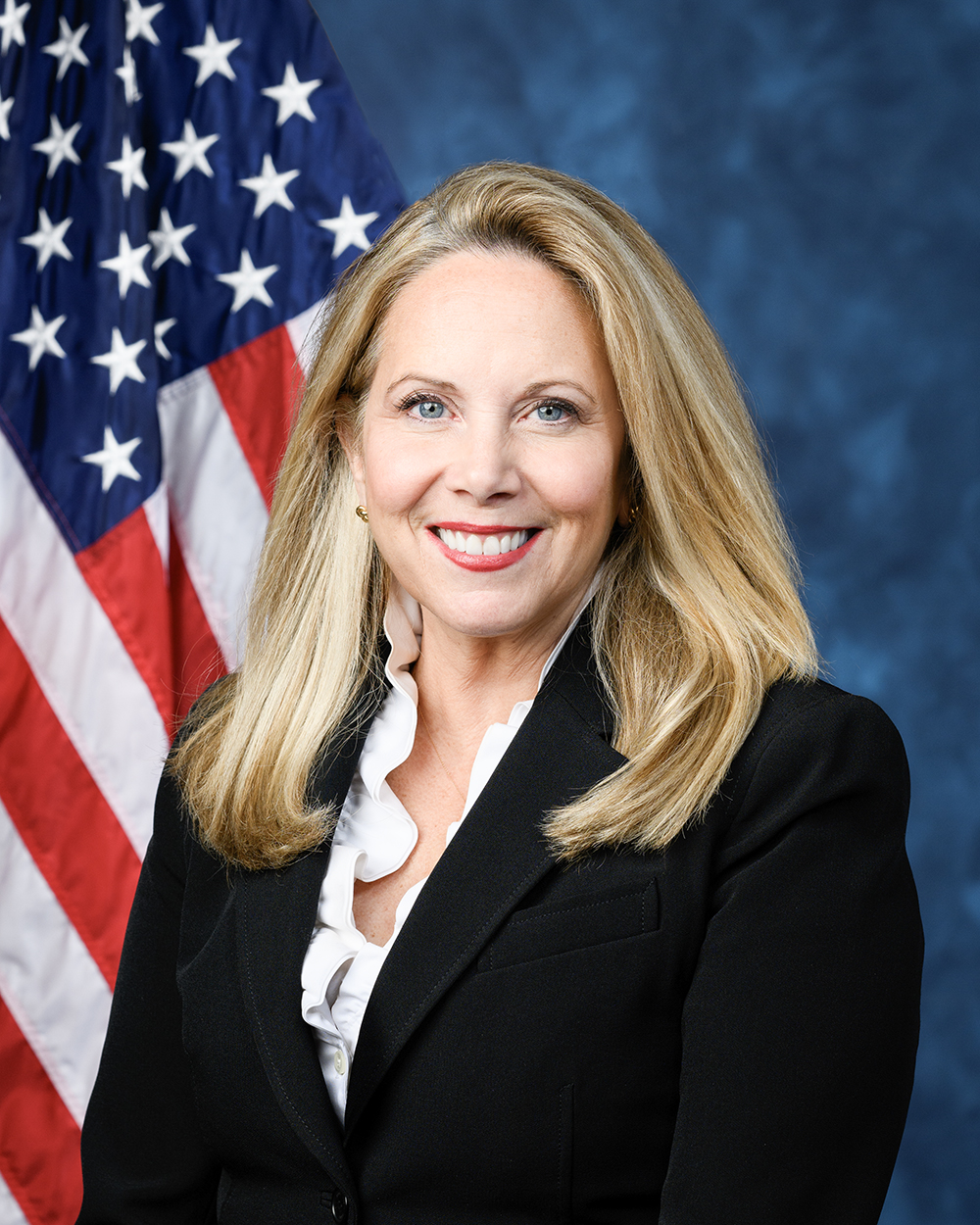
Marie Gluesenkamp Perez
Marie Gluesenkamp Perez House · District 3
D
Strong −
0% 3
Showing 81–90 of 167 bills

All education bills

passed · United States · House May 21, 2026

HR 2616: Stopping Indoctrination and Protecting Kids Act

HR 2616, the PROTECT Kids Act, requires public elementary and middle schools receiving federal education funding to obtain parental consent before changing a student's gender markers, pronouns, or preferred name on school forms, or before assigning them to sex-based accommodations like locker rooms or bathrooms. The bill directly affects minor students in elementary school or middle grades (ages typically 5-14). Schools must secure this consent as a condition for maintaining federal funding under the Elementary and Secondary Education Act. The law focuses on specific administrative changes to student records and facility assignments, not broader educational content or curriculum.
in committee · United States · Senate Jul 23, 2025

S 2407: Charting My Path for Future Success Act

This bill reissues a contract for the "Charting My Path for Future Success" project, which trains educators to help high school students with disabilities set goals, create action plans, and track progress toward post-graduation success. It directly affects students with disabilities in 62 high schools across 13 local districts, where 61 educators currently support 1,600 students. The key mechanism requires the Secretary of Education to continue funding the existing nonprofit project - previously awarded under IDEA - by reissuing its solicitation. The bill ensures the project’s funding cannot be canceled without congressional approval, maintaining continuity for participating students and schools.
in committee · United States · House Nov 20, 2025

HR 6186: No Antisemitism in Education Act

This bill requires public K-12 schools and colleges receiving federal education funds to treat antisemitic discrimination identically to race-based discrimination in their policies and responses. It defines antisemitism to include specific acts like calling for violence against Jews, denying the Holocaust, or spreading conspiracy theories about Jewish influence, while excluding criticism of Israel similar to criticism of other nations. The law clarifies it does not limit First Amendment rights or override state anti-discrimination laws. It applies directly to all federally funded educational institutions covered under the Elementary and Secondary Education Act.
Sub-Topics K-12 Education
in committee · United States · House Feb 26, 2026

HR 7740: African American History Act of 2026

HR 7740, the African American History Act of 2026, authorizes $4 million annually for the National Museum of African American History and Culture to develop educational resources and support teaching about African American history. The bill directs the museum to create digital and print materials, provide teacher training, and expand access to curriculum resources for K-12 and college classrooms. It requires annual reports to Congress on fund usage and expires in 2030. This program directly affects educators and students by enhancing classroom materials and professional development on African American history.
in committee · United States · Senate Sep 18, 2025

S 2892: Jumpstart on College Act

The Jumpstart on College Act would provide $250 million annually for six years to expand early college high schools and dual enrollment programs, with a focus on serving low-income students and underrepresented groups. It creates two grant programs: one for partnerships between institutions of higher education and local schools, and another for states to develop statewide strategies for program expansion. Recipients must serve at least 51% low-income students, provide matching funds (ranging from 20-50% of grant amounts), and collect data on student outcomes. States must identify barriers to program access and update high school diploma requirements to align with college readiness standards. The law requires annual reporting on program effectiveness, including disaggregated data for different student populations to track progress toward postsecondary credential completion.
in committee · United States · Senate Jan 29, 2025

S 299: Mentoring to Succeed Act of 2025

The Mentoring to Succeed Act of 2025 creates a federal grant program to fund structured mentoring initiatives for eligible youth. It authorizes competitive grants to community-based organizations and partnerships that provide mentoring programs designed to help youth develop cognitive and social-emotional skills, prepare for high school success, and transition to postsecondary education or employment. Programs must serve youth from underserved communities, include trauma-informed mentor training, coordinate with local schools and employers, and report annually on outcomes like academic achievement, employment, and social-emotional development. The bill also requires a study on effective mentoring practices to inform future program design.
in committee · United States · Senate May 1, 2025

S 1558: Understanding the True Cost of College Act of 2025

This bill would require colleges and universities receiving federal financial aid to provide standardized financial aid offers using a new Department of Education-developed form. The form must clearly present costs of attendance (both direct and indirect), grants and scholarships (with disclosure they don't need repayment), net price, and loan terms including interest rates and repayment options. It would require institutions to disclose key information like the impact of private loans versus federal loans, default rates, and work-study opportunities in plain language. The bill affects all institutions of higher education that receive federal financial assistance, with the form to be developed through consumer testing with students and stakeholders.
in committee · United States · Senate Aug 5, 2026

S 3589: RISE Act

The RISE Act amends the Higher Education Act to improve support for college students with disabilities. It requires institutions to accept multiple forms of documentation (like high school IEPs or 504 plans) to verify disability status and mandates transparent, accessible processes for determining accommodation eligibility. Colleges must also report specific disability-related data to federal databases, including the number of students receiving accommodations and degree completions. Additionally, the bill authorizes $10 million annually (2027-2031) for a national center providing technical support to students with disabilities, without altering existing ADA definitions or rights.
Sub-Topics Higher Education K-12 Education Special Education Tags People with Disabilities
in committee · United States · Senate Mar 11, 2026

SRES 639: A resolution establishing an annual Senate academic civics competition for secondary school students.

SRES 639 establishes an annual Senate-sponsored civics competition for secondary school students. The Rules Committee would organize this event, potentially partnering with groups like iCivics to design judging criteria and support the competition. It does not create new laws but creates a program to help students develop civic knowledge and media literacy skills. The resolution cites declining civics education scores and low civic knowledge among adults as motivation for the competition.
Sub-Topics K-12 Education
in committee · United States · House Dec 10, 2025

HR 6604: Presidential Fitness Test Act of 2025

This bill establishes the President’s Council on Sports, Fitness, and Nutrition to advise the President on reestablishing the Presidential Fitness Test as the primary assessment tool for a Presidential Fitness Award in U.S. schools. The Council, appointed by the President, would develop school-based fitness programs, promote physical activity through community partnerships, and address childhood obesity as a national security concern. It directs the Secretary of Health and Human Services to fund the Council and its initiatives, with the Council terminating two years after enactment unless extended. The bill specifically aims to impact K-12 schools by integrating the fitness test into physical education programs.
Showing 81 to 90 of 167 bills
Previous 1 8 9 10 17 Next