Issue · Education

Education (Student Financial Aid)

Every education bill, vote, and legislator stance in United States, automatically classified by Maddy, our AI policy reader.

Total bills
258
119th Congress
Top supporter
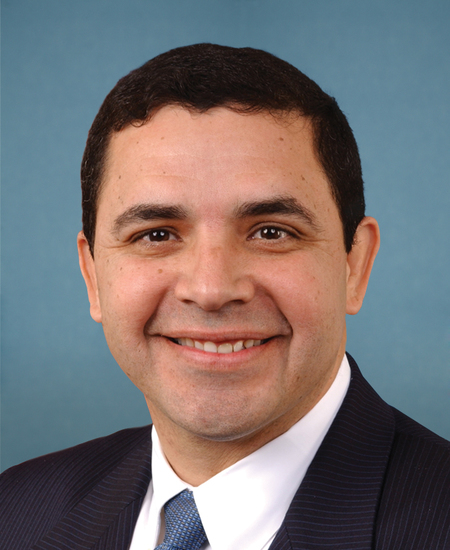
Henry Cuellar
100% support rate
Top opponent
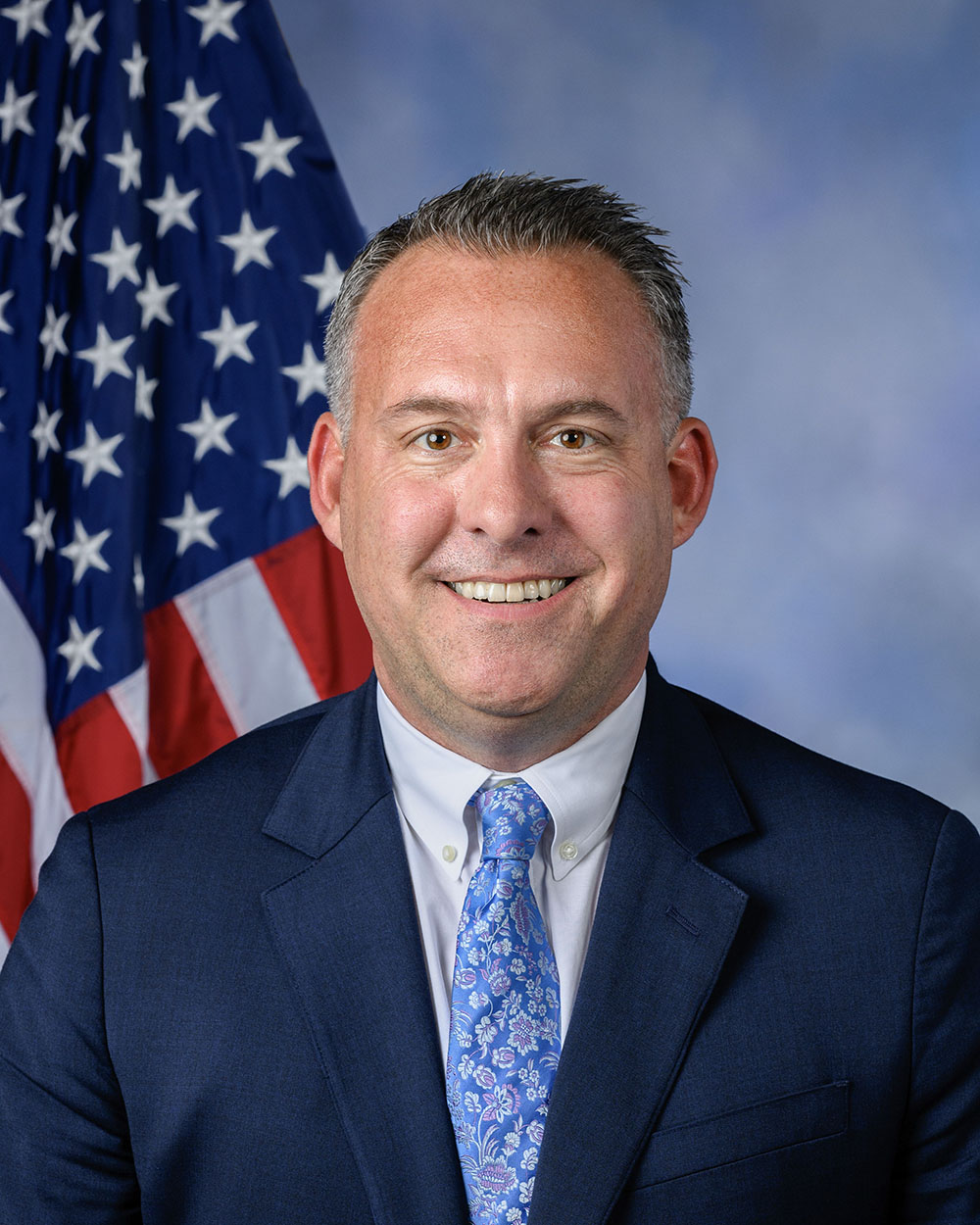
Aaron Bean
33% support rate
Ranked legislators
10
5 support · 5 oppose
Key legislators

Who's moving student financial aid in United States

Legislators moving student financial aid in United States
Legislator Party Stance Support rate Decisive votes
Henry Cuellar
Henry Cuellar House · District 28
D
Strong +
100% 3
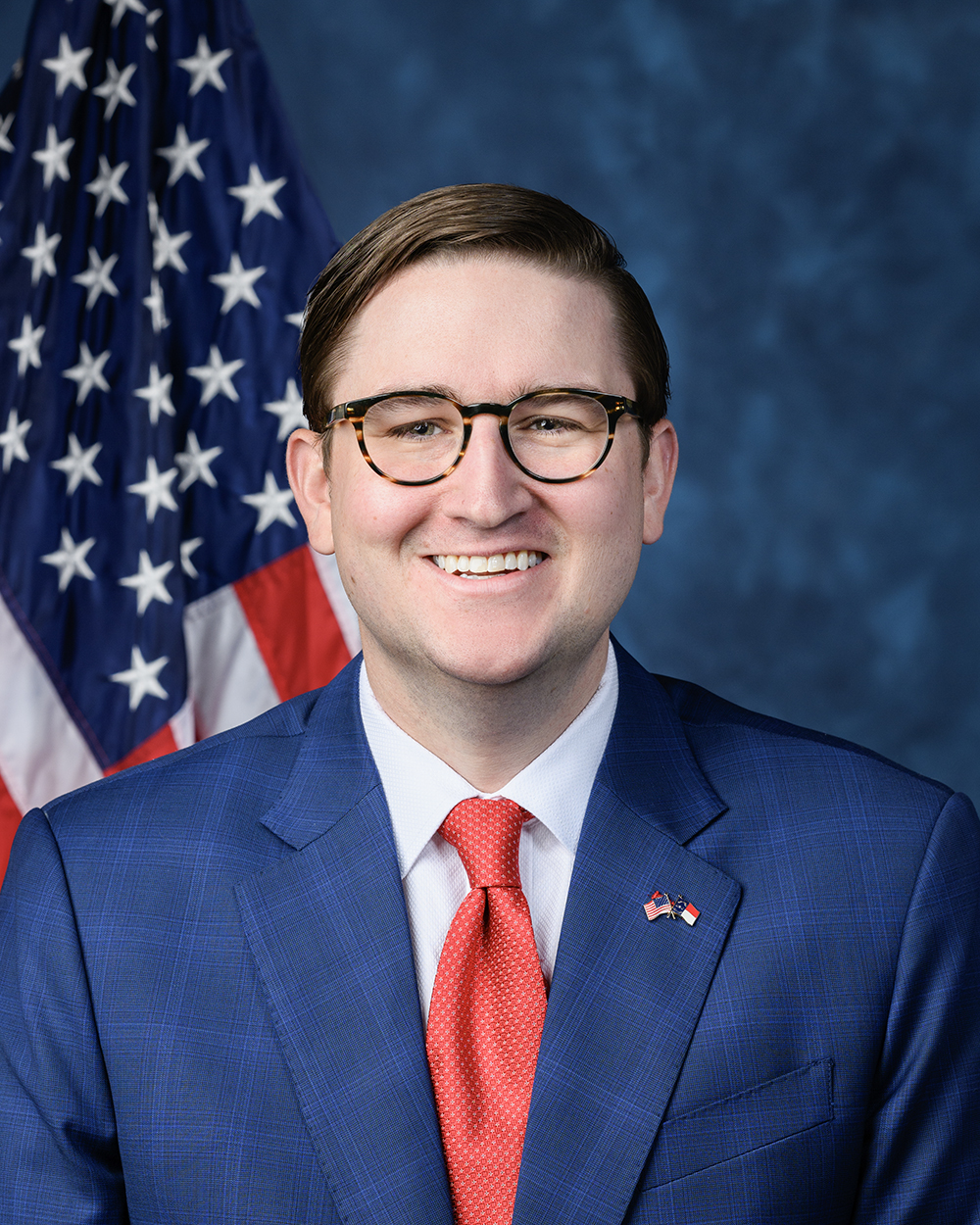
Abraham J. Hamadeh
Abraham J. Hamadeh House · District 8
R
Support
67% 3
Adam Gray
Adam Gray House · District 13
D
Support
67% 3
Adelita S. Grijalva
Adelita S. Grijalva House · District 7
D
Support
67% 3
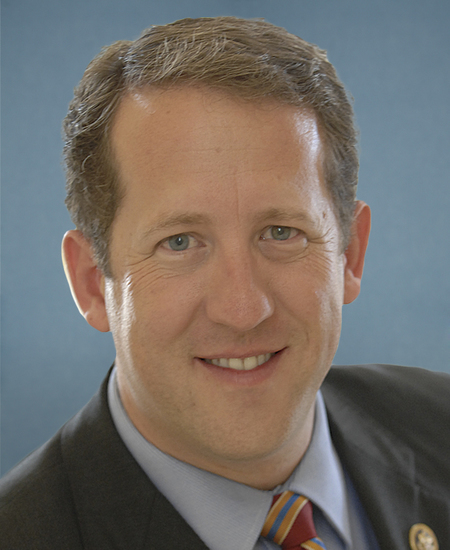
Adrian Smith
Adrian Smith House · District 3
R
Support
67% 3
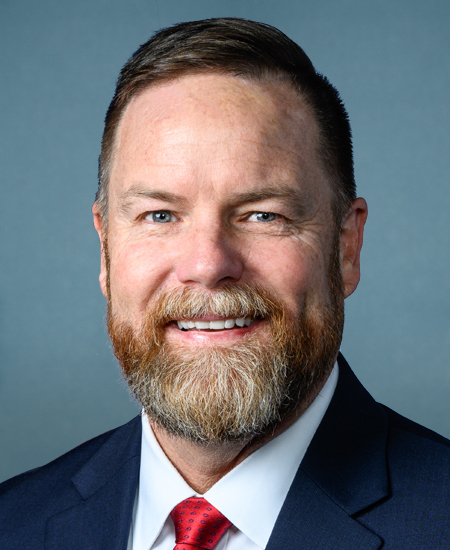
Aaron Bean
Aaron Bean House · District 4
R
Oppose
33% 3
Addison P. McDowell
Addison P. McDowell House · District 6
R
Oppose
33% 3
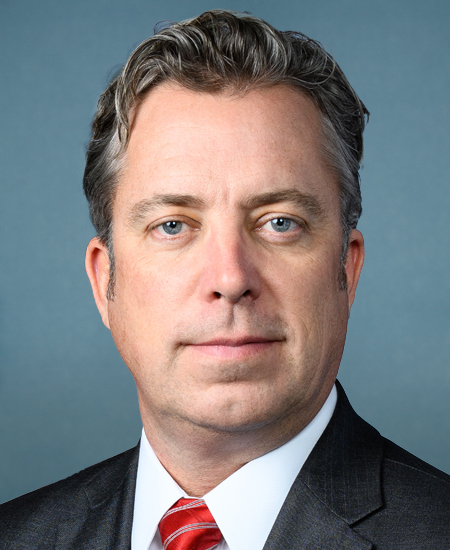
Andrew Ogles
Andrew Ogles House · District 5
R
Oppose
33% 3
Andrew S. Clyde
Andrew S. Clyde House · District 9
R
Oppose
33% 3
Andy Biggs
Andy Biggs House · District 5
R
Oppose
33% 3
Showing 81–90 of 258 bills

All education bills

in committee · United States · Senate Aug 4, 2026

S 4097: State-Based Education Loan Awareness Act

This bill, known as the State-Based Education Loan Awareness Act, clarifies that state-run student loan programs are not subject to certain federal rules about preferred lender arrangements. It directly affects state agencies, nonprofit organizations, and other entities that offer private student loans without federal government backing. The legislation defines these state programs by requiring that they offer interest rates and fees at least as favorable as federal Direct PLUS loans and that borrowers are informed about federal loan options before taking out private loans. By making this exclusion explicit, the bill ensures state programs operate under different regulatory requirements than federally backed lending arrangements.
in committee · United States · Senate Mar 9, 2026

S 4025: Addressing Teacher Shortages Act of 2026

This bill, titled the Addressing Teacher Shortages Act of 2026, creates a federal grant program to help schools and school districts recruit and keep high-quality teachers, with a focus on rural areas, high-need subjects like STEM and special education, and underrepresented communities. The program provides competitive grants to eligible entities such as local school districts for at least five years to fund activities like teaching residencies, mentor programs, Grow Your Own initiatives that train local community members as teachers, and 2+2 partnerships between community colleges and universities. Grant recipients must match federal funds with non-federal contributions unless waived due to economic hardship, and the program prioritizes applications that include partnerships with minority-serving institutions and prepare paraprofessionals or substitute teachers for licensure.
in committee · United States · Senate Mar 11, 2026

S 4056: Proprietary Education Oversight Task Force Act

This bill creates a new Proprietary Education Interagency Oversight Committee composed of representatives from multiple federal agencies including the Department of Education, Consumer Financial Protection Bureau, Department of Justice, and others. The committee will coordinate oversight of for-profit colleges that receive federal student aid, share complaint information among agencies, and publish an annual report on institutional performance and enforcement actions. The bill also establishes a 'For-Profit College Warning List' that would publicly identify institutions facing lawsuits, settlements, or federal assistance suspensions, requiring written responses from schools before publication.
in committee · United States · Senate Mar 2, 2026

S 3957: NSF AI Education Act of 2026

The NSF AI Education Act of 2026 directs the National Science Foundation to award scholarships and fellowships to undergraduate and graduate students studying artificial intelligence, quantum computing, and related fields. The bill establishes new programs to support AI education at community colleges, vocational schools, and historically underserved institutions, including priority funding for rural, Tribal, and minority-serving institutions. It also authorizes grants for AI research in agriculture and advanced manufacturing, requires the development of guidance for AI use in K-12 education, and mandates the creation of workforce frameworks for AI and other emerging technologies. The legislation includes provisions to restrict funding to institutions with certain civil rights violations and establishes requirements for oversight of public-private partnerships and foreign contributions.
in committee · United States · Senate Mar 10, 2026

S 4039: Professional Degree Access Restoration Act

This bill, known as the Professional Degree Access Restoration Act, aims to restore federal student loan limits that were previously reduced for graduate and professional students. It directly affects students pursuing advanced degrees such as law, medicine, and education by increasing the amount of federal loans they can access. The legislation reverses specific loan cap reductions established by Public Law 119-21, allowing students to borrow more money during their period of instruction. By amending the Higher Education Act of 1965, the bill removes certain restrictions on annual and aggregate loan amounts for these student categories.
in committee · United States · Senate Mar 17, 2026

S 4114: Student Protection and Success Act

This bill, titled the Student Protection and Success Act, requires colleges and universities to share financial risk with the federal government by making payments based on how many student loans remain unpaid. Starting in fiscal year 2028, institutions with a cohort repayment rate of 15 percent or lower would lose eligibility for federal student loan programs for up to three years, while colleges with rates above 25 percent could receive bonus grants to support low-income students. The bill also establishes a new payment system where schools must contribute a percentage of the outstanding loan balances for borrowers who have not made progress on paying down their debt, with exceptions for students in deferment due to military service, graduate school, or other qualifying circumstances. These measures aim to hold institutions accountable for student loan outcomes while providing incentives for improving access and success for economically disadvantaged students.
in committee · United States · House Mar 24, 2026

HR 8051: TECH Act

The TECH Act would allow qualified technical schools to receive the same federal grant funding as traditional two-year and four-year colleges. It directly affects vocational institutions that offer specific career training programs in high-demand fields like healthcare, manufacturing, and public safety. The bill requires federal agencies to update eligibility rules and application processes within 180 days to include these schools in existing grant programs. To qualify, technical schools must offer programs of at least 150 clock hours that lead to recognized industry credentials and meet state educational requirements. The legislation aims to expand workforce training opportunities by treating technical schools equally with other higher education institutions for federal funding purposes.
in committee · United States · House Mar 4, 2026

HR 7810: Lowering Student Loans Act

This bill, known as the Lowering Student Loans Act, would set the interest rate for new and existing Federal student loans at 2 percent starting July 1, 2026. It directly affects borrowers of Federal Direct Stafford Loans, Unsubsidized Stafford Loans, PLUS Loans, and Consolidation Loans by fixing their interest rates at this lower percentage for the duration of the loan. The legislation requires the government to notify borrowers 90 days before the change takes place and allows them to opt out of the rate adjustment within 90 days of receiving notice. Loan servicers would also be notified of the adjustments, and a complaint resolution process would be established to handle any errors or delays related to the rate changes.
in committee · United States · House Jun 12, 2025

HR 3985: Helping Student Parents Succeed Act

HR 3985, the Helping Student Parents Succeed Act, requires colleges and universities participating in federal student aid programs to create and publicly share clear policies supporting expectant and parenting students. The bill mandates institutions to provide detailed information on lactation accommodations, processes for requesting pregnancy-related or parental accommodations, financial aid details (including dependent care allowances and dependency status changes), and access to support services like childcare, housing, healthcare, and counseling. This directly affects student parents at participating higher education institutions by standardizing and making accessible the resources they need. The law ensures schools disclose all available support without favoring specific services and outlines procedures for addressing complaints under Title IX and disability laws.
in committee · United States · House Dec 11, 2025

HR 6677: Professional Degree Access Restoration Act

This bill amends the Higher Education Act to extend the loan limits for graduate and professional students indefinitely. It removes the previous expiration date (June 30, 2026) for these limits, meaning graduate and professional students will continue to have access to the same federal loan amounts without a set end date. The key change modifies Section 455(a) by eliminating the sunset provision and updating the effective date language in the law. This directly affects students pursuing advanced degrees who rely on federal loans for tuition and living expenses. The bill makes a technical adjustment to existing student loan policy without creating new benefits or altering eligibility criteria.
Showing 81 to 90 of 258 bills
Previous 1 … 8 9 10 … 26 Next