Issue · Education

Education

Every education bill, vote, and legislator stance in United States, automatically classified by Maddy, our AI policy reader.

Total bills
1,096
119th Congress
Top supporter
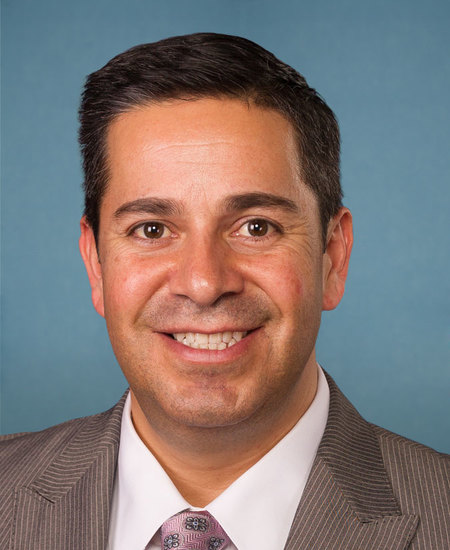
Ben Ray Luján
90% support rate
Top opponent
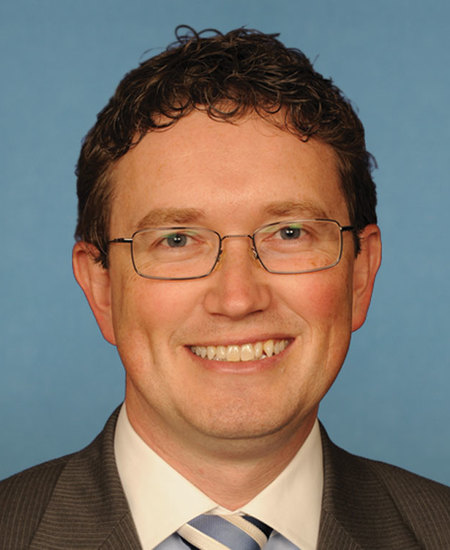
Thomas Massie
12% support rate
Ranked legislators
10
5 support · 5 oppose
Key legislators

Who's moving education in United States

Legislators moving education in United States
Legislator Party Stance Support rate Decisive votes
Ben Ray Luján
Ben Ray Luján Senate
D
Strong +
90% 10
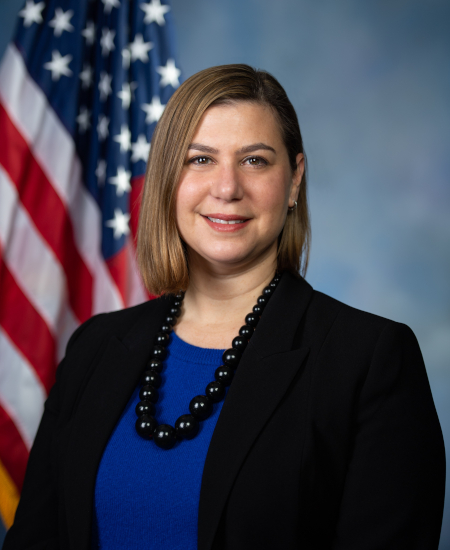
Elissa Slotkin
Elissa Slotkin Senate
D
Strong +
90% 10
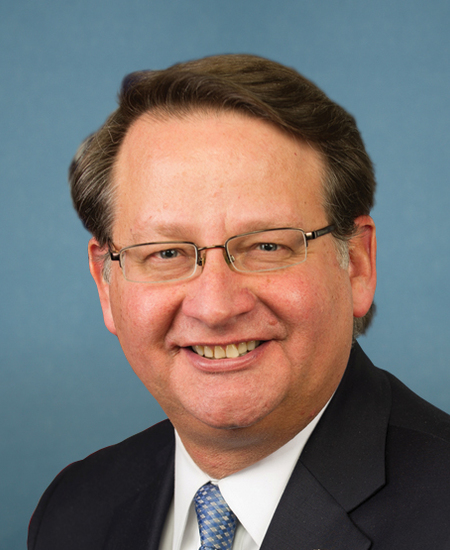
Gary C. Peters
Gary C. Peters Senate
D
Strong +
90% 10
John W. Hickenlooper
John W. Hickenlooper Senate
D
Strong +
90% 10
Maria Cantwell
Maria Cantwell Senate
D
Strong +
90% 10
Thomas Massie
Thomas Massie House · District 4
R
Strong −
12% 8
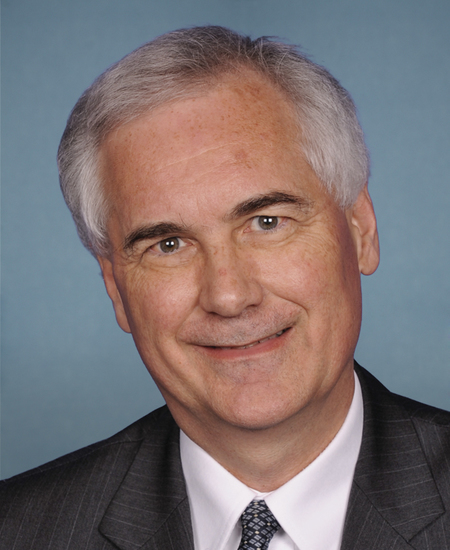
Tom McClintock
Tom McClintock House · District 5
R
Strong −
12% 8
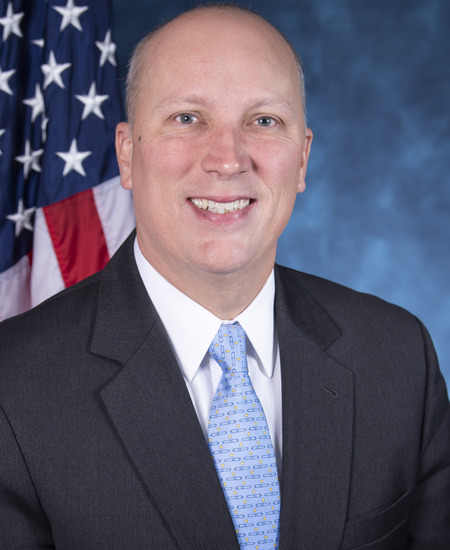
Chip Roy
Chip Roy House · District 21
R
Strong −
14% 7
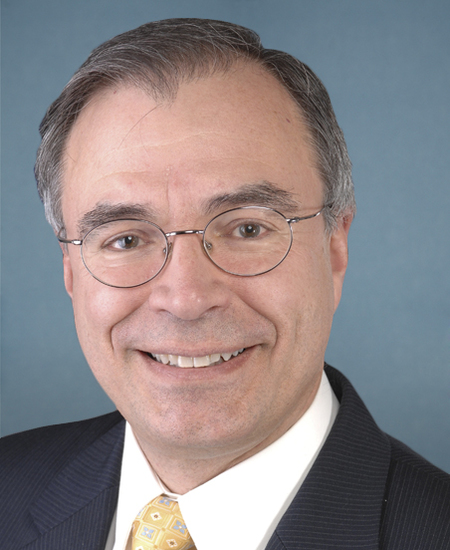
Andy Harris
Andy Harris House · District 1
R
Strong −
20% 10
Keith Self
Keith Self House · District 3
R
Strong −
20% 10
Showing 791–800 of 1,096 bills

All education bills

in committee · United States · House Jan 22, 2026

HR 7232: AID Act

HR 7232, the AID Act, creates a new student loan allowance for parents with federal student debt to reduce their reported income for financial aid calculations. It applies to single parents with debt under $200,000 adjusted gross income (AGI) or married parents with combined debt under $400,000 AGI, capping the allowance at $4,000 or 15% of their total federal student loan balance. The allowance, effective for the 2027-2028 academic year and adjusted annually using the Consumer Price Index, subtracts from parents' income when calculating aid eligibility. This directly affects parents seeking federal student aid for dependent children, specifically modifying how their student debt is factored into aid calculations under the Higher Education Act.
in committee · United States · Senate Jan 29, 2025

S 299: Mentoring to Succeed Act of 2025

The Mentoring to Succeed Act of 2025 creates a federal grant program to fund structured mentoring initiatives for eligible youth. It authorizes competitive grants to community-based organizations and partnerships that provide mentoring programs designed to help youth develop cognitive and social-emotional skills, prepare for high school success, and transition to postsecondary education or employment. Programs must serve youth from underserved communities, include trauma-informed mentor training, coordinate with local schools and employers, and report annually on outcomes like academic achievement, employment, and social-emotional development. The bill also requires a study on effective mentoring practices to inform future program design.
in committee · United States · House Apr 7, 2025

HR 2660: To amend the Internal Revenue Code of 1986 to exempt qualified student loan bonds from the volume cap and the alternative minimum tax.

HR 2660 exempts certain student loan bonds issued by state or local governments from two tax restrictions: the federal volume cap (which limits bond issuance) and the alternative minimum tax (AMT). This means states and localities can issue more of these bonds to fund student loans without hitting the volume cap limit or facing AMT calculations. The bill defines "qualified student loan bonds" as those meeting specific criteria under existing tax code, ensuring the exemption applies only to bonds directly supporting student lending. This change aims to make it easier for governments to finance student loan programs by reducing tax barriers for the bonds they issue.
passed · United States · Senate Dec 15, 2025

S 610: Ensuring VetSuccess On Campus Act of 2025

This bill requires the Department of Veterans Affairs (VA) to expand its VetSuccess on Campus program to have at least one location in every U.S. state. It mandates that each state must have at least one VA counselor dedicated to supporting veterans at participating colleges and universities, regardless of the number of veteran students. The VA must prioritize schools with the largest veteran student populations when placing new program locations. This directly affects veterans using education benefits at colleges and the VA counselors assigned to support them.
in committee · United States · House May 7, 2025

HR 3262: NURSE Act

HR 3262, the NURSE Act, creates a federal grant program to help schools hire more registered school nurses, primarily targeting public elementary and secondary schools serving high-need communities. The bill prioritizes schools where at least 20% of students qualify for free/reduced-price lunches (indicating high poverty) or lack any nurse, with federal funds covering up to 75% of costs for hiring nurses. Eligible schools or consortia must demonstrate student health needs, such as chronic conditions or mental health support, and the program requires a report to Congress evaluating impacts on nurse staffing and student health outcomes. The grant program is authorized for fiscal years 2026-2030, aiming to address the current shortage where one-third of schools lack a school nurse.
in committee · United States · House Jan 15, 2026

HR 7117: Fast Track To and Through College Act

HR 7117, the Fast Track To and Through College Act, creates two pathways to accelerate college completion: "early college fast track pathways" that allow high school students to earn college credit through advanced coursework (like AP, IB, or dual enrollment), and "early high school graduation fast track pathways" that provide scholarships for students who graduate early without needing remedial college courses. The bill requires states to develop statewide policies and credit transfer agreements to align high school and college requirements, with competitive grants to help states implement these pathways. It also allows eligible high school students in these pathways to receive Federal Pell Grants while still in high school, with a waiver of the usual 12-semester Pell Grant cap. The bill aims to reduce college costs, improve credit transfer, and increase college completion rates, particularly for first-generation college students and other historically underrepresented groups.
passed · United States · Senate Feb 26, 2026

SRES 617: A resolution supporting the goals and ideals of "Career and Technical Education Month".

This resolution (SRES 617) designates February 2026 as "Career and Technical Education (CTE) Month" to symbolically recognize CTE programs nationwide. It supports CTE's role in preparing students for high-demand careers by promoting workforce readiness through academic and technical skills training. The resolution encourages educators, counselors, parents, and school administrators to advocate for CTE as a valid educational pathway. As a non-binding Senate resolution, it does not create new laws or allocate funds but affirms bipartisan support for CTE's importance in workforce development.
in committee · United States · Senate May 1, 2025

S 1558: Understanding the True Cost of College Act of 2025

This bill would require colleges and universities receiving federal financial aid to provide standardized financial aid offers using a new Department of Education-developed form. The form must clearly present costs of attendance (both direct and indirect), grants and scholarships (with disclosure they don't need repayment), net price, and loan terms including interest rates and repayment options. It would require institutions to disclose key information like the impact of private loans versus federal loans, default rates, and work-study opportunities in plain language. The bill affects all institutions of higher education that receive federal financial assistance, with the form to be developed through consumer testing with students and stakeholders.
in committee · United States · Senate Sep 11, 2025

S 2785: A Chance To Serve Act

This bill, the "A Chance To Serve Act," provides expanded benefits for Peace Corps and AmeriCorps volunteers. It extends job eligibility for 3 years after service, increases readjustment allowances from $125 to $425, and provides one year of health care coverage after service. The bill also suspends student loan payments and interest during service, doubles the Segal AmeriCorps Education Award, and ensures no discrimination based on immigration status. Additionally, it increases living allowances to 200% of the poverty line and expands student loan forgiveness for national service. These changes directly benefit current and former Peace Corps and AmeriCorps volunteers.
in committee · United States · Senate Feb 26, 2025

S 740: Affordable College Textbook Act

The Affordable College Textbook Act (S 740) establishes a federal grant program to help colleges and universities adopt open educational resources (OER), primarily open textbooks, to reduce student costs. It authorizes the Secretary of Education to award competitive grants to institutions or consortia for creating, adapting, or promoting OER, requiring projects to include faculty input, accessibility standards, and plans for tracking savings and educational impact. The bill also amends the Higher Education Act to mandate that colleges disclose textbook prices and OER availability on course schedules, and requires publishers to share data collection practices for digital materials. These provisions directly affect students (by lowering textbook costs), faculty (through OER adoption requirements), and institutions (via reporting obligations). The law focuses on creating sustainable, accessible alternatives to traditional textbooks rather than direct price controls.
Showing 791 to 800 of 1,096 bills
Previous 1 79 80 81 110 Next