Issue · Education

Education (Student Financial Aid)

Every education bill, vote, and legislator stance in United States, automatically classified by Maddy, our AI policy reader.

Total bills
275
119th Congress
Top supporter
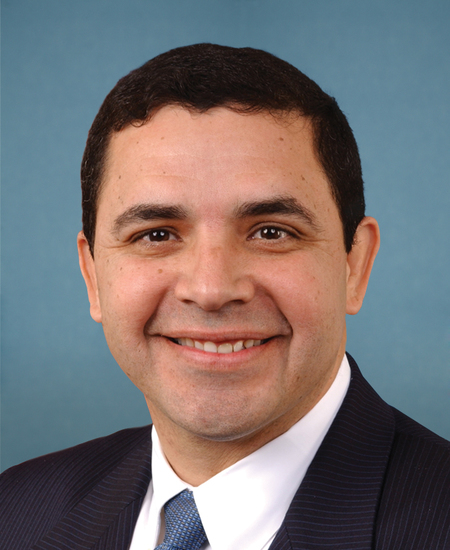
Henry Cuellar
100% support rate
Top opponent
Aaron Bean
33% support rate
Ranked legislators
10
5 support · 5 oppose
Key legislators

Who's moving student financial aid in United States

Legislators moving student financial aid in United States
Legislator Party Stance Support rate Votes
Henry Cuellar
Henry Cuellar House · District 28
D
Strong +
100% 3
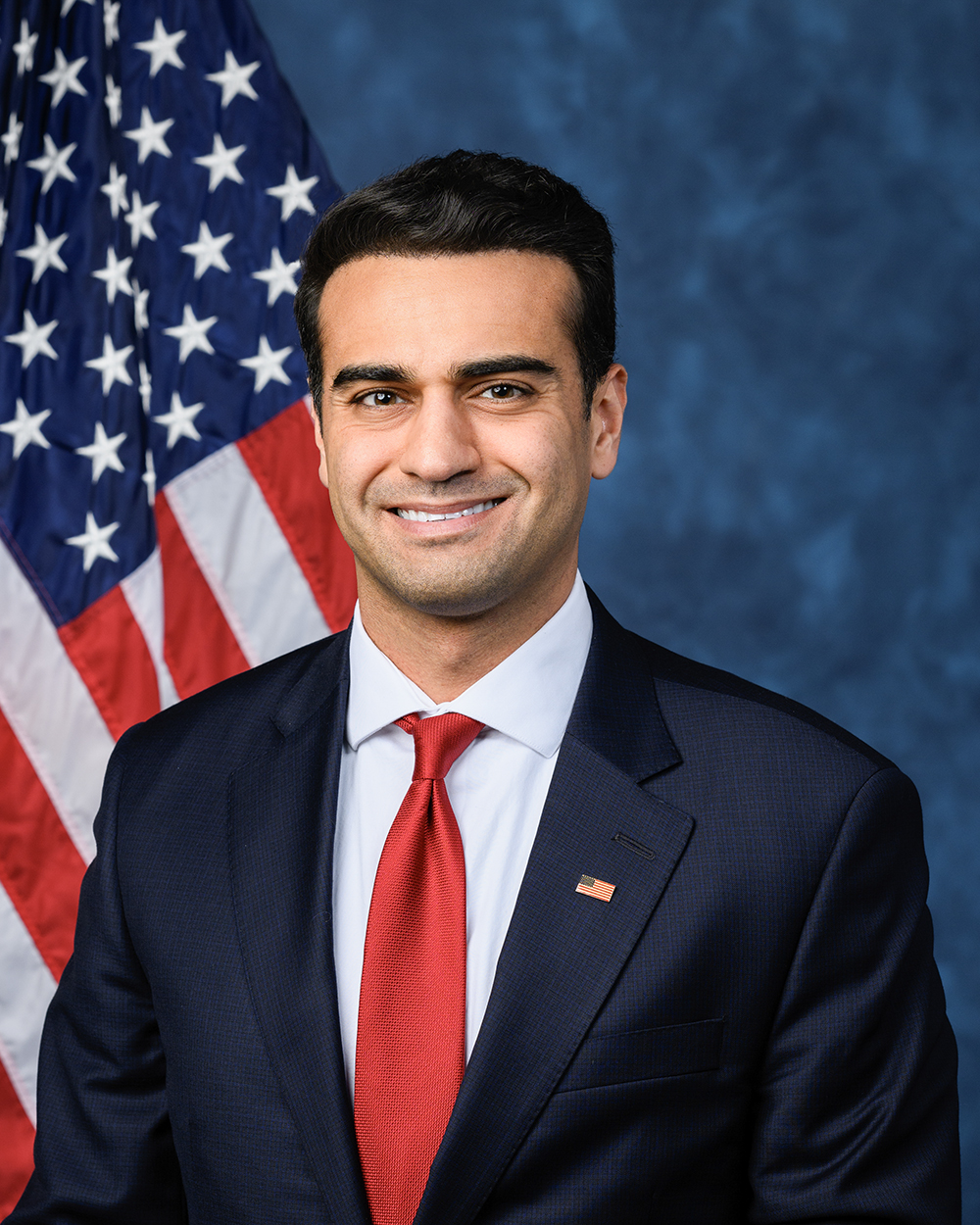
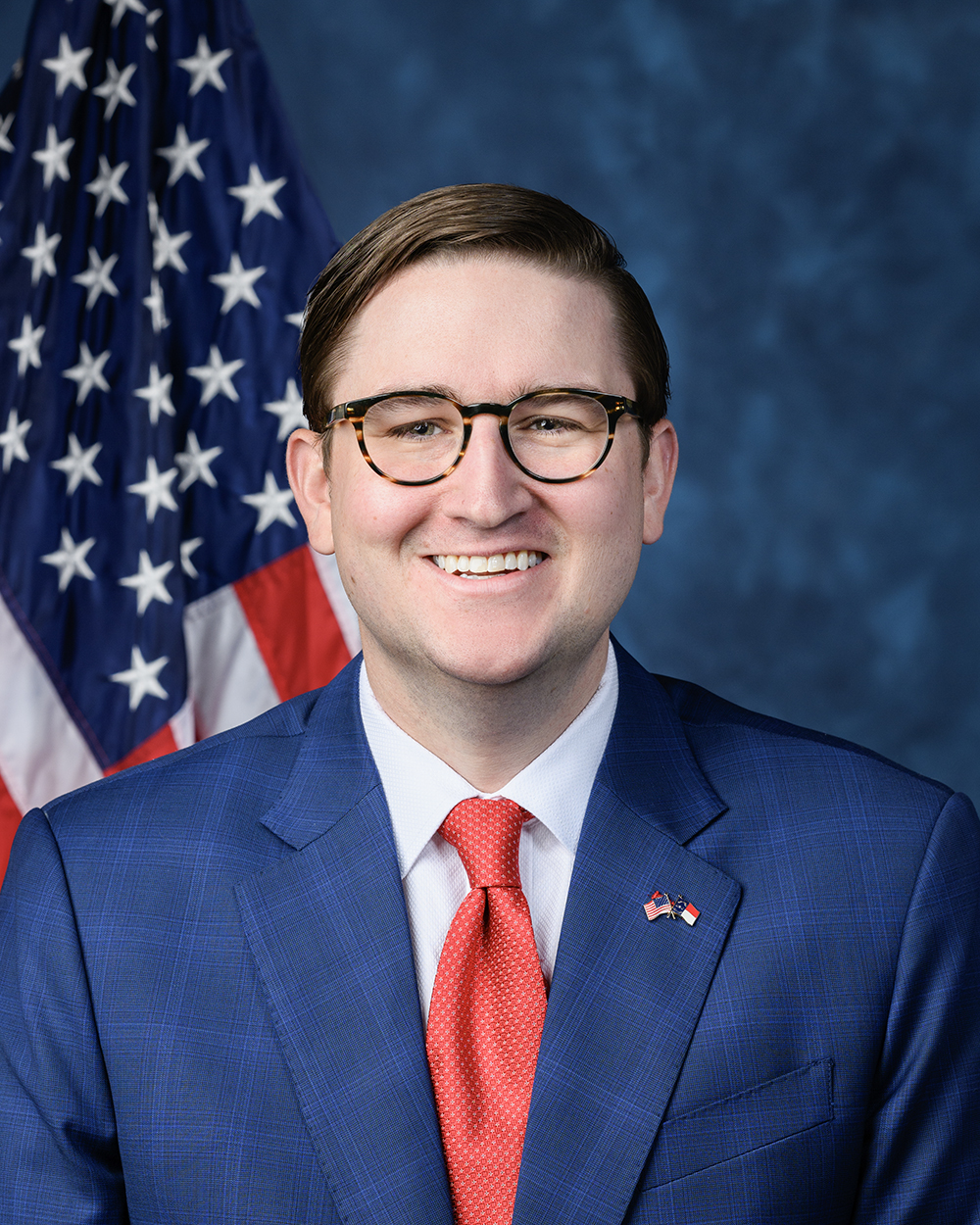
Abraham J. Hamadeh
Abraham J. Hamadeh House · District 8
R
Support
67% 3
Adam Gray
Adam Gray House · District 13
D
Support
67% 3
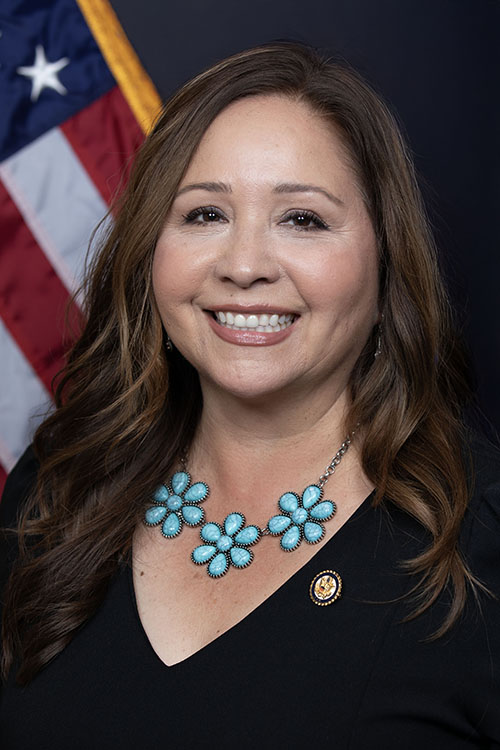
Adelita S. Grijalva
Adelita S. Grijalva House · District 7
D
Support
67% 3
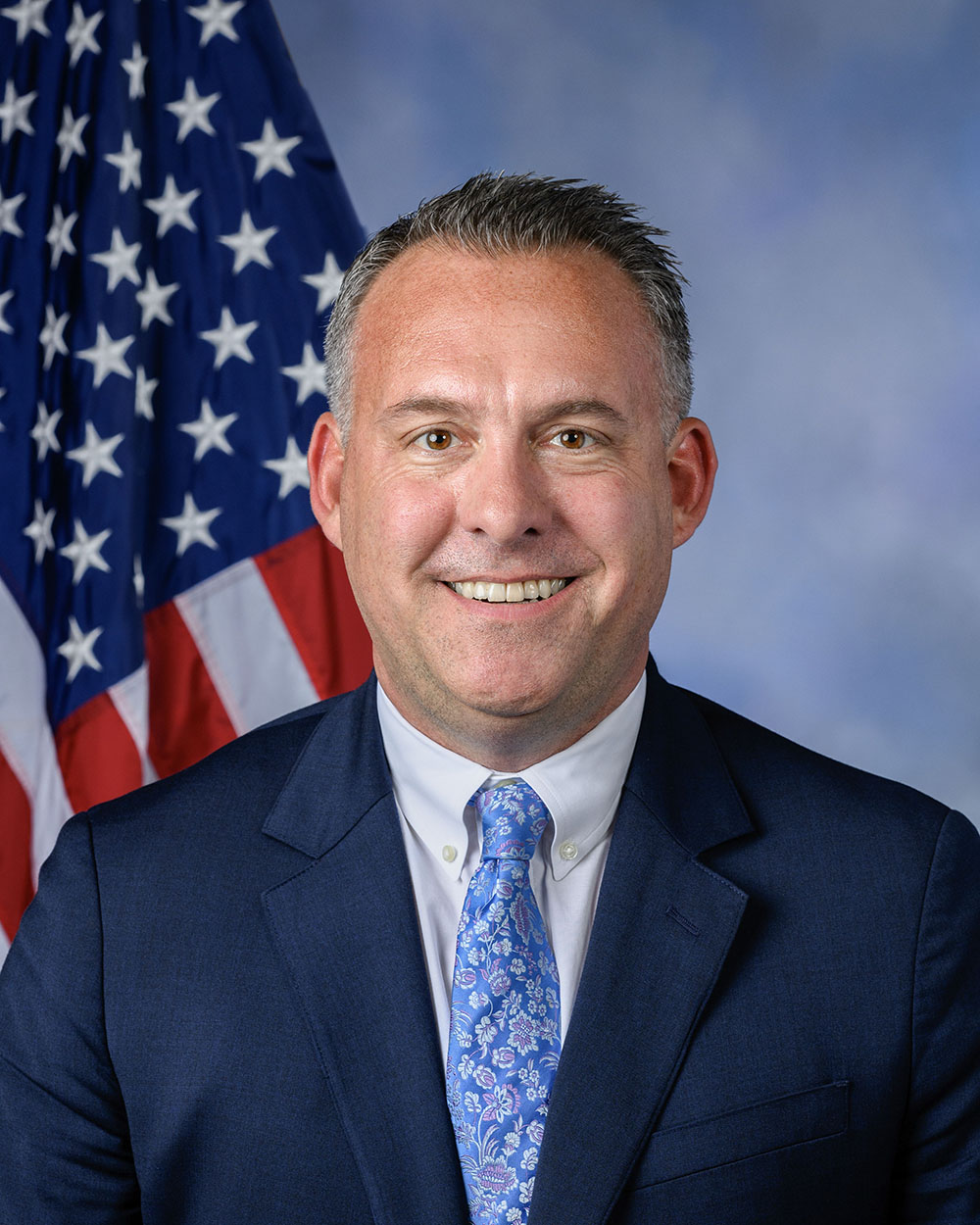
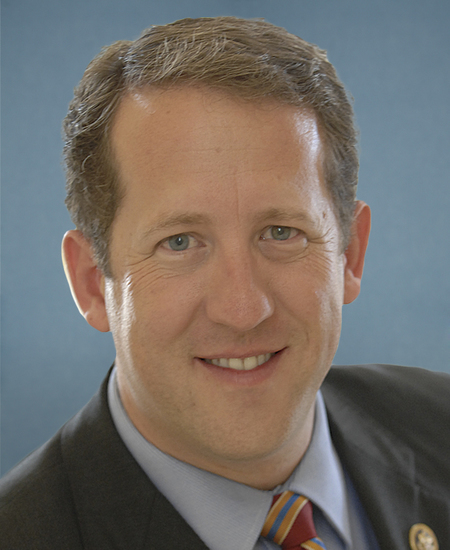
Adrian Smith
Adrian Smith House · District 3
R
Support
67% 3
Aaron Bean
Aaron Bean House · District 4
R
Oppose
33% 3
Addison P. McDowell
Addison P. McDowell House · District 6
R
Oppose
33% 3
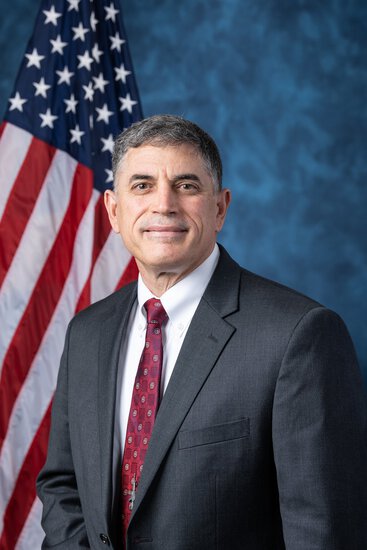
Andrew Ogles
Andrew Ogles House · District 5
R
Oppose
33% 3
Andrew S. Clyde
Andrew S. Clyde House · District 9
R
Oppose
33% 3
Andy Biggs
Andy Biggs House · District 5
R
Oppose
33% 3
Showing 71–80 of 275 bills

All education bills

in committee · United States · Senate Mar 24, 2026

S 4169: Student Loan Interest Elimination Act

The Student Loan Interest Elimination Act would eliminate interest on existing Federal Direct student loans and set the interest rate for new Federal Direct student loans to zero starting July 1, 2026. The bill also establishes an Education Affordability Trust Fund financed by loan repayments to fund these zero-interest loans and provide additional Pell Grants. Under the program, borrowers could opt out of automatic interest elimination and refinancing, and the bill includes provisions for calculating qualifying payments toward loan forgiveness programs.
in committee · United States · Senate Mar 24, 2026

S 4177: Student Athlete Act of 2026

This bill establishes federal rules for college student athletes, primarily affecting institutions of higher education and the National Collegiate Athletic Association. It guarantees that student athletes have five consecutive years of eligibility to compete in intercollegiate sports, regardless of injuries or other circumstances. The legislation also sets new transfer portal regulations, requiring athletes to sit out one academic year after transferring except for their first transfer, and mandates that schools honor financial aid commitments when students move to new institutions. Additionally, the bill prevents states from passing laws that conflict with these federal provisions or restrict student athlete rights under the new rules.
in committee · United States · House Mar 19, 2026

HR 8009: Student Protection and Success Act

This bill would require colleges to demonstrate that at least 15% of their student loan borrowers successfully reduce their loan principal within two years of entering repayment, or risk losing eligibility for federal student loan programs starting in fiscal year 2028. It also creates a new bonus grant program for institutions with repayment rates above 25% and requires colleges to pay fees based on the amount of loans their students fail to repay. The legislation defines repayment success as borrowers who are not in default and have made at least a one-dollar reduction in their principal balance, while excluding students in deferment for military service, graduate school, or public service.
in committee · United States · Senate Mar 26, 2026

S 4269: Restoring College Access and Affordability Act

This bill, the Restoring College Access and Affordability Act, primarily reverses several changes made to federal student loan and grant programs in previous legislation. It restores previous loan limits, repayment terms, and deferment options that were altered by prior laws, affecting current and future student borrowers. The bill also modifies eligibility rules for Pell Grants and adjusts criteria for determining which educational programs can be deemed low-earning, specifically including programs that award associate's degrees and certificates. Additionally, it delays certain federal regulations related to borrower defense claims and closed school discharges, while reducing the excise tax on private college endowment income to 1.4 percent.
in committee · United States · House Apr 9, 2026

HJRES 155: Providing for congressional disapproval under chapter 8 of title 5, United States Code, of the rule submitted by the Department of Education relating to "William D. Ford Federal Direct Loan (Direct Loan) Program".

This bill seeks to block a specific rule issued by the Department of Education that affects the William D. Ford Federal Direct Loan Program. If passed, it would prevent the rule from taking effect, meaning the proposed changes to federal student loans would not be implemented. The measure uses a legislative process known as a joint resolution of disapproval to override agency regulations. It directly impacts students, families, and institutions that rely on federal student loans by stopping the Department of Education from enforcing the new policy.
in committee · United States · Senate Mar 17, 2026

S 4119: Student Loan Marriage Penalty Elimination Act of 2026

This bill would change how married couples claim the student loan interest tax deduction by allowing each spouse to apply the $2,500 deduction limit separately rather than as a combined household limit. The change applies to tax years beginning after December 31, 2026, and would affect married couples filing jointly who have student loans in both spouses' names. Under current rules, the total deduction for both spouses combined cannot exceed $2,500, but this legislation would permit each spouse to claim up to $2,500 individually. The bill amends the Internal Revenue Code of 1986 to implement this separate calculation method while maintaining the overall dollar cap for each individual taxpayer.
in committee · United States · Senate Aug 4, 2026

S 4097: State-Based Education Loan Awareness Act

This bill, known as the State-Based Education Loan Awareness Act, clarifies that state-run student loan programs are not subject to certain federal rules about preferred lender arrangements. It directly affects state agencies, nonprofit organizations, and other entities that offer private student loans without federal government backing. The legislation defines these state programs by requiring that they offer interest rates and fees at least as favorable as federal Direct PLUS loans and that borrowers are informed about federal loan options before taking out private loans. By making this exclusion explicit, the bill ensures state programs operate under different regulatory requirements than federally backed lending arrangements.
in committee · United States · Senate Mar 9, 2026

S 4025: Addressing Teacher Shortages Act of 2026

This bill, titled the Addressing Teacher Shortages Act of 2026, creates a federal grant program to help schools and school districts recruit and keep high-quality teachers, with a focus on rural areas, high-need subjects like STEM and special education, and underrepresented communities. The program provides competitive grants to eligible entities such as local school districts for at least five years to fund activities like teaching residencies, mentor programs, Grow Your Own initiatives that train local community members as teachers, and 2+2 partnerships between community colleges and universities. Grant recipients must match federal funds with non-federal contributions unless waived due to economic hardship, and the program prioritizes applications that include partnerships with minority-serving institutions and prepare paraprofessionals or substitute teachers for licensure.
in committee · United States · Senate Mar 11, 2026

S 4056: Proprietary Education Oversight Task Force Act

This bill creates a new Proprietary Education Interagency Oversight Committee composed of representatives from multiple federal agencies including the Department of Education, Consumer Financial Protection Bureau, Department of Justice, and others. The committee will coordinate oversight of for-profit colleges that receive federal student aid, share complaint information among agencies, and publish an annual report on institutional performance and enforcement actions. The bill also establishes a 'For-Profit College Warning List' that would publicly identify institutions facing lawsuits, settlements, or federal assistance suspensions, requiring written responses from schools before publication.
in committee · United States · Senate Mar 2, 2026

S 3957: NSF AI Education Act of 2026

The NSF AI Education Act of 2026 directs the National Science Foundation to award scholarships and fellowships to undergraduate and graduate students studying artificial intelligence, quantum computing, and related fields. The bill establishes new programs to support AI education at community colleges, vocational schools, and historically underserved institutions, including priority funding for rural, Tribal, and minority-serving institutions. It also authorizes grants for AI research in agriculture and advanced manufacturing, requires the development of guidance for AI use in K-12 education, and mandates the creation of workforce frameworks for AI and other emerging technologies. The legislation includes provisions to restrict funding to institutions with certain civil rights violations and establishes requirements for oversight of public-private partnerships and foreign contributions.
Showing 71 to 80 of 275 bills
Previous 1 7 8 9 28 Next