Issue · Education

Education

Every education bill, vote, and legislator stance in United States, automatically classified by Maddy, our AI policy reader.

Total bills
116
119th Congress
Top supporter
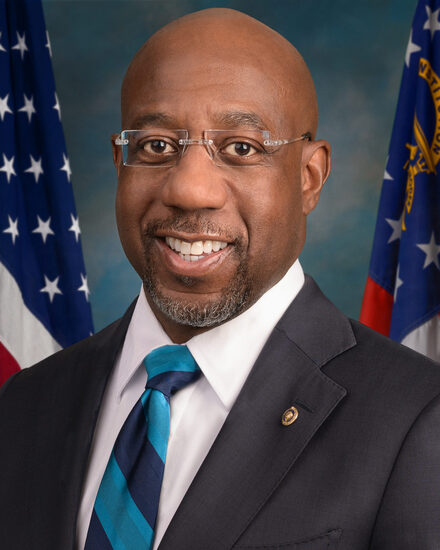
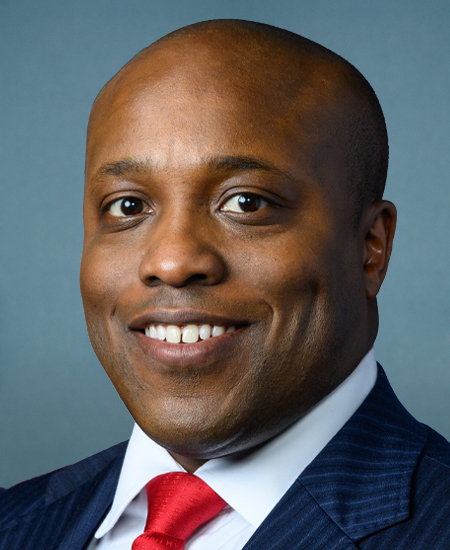
Raphael G. Warnock
100% support rate
Top opponent
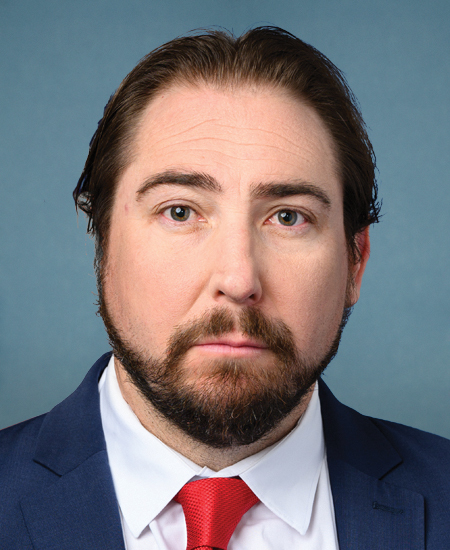
Thomas Massie
14% support rate
Ranked legislators
10
5 support · 5 oppose
Key legislators

Who's moving education in United States

Legislators moving education in United States
Legislator Party Stance Support rate Votes
Raphael G. Warnock
Raphael G. Warnock Senate
D
Strong +
100% 167
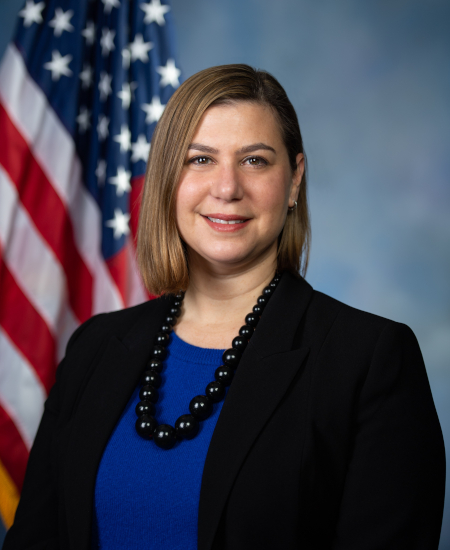
Elissa Slotkin
Elissa Slotkin Senate
D
Strong +
86% 166
Michael F. Bennet
Michael F. Bennet Senate
D
Strong +
86% 137
Mark R. Warner
Mark R. Warner Senate
D
Strong +
86% 167
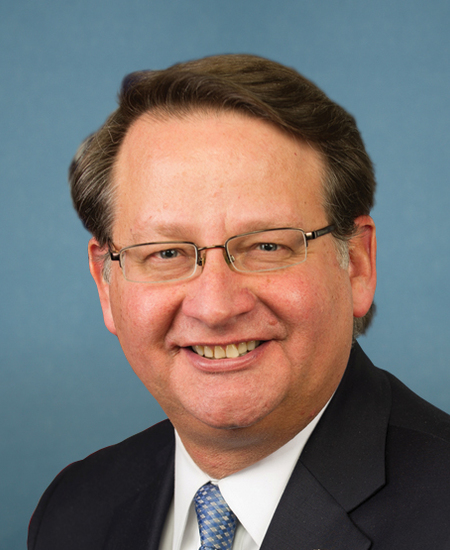
Gary C. Peters
Gary C. Peters Senate
D
Strong +
86% 167
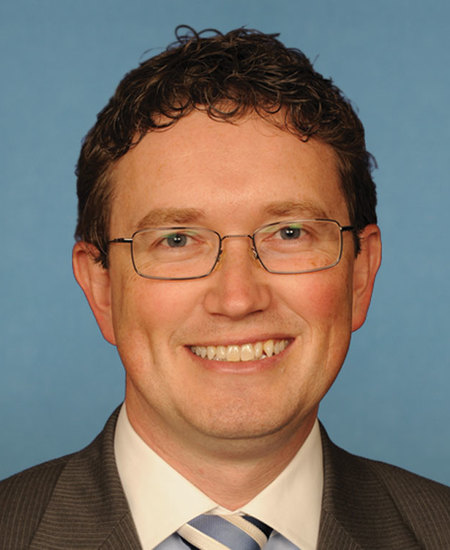
Thomas Massie
Thomas Massie House · District 4
R
Strong −
14% 126
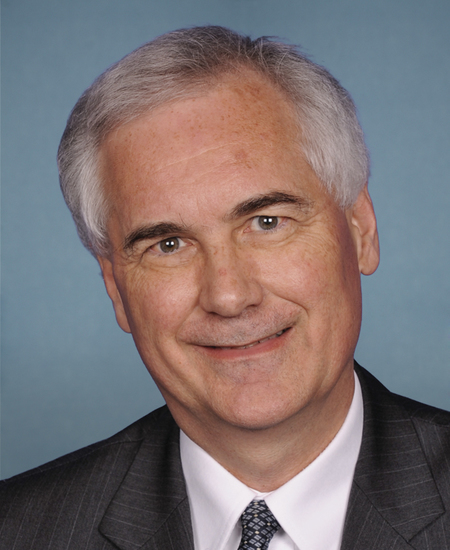
Tom McClintock
Tom McClintock House · District 5
R
Strong −
14% 125
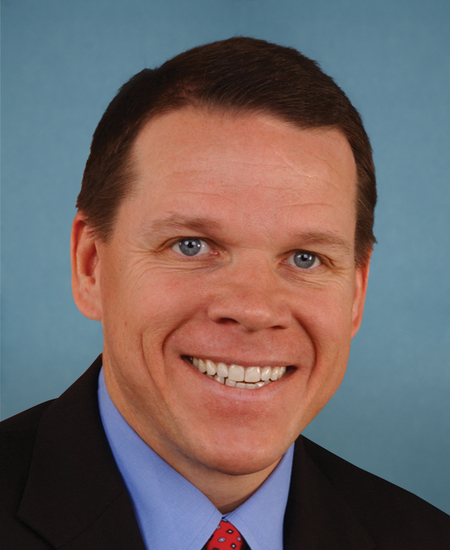
Sam Graves
Sam Graves House · District 6
R
Strong −
14% 124
Elijah Crane
Elijah Crane House · District 2
R
Strong −
14% 128
Wesley Hunt
Wesley Hunt House · District 38
R
Strong −
14% 109
Showing 61–70 of 116 bills

All education bills

in committee · United States · House Feb 10, 2025

HR 1176: Clock Hour Program Student Protection Act

This bill amends the Higher Education Act to set a new limit on clock hours for training programs preparing students for recognized professions. It requires that such programs cannot exceed 150% of either the state's minimum clock hour requirement or the relevant federal agency's requirement for that profession. The change directly affects vocational and career-focused training programs that already meet state standards but were previously allowed to offer significantly more hours. The rule applies starting with the 2024-2025 academic year for federal financial aid purposes.
in committee · United States · House Mar 27, 2025

HR 2452: Keep Our Girls Safe Act of 2025

This bill amends Title IX to prohibit individuals assigned male at birth (based on reproductive biology and genetics at birth) from using locker rooms designated for females during active use in school programs. It directly affects transgender girls and schools implementing gender-segregated facilities. The key provision makes it unlawful under federal law to use such facilities when they are actively used by individuals of a different sex. The policy change takes effect 30 days after enactment.
Sub-Topics School Safety
in committee · United States · House Feb 13, 2025

HR 1282: Eliminate DEI in Colleges Act

HR 1282 prohibits federal funding for colleges that operate diversity, equity, and inclusion (DEI) programs or offices. It requires institutions to certify they do not run any initiative primarily focused on classifying students by race, gender, or other protected characteristics, or providing preferential treatment based on those factors. Schools receiving federal funds (including student loans) must provide this certification, and the government can verify it or appeal funding termination through a formal process. This bill directly affects nearly all colleges and universities that accept federal financial aid, fundamentally changing eligibility for those programs.
in committee · United States · House Jan 15, 2025

HR 455: Protecting Higher Education from Foreign Threats Act

This bill prohibits U.S. colleges and universities receiving federal student aid from employing instructors who received funding from the Chinese Communist Party (CCP) while working at the institution. Institutions that employ such instructors lose eligibility for federal funds during the affected academic year. They may regain eligibility the following year by proving they no longer employ CCP-funded instructors. The policy directly affects all higher education institutions participating in federal financial aid programs.
in committee · United States · House Mar 26, 2025

HR 2374: American Students First Act

HR 2374, the American Students First Act, restricts federal funding for public universities that charge non-citizens not lawfully present in the U.S. lower tuition rates than in-state residents or provide them with state financial aid. The bill amends existing law to require public institutions of higher education to charge undocumented immigrants the same tuition rates as in-state citizens and not offer state-based aid to them. If a university violates these rules, it loses all federal financial assistance for the following fiscal year, as determined by the Secretary of Education. This directly affects public colleges in states with such tuition or aid policies for undocumented students.
in committee · United States · House Mar 31, 2025

HR 2490: No In-State Tuition for Illegal Immigrants Act

HR 2490, the "No In-State Tuition for Illegal Immigrants Act," would require states to charge non-citizens not lawfully present in the U.S. the same out-of-state tuition rate at public colleges as other non-residents, or risk losing federal education funding. Specifically, states that offer in-state tuition rates to undocumented immigrants would become ineligible for Title IV federal student aid funds under the Higher Education Act starting the year after the violation is identified. This provision directly affects public universities in states that currently provide in-state tuition to undocumented immigrants, as they would lose access to federal financial aid programs. The bill does not change state tuition laws directly but ties federal funding eligibility to compliance with the new requirement.
in committee · United States · House Aug 29, 2025

HR 5066: Safe Students Act

This bill repeals the Gun-Free School Zones Act of 1990 and makes technical amendments to Title 18 of the U.S. Code, specifically removing references to school zones in firearm offense provisions. It revises sections governing firearm restrictions (Section 922), definitions (Section 921), and penalties (Section 924) by renumbering and deleting specific paragraphs related to the repealed law. The bill directly affects federal firearm law enforcement and legal interpretations concerning school zones, but does not create new restrictions or protections. As a procedural repeal, it removes outdated language without altering current firearm regulations.
in committee · United States · House Jun 11, 2025

HR 3913: Putting American Students First Act

HR 3913, the "Putting American Students First Act," amends the Higher Education Act to establish specific eligibility requirements for Federal TRIO programs. It requires participants to be U.S. nationals, lawful permanent residents, certain aliens with intent to become permanent residents, citizens of Freely Associated States, CNMI residents under specific compacts, or lawful residents of Freely Associated States. The bill explicitly prohibits waiving these requirements under any current or future appropriations laws or performance partnership pilot authorities. This change directly affects students seeking TRIO program support, which assists low-income, first-generation, and disabled college students. The policy alters who qualifies for these federally funded educational support programs.
in committee · United States · House Feb 7, 2025

HR 1128: Endowment Accountability Act

This bill increases the excise tax on investment income earned by private colleges and universities from 1.4% to 10%. It also lowers the asset threshold requiring taxation from $500,000 to $200,000 per student, meaning more institutions will now be subject to the tax. The tax applies only to investment income, not the full endowment value, and affects private colleges meeting the new per-student asset threshold. The changes take effect for taxable years after the bill's enactment.
in committee · United States · Senate Jan 16, 2025

S 108: Protecting Higher Education from the Chinese Communist Party Act of 2025

This bill would bar certain U.S. visas for individuals affiliated with the Chinese Communist Party (CCP) and their immediate family members, directly affecting students and exchange visitors seeking to study or participate in cultural programs in the U.S. It amends immigration law to deny F-1 student visas and J-1 exchange visitor visas to CCP members (including those who served on the CCP National Congress) and their spouses, children, parents, siblings, or other close relatives. Exceptions include cases required to comply with U.S. obligations under the UN Headquarters Agreement and national security waivers approved by the President. The policy changes would take effect upon the bill’s enactment, restricting visa eligibility for these groups in higher education contexts.
Sub-Topics Higher Education
Showing 61 to 70 of 116 bills
Previous 1 6 7 8 12 Next