Issue · Education

Education (School Safety)

Every education bill, vote, and legislator stance in United States, automatically classified by Maddy, our AI policy reader.

Total bills
91
119th Congress
Top supporter
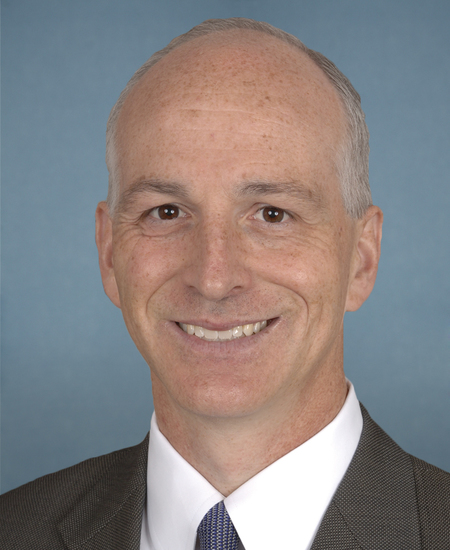
Adam Smith
67% support rate
Top opponent
Donald G. Davis
0% support rate
Ranked legislators
10
5 support · 5 oppose
Key legislators

Who's moving school safety in United States

Legislators moving school safety in United States
Legislator Party Stance Support rate Votes
Adam Smith
Adam Smith House · District 9
D
Support
67% 3
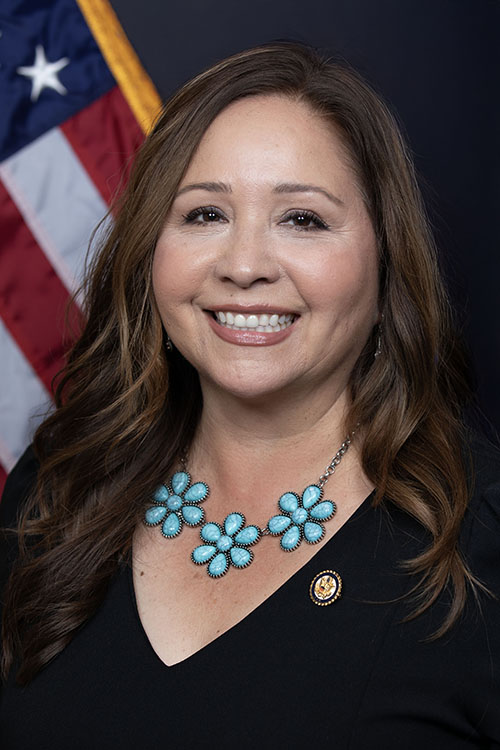
Adelita S. Grijalva
Adelita S. Grijalva House · District 7
D
Support
67% 3
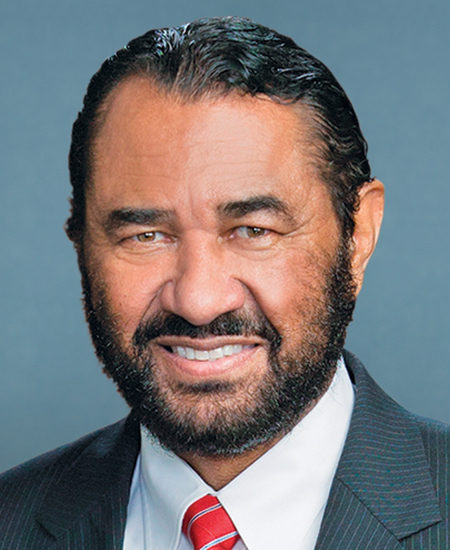
Al Green
Al Green House · District 9
D
Support
67% 3
Alexandria Ocasio-Cortez
Alexandria Ocasio-Cortez House · District 14
D
Support
67% 3
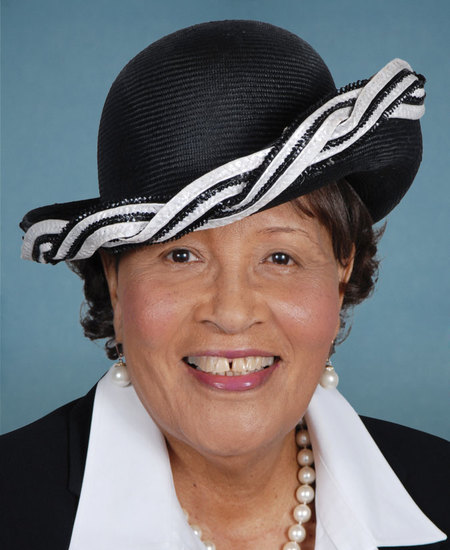
Alma S. Adams
Alma S. Adams House · District 12
D
Support
67% 3
Donald G. Davis
Donald G. Davis House · District 1
D
Strong −
0% 3
Eugene Simon Vindman
Eugene Simon Vindman House · District 7
D
Strong −
0% 3
Henry Cuellar
Henry Cuellar House · District 28
D
Strong −
0% 3
Laura Gillen
Laura Gillen House · District 4
D
Strong −
0% 3
Marie Gluesenkamp Perez
Marie Gluesenkamp Perez House · District 3
D
Strong −
0% 3
Showing 51–60 of 91 bills

All education bills

in committee · United States · House Feb 12, 2025

HR 1275: Focus on Learning Act

The Focus on Learning Act requires the Surgeon General to study how personal mobile devices affect student learning, mental health, and school climate in elementary and secondary schools. It establishes a pilot program offering $5 million over five years to school districts that implement "device-free" environments - requiring secure storage for students' personal phones during school hours - while allowing exceptions for health needs, students with disabilities, or language translation. Schools in the pilot must obtain parental input, maintain staff communication systems, and detail their device policies before participating. The study and pilot aim to test whether reducing personal device use during school improves academic outcomes and school environment, with results to be reported to Congress.
in committee · United States · House Dec 11, 2025

HR 6683: Safer Schools Act of 2025

The Safer Schools Act of 2025 establishes a 5-year federal pilot program providing grants to public schools for security risk assessments and physical security upgrades. Public schools that have experienced violent incidents involving multiple people are prioritized for both types of grants. Schools receiving assessment grants must first identify vulnerabilities, while improvement grants fund specific security measures like panic alarms linked to local police, with federal funds covering up to 50% of costs. The program allocates $600 million total ($100M-$300M annually), requiring schools to submit financial reports and post-implementation safety surveys, with annual congressional reports tracking outcomes.
in committee · United States · House Sep 18, 2025

HR 5482: Prevent Youth Suicide Act

HR 5482, the Prevent Youth Suicide Act, requires schools serving grades 6-12 that receive federal education funds to implement evidence-based suicide prevention and postvention protocols within 210 days of the law's enactment. Specifically, schools must develop staff training to identify suicide risks and connect students to mental health resources, establish referral systems, conduct anti-stigma awareness campaigns, and create postvention plans for after a suicide occurs. The bill mandates biennial staff training on trauma-informed care and requires the Secretary of Education to provide technical assistance and monitor compliance. These requirements directly affect all public and private K-12 schools participating in federal education programs under applicable law.
in committee · United States · Senate Mar 27, 2025

S 1189: School Guardian Act of 2025

The School Guardian Act of 2025 creates a federal grant program to fund armed law enforcement officers at K-12 schools. It allocates $80 billion from unused IRS funds over 10 years, with grants distributed to states based on their share of national K-12 student enrollment. States must then award subgrants to local law enforcement agencies to hire at least one full-time officer per school, covering pay, training, and equipment costs. States must report annually on how funds are used, including the number of schools and officers supported.
in committee · United States · House Jan 15, 2026

HR 7092: RAYS Act

The RAYS Act (HR 7092) requires secondary schools to include suicide prevention contact information on student identification cards or, if cards aren't issued, on school websites and student-accessible online platforms. Schools must list the 988 Suicide and Crisis Lifeline, Crisis Text Line, and a local suicide prevention hotline. The bill also allows schools to optionally add more mental health resources and mandates federal outreach to inform students, parents, and staff about these services. It takes effect one year after enactment for physical ID cards and 60 days later for digital methods.
passed · United States · House May 21, 2026

HR 2616: Stopping Indoctrination and Protecting Kids Act

HR 2616, the PROTECT Kids Act, requires public elementary and middle schools receiving federal education funding to obtain parental consent before changing a student's gender markers, pronouns, or preferred name on school forms, or before assigning them to sex-based accommodations like locker rooms or bathrooms. The bill directly affects minor students in elementary school or middle grades (ages typically 5-14). Schools must secure this consent as a condition for maintaining federal funding under the Elementary and Secondary Education Act. The law focuses on specific administrative changes to student records and facility assignments, not broader educational content or curriculum.
in committee · United States · House Dec 11, 2025

HR 6617: Keeping All Students Safe Act

The Keeping All Students Safe Act prohibits the use of unlawful seclusion and restraint in schools receiving federal funding, including physical restraint that restricts breathing or blood flow, chemical restraint not prescribed for medical treatment, and mechanical restraint. The bill requires schools to use less restrictive interventions first, mandates that staff using physical restraint be trained and certified through State-approved programs, and requires immediate parent notification after any restraint incident. States must develop plans to monitor compliance, collect and report data on restraint incidents (disaggregated by race, disability status, and school type), and implement positive behavioral interventions. The bill provides $40 million annually for five years to support states in implementing these requirements and improving school climate through evidence-based approaches.
in committee · United States · House Sep 30, 2025

HR 5668: Stronger Schools Act

HR 5668, the Stronger Schools Act, requires elementary and secondary schools to implement specific security measures using federal grants. It directs the Secretary of Education to provide competitive grants to local school districts to fund two key security upgrades: hiring armed school resource officers and creating secure entry points with locked anterooms and metal detectors for all visitors. These measures apply directly to all schools served by participating local educational agencies. The bill mandates that grant funds be used exclusively for these security provisions, with a report to Congress due within one year of enactment.
Sub-Topics School Safety
in committee · United States · House May 7, 2025

HR 3262: NURSE Act

HR 3262, the NURSE Act, creates a federal grant program to help schools hire more registered school nurses, primarily targeting public elementary and secondary schools serving high-need communities. The bill prioritizes schools where at least 20% of students qualify for free/reduced-price lunches (indicating high poverty) or lack any nurse, with federal funds covering up to 75% of costs for hiring nurses. Eligible schools or consortia must demonstrate student health needs, such as chronic conditions or mental health support, and the program requires a report to Congress evaluating impacts on nurse staffing and student health outcomes. The grant program is authorized for fiscal years 2026-2030, aiming to address the current shortage where one-third of schools lack a school nurse.
in committee · United States · House Feb 21, 2025

HR 1448: PEER Mental Health Act of 2025

HR 1448, the PEER Mental Health Act of 2025, provides federal grants to schools for mental health training. It requires training school staff, students, parents, and caregivers to recognize mental health symptoms in youth, refer students to services, and apply basic response techniques during immediate distress. The bill mandates that at least 25% of annual funding ($24.96 million per year for 2026-2030) supports rural schools, with streamlined application processes and technical assistance for grantees. The program directly affects public schools, their personnel, and students by expanding access to mental health awareness and community resource education.
Showing 51 to 60 of 91 bills
Previous 1 5 6 7 10 Next