Issue · Education

Education

Every education bill, vote, and legislator stance in United States, automatically classified by Maddy, our AI policy reader.

Total bills
1,117
119th Congress
Top supporter
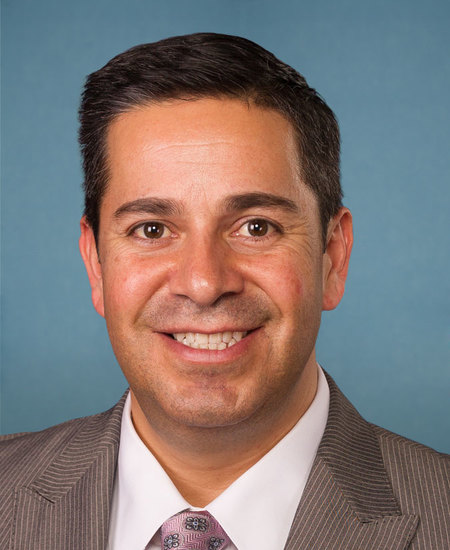
Ben Ray Luján
92% support rate
Top opponent
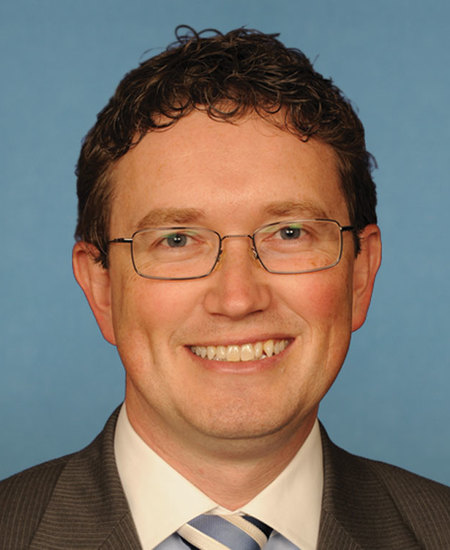
Thomas Massie
12% support rate
Ranked legislators
10
5 support · 5 oppose
Key legislators

Who's moving education in United States

Legislators moving education in United States
Legislator Party Stance Support rate Decisive votes
Ben Ray Luján
Ben Ray Luján Senate
D
Strong +
92% 12
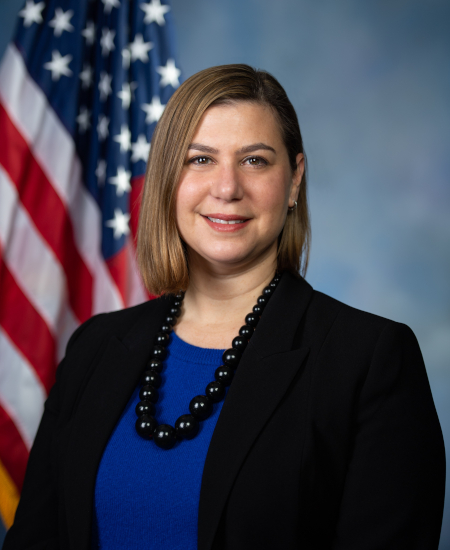
Elissa Slotkin
Elissa Slotkin Senate
D
Strong +
92% 12
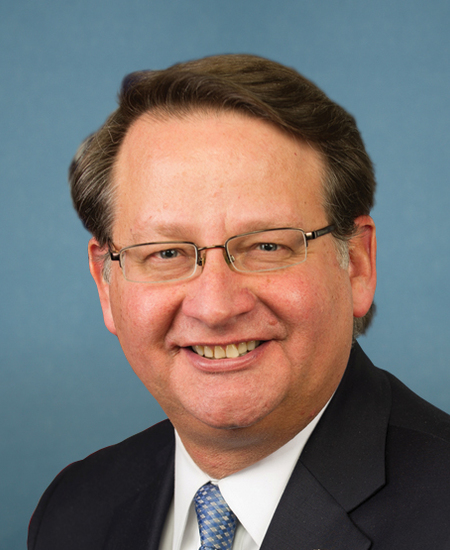
Gary C. Peters
Gary C. Peters Senate
D
Strong +
92% 12
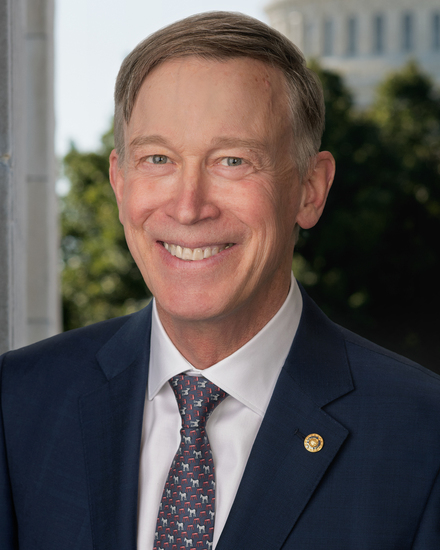
John W. Hickenlooper
John W. Hickenlooper Senate
D
Strong +
92% 12
Maria Cantwell
Maria Cantwell Senate
D
Strong +
92% 12
Thomas Massie
Thomas Massie House · District 4
R
Strong −
12% 8
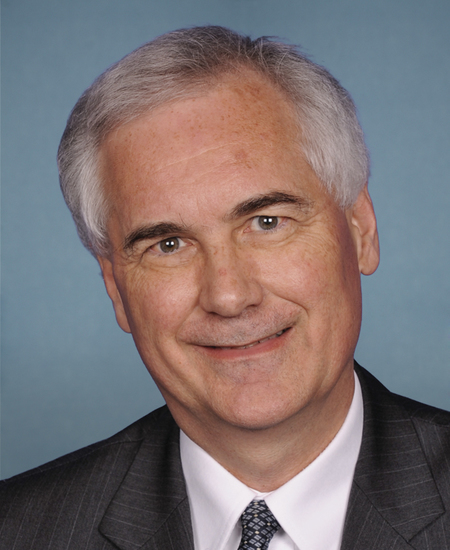
Tom McClintock
Tom McClintock House · District 5
R
Strong −
12% 8
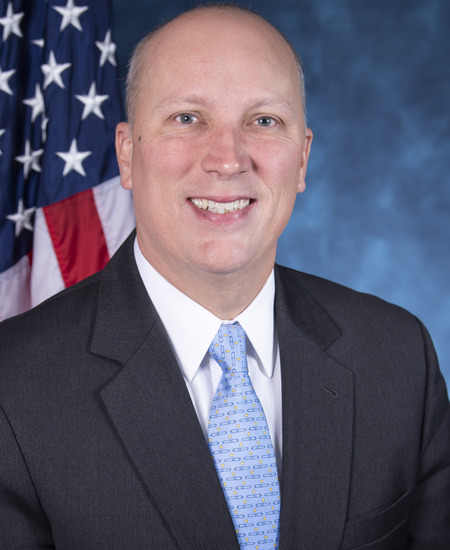
Chip Roy
Chip Roy House · District 21
R
Strong −
14% 7
Rand Paul
Rand Paul Senate
R
Strong −
17% 12
Andy Harris
Andy Harris House · District 1
R
Strong −
20% 10
Showing 551–560 of 1,117 bills

All education bills

in committee · United States · House Jul 16, 2025

HR 4444: Student Loan Bankruptcy Improvement Act of 2025

HR 4444 would replace the current "undue hardship" standard for discharging student loan debt in bankruptcy with a new, more accessible standard. This change directly affects the 43 million Americans with federal student loans, particularly those struggling with payments (over 6 million are 90+ days delinquent as of June 2025), who currently face an extremely low success rate (less than 0.01%) under the existing Brunner test. The bill amends Section 523(a)(8) of the bankruptcy code to remove "undue hardship," giving courts flexibility to use reasonable criteria while maintaining existing bankruptcy requirements like means testing. This aims to provide a fairer path to relief for borrowers who cannot repay their debts, addressing a system where most bankruptcy filings for student loans fail.
in committee · United States · House May 11, 2026

HR 7343: Foster Youth Workforce Opportunity Act

This bill expands education and job training support for youth who have been in foster care since age 14 or older. It allows funding for apprenticeships, GED programs, and remedial education to help them earn diplomas or enter postsecondary training. The changes lower the eligibility age from 16 to 14 and extend participation time for remedial education (up to 6 years). It directly affects foster youth transitioning to adulthood by broadening access to workforce preparation programs.
in committee · United States · House May 23, 2025

HR 3574: To amend the Internal Revenue Code of 1986 to permit qualified distributions from section 529 plans for certain transportation and parking expenses.

HR 3574 would expand the use of 529 college savings plans to cover transportation and parking costs at eligible colleges and universities. Specifically, it allows families to withdraw funds from these plans to pay for reasonable transportation expenses (including parking) up to the amount the school includes in its official cost of attendance for transportation. This change directly affects students and families using 529 plans who incur these costs while attending participating institutions. The bill amends the tax code to add transportation and parking to the list of eligible expenses, without increasing the maximum amount that can be covered.
in committee · United States · House Feb 14, 2025

HR 291: CAREERS Act

Creating Access to Rural Employment and Education for Resilience and Success Act or the CAREERS Act This bill reauthorizes the Rural Innovation Stronger Economy (RISE) Grant Program and expands the program to include support for career pathway programs or industry or sector partnerships in industries in rural communities. As background, this Department of Agriculture (USDA) program offers grant assistance to create and augment high-wage jobs, accelerate the formation of new businesses, support industry clusters, and maximize the use of local productive assets in eligible low-income rural areas. Under the bill, RISE grant program funds may be used to support career pathway programs (i.e., a combination of rigorous and high-quality education, training, and other services) or industry or sector partnerships in industries in rural communities. These industries may include public utilities (i.e., telecommunications, broadband, water, wastewater, disposal, and electric supply services), conservation practices and management, health care, child care, manufacturing, and agribusiness. The bill removes the current requirement that the program provide grants (to the maximum extent practicable) for job accelerators in at least 25 states. Instead, USDA must ensure the regional diversity of grant recipients or participants in providing for job accelerators, career pathway programs, and industry or sector partnerships. The bill also includes additional reporting requirements for career pathway programs and industry or sector partnership grant recipients.
Sub-Topics Career & Technical Education Tags Rural Communities
in committee · United States · House May 21, 2025

HR 3567: Put School Counselors Where They’re Needed Act

This bill establishes a federal demonstration program to address high school graduation gaps by funding additional school counselors in struggling schools. It targets secondary schools with a four-year graduation rate of 60% or lower, providing competitive 4-year grants to hire counselors focused on students at risk of not graduating. Grants require maintaining a 1:250 counselor-to-student ratio for at-risk youth, covering new counselors and related resources like professional development, while ensuring funds supplement - rather than replace - existing counseling staff. Schools must show at least a 10% graduation rate improvement to renew funding for up to three cycles. The program aims to directly support historically underserved student groups with lower graduation rates, including students of color, those with disabilities, and English learners.
in committee · United States · House Feb 5, 2026

HR 7394: Mental Health Career Promotion Act

HR 7394, the Mental Health Career Promotion Act, creates a federal grant program to help schools and community colleges connect students with mental health careers. It provides $50 million annually (2027-2031) for partnerships between schools, community colleges, and mental health providers to run programs like career presentations, internships, and professional shadowing for students in grades 9-12 or community college. These programs must be culturally appropriate and evaluated using standardized outcomes, with grantees reporting annually on effectiveness. The bill directly affects educational institutions and mental health organizations working to build pipelines for careers like counselors, social workers, and addiction specialists.
in committee · United States · House May 21, 2025

HR 3543: College for All Act of 2025

The College for All Act of 2025 would eliminate tuition and required fees for eligible students at public community colleges and 4-year institutions through a federal-state partnership. The federal government would cover 100% of costs in the first year (2026-2027), gradually decreasing to 80% by 2030-2031, while states would start with 0% and increase to 20% by 2030-2031. Eligible students would include those with family income below $150,000 for single parents or $300,000 for married parents, regardless of immigration status. The bill also includes requirements to maintain instruction funding, improve transfer pathways between community colleges and 4-year institutions, and provide additional support for students after tuition elimination.
in committee · United States · House Feb 6, 2025

HR 1061: Protecting Sensitive Locations Act

Protecting Sensitive Locations Act This bill prohibits immigration enforcement actions within 1,000 feet of a sensitive location except in exigent circumstances, such as the imminent risk of death, violence, or physical harm to any person. Sensitive locations include  health care facilities; schools and school bus stops; places that provide assistance for people such as children, pregnant women, and abuse victims; child care facilities; places that provide disaster or emergency services; places of worship; courthouses and lawyers’ offices; facilities used as polling places; certain labor union facilities; and public assistance offices. The prohibition shall apply to Department of Homeland Security officers and agents, as well as state employees pursuing immigration enforcement actions. If an enforcement action is carried out in violation of this prohibition (1) no information resulting from the action may be entered into the record in a resulting removal proceeding, and (2) the affected individual may move to immediately terminate such a proceeding. U.S. Immigration and Customs Enforcement and U.S. Customs and Border Protection shall annually report to Congress about enforcement actions taken at sensitive locations in the preceding year.
in committee · United States · House Feb 24, 2026

HR 7660: HBCU Empowerment and Reform Act

The HBCU Empowerment and Reform Act amends the definition of "historically Black college or university" (HBCU) in the Higher Education Act of 1965 by changing the establishment date cutoff from "prior to 1964" to "prior to November 8, 1965." This adjustment would include institutions founded between January 1, 1964, and November 7, 1965, in the HBCU category for federal programs. It directly affects those institutions' eligibility for HBCU-specific funding, grants, and support under federal law. The bill focuses solely on this technical definition update without additional policy provisions.
Sub-Topics Higher Education
in committee · United States · House Mar 10, 2025

HR 2003: Affordable Loans for Students Act

This bill automatically reduces the interest rate on eligible federal student loans to 2.0% for all borrowers, starting July 1 after enactment. It applies to all federal loans held by the U.S. Department of Education (like Direct Loans) and refinances other federal loans (like older FFELP loans) into new Direct Consolidation Loans at 2.0% interest without requiring borrower action (though borrowers may opt out of refinancing). Key provisions include eliminating origination fees, preserving original repayment terms, and requiring the Department to report annually on participation and delinquency rates. The policy directly affects millions of student loan borrowers with federal loans, lowering their interest costs without altering repayment duration or forgiveness eligibility.
Showing 551 to 560 of 1,117 bills
Previous 1 … 55 56 57 … 112 Next