

Issue · Education
Education
Every education bill, vote, and legislator stance in United States, automatically classified by Maddy, our AI policy reader.
Total bills
1,117
119th Congress
Top supporter
Ben Ray Luján
92% support rate
Top opponent
Thomas Massie
12% support rate
Ranked legislators
10
5 support · 5 oppose
Key legislators
Who's moving education in United States
| Legislator | Party | Stance | Support rate | Decisive votes |
|---|---|---|---|---|
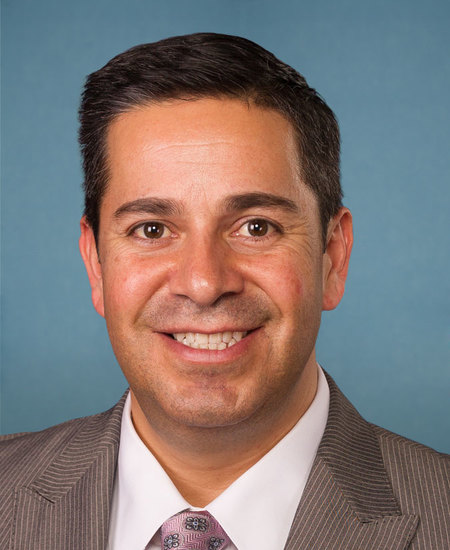
Ben Ray Luján
Senate
|
D |
Strong +
|
92% | 12 |
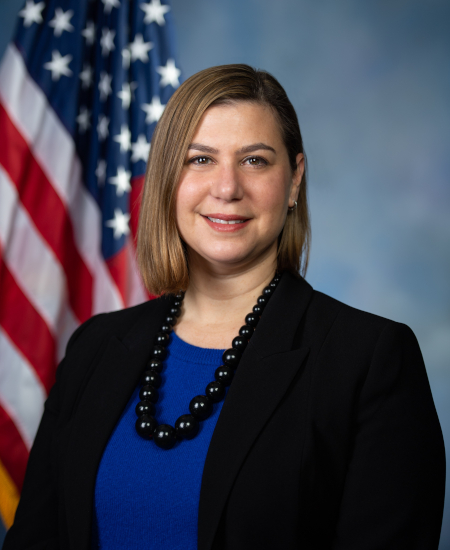
Elissa Slotkin
Senate
|
D |
Strong +
|
92% | 12 |
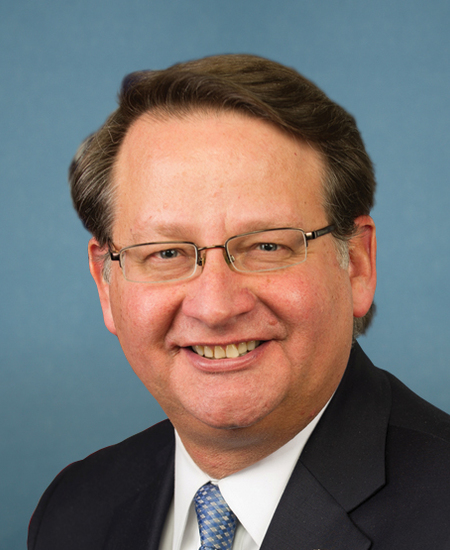
Gary C. Peters
Senate
|
D |
Strong +
|
92% | 12 |

John W. Hickenlooper
Senate
|
D |
Strong +
|
92% | 12 |

Maria Cantwell
Senate
|
D |
Strong +
|
92% | 12 |
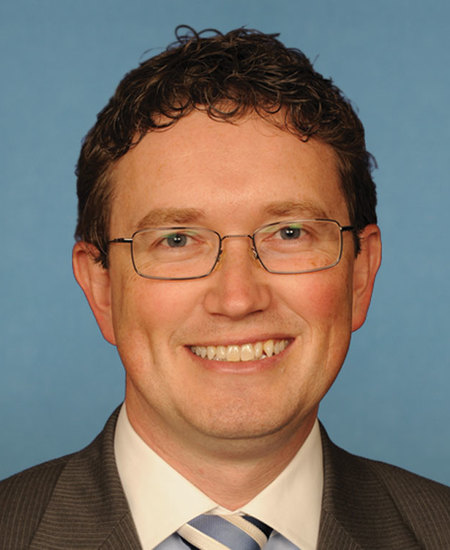
Thomas Massie
House · District 4
|
R |
Strong −
|
12% | 8 |
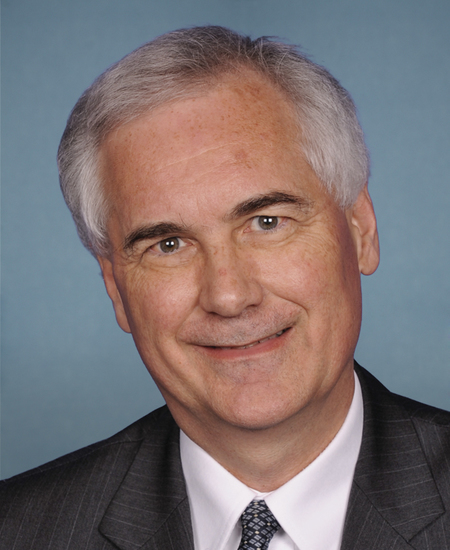
Tom McClintock
House · District 5
|
R |
Strong −
|
12% | 8 |
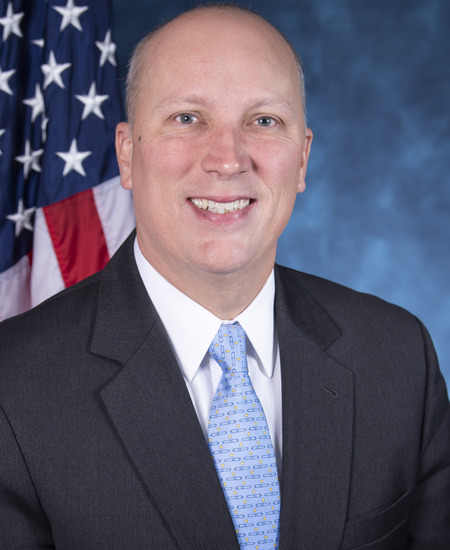
Chip Roy
House · District 21
|
R |
Strong −
|
14% | 7 |

Rand Paul
Senate
|
R |
Strong −
|
17% | 12 |
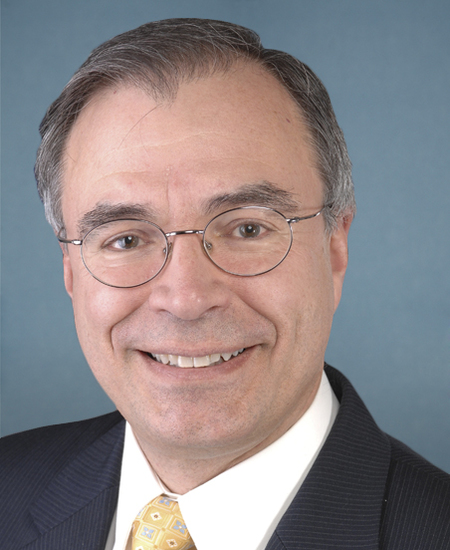
Andy Harris
House · District 1
|
R |
Strong −
|
20% | 10 |
Showing 531–540 of 1,117
bills
All education bills
S 674: Broadband Grant Tax Treatment Act
Topics
✓ Budget & TaxesSupports Budget & TaxesExcludes broadband grants from taxable income, providing tax relief to recipients and preventing double taxation, thus supporting fiscal management of grant funds.
✓ EducationSupports EducationExcludes broadband grants from taxable income, enabling schools to use full grant funds for digital infrastructure and access, directly supporting educational technology access.
✓ TechnologySupports TechnologyExcludes broadband grants from taxable income to facilitate infrastructure deployment under federal broadband programs, directly expanding internet access as a core technology policy.
HR 423: Private Student Loan Bankruptcy Fairness Act of 2025
Sub-Topics
Student Financial Aid
HR 1391: Student Veteran Benefit Restoration Act of 2025
Topics
✓ EducationSupports EducationRestores veterans' education benefits, expanding access to higher education programs by preventing benefit loss for fraud/closure issues at institutions.
✓ VeteransSupports VeteransRestores education benefits for veterans impacted by fraudulent/closed schools, prevents benefit entitlement loss, and requires institutional repayment to VA.
HR 3270: Air Traffic Control Workforce Development Act of 2025
Topics
✓ Budget & TaxesSupports Budget & TaxesBill allocates $20M annually (2026-2031) for air traffic controller training programs, directly funding workforce development under state budget priorities.
✓ EducationSupports EducationFunds $20M annually for colleges to develop specialized curricula and equipment, directly supporting higher education workforce training initiatives.
✓ Labor & EmploymentSupports Labor & EmploymentFunds specialized training programs and noncompetitive hiring for air traffic controllers, strengthening workforce development and retention within employment standards.
✓ TransportationSupports TransportationBill allocates $20M annually for air traffic controller training programs, directly strengthening aviation workforce infrastructure within transportation sector.
HR 6394: Midwives for MOMS Act of 2025
Topics
✓ EducationSupports EducationFunds midwifery education programs at colleges/universities with dedicated grants, directly advancing higher education access and funding as defined in the topic.
✓ HealthcareSupports HealthcareAllocates $35M annually for midwifery education programs to expand maternal healthcare access in rural and disadvantaged communities, directly funding healthcare workforce development.
HR 1434: Strengthening Communities through Summer Employment Act
Topics
✓ Criminal JusticeSupports Criminal JusticeFunds youth employment in high-crime communities to improve graduation rates and reduce recidivism, aligning with criminal justice reform goals.
✓ EducationSupports EducationFunds summer programs with mentoring/counseling to improve high school graduation and college enrollment rates, directly advancing educational outcomes.
✓ Labor & EmploymentSupports Labor & EmploymentBill funds summer youth employment with minimum wage, targets high-unemployment areas, and includes career support to improve employment outcomes and graduation rates, directly advancing labor & employment standards.
HR 2094: HELPER Act of 2025
Topics
✓ EducationSupports EducationBill explicitly provides mortgage assistance to elementary/secondary school teachers, supporting educators as a key beneficiary group.
✓ HousingSupports HousingProvides mortgage assistance with no down payment for teachers, first responders, and law enforcement, directly advancing affordable housing access for specific professions.
HR 2664: To amend the Higher Education Act of 1965 to provide for additional uses of funds for grants to strengthen historically Black colleges and universities, and for other purposes.
S 1266: Youth Mental Health Research Act
Topics
✓ EducationSupports EducationBill targets youth mental health interventions in learning environments, enhancing student well-being programs aligned with educational settings.
✓ HealthcareSupports HealthcareAuthorizes $100M annually for NIH youth mental health research, directly advancing mental health services through improved interventions and community resilience programs.
Sub-Topics
Mental Health