Issue · Education

Education (Student Financial Aid)

Every education bill, vote, and legislator stance in United States, automatically classified by Maddy, our AI policy reader.

Total bills
275
119th Congress
Top supporter
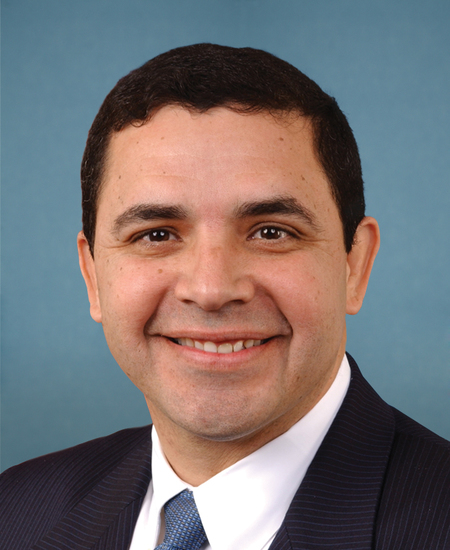
Henry Cuellar
100% support rate
Top opponent
Aaron Bean
33% support rate
Ranked legislators
10
5 support · 5 oppose
Key legislators

Who's moving student financial aid in United States

Legislators moving student financial aid in United States
Legislator Party Stance Support rate Votes
Henry Cuellar
Henry Cuellar House · District 28
D
Strong +
100% 3
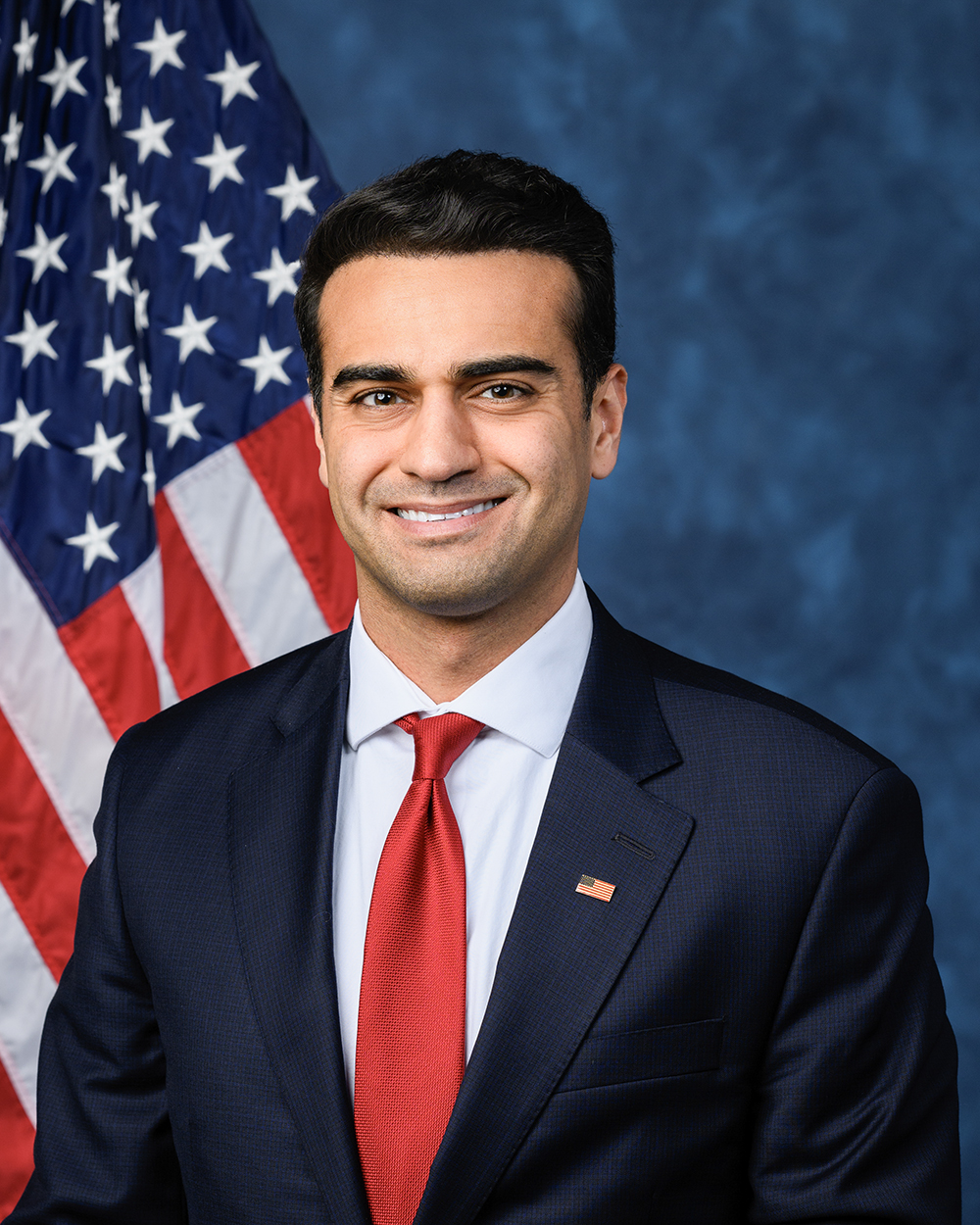
Abraham J. Hamadeh
Abraham J. Hamadeh House · District 8
R
Support
67% 3
Adam Gray
Adam Gray House · District 13
D
Support
67% 3
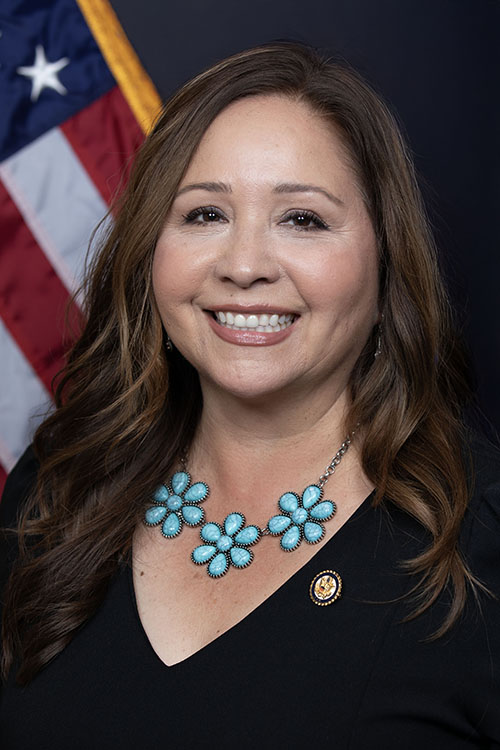
Adelita S. Grijalva
Adelita S. Grijalva House · District 7
D
Support
67% 3
Adrian Smith
Adrian Smith House · District 3
R
Support
67% 3
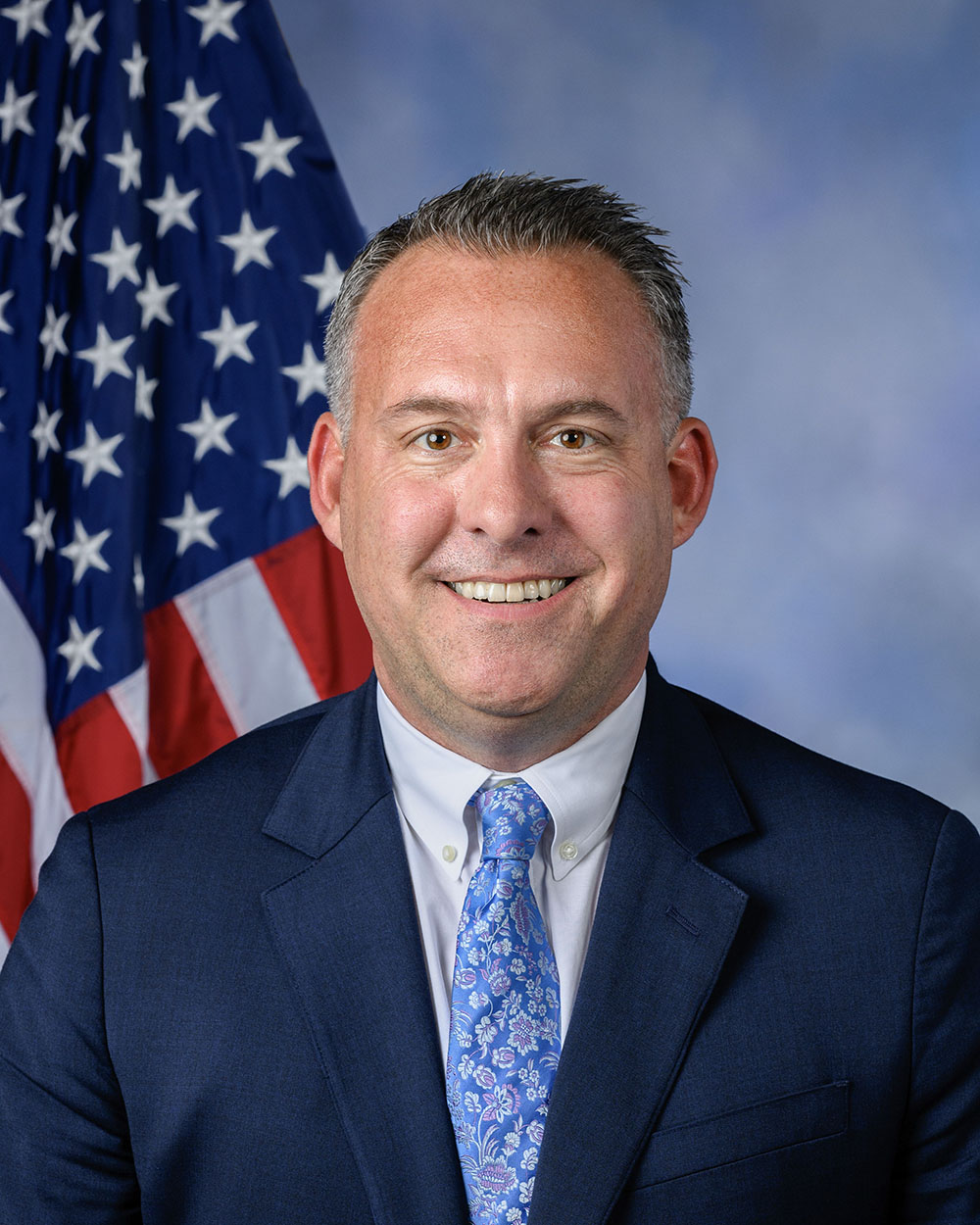
Aaron Bean
Aaron Bean House · District 4
R
Oppose
33% 3
Addison P. McDowell
Addison P. McDowell House · District 6
R
Oppose
33% 3
Andrew Ogles
Andrew Ogles House · District 5
R
Oppose
33% 3
Andrew S. Clyde
Andrew S. Clyde House · District 9
R
Oppose
33% 3
Andy Biggs
Andy Biggs House · District 5
R
Oppose
33% 3
Showing 21–30 of 275 bills

All education bills

in committee · United States · Senate Jun 24, 2026

S 4897: Credit for Prior Learning Act

The Credit for Prior Learning Act allows students to use federal financial aid to pay for assessments that evaluate their existing knowledge and skills for college credit. It specifically allocates up to $2,000 per year to cover reasonable costs like test fees for these evaluations, provided the assessments meet specific criteria regarding skills rather than just experience. The law also requires colleges to have clear, expert-reviewed standards for granting credit and mandates that institutions publicly report data on how many students receive this credit, broken down by race, income, and Pell Grant status. These changes are designed to make it easier for individuals to earn academic credit for what they already know while increasing transparency in higher education. The provisions will take effect on July 1, 2027.
in committee · United States · House Jul 6, 2026

HR 9596: Federal Jobs for STARs Act of 2026

The Federal Jobs for STARs Act of 2026 aims to increase hiring opportunities for individuals in the federal workforce who have gained skills through alternative routes like military service, apprenticeships, or community colleges rather than traditional four-year degrees. It requires the Office of Personnel Management to restrict agencies from mandating bachelor's degrees unless absolutely necessary and to create a specific section on federal job websites dedicated to these candidates. Additionally, the bill mandates a study to explore funding options, such as scholarships and tuition assistance, to help current federal employees with these backgrounds pursue further education.
in committee · United States · House Jun 25, 2026

HR 9488: Health Disparity Zones Act of 2026

The Health Disparity Zones Act of 2026 creates a program to designate specific geographic areas with high poverty, low life expectancy, and poor health outcomes as Health Disparity Zones. Once designated, these zones become eligible for a ten-year period of financial support, including a 10% increase in Medicare payments for services provided there, grants for community organizations, and tax credits for hiring local healthcare workers. The bill also establishes a student loan repayment program to encourage healthcare practitioners to work in these areas and requires the Department of Health and Human Services to report annually on the program's progress and effectiveness.
in committee · United States · Senate Jun 23, 2026

S 4859: Pell Grant Preservation and Expansion Act of 2026

The Pell Grant Preservation and Expansion Act of 2026 aims to increase financial aid for college students by doubling the maximum Federal Pell Grant award to $10,000 for the 2026-2027 school year, with amounts rising annually to reach $15,000 by 2031-2032. The bill also changes the funding structure so that Pell Grants become a mandatory program that automatically adjusts for inflation rather than relying on annual congressional appropriations. Additional provisions expand eligibility to include students with negative financial aid indexes, provide special rules for recipients of means-tested benefits, and allow Dreamer students who become citizens or permanent residents to qualify for aid. The legislation further restores the total number of semesters a student can receive Pell Grants from 12 to 18 and modifies how institutions determine satisfactory academic progress to reduce penalties for students struggling with course requirements.
in committee · United States · Senate Jun 23, 2026

S 4872: Keep Kids in School Act

The Keep Kids in School Act creates a federal grant program to help public schools reduce chronic absenteeism and improve safety for students. The Department of Education will provide funds to states, which will then distribute money to local school districts for specific interventions like hiring counselors, offering teacher stipends for home visits, and covering transportation costs. The bill defines chronic absenteeism as missing 10 percent or more of school days and prioritizes funding for states with the highest rates of absenteeism among vulnerable student populations. Additionally, the act requires the Comptroller General to conduct a study on effective methods for reducing absenteeism and improving student well-being, with findings reported to Congress and the Education Department.
in committee · United States · House Jun 25, 2026

HR 9469: Outcomes-Based Financing (OBF) for Students Act

This bill establishes a new category of student loans called Outcomes-Based Financing (OBF) products, which allow borrowers to repay their debt based on their future income rather than a fixed schedule. It directly affects students, lenders, and educational institutions by creating specific tax rules that treat OBF payments similarly to interest and educational assistance. The legislation mandates strict consumer protections, requiring lenders to disclose key terms like income thresholds and payment calculations, while also capping monthly payments at 20% of a borrower's income and setting a maximum loan duration of 360 months. Additionally, the bill preempts conflicting state laws regarding interest rates and payment structures to ensure uniformity for these new financial products.
in committee · United States · House Jun 24, 2026

HRES 1386: Providing for the consideration of the bill (H.R. 2003) to amend the Higher Education Act of 1965 to lower the interest rate on Federal student loans to 2 percent.

This resolution does not change any laws or affect students directly; instead, it sets up a special voting procedure to consider a separate bill, H.R. 2003. That underlying bill would amend the Higher Education Act to lower the interest rate on federal student loans to 2 percent. The resolution waives standard debate rules and points of order to allow H.R. 2003 to be voted on quickly with limited discussion time.
in committee · United States · House Jun 18, 2026

HR 9344: EDUCATE Act of 2026

The EDUCATE Act of 2026 directs the National Institute of Food and Agriculture to create a grant program for universities to research marijuana cultivation and processing, with a specific focus on soil health, sustainability, and economic opportunities for minority farmers. This legislation also establishes a scholarship program to support students pursuing careers in marijuana agriculture and requires that at least 25% of the research funding be reserved for Hispanic-serving institutions. To encourage participation, the bill includes protections ensuring that institutions and individuals conducting federally authorized marijuana research cannot face denial of benefits or federal prosecution solely for their work. The program is authorized for five years, with $5 million allocated annually for research grants and $100,000 annually for scholarships, and recipients must agree to comply with all applicable federal laws regarding marijuana.
in committee · United States · House Jun 11, 2026

HR 9300: Postsecondary Student Success Act of 2026

The Postsecondary Student Success Act of 2026 creates a competitive grant program to help colleges improve graduation rates for high-need students, including those from low-income backgrounds, first-generation families, and military-connected individuals. To receive funding between 2027 and 2032, eligible institutions must submit plans detailing how they will use evidence-based strategies, such as better advising, accelerated learning options, and improved transfer pathways, to support student retention and completion. The law requires that at least 20 percent of the available funds go to projects using the most rigorously tested methods and mandates that 2 percent be reserved specifically for Tribal Colleges and Universities. Additionally, the Department of Education must evaluate the effectiveness of these programs and report the results to Congress within 18 months of the bill's enactment.
in committee · United States · House Jun 23, 2026

HR 9414: Pell Grant Preservation and Expansion Act of 2026

The Pell Grant Preservation and Expansion Act of 2026 aims to increase financial aid for college students by raising the maximum Pell Grant amount to $15,000 by the 2031-2032 award year and ensuring the program is fully funded through mandatory spending rather than annual appropriations. The bill also expands eligibility for students who receive means-tested government benefits by automatically assigning them a lower financial need score, while simultaneously allowing Dreamer students - undocumented immigrants who meet specific criteria such as graduating high school or serving in the military - to qualify for federal aid. Additional provisions restore the total number of semesters a student can receive Pell Grants from 12 to 18 and adjust the rules for satisfactory academic progress to reduce penalties for students who struggle to meet grade requirements. Finally, the legislation restores Pell Grant eligibility for some students who previously received outside scholarships and sets the law's effective date for July 1, 2026.
Showing 21 to 30 of 275 bills
Previous 1 2 3 4 28 Next