Issue · Education

Education (Higher Education)

Every education bill, vote, and legislator stance in United States, automatically classified by Maddy, our AI policy reader.

Total bills
273
119th Congress
Top supporter
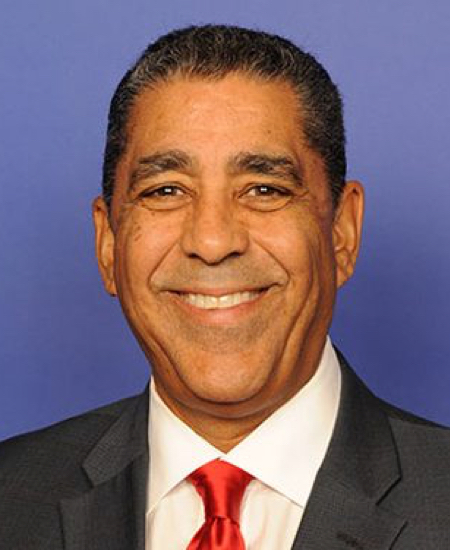
Adriano Espaillat
75% support rate
Top opponent
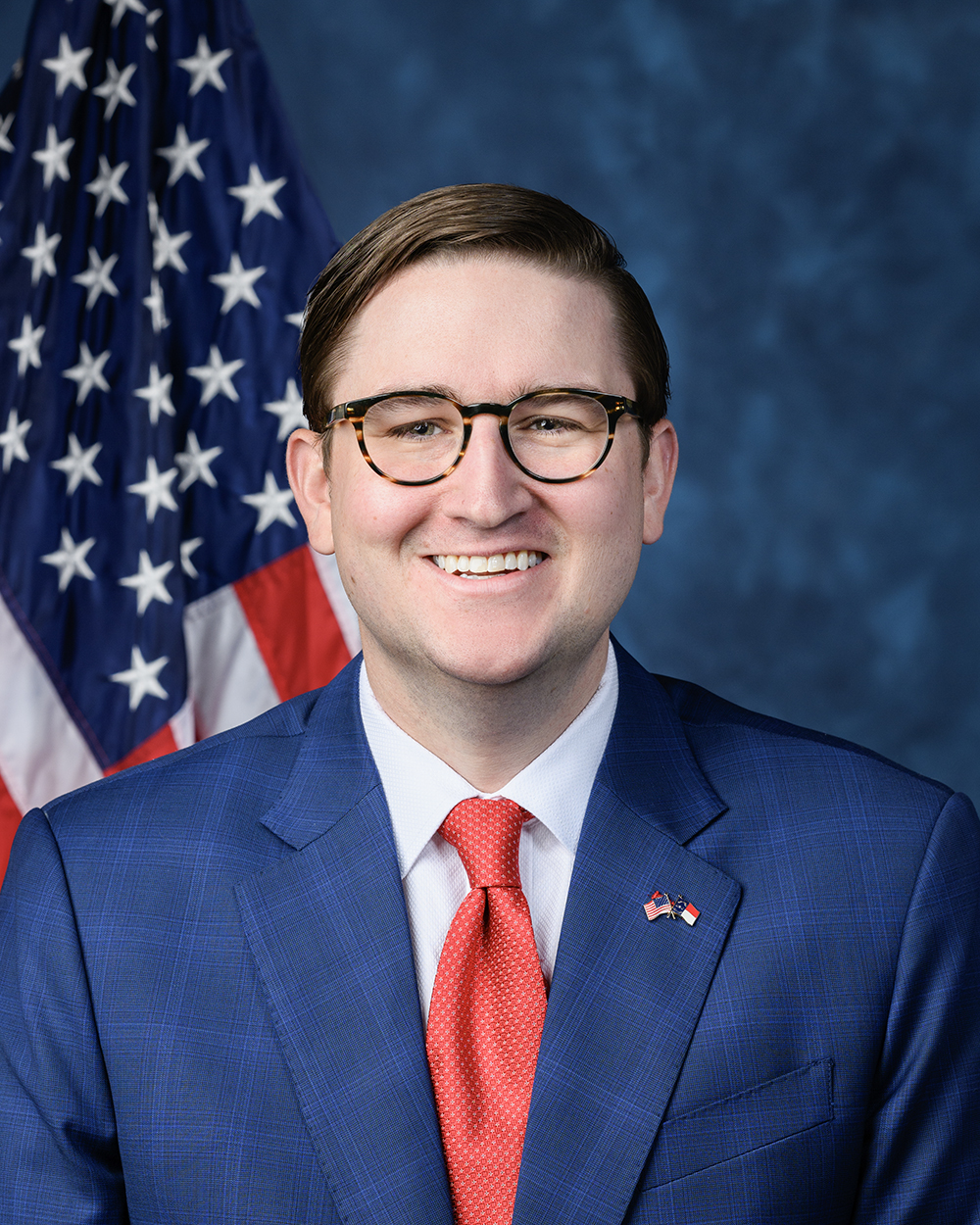
Aaron Bean
25% support rate
Ranked legislators
10
5 support · 5 oppose
Key legislators

Who's moving higher education in United States

Legislators moving higher education in United States
Legislator Party Stance Support rate Votes
Adriano Espaillat
Adriano Espaillat House · District 13
D
Support
75% 4
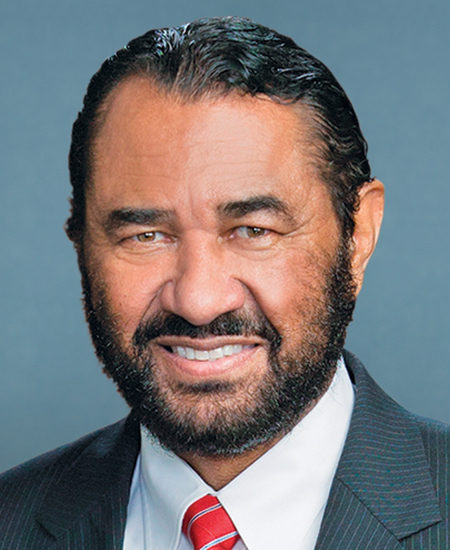
Al Green
Al Green House · District 9
D
Support
75% 4
Alexandria Ocasio-Cortez
Alexandria Ocasio-Cortez House · District 14
D
Support
75% 4
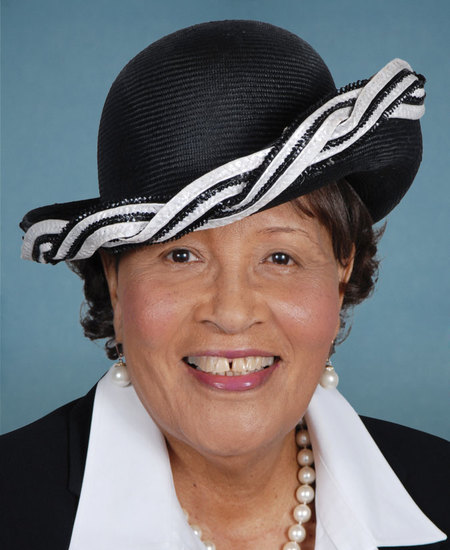
Alma S. Adams
Alma S. Adams House · District 12
D
Support
75% 4
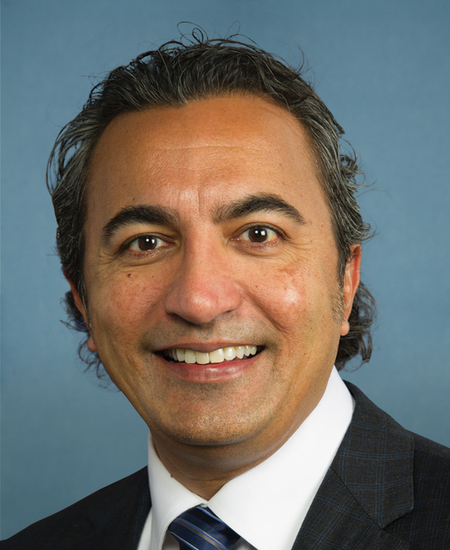
Ami Bera
Ami Bera House · District 6
D
Support
75% 4
Aaron Bean
Aaron Bean House · District 4
R
Oppose
25% 4
Addison P. McDowell
Addison P. McDowell House · District 6
R
Oppose
25% 4
Andrew Ogles
Andrew Ogles House · District 5
R
Oppose
25% 4
Andrew S. Clyde
Andrew S. Clyde House · District 9
R
Oppose
25% 4
Andy Biggs
Andy Biggs House · District 5
R
Oppose
25% 4
Showing 211–220 of 273 bills

All education bills

in committee · United States · House May 1, 2025

HR 3153: Understanding the True Cost of College Act of 2025

The Understanding the True Cost of College Act of 2025 requires colleges and universities to provide students with a standardized financial aid offer that clearly explains college costs, grants, scholarships, and loans in plain language. The form must display direct and indirect costs of attendance, net price after grants/scholarships, and detailed loan terms including repayment options and interest rates. It mandates institutions to disclose information about private loan alternatives, Federal education benefits for veterans, and provide links to repayment calculators. All institutions receiving federal financial aid must use this standardized form starting after the Secretary of Education finalizes the required format.
in committee · United States · House Jan 7, 2026

HR 6973: COURSE Credit Act

The COURSE Credit Act (HR 6973) requires colleges and universities to publicly disclose their policies on awarding college credit for Advanced Placement (AP) and International Baccalaureate (IB) exam scores. Specifically, institutions must publish on their websites detailed information about how many credits they grant, the minimum exam scores required (which may vary by subject or degree program), and whether credits count as full courses, electives, or exemptions. The Department of Education will also collect and annually report this data on the College Scorecard website for transparency. This bill directly affects students seeking credit for AP/IB exams and institutions of higher education by standardizing how credit policies are shared.
Sub-Topics Higher Education
in committee · United States · House May 21, 2025

HR 3534: Mental Health in Schools Excellence Program Act of 2025

HR 3534, the Mental Health in Schools Excellence Program Act of 2025, creates a federal program to increase the number of school-based mental health professionals. It provides federal matching funds - covering up to 50% of tuition and fees for eligible students - in partnership with graduate schools offering accredited programs in school counseling, psychology, or social work. Participating graduate institutions must match federal contributions, and priority is given to students who received Federal Pell Grants or attended specific institutions as undergraduates. The program directly affects graduate students training to become licensed school mental health providers, aiming to expand the workforce serving K-12 schools.
in committee · United States · Senate Jan 15, 2026

S 3661: PATH to Education Act

S 3661, the PATH to Education Act, creates new grants for public transit providers to partner with community colleges, Head Start programs, minority-serving institutions, career schools, and rural colleges to improve transportation access. Grants fund specific projects like adding bus stops/routes, increasing service frequency for student commutes, or covering operating costs for transit connecting to eligible institutions. The bill allocates $1 million in 2027 (rising to $5 million by 2031) for these grants, with priority given to partnerships involving schools where over 25% of students receive federal Pell Grants. This directly affects transit agencies, educational institutions serving low-income students, and Head Start participants needing reliable transportation.
in committee · United States · Senate Apr 10, 2025

S 1411: PROSPECT Act

The PROSPECT Act creates grants to improve childcare access for student parents attending community colleges and minority-serving institutions. It provides access grants for free, high-quality childcare for up to 500,000 children under age 3, requiring centers to offer non-traditional hours, disability accommodations, and culturally responsive care. Impact grants will expand childcare supply through training, mentorship, and funding for providers in underserved areas, while pipeline grants support early childhood educator preparation programs to grow the childcare workforce. The bill mandates that childcare centers prioritize low-income student parents, maintain staff wages comparable to elementary educators, and provide accessible care for children with disabilities. These grants aim to reduce barriers to college completion for student parents while strengthening the infant and toddler childcare workforce.
in committee · United States · Senate Mar 11, 2025

S 937: No Student Loans for Campus Criminals Act

No Student Loans for Campus Criminals Act This bill prohibits an individual who is convicted of any federal or state offense related to the individual's conduct at or during the course of a protest at an institution of higher education from receiving certain federal student loan benefits. Specifically, an individual who is convicted of such an offense shall not be eligible to have any covered loan forgiven, cancelled, waived, or modified under the Higher Education Act of 1965, under any executive order, or through any action taken by the Department of Education.  Covered loans refer to Federal Family Education Loans, Federal Direct Loans, Federal Perkins Loans, and loans under the Health Education Assistance Loan Program. Additionally, an individual who is convicted of such an offense shall not be eligible to receive Federal Direct Loans.
in committee · United States · House Feb 6, 2025

HR 1090: Truth in Tuition Act of 2025

HR 1090, the Truth in Tuition Act of 2025, requires colleges and universities receiving federal financial aid to provide clearer tuition cost information to students. Specifically, institutions must offer either a multi-year tuition and fee schedule or a single-year schedule plus a nonbinding estimate of total costs after financial aid for the full program duration, showing year-by-year costs. The bill mandates that estimates include historical accuracy data on past projections versus actual costs. This applies directly to students enrolling in undergraduate or graduate programs at participating institutions, aiming to improve cost transparency for financial planning.
in committee · United States · Senate May 5, 2025

S 1590: Aviation Workforce Development Act

This bill expands the use of 529 college savings plans to cover tuition and related costs for specific aviation training. It allows students to use 529 funds for qualified aviation maintenance courses at FAA-approved Part 147 schools and qualified commercial pilot courses at FAA-approved flight schools (Part 61 or Part 141). The change directly affects students pursuing careers as aircraft maintenance technicians or commercial pilots by making these training costs eligible for tax-advantaged savings. The provision amends the Internal Revenue Code to include these specific aviation programs under existing 529 plan rules, effective after the bill's enactment.
in committee · United States · Senate May 8, 2025

S 1683: PELL Act of 2025

This bill creates "Workforce Pell Grants" to support students in short-term, job-focused training programs instead of traditional degree programs. It directly affects students enrolled in state-approved programs lasting 8-15 weeks (150-600 hours) that lead to portable credentials in high-demand fields, not graduate degrees or programs exceeding 600 hours. Key provisions require programs to meet state-determined job placement (70%+ within 180 days), earnings standards (median earnings exceeding 150% of poverty line), and academic credit transferability. The program starts July 1, 2026, replacing standard Pell Grants for eligible short-term training while preventing double-benefits with other aid.
in committee · United States · Senate Aug 4, 2026

S 2511: College Transparency Act

The College Transparency Act establishes a federal data system to collect and analyze student-level information about college enrollment, costs, completion rates, and post-graduation outcomes. The National Center for Education Statistics must develop this system within 4 years, collecting data on student demographics, program of study, financial aid, and earnings while prohibiting sensitive information like health data or citizenship status. The system will provide public, aggregated data through an online tool that allows students and families to compare institutions and make informed education decisions. The bill repeals a previous prohibition on such a data system and amends requirements for colleges to submit data, aiming to reduce reporting burdens while improving transparency. It includes privacy protections, an advisory committee with diverse representation, and prohibits using the data for federal rankings or to limit student services.
Sub-Topics Higher Education Student Financial Aid Tags Data Reporting Government Transparency
Showing 211 to 220 of 273 bills
Previous 1 21 22 23 28 Next