Issue · Education

Education (Student Financial Aid)

Every education bill, vote, and legislator stance in United States, automatically classified by Maddy, our AI policy reader.

Total bills
275
119th Congress
Top supporter
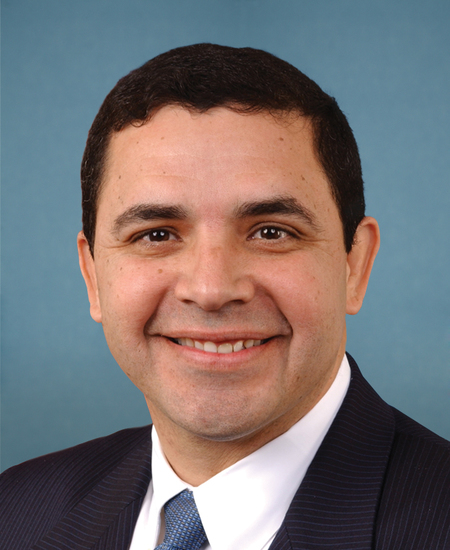
Henry Cuellar
100% support rate
Top opponent
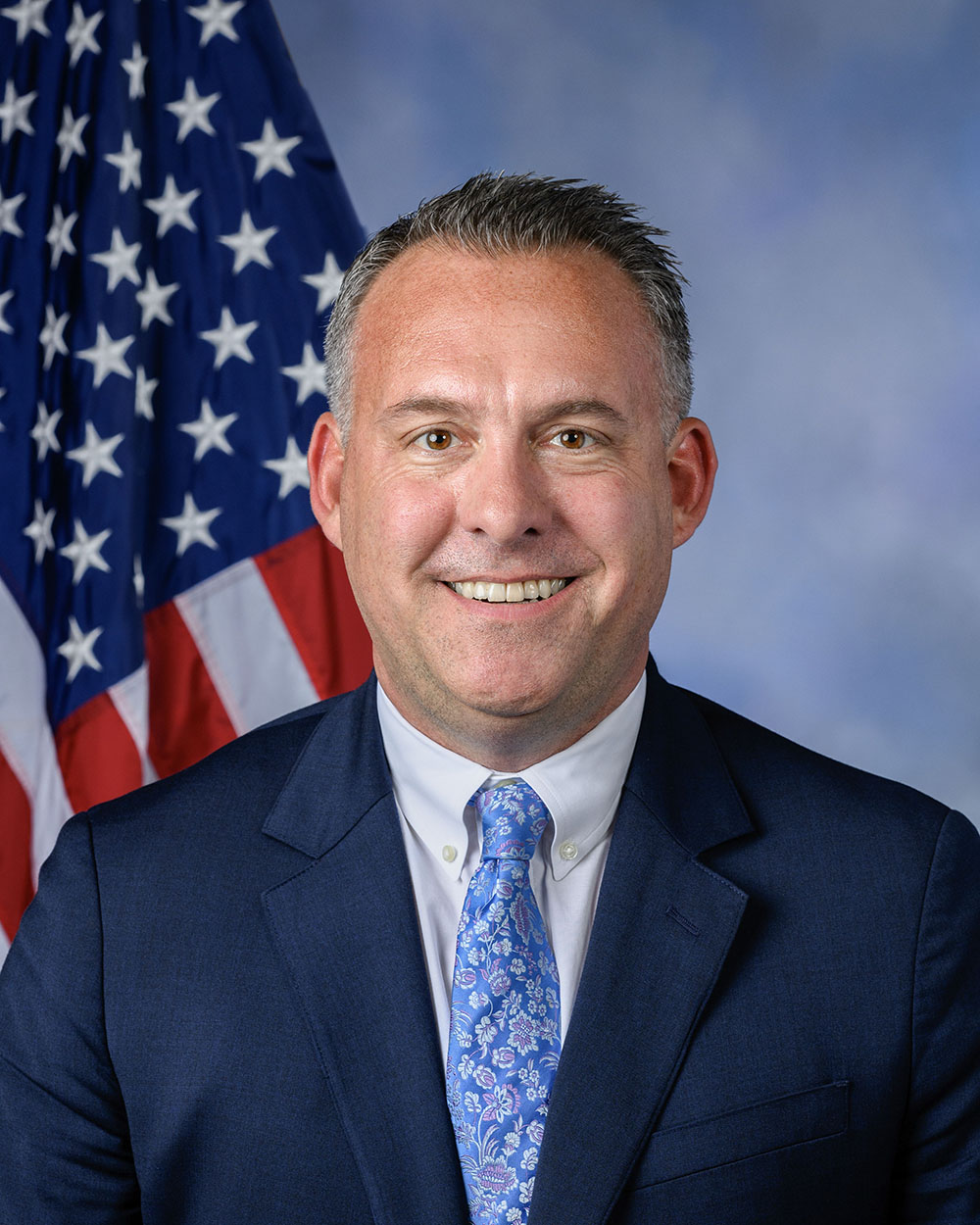
Aaron Bean
33% support rate
Ranked legislators
10
5 support · 5 oppose
Key legislators

Who's moving student financial aid in United States

Legislators moving student financial aid in United States
Legislator Party Stance Support rate Votes
Henry Cuellar
Henry Cuellar House · District 28
D
Strong +
100% 3
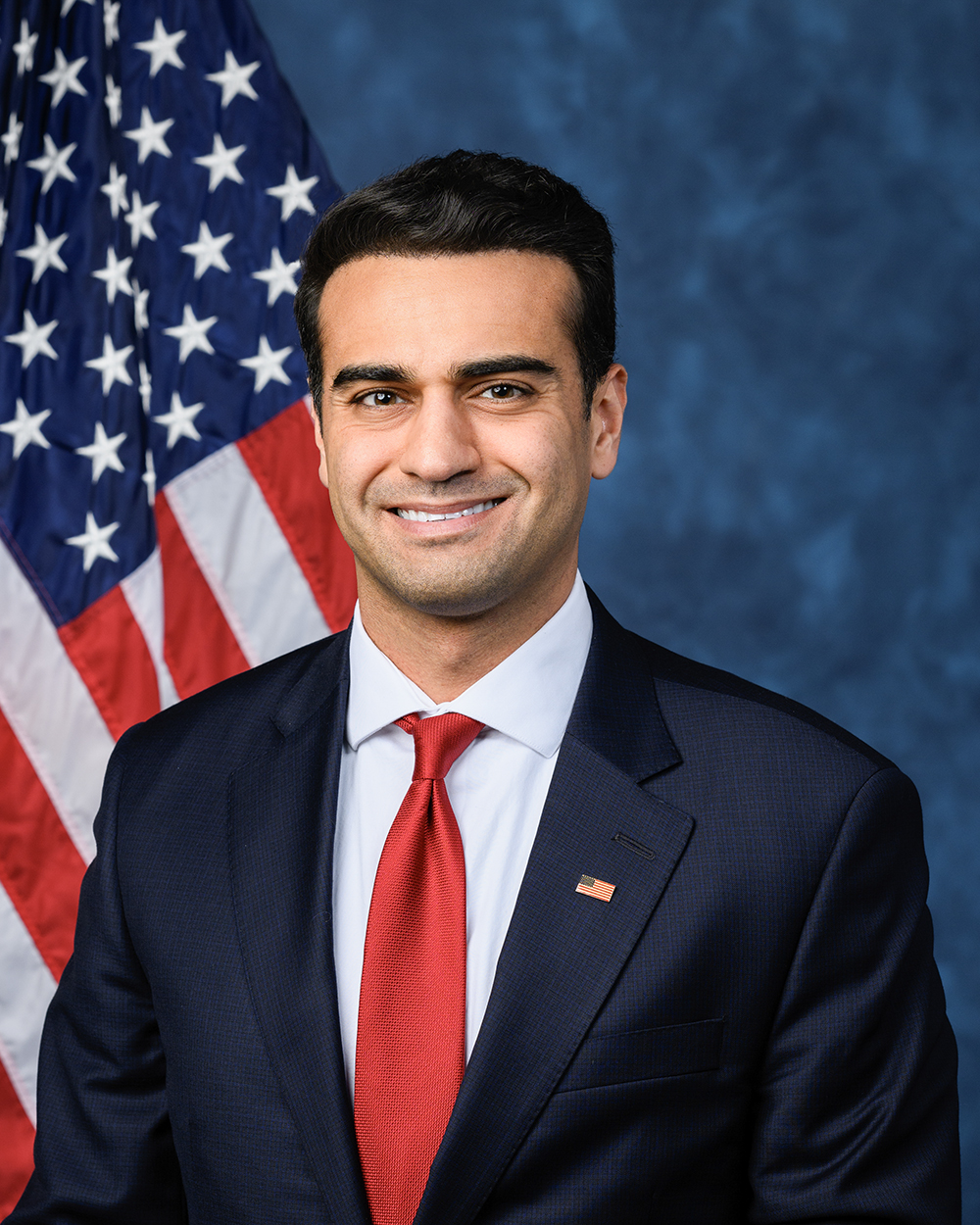
Abraham J. Hamadeh
Abraham J. Hamadeh House · District 8
R
Support
67% 3
Adam Gray
Adam Gray House · District 13
D
Support
67% 3
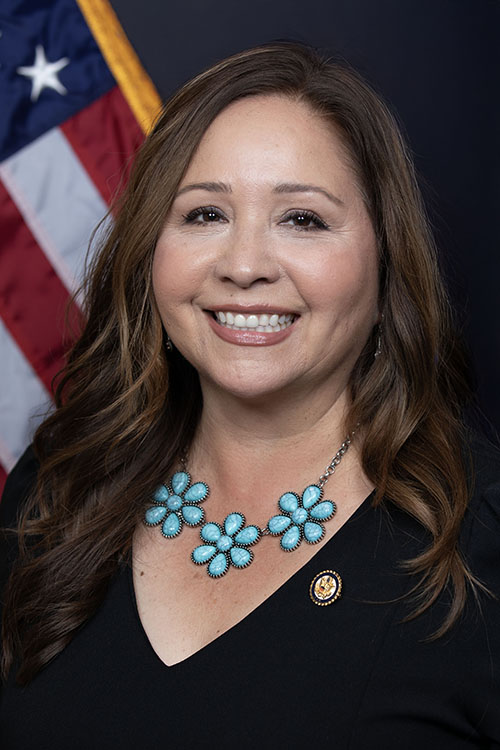
Adelita S. Grijalva
Adelita S. Grijalva House · District 7
D
Support
67% 3
Adrian Smith
Adrian Smith House · District 3
R
Support
67% 3
Aaron Bean
Aaron Bean House · District 4
R
Oppose
33% 3
Addison P. McDowell
Addison P. McDowell House · District 6
R
Oppose
33% 3
Andrew Ogles
Andrew Ogles House · District 5
R
Oppose
33% 3
Andrew S. Clyde
Andrew S. Clyde House · District 9
R
Oppose
33% 3
Andy Biggs
Andy Biggs House · District 5
R
Oppose
33% 3
Showing 201–210 of 275 bills

All education bills

in committee · United States · House Dec 18, 2025

HR 6886: Reverse Transfer Efficiency Act of 2025

HR 6886, the Reverse Transfer Efficiency Act of 2025, simplifies the process for college students who transfer between institutions to earn a recognized postsecondary credential (like an associate degree) using previously earned credits. It amends federal education law to allow students to send their course records to a prior college for credential completion, provided they give written consent. The key change adds a new provision (M) to the law, removing barriers that previously prevented institutions from sharing these records without explicit student permission. This directly affects transfer students, particularly those moving from community colleges to four-year schools, by making it easier to complete lower-level credentials they started earlier. The bill focuses on administrative efficiency, not funding or program changes.
in committee · United States · Senate Dec 4, 2025

S 3359: Fast Track To and Through College Act

This bill creates two pathways to help high school students earn college credit while in high school and graduate early. The "early college fast track pathway" allows students to take college-level courses (like AP, IB, or dual enrollment) that count toward a degree, while the "early high school graduation pathway" lets students graduate in 3 years without needing remedial college courses and provides a scholarship for college. States would receive federal grants to implement these pathways, requiring them to align high school curriculum with college requirements, create statewide credit transfer agreements, and ensure credit transfer between institutions. The bill also changes Pell Grant rules to allow eligible high school students in these pathways to receive Pell Grants without counting toward the usual 12-semester limit. It requires states to track participation and outcomes, particularly for historically underrepresented students.
in committee · United States · Senate Mar 11, 2026

S 3747: Home School Graduation Recognition Act

This bill amends the Higher Education Act to recognize home-schooled students as high school graduates for federal student aid eligibility. It changes the definition in Section 484(d) to state that a student completing secondary education in a home school setting treated as a home or private school under state law is considered a high school graduate. This directly affects home-schooled students seeking federal financial aid for college. The key provision is a new definition that removes prior barriers to eligibility based on educational setting, aligning federal recognition with state-level home school classifications.
in committee · United States · House May 1, 2025

HR 3153: Understanding the True Cost of College Act of 2025

The Understanding the True Cost of College Act of 2025 requires colleges and universities to provide students with a standardized financial aid offer that clearly explains college costs, grants, scholarships, and loans in plain language. The form must display direct and indirect costs of attendance, net price after grants/scholarships, and detailed loan terms including repayment options and interest rates. It mandates institutions to disclose information about private loan alternatives, Federal education benefits for veterans, and provide links to repayment calculators. All institutions receiving federal financial aid must use this standardized form starting after the Secretary of Education finalizes the required format.
in committee · United States · Senate Jan 15, 2026

S 3661: PATH to Education Act

S 3661, the PATH to Education Act, creates new grants for public transit providers to partner with community colleges, Head Start programs, minority-serving institutions, career schools, and rural colleges to improve transportation access. Grants fund specific projects like adding bus stops/routes, increasing service frequency for student commutes, or covering operating costs for transit connecting to eligible institutions. The bill allocates $1 million in 2027 (rising to $5 million by 2031) for these grants, with priority given to partnerships involving schools where over 25% of students receive federal Pell Grants. This directly affects transit agencies, educational institutions serving low-income students, and Head Start participants needing reliable transportation.
in committee · United States · Senate Mar 11, 2025

S 937: No Student Loans for Campus Criminals Act

No Student Loans for Campus Criminals Act This bill prohibits an individual who is convicted of any federal or state offense related to the individual's conduct at or during the course of a protest at an institution of higher education from receiving certain federal student loan benefits. Specifically, an individual who is convicted of such an offense shall not be eligible to have any covered loan forgiven, cancelled, waived, or modified under the Higher Education Act of 1965, under any executive order, or through any action taken by the Department of Education.  Covered loans refer to Federal Family Education Loans, Federal Direct Loans, Federal Perkins Loans, and loans under the Health Education Assistance Loan Program. Additionally, an individual who is convicted of such an offense shall not be eligible to receive Federal Direct Loans.
in committee · United States · Senate May 1, 2025

S 1559: Know Before You Owe Federal Student Loan Act of 2025

This bill requires colleges to provide prospective federal student loan borrowers with detailed financial counseling before disbursement, including estimates of monthly payments relative to income, total projected debt (including private loans and future costs), and warnings about high debt-to-income ratios. It mandates that students manually confirm their desired loan amount before certification, emphasizing borrowing only what's necessary. During periods when repayment isn't required (e.g., while enrolled or in deferment), lenders must send quarterly statements showing loan balances, interest rates, accumulated interest, and explanations about how unpaid interest capitalizes upon repayment. These provisions directly affect all federal student loan borrowers by increasing transparency about loan terms and long-term financial impact before and during repayment.
in committee · United States · House Feb 6, 2025

HR 1090: Truth in Tuition Act of 2025

HR 1090, the Truth in Tuition Act of 2025, requires colleges and universities receiving federal financial aid to provide clearer tuition cost information to students. Specifically, institutions must offer either a multi-year tuition and fee schedule or a single-year schedule plus a nonbinding estimate of total costs after financial aid for the full program duration, showing year-by-year costs. The bill mandates that estimates include historical accuracy data on past projections versus actual costs. This applies directly to students enrolling in undergraduate or graduate programs at participating institutions, aiming to improve cost transparency for financial planning.
in committee · United States · Senate May 8, 2025

S 1683: PELL Act of 2025

This bill creates "Workforce Pell Grants" to support students in short-term, job-focused training programs instead of traditional degree programs. It directly affects students enrolled in state-approved programs lasting 8-15 weeks (150-600 hours) that lead to portable credentials in high-demand fields, not graduate degrees or programs exceeding 600 hours. Key provisions require programs to meet state-determined job placement (70%+ within 180 days), earnings standards (median earnings exceeding 150% of poverty line), and academic credit transferability. The program starts July 1, 2026, replacing standard Pell Grants for eligible short-term training while preventing double-benefits with other aid.
in committee · United States · House Nov 19, 2025

HR 6134: STUDENT Act

HR 6134, the STUDENT Act, amends the Higher Education Act to require student loan lenders to provide clearer interest disclosures. It mandates that borrowers receive the total amount of interest they will pay over the life of their loan, calculated using the standard repayment plan based on their total outstanding principal. This change directly affects student loan borrowers by making long-term loan costs more transparent upfront. The key mechanism is adding this lifetime interest figure to existing disclosure forms required under Section 433(a).
Showing 201 to 210 of 275 bills
Previous 1 20 21 22 28 Next