Issue · Education

Education (Student Financial Aid)

Every education bill, vote, and legislator stance in United States, automatically classified by Maddy, our AI policy reader.

Total bills
258
119th Congress
Top supporter
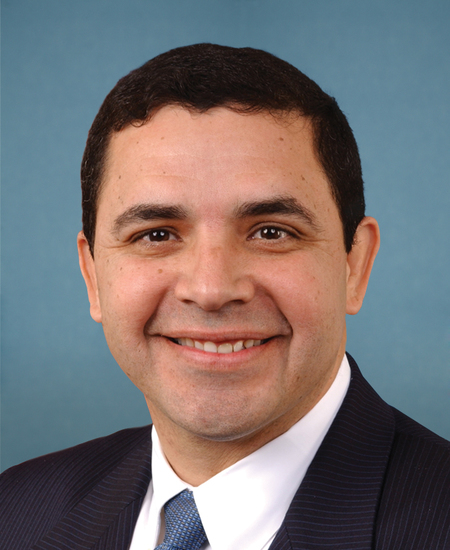
Henry Cuellar
100% support rate
Top opponent
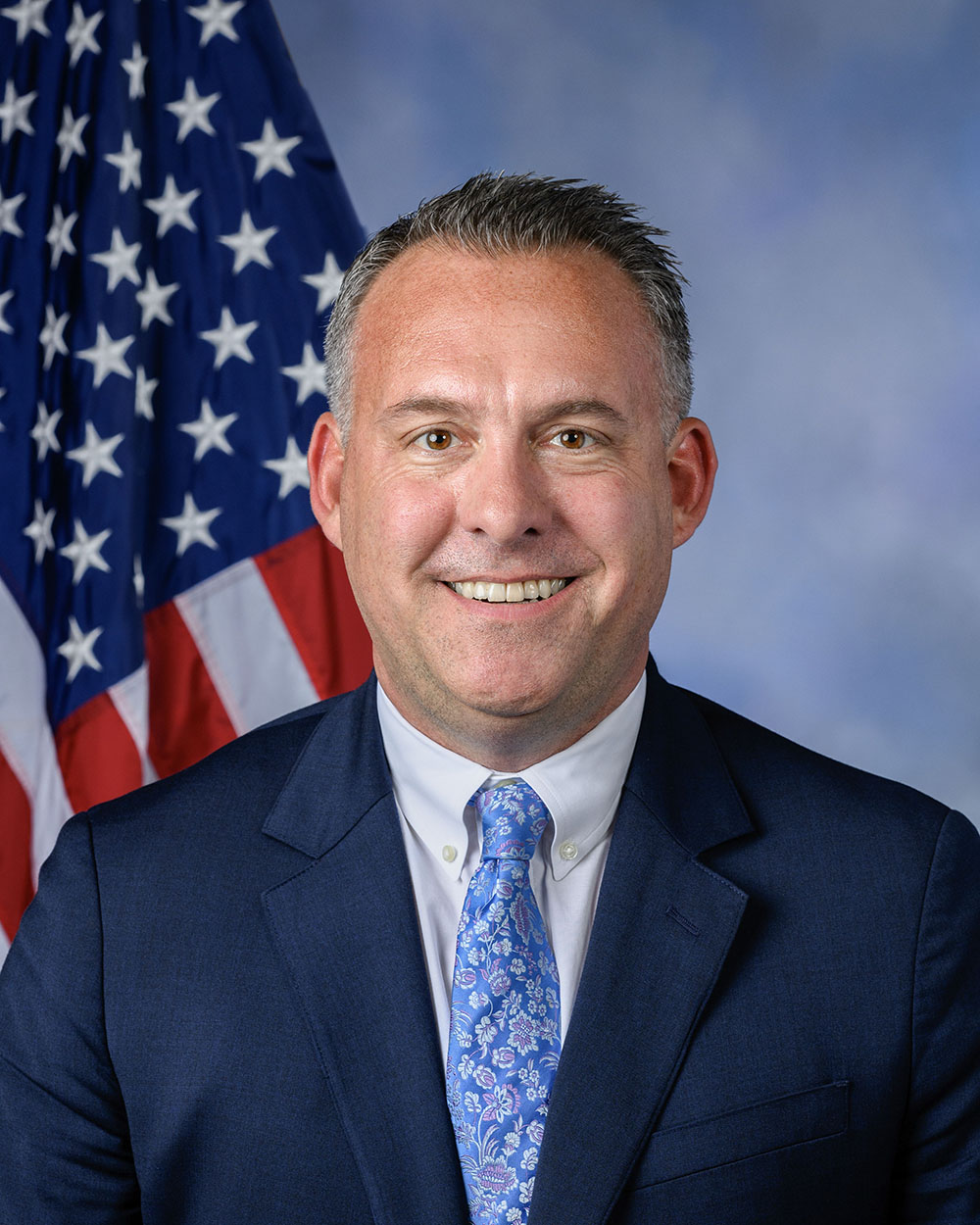
Aaron Bean
33% support rate
Ranked legislators
10
5 support · 5 oppose
Key legislators

Who's moving student financial aid in United States

Legislators moving student financial aid in United States
Legislator Party Stance Support rate Decisive votes
Henry Cuellar
Henry Cuellar House · District 28
D
Strong +
100% 3
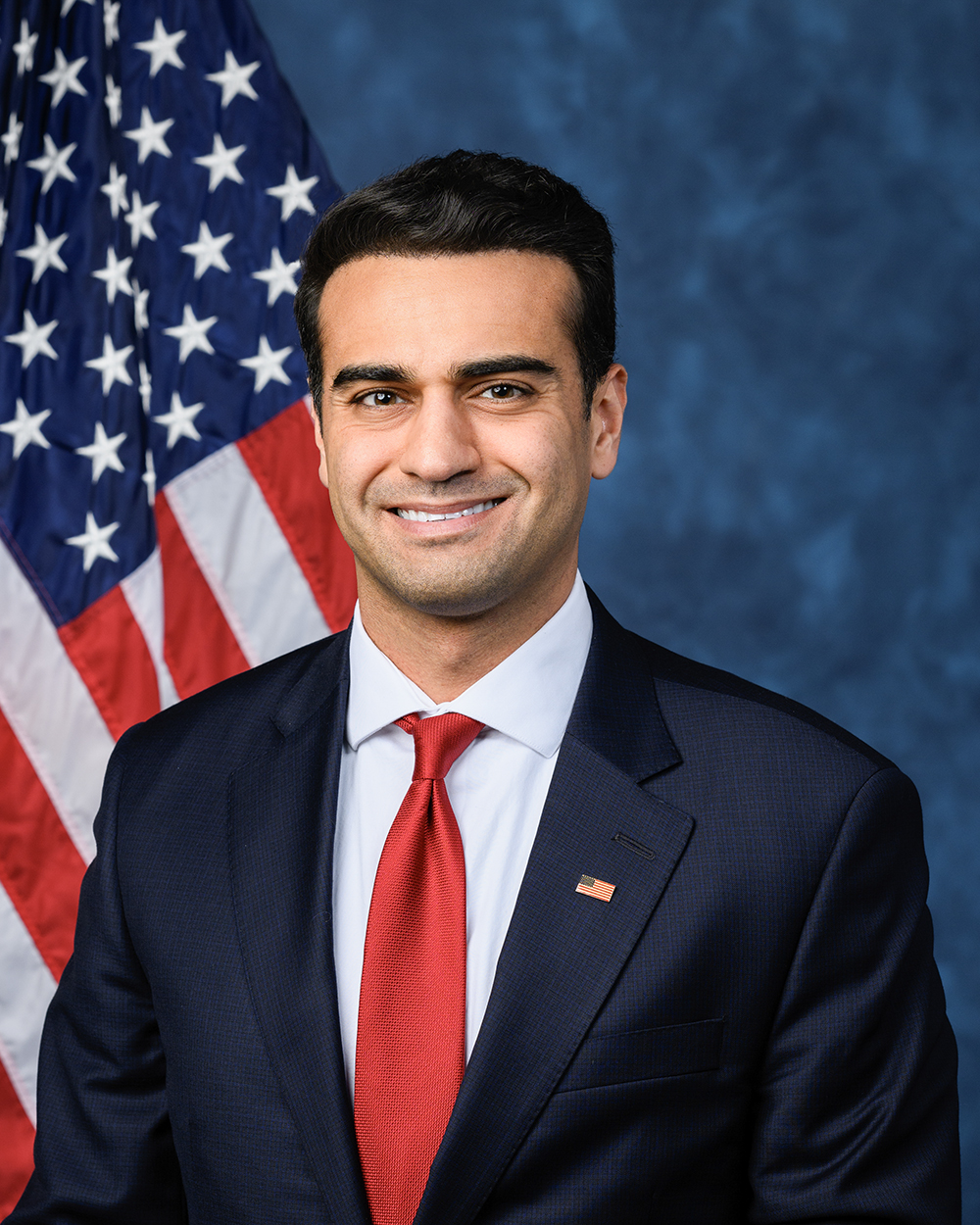
Abraham J. Hamadeh
Abraham J. Hamadeh House · District 8
R
Support
67% 3
Adam Gray
Adam Gray House · District 13
D
Support
67% 3
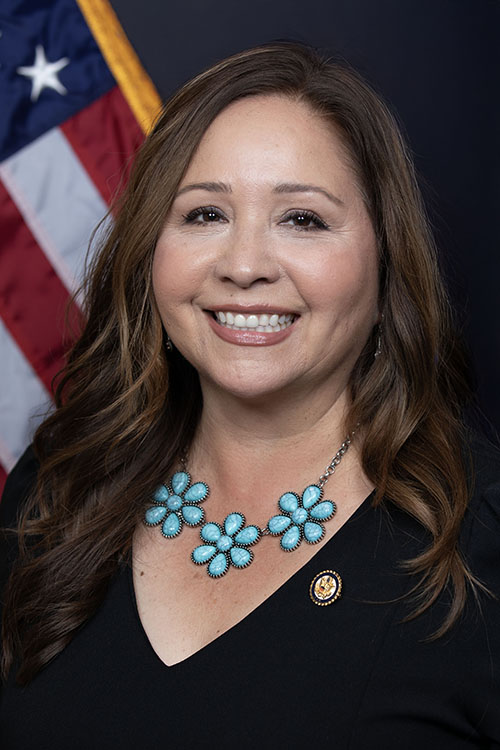
Adelita S. Grijalva
Adelita S. Grijalva House · District 7
D
Support
67% 3
Adrian Smith
Adrian Smith House · District 3
R
Support
67% 3
Aaron Bean
Aaron Bean House · District 4
R
Oppose
33% 3
Addison P. McDowell
Addison P. McDowell House · District 6
R
Oppose
33% 3
Andrew Ogles
Andrew Ogles House · District 5
R
Oppose
33% 3
Andrew S. Clyde
Andrew S. Clyde House · District 9
R
Oppose
33% 3
Andy Biggs
Andy Biggs House · District 5
R
Oppose
33% 3
Showing 181–190 of 258 bills

All education bills

in committee · United States · House Jan 15, 2026

HR 7117: Fast Track To and Through College Act

HR 7117, the Fast Track To and Through College Act, creates two pathways to accelerate college completion: "early college fast track pathways" that allow high school students to earn college credit through advanced coursework (like AP, IB, or dual enrollment), and "early high school graduation fast track pathways" that provide scholarships for students who graduate early without needing remedial college courses. The bill requires states to develop statewide policies and credit transfer agreements to align high school and college requirements, with competitive grants to help states implement these pathways. It also allows eligible high school students in these pathways to receive Federal Pell Grants while still in high school, with a waiver of the usual 12-semester Pell Grant cap. The bill aims to reduce college costs, improve credit transfer, and increase college completion rates, particularly for first-generation college students and other historically underrepresented groups.
in committee · United States · Senate May 1, 2025

S 1558: Understanding the True Cost of College Act of 2025

This bill would require colleges and universities receiving federal financial aid to provide standardized financial aid offers using a new Department of Education-developed form. The form must clearly present costs of attendance (both direct and indirect), grants and scholarships (with disclosure they don't need repayment), net price, and loan terms including interest rates and repayment options. It would require institutions to disclose key information like the impact of private loans versus federal loans, default rates, and work-study opportunities in plain language. The bill affects all institutions of higher education that receive federal financial assistance, with the form to be developed through consumer testing with students and stakeholders.
in committee · United States · Senate Sep 11, 2025

S 2785: A Chance To Serve Act

This bill, the "A Chance To Serve Act," provides expanded benefits for Peace Corps and AmeriCorps volunteers. It extends job eligibility for 3 years after service, increases readjustment allowances from $125 to $425, and provides one year of health care coverage after service. The bill also suspends student loan payments and interest during service, doubles the Segal AmeriCorps Education Award, and ensures no discrimination based on immigration status. Additionally, it increases living allowances to 200% of the poverty line and expands student loan forgiveness for national service. These changes directly benefit current and former Peace Corps and AmeriCorps volunteers.
in committee · United States · House Oct 28, 2025

HR 5850: GRAD Act

The GRAD Act (HR 5850) prevents colleges from changing or ending a student's enrollment status if federal financial aid under Title IV is delayed due to a government shutdown. It directly affects students receiving federal aid and the institutions that award it. The bill amends the Higher Education Act to require schools to maintain enrollment status during disruptions caused by lapses in government funding. This ensures students aren’t penalized for aid delays beyond their control during shutdowns.
in committee · United States · Senate May 22, 2025

S 1895: Mental Health Excellence in Schools Act

S 1895, the Mental Health Excellence in Schools Act, creates a federal program to expand school-based mental health services by subsidizing graduate education costs for future school psychologists, counselors, and social workers. It authorizes $20-50 million annually (2026-2030) to cover up to 50% of tuition for students in accredited school-based mental health programs, requiring participating universities to match these funds. The program prioritizes students who received Federal Pell Grants or attended designated institutions under the Higher Education Act. Participating schools must report annually on student demographics, program coverage, and outcomes, with independent evaluations required after four years to assess effectiveness.
in committee · United States · House Feb 7, 2025

HR 1131: Family Farm and Small Business Exemption Act

HR 1131 exempts certain family farms and small businesses from being counted as assets when calculating financial need for federal student aid under the Higher Education Act. Specifically, it amends the law to exclude the net value of a family farm where the family resides and small businesses (with ≤100 employees) owned by the family from need analysis calculations. This change directly affects students from qualifying family farm or small business households when applying for federal financial aid. The exemption applies to need analysis conducted for award years beginning after the bill's enactment date. The bill modifies Section 480(f)(2) of the Higher Education Act of 1965 to implement this policy change.
in committee · United States · Senate Apr 1, 2025

S 1225: Freedom of Association in Higher Education Act of 2025

This bill protects students in single-sex social organizations (like fraternities or sororities) at colleges receiving federal funds. It prohibits institutions from punishing students or these groups solely because they limit membership to one sex - such as denying financial aid, housing, or leadership roles, or forcing students to renounce membership rights. The law clarifies that colleges may still enforce rules for academic misconduct or safety risks unrelated to membership policies and are not required to recognize such organizations. It specifically aims to prevent retaliation while respecting existing Title IX protections and institutional authority.
in committee · United States · Senate Apr 1, 2025

S 1220: Savings Opportunity and Affordable Repayment Act

The Savings Opportunity and Affordable Repayment Act creates a new income-driven repayment plan for federal student loan borrowers, replacing the current Pay As You Earn and Income Contingent Repayment plans. Under this plan, monthly payments are calculated as 5% of income above 250% of the federal poverty line (with a minimum $0 or $10 payment), and 50% of each payment reduces principal while interest accrues only on unpaid balances. Borrowers qualify for full loan forgiveness after 120 payments (10 years) for undergraduate-only loans or 180 payments (15 years) for other eligible loans. The plan applies to borrowers with eligible federal loans and takes effect 180 days after enactment.
in committee · United States · House Nov 21, 2025

HR 6282: Providing Distance Education for Foreign Institutions Act

This bill modifies the Higher Education Act to allow foreign institutions of higher education to offer distance learning courses that qualify for federal student aid. It sets three key requirements: distance education must not exceed 12.5% of a program, the institution must be evaluated by an outside accreditor, and students must physically attend instruction in the foreign country. The changes apply to foreign institutions seeking to provide hybrid programs where students receive aid under the Higher Education Act. The rules take effect after enactment, with a 3-month implementation period for the first qualifying semester.
in committee · United States · House Mar 11, 2025

HR 2057: Students Bill of Rights Act of 2025

The Students Bill of Rights Act of 2025 requires public colleges and universities receiving federal student aid funds to adopt clear, neutral policies protecting student organizations. It prohibits denying recognition based on lack of faculty advisors or national affiliations, mandates transparent standards for distributing student activity fees and setting security fees (without considering speech content), and requires accessible appeal processes for denied recognition or funding. Students harmed by violations can sue for damages, and institutions failing to comply risk losing federal funding after court rulings. The bill also demands public reporting of violations and compliance efforts to the Department of Education.
Showing 181 to 190 of 258 bills
Previous 1 … 18 19 20 … 26 Next