Issue · Education

Education (Student Financial Aid)

Every education bill, vote, and legislator stance in United States, automatically classified by Maddy, our AI policy reader.

Total bills
258
119th Congress
Top supporter
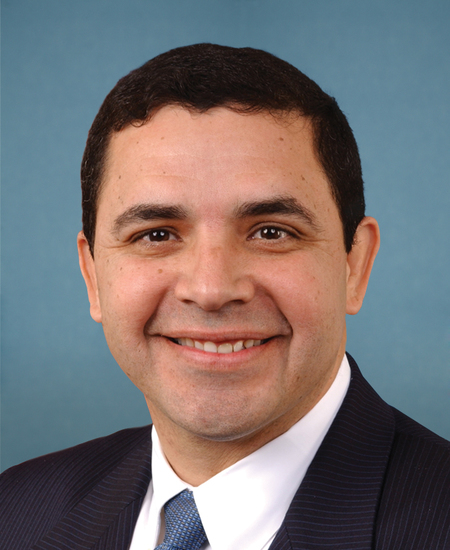
Henry Cuellar
100% support rate
Top opponent
Aaron Bean
33% support rate
Ranked legislators
10
5 support · 5 oppose
Key legislators

Who's moving student financial aid in United States

Legislators moving student financial aid in United States
Legislator Party Stance Support rate Decisive votes
Henry Cuellar
Henry Cuellar House · District 28
D
Strong +
100% 3
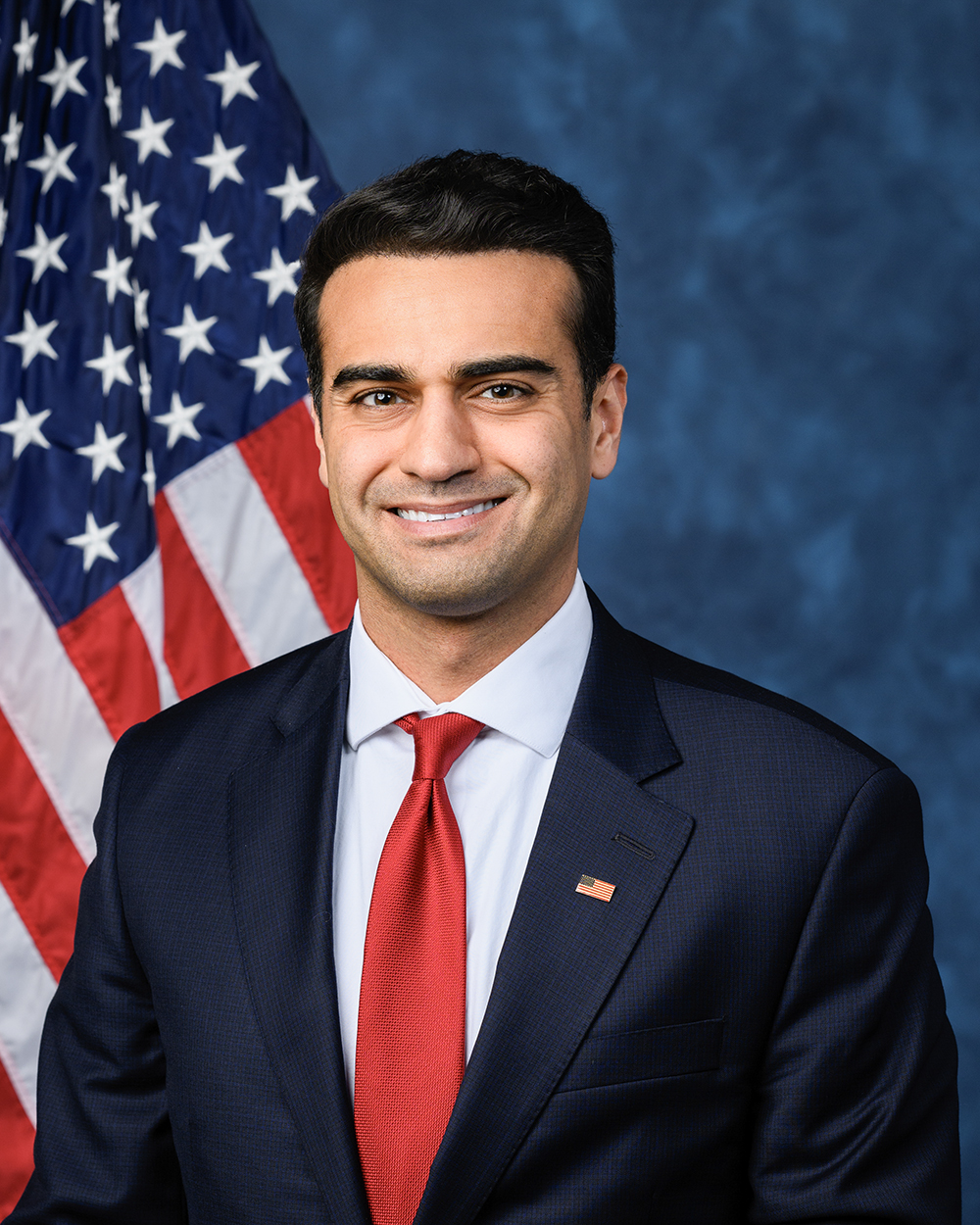
Abraham J. Hamadeh
Abraham J. Hamadeh House · District 8
R
Support
67% 3
Adam Gray
Adam Gray House · District 13
D
Support
67% 3
Adelita S. Grijalva
Adelita S. Grijalva House · District 7
D
Support
67% 3
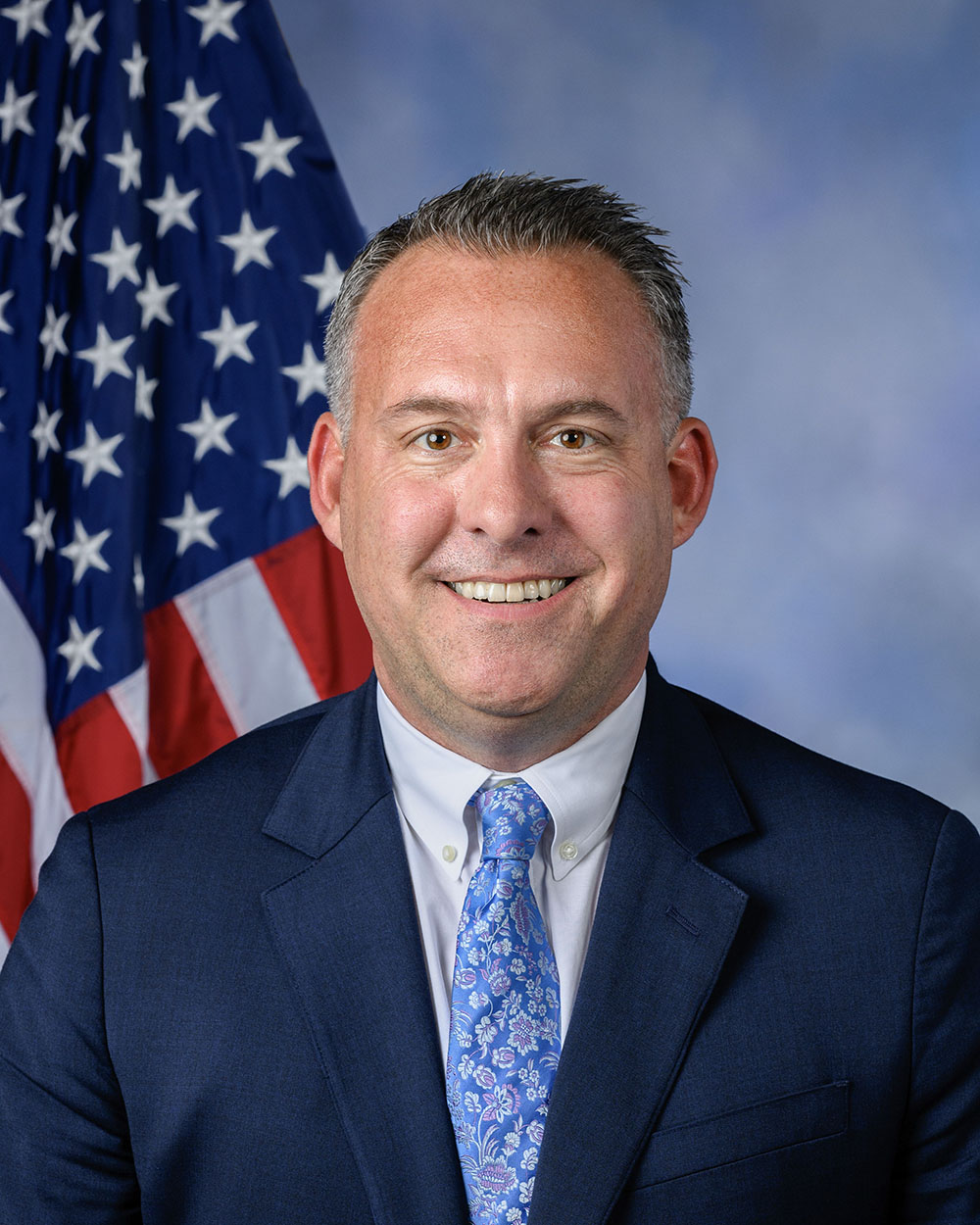
Adrian Smith
Adrian Smith House · District 3
R
Support
67% 3
Aaron Bean
Aaron Bean House · District 4
R
Oppose
33% 3
Addison P. McDowell
Addison P. McDowell House · District 6
R
Oppose
33% 3
Andrew Ogles
Andrew Ogles House · District 5
R
Oppose
33% 3
Andrew S. Clyde
Andrew S. Clyde House · District 9
R
Oppose
33% 3
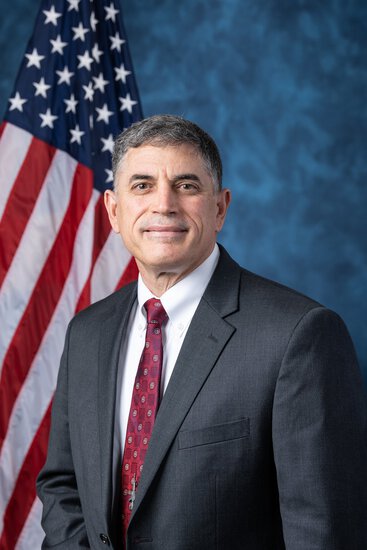
Andy Biggs
Andy Biggs House · District 5
R
Oppose
33% 3
Showing 171–180 of 258 bills

All education bills

in committee · United States · Senate Jul 29, 2025

S 2512: EATS Act of 2025

The EATS Act of 2025 (S 2512) expands eligibility for the Supplemental Nutrition Assistance Program (SNAP) to include most college students. It directly affects full-time undergraduate students enrolled at least half-time in recognized higher education institutions by removing their current exclusion from SNAP benefits. The bill revises the definition of "household" under SNAP rules and eliminates the prior requirement that students meet separate conditions to qualify. This change, effective January 2026, would allow millions of students to access food assistance without additional barriers.
in committee · United States · Senate May 6, 2025

S 1610: Tax-Free Pell Grant Act

This bill makes Federal Pell Grants tax-free for students. It amends the tax code to exclude Pell Grants used for tuition and related expenses from taxable income, directly affecting undergraduate and graduate students receiving these grants. The key provision ensures Pell Grants are treated like other scholarships for tax purposes, preventing them from being counted as income. The change applies to tax returns filed for 2026 and later.
in committee · United States · Senate Mar 19, 2026

S 880: Fair College Admissions for Students Act

S 880, the Fair College Admissions for Students Act, bans colleges receiving federal student aid from giving preferential treatment to applicants based on family connections to donors or alumni. This amendment to the Higher Education Act of 1965 directly affects all institutions participating in federal financial aid programs. The key provision prohibits schools from considering an applicant’s relationship to donors (like major contributors) or alumni (like family members who graduated) during admissions decisions. The ban takes effect starting with the second academic year after the bill becomes law.
in committee · United States · Senate Sep 30, 2025

S 2954: Health Care Workforce Expansion Act of 2025

This bill establishes MED Grants for medical students who commit to 10 years of primary care practice, DENTAL Grants for dental students who commit to 10 years of rural practice, and NURSE Grants for nursing students. It authorizes $2.8 billion for medical school enrollment expansion (50% increase by year 2), $1.98 billion for nursing schools (30% increase by year 2), and $615 million for dental schools (20% increase by year 2) over fiscal years 2026-2035. The bill also allocates 5,022 additional Medicare residency positions annually (with 15% for psychiatry and 30% for primary care) and increases teaching health center funding with annual increases starting at $892.5 million in 2026. Additionally, it creates a $1.8 billion rural relocation grant program to help health care professionals move to rural areas with a 3-year commitment requirement.
in committee · United States · House Feb 12, 2026

HR 7542: Kids Need Lunch Act

The Kids Need Lunch Act (HR 7542) would make all children enrolled in schools participating in the National School Lunch Program eligible for free lunches, removing income-based eligibility requirements. It establishes a national average payment rate of $4.86 for free lunches (adjusted annually for inflation) and creates a program to reimburse schools for unpaid meal debt. Schools would no longer be allowed to collect unpaid lunch charges but could continue to accrue debt for reimbursement purposes. The bill affects public schools participating in the National School Lunch Program and requires the USDA to administer the reimbursement program within 180 days of the effective date.
in committee · United States · House Apr 10, 2025

HR 2899: PROTECT Students Act of 2025

The PROTECT Students Act of 2025 establishes new financial transparency requirements for higher education programs, measuring debt-to-earnings ratios and earnings premiums to help students evaluate program value and financial outcomes. It strengthens borrower defense mechanisms allowing students to seek loan forgiveness for misleading practices by institutions and prohibits schools from restricting students' legal rights through arbitration agreements. The bill requires institutions to spend at least 30% of tuition revenue on instruction and student services, with annual reporting to the Department of Education. It creates an enforcement unit within the Office of Federal Student Aid to investigate misconduct and increases transparency by requiring public disclosure of complaint data, financial information, and oversight activities.
in committee · United States · House Feb 18, 2025

HR 1409: College Thriving Act

HR 1409, the College Thriving Act, authorizes $50 million in grants to fund "skills-for-success" courses for first-year college students at eligible institutions. The bill requires participating colleges to develop non-graded, low-student-to-teacher courses covering mental wellbeing, time management, conflict resolution, and campus resource connections - available to all first-year students at the start of their enrollment. Grants are awarded competitively, with priority to schools where at least half of students qualify for Pell Grants, and must be used over a 5-year period across four phases: course development (year 1), pilot testing (year 2), and full implementation with ongoing evaluation (years 3-5). The program mandates annual reporting on course implementation and outcomes to the Department of Education.
in committee · United States · Senate May 22, 2025

S 1863: VALOR Act of 2025

The VALOR Act of 2025 modifies the Public Service Loan Forgiveness (PSLF) program to better support military service members and veterans with federal student loans. It directly affects borrowers who served in covered active duty, including National Guard members and the NOAA commissioned corps, during their loan repayment period. Key provisions count deferred or forbearance payments made while serving as qualifying payments, waive the standard 10-year full-time public service requirement if the borrower completed 10 years of active duty during the loan term, and allow borrowers to receive forgiveness regardless of when they enrolled in PSLF.
in committee · United States · House Jan 22, 2026

HR 7232: AID Act

HR 7232, the AID Act, creates a new student loan allowance for parents with federal student debt to reduce their reported income for financial aid calculations. It applies to single parents with debt under $200,000 adjusted gross income (AGI) or married parents with combined debt under $400,000 AGI, capping the allowance at $4,000 or 15% of their total federal student loan balance. The allowance, effective for the 2027-2028 academic year and adjusted annually using the Consumer Price Index, subtracts from parents' income when calculating aid eligibility. This directly affects parents seeking federal student aid for dependent children, specifically modifying how their student debt is factored into aid calculations under the Higher Education Act.
in committee · United States · House Apr 7, 2025

HR 2660: To amend the Internal Revenue Code of 1986 to exempt qualified student loan bonds from the volume cap and the alternative minimum tax.

HR 2660 exempts certain student loan bonds issued by state or local governments from two tax restrictions: the federal volume cap (which limits bond issuance) and the alternative minimum tax (AMT). This means states and localities can issue more of these bonds to fund student loans without hitting the volume cap limit or facing AMT calculations. The bill defines "qualified student loan bonds" as those meeting specific criteria under existing tax code, ensuring the exemption applies only to bonds directly supporting student lending. This change aims to make it easier for governments to finance student loan programs by reducing tax barriers for the bonds they issue.
Showing 171 to 180 of 258 bills
Previous 1 … 17 18 19 … 26 Next