Issue · Education

Education (Higher Education)

Every education bill, vote, and legislator stance in United States, automatically classified by Maddy, our AI policy reader.

Total bills
249
119th Congress
Top supporter
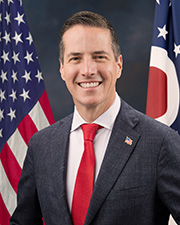
Bernie Moreno
100% support rate
Top opponent
Adam B. Schiff
0% support rate
Ranked legislators
10
5 support · 5 oppose
Key legislators

Who's moving higher education in United States

Legislators moving higher education in United States
Legislator Party Stance Support rate Decisive votes
Bernie Moreno
Bernie Moreno Senate
R
Strong +
100% 4
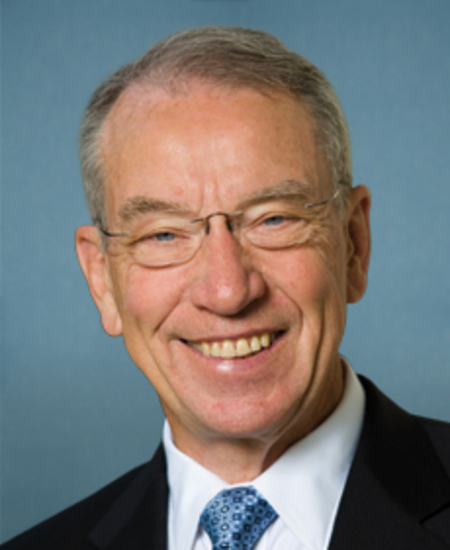
Chuck Grassley
Chuck Grassley Senate
R
Strong +
100% 4
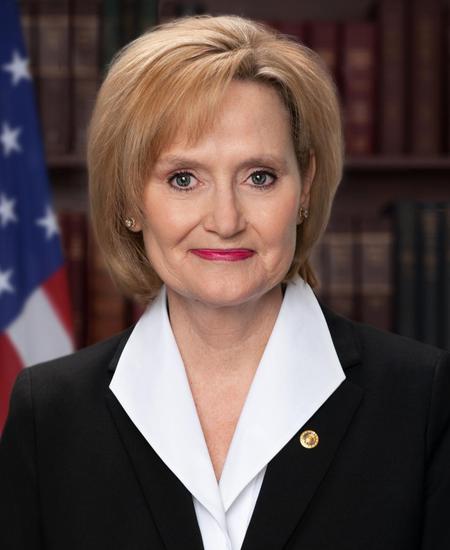
Cindy Hyde-Smith
Cindy Hyde-Smith Senate
R
Strong +
100% 4
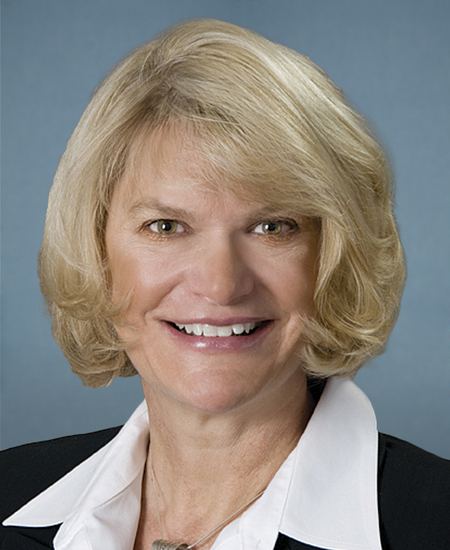
Cynthia M. Lummis
Cynthia M. Lummis Senate
R
Strong +
100% 4
Dan Sullivan
Dan Sullivan Senate
R
Strong +
100% 4
Adam B. Schiff
Adam B. Schiff Senate
D
Strong −
0% 4
Angela D. Alsobrooks
Angela D. Alsobrooks Senate
D
Strong −
0% 4
Bernard Sanders
Bernard Sanders Senate
I
Strong −
0% 4
Chris Van Hollen
Chris Van Hollen Senate
D
Strong −
0% 4
Cory A. Booker
Cory A. Booker Senate
D
Strong −
0% 4
Showing 171–180 of 249 bills

All education bills

in committee · United States · Senate Mar 19, 2026

S 880: Fair College Admissions for Students Act

S 880, the Fair College Admissions for Students Act, bans colleges receiving federal student aid from giving preferential treatment to applicants based on family connections to donors or alumni. This amendment to the Higher Education Act of 1965 directly affects all institutions participating in federal financial aid programs. The key provision prohibits schools from considering an applicant’s relationship to donors (like major contributors) or alumni (like family members who graduated) during admissions decisions. The ban takes effect starting with the second academic year after the bill becomes law.
in committee · United States · House Feb 7, 2025

HR 1132: To amend the Workforce Innovation and Opportunity Act to direct the Secretary of Labor to award grants to community colleges for high-quality workforce development programs.

This bill creates a new grant program to fund high-quality workforce development programs at community colleges. It directs the Secretary of Labor to award competitive grants to community colleges that partner with employers in high-skill, high-wage, or in-demand industries to develop programs leading to nationally or regionally portable postsecondary credentials. The grants require evidence-based program design, employer engagement, and tracking of outcomes like program completion rates and job advancement for participants. Funded at $65 million annually from 2026-2031, the program prioritizes serving individuals with employment barriers, incumbent workers, and new workforce entrants through community college partnerships.
in committee · United States · House Apr 10, 2025

HR 2899: PROTECT Students Act of 2025

The PROTECT Students Act of 2025 establishes new financial transparency requirements for higher education programs, measuring debt-to-earnings ratios and earnings premiums to help students evaluate program value and financial outcomes. It strengthens borrower defense mechanisms allowing students to seek loan forgiveness for misleading practices by institutions and prohibits schools from restricting students' legal rights through arbitration agreements. The bill requires institutions to spend at least 30% of tuition revenue on instruction and student services, with annual reporting to the Department of Education. It creates an enforcement unit within the Office of Federal Student Aid to investigate misconduct and increases transparency by requiring public disclosure of complaint data, financial information, and oversight activities.
in committee · United States · House Feb 18, 2025

HR 1409: College Thriving Act

HR 1409, the College Thriving Act, authorizes $50 million in grants to fund "skills-for-success" courses for first-year college students at eligible institutions. The bill requires participating colleges to develop non-graded, low-student-to-teacher courses covering mental wellbeing, time management, conflict resolution, and campus resource connections - available to all first-year students at the start of their enrollment. Grants are awarded competitively, with priority to schools where at least half of students qualify for Pell Grants, and must be used over a 5-year period across four phases: course development (year 1), pilot testing (year 2), and full implementation with ongoing evaluation (years 3-5). The program mandates annual reporting on course implementation and outcomes to the Department of Education.
in committee · United States · Senate Sep 18, 2025

S 2892: Jumpstart on College Act

The Jumpstart on College Act would provide $250 million annually for six years to expand early college high schools and dual enrollment programs, with a focus on serving low-income students and underrepresented groups. It creates two grant programs: one for partnerships between institutions of higher education and local schools, and another for states to develop statewide strategies for program expansion. Recipients must serve at least 51% low-income students, provide matching funds (ranging from 20-50% of grant amounts), and collect data on student outcomes. States must identify barriers to program access and update high school diploma requirements to align with college readiness standards. The law requires annual reporting on program effectiveness, including disaggregated data for different student populations to track progress toward postsecondary credential completion.
passed · United States · Senate Dec 15, 2025

S 610: Ensuring VetSuccess On Campus Act of 2025

This bill requires the Department of Veterans Affairs (VA) to expand its VetSuccess on Campus program to have at least one location in every U.S. state. It mandates that each state must have at least one VA counselor dedicated to supporting veterans at participating colleges and universities, regardless of the number of veteran students. The VA must prioritize schools with the largest veteran student populations when placing new program locations. This directly affects veterans using education benefits at colleges and the VA counselors assigned to support them.
in committee · United States · House Jan 15, 2026

HR 7117: Fast Track To and Through College Act

HR 7117, the Fast Track To and Through College Act, creates two pathways to accelerate college completion: "early college fast track pathways" that allow high school students to earn college credit through advanced coursework (like AP, IB, or dual enrollment), and "early high school graduation fast track pathways" that provide scholarships for students who graduate early without needing remedial college courses. The bill requires states to develop statewide policies and credit transfer agreements to align high school and college requirements, with competitive grants to help states implement these pathways. It also allows eligible high school students in these pathways to receive Federal Pell Grants while still in high school, with a waiver of the usual 12-semester Pell Grant cap. The bill aims to reduce college costs, improve credit transfer, and increase college completion rates, particularly for first-generation college students and other historically underrepresented groups.
in committee · United States · Senate May 1, 2025

S 1558: Understanding the True Cost of College Act of 2025

This bill would require colleges and universities receiving federal financial aid to provide standardized financial aid offers using a new Department of Education-developed form. The form must clearly present costs of attendance (both direct and indirect), grants and scholarships (with disclosure they don't need repayment), net price, and loan terms including interest rates and repayment options. It would require institutions to disclose key information like the impact of private loans versus federal loans, default rates, and work-study opportunities in plain language. The bill affects all institutions of higher education that receive federal financial assistance, with the form to be developed through consumer testing with students and stakeholders.
in committee · United States · Senate Feb 26, 2025

S 740: Affordable College Textbook Act

The Affordable College Textbook Act (S 740) establishes a federal grant program to help colleges and universities adopt open educational resources (OER), primarily open textbooks, to reduce student costs. It authorizes the Secretary of Education to award competitive grants to institutions or consortia for creating, adapting, or promoting OER, requiring projects to include faculty input, accessibility standards, and plans for tracking savings and educational impact. The bill also amends the Higher Education Act to mandate that colleges disclose textbook prices and OER availability on course schedules, and requires publishers to share data collection practices for digital materials. These provisions directly affect students (by lowering textbook costs), faculty (through OER adoption requirements), and institutions (via reporting obligations). The law focuses on creating sustainable, accessible alternatives to traditional textbooks rather than direct price controls.
in committee · United States · House Oct 28, 2025

HR 5850: GRAD Act

The GRAD Act (HR 5850) prevents colleges from changing or ending a student's enrollment status if federal financial aid under Title IV is delayed due to a government shutdown. It directly affects students receiving federal aid and the institutions that award it. The bill amends the Higher Education Act to require schools to maintain enrollment status during disruptions caused by lapses in government funding. This ensures students aren’t penalized for aid delays beyond their control during shutdowns.
Showing 171 to 180 of 249 bills
Previous 1 … 17 18 19 … 25 Next