Issue · Education

Education

Every education bill, vote, and legislator stance in United States, automatically classified by Maddy, our AI policy reader.

Total bills
1,076
119th Congress
Top supporter
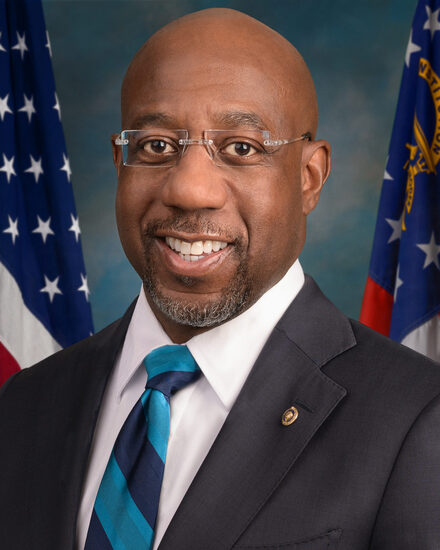
Raphael G. Warnock
100% support rate
Top opponent
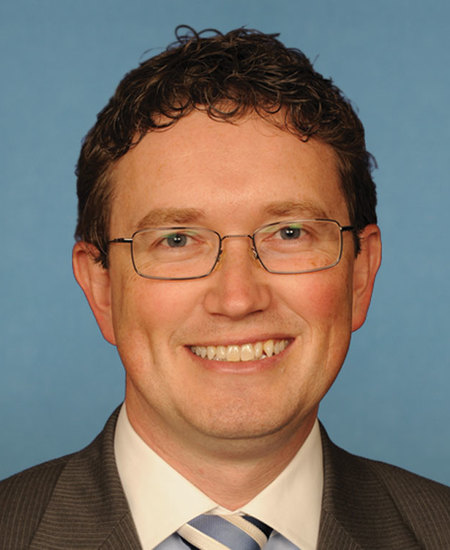
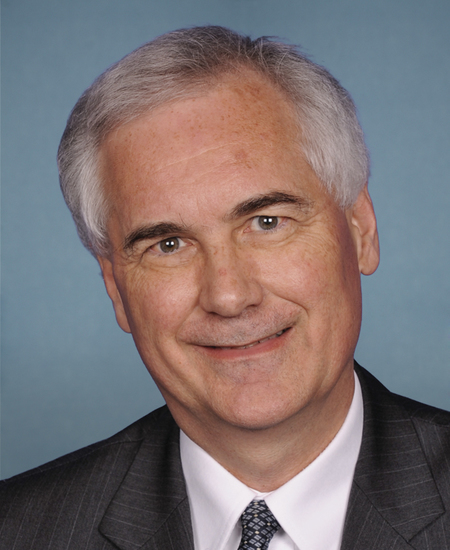
Thomas Massie
12% support rate
Ranked legislators
10
5 support · 5 oppose
Key legislators

Who's moving education in United States

Legislators moving education in United States
Legislator Party Stance Support rate Decisive votes
Raphael G. Warnock
Raphael G. Warnock Senate
D
Strong +
100% 6
Adam B. Schiff
Adam B. Schiff Senate
D
Strong +
86% 7
Angela D. Alsobrooks
Angela D. Alsobrooks Senate
D
Strong +
86% 7
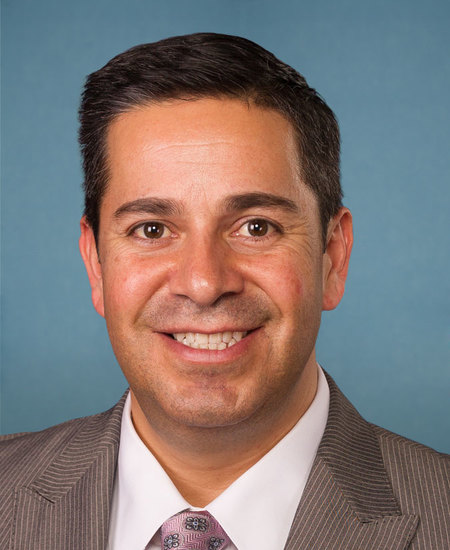
Ben Ray Luján
Ben Ray Luján Senate
D
Strong +
86% 7
Charles E. Schumer
Charles E. Schumer Senate
D
Strong +
86% 7
Thomas Massie
Thomas Massie House · District 4
R
Strong −
12% 8
Tom McClintock
Tom McClintock House · District 5
R
Strong −
12% 8
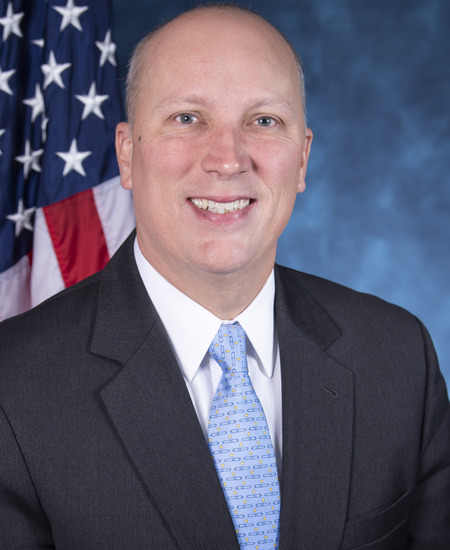
Chip Roy
Chip Roy House · District 21
R
Strong −
14% 7
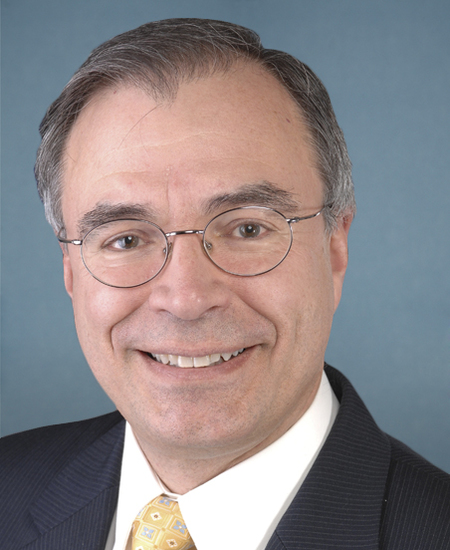
Andy Harris
Andy Harris House · District 1
R
Strong −
20% 10
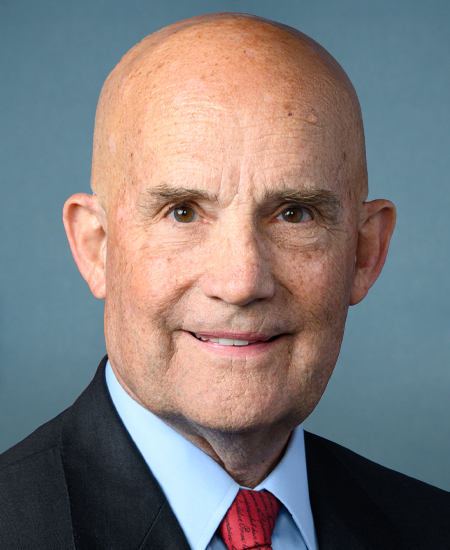
Keith Self
Keith Self House · District 3
R
Strong −
20% 10
Showing 171–180 of 1,076 bills

All education bills

in committee · United States · House Jun 4, 2026

HR 9166: Student Loan Refinancing Act of 2026

The Student Loan Refinancing Act of 2026 establishes a new program allowing borrowers to refinance existing Federal Direct and FFEL Program loans into new Federal Direct loans with fixed interest rates. The bill requires the Secretary of Education to offer these refinanced loans at interest rates equal to the current rates for new loans of the same type, while protecting borrowers from origination fees and ensuring the total repayment period does not increase. To facilitate this process, the legislation mandates a public awareness campaign and includes specific rules that allow payments made on the original loans to count toward income-driven repayment plans and public service loan forgiveness. Additionally, the act limits borrowers to refinancing their loans no more than twice within a ten-year period to prevent repeated refinancing.
in committee · United States · Senate Jun 11, 2026

S 4778: Postsecondary Student Success Act of 2026

The Postsecondary Student Success Act of 2026 creates a competitive grant program to help colleges and universities support high-need students, such as those from low-income backgrounds, first-generation college attendees, and military-connected individuals. Under this bill, the Department of Education would award funds to eligible institutions for six years to implement specific, evidence-based strategies aimed at improving student retention and graduation rates. Applicants must submit detailed plans outlining how they will use these funds for services like academic advising, career coaching, and emergency financial assistance, with a requirement to include at least one highly proven reform practice. Additionally, the law sets aside a portion of the funding specifically for Tribal Colleges and Universities and mandates an independent evaluation to measure the program's effectiveness in increasing student success.
in committee · United States · House Sep 8, 2026

HR 9203: Student Protection and University Accountability Act

The Student Protection and University Accountability Act requires colleges receiving federal funds to establish clear, public processes for investigating discrimination complaints based on race, color, or national origin. Under this bill, universities must designate a compliance officer, provide detailed explanations for their investigative decisions, and notify complainants of outcomes within 30 days. The law also mandates that schools display federal anti-discrimination materials on campus and makes them ineligible for funding if they fail to comply with these requirements for two consecutive years. Additionally, the bill directs the Department of Education to report monthly on discrimination complaints to Congress and prohibits the agency from dismissing or delaying investigations when similar claims are filed elsewhere.
Sub-Topics Higher Education
passed · United States · Senate Jun 9, 2026

SRES 764: A resolution congratulating the students, parents, teachers, and leaders of charter schools across the United States for making ongoing contributions to education and supporting the ideals and goals of the 27th Annual National Charter Schools Week, to be held May 10 through May 16, 2026.

This resolution congratulates students, families, educators, and leaders of public charter schools across the United States for their contributions to education and support of National Charter Schools Week in May 2026. It recognizes the growth of the charter school sector, noting that approximately 8,000 such schools serve over 3.7 million children and operate under specific accountability measures similar to traditional public schools. The Senate formally supports the ideals of the annual celebration and encourages communities to hold events to demonstrate backing for these institutions.
Sub-Topics School Choice
in committee · United States · Senate Jun 10, 2026

S 4733: Beginning Educator Mentorship and Retention Act

The Beginning Educator Mentorship and Retention Act creates a federal grant program to help states and school districts establish two-year mentorship and induction programs for new teachers and school leaders. These programs are designed to support educators in their first two years by providing structured guidance from experienced mentors, regular feedback, and collaborative planning time to improve teaching skills and reduce turnover. The funding prioritizes schools with high concentrations of economically disadvantaged students and those serving rural areas, while requiring that mentors receive adequate compensation or reduced workloads for their roles. Additionally, the bill includes specific provisions to support induction programs for school leaders and to create affinity networks for underrepresented educators.
Sub-Topics Teachers
in committee · United States · House Jun 8, 2026

HR 9195: Alice Cogswell and Anne Sullivan Macy Act

This bill, known as the Alice Cogswell and Anne Sullivan Macy Act, amends the Individuals with Disabilities Education Act to improve special education services for children who are deaf, hard of hearing, deafdisabled, blind, visually impaired, or deafblind. It requires states to identify these students regardless of how they are currently classified, ensuring they receive specialized instruction in their primary language and access to qualified professionals. Key provisions mandate that state plans include specific strategies for language development, Braille instruction, and the use of assistive technologies, while also establishing a new national center to support research and training for educators of students with visual disabilities. Additionally, the legislation clarifies definitions for deafblindness and interveners, updates data reporting requirements to track these populations more accurately, and ensures early intervention services are delivered in natural environments to support language and communication milestones.
Sub-Topics Special Education
in committee · United States · House Jun 3, 2026

HR 9134: Protecting Student Privacy Act

The Protecting Student Privacy Act prevents federal student aid data from being shared with immigration enforcement agencies for the purpose of enforcing immigration laws. This rule applies to information held by the Department of Education regarding students and their financial contributors, such as parents or spouses, and blocks its use for arrests, interviews, or surveillance by the Department of Homeland Security and other authorized entities. The law includes specific exceptions for court orders related to criminal offenses and for cases where a student or contributor voluntarily and without pressure consents to sharing their information. Additionally, the bill requires the Secretary of Education to report any unauthorized disclosures to Congress and states that this new rule overrides any conflicting state or local laws.
in committee · United States · House May 21, 2026

HR 8961: Student Suicide Prevention Awareness Act of 2026

The Student Suicide Prevention Awareness Act of 2026 requires schools to display clear and visible signage promoting the 988 Suicide & Crisis Lifeline in various locations such as entrances, common areas, restrooms, and digital bulletin boards. This legislation mandates that the signage include the lifeline phone number, instructions on how to access support via call, text, or chat, and information stating that the service is free, confidential, and available 24/7. Additionally, the bill directs the Department of Health and Human Services to coordinate a public awareness campaign involving schools and to update existing signage to meet these new requirements by 2027. These changes directly affect educational institutions by establishing specific standards for how and where suicide prevention resources must be communicated to students.
in committee · United States · House May 19, 2026

HR 8896: Loan Forgiveness for Educators Act of 2026

The Loan Forgiveness for Educators Act of 2026 expands existing federal student loan relief programs to offer full debt cancellation for teachers and early childhood educators who work in high-need schools or specific early childhood programs for five years. Under the bill, eligible educators can receive 100 percent forgiveness of their outstanding loans after completing five years of service, which may be consecutive or nonconsecutive, while also qualifying for monthly loan payments to be made by the government during their employment. The legislation defines "high need schools" as those with at least 30 percent of students from low-income families and includes various early childhood settings, while also extending benefits to parents who borrow PLUS loans for their qualifying children or who are educators themselves. To support implementation, the law requires the Department of Education to publish a list of eligible schools and programs, allows for self-certification in some early childhood roles, and ensures that educators who leave their positions early or are promoted within the same organization do not lose their eligibility for forgiveness.
in committee · United States · House Jun 2, 2026

HR 9111: Stopping Abusive Student Loan Collection Practices in Bankruptcy Act of 2026

This bill modifies the U.S. Bankruptcy Code to allow individuals to request a court determination of whether their student loans should be discharged based on "undue hardship" at the time they file for bankruptcy. Currently, such a request can only be made after a loan repayment plan has failed, but this legislation would enable debtors to seek this relief immediately upon filing. The change applies only to bankruptcy cases that begin on or after the date the law is enacted. By allowing earlier evaluation, the bill aims to provide a clearer path for borrowers facing financial difficulty to potentially eliminate their student loan debt during the bankruptcy process.
Showing 171 to 180 of 1,076 bills
Previous 1 17 18 19 108 Next