

Issue · Education
Education (Student Financial Aid)
Every education bill, vote, and legislator stance in United States, automatically classified by Maddy, our AI policy reader.
Total bills
258
119th Congress
Top supporter
Henry Cuellar
100% support rate
Top opponent
Aaron Bean
33% support rate
Ranked legislators
10
5 support · 5 oppose
Key legislators
Who's moving student financial aid in United States
| Legislator | Party | Stance | Support rate | Decisive votes |
|---|---|---|---|---|
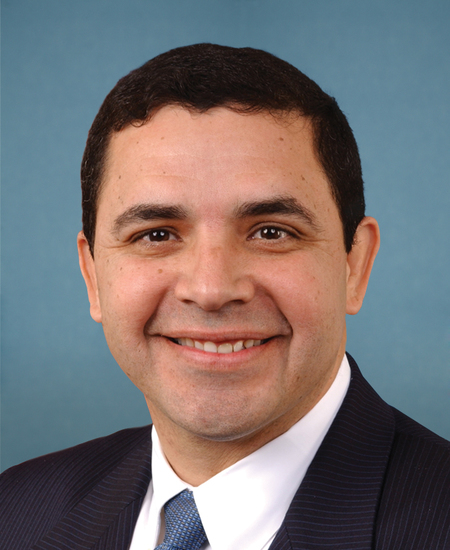
Henry Cuellar
House · District 28
|
D |
Strong +
|
100% | 3 |

Abraham J. Hamadeh
House · District 8
|
R |
Support
|
67% | 3 |

Adam Gray
House · District 13
|
D |
Support
|
67% | 3 |

Adelita S. Grijalva
House · District 7
|
D |
Support
|
67% | 3 |

Adrian Smith
House · District 3
|
R |
Support
|
67% | 3 |

Aaron Bean
House · District 4
|
R |
Oppose
|
33% | 3 |

Addison P. McDowell
House · District 6
|
R |
Oppose
|
33% | 3 |

Andrew Ogles
House · District 5
|
R |
Oppose
|
33% | 3 |
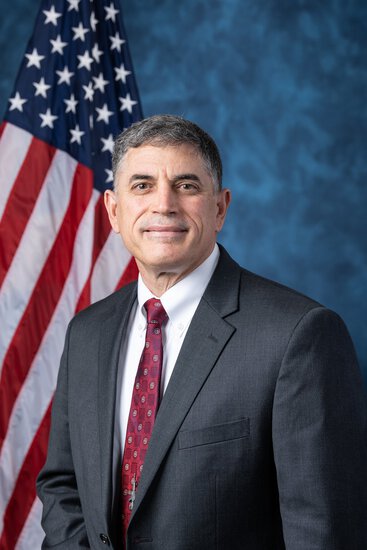
Andrew S. Clyde
House · District 9
|
R |
Oppose
|
33% | 3 |

Andy Biggs
House · District 5
|
R |
Oppose
|
33% | 3 |
Showing 161–170 of 258
bills
All education bills
HR 2543: Tax-Free Pell Grant Act
Topics
✓ Budget & TaxesSupports Budget & TaxesMakes Pell Grants tax-free and expands education tax credits, providing direct tax relief for students and families.
✓ EducationSupports EducationMakes Pell Grants tax-free and expands tax credits for education-related costs (child care, tech), directly increasing financial support for students and improving access to higher education.
✓ TechnologySupports TechnologyBill explicitly covers internet access costs under tax credit expansion for education, directly advancing technology access for students.
S 1752: EdCOPS Act of 2025
Topics
✓ EducationSupports EducationProvides direct financial aid for higher education via GI Bill-style formula, expanding access for public safety officers and families.
✓ Labor & EmploymentSupports Labor & EmploymentProvides education benefits to public safety officers, expanding employment-related financial support through GI Bill-equivalent aid for workforce development.
Sub-Topics
Student Financial Aid
S 3401: Pathways to Prosperity Act
Topics
✓ EducationSupports EducationProvides competitive grants to community colleges for workforce programs, strengthening higher education access and training through employer partnerships
✓ Labor & EmploymentSupports Labor & EmploymentBill creates grants for community college workforce programs targeting high-wage jobs, enhancing job readiness and employment outcomes through employer partnerships and credential tracking.
Sub-Topics
Career & Technical Education
Higher Education
Student Financial Aid
Apprenticeships
Workforce Development
S 2330: Preparing And Retaining All (PARA) Educators Act
Topics
✓ Budget & TaxesSupports Budget & TaxesCreates federal grant program allocating funds for paraprofessional recruitment/retention in schools, increasing government spending on public education services.
✓ EducationSupports EducationFederal grants for paraprofessional recruitment/retention, mentoring, and credentialing in high-need schools directly fund and strengthen educator support systems.
✓ Labor & EmploymentSupports Labor & EmploymentFunds professional development and credentialing for paraprofessionals, enhancing employment standards and retention - directly supports labor & employment through career advancement opportunities.
HR 3436: Law Enforcement Education Grant Program Act of 2025
Sub-Topics
Student Financial Aid
HR 4727: To codify Executive Order 14235 relating to restoring public service loan forgiveness.
Sub-Topics
Student Financial Aid
HR 1151: Freedom to Invest in Tomorrow’s Workforce Act
Topics
✓ EducationSupports EducationExpands 529 account use for industry credentials (certifications/apprenticeships), increasing access to funding for non-traditional workforce education pathways beyond degrees.
✓ Labor & EmploymentSupports Labor & EmploymentExpands 529 savings to cover industry credentials (certifications/apprenticeships), directly enhancing workforce development and employment opportunities through accessible training pathways.
Sub-Topics
Career & Technical Education
Higher Education
Student Financial Aid
Apprenticeships
Professional Licensing
Workforce Development
HR 1641: Student Debt Alternative and CTE Awareness Act
HR 4806: College Transparency Act
Topics
✓ EducationSupports EducationBill creates a data system for college transparency to help students/families make informed decisions, supporting educational access through better information.
✓ TechnologySupports TechnologyBill mandates privacy protections for a federal student data system, directly supporting data privacy (a Technology topic) as specified in the topic description.