Issue · Education

Education (Student Financial Aid)

Every education bill, vote, and legislator stance in United States, automatically classified by Maddy, our AI policy reader.

Total bills
278
119th Congress
Top supporter
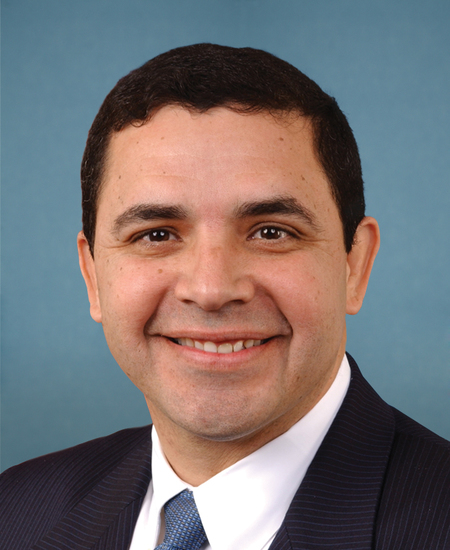
Henry Cuellar
100% support rate
Top opponent
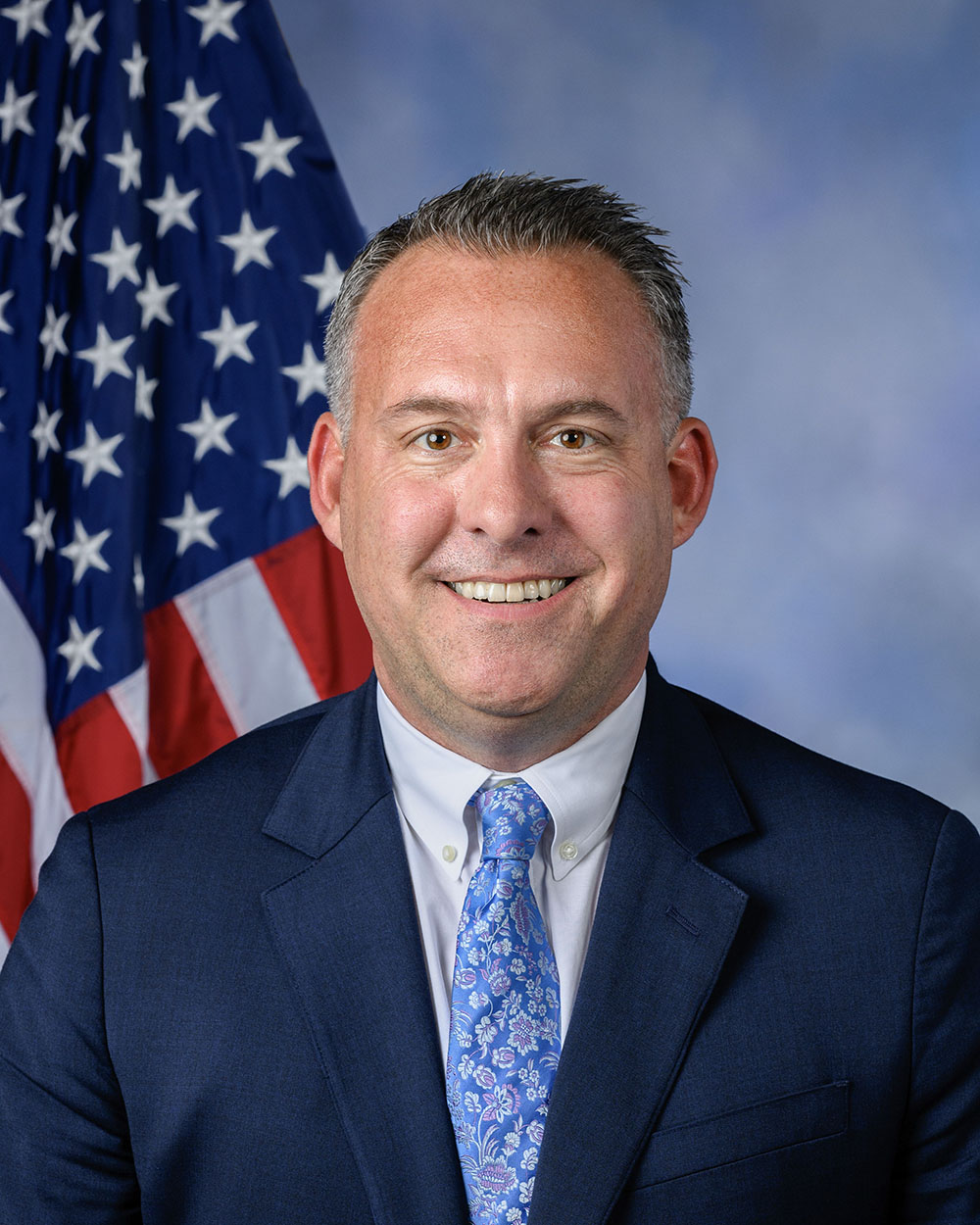
Aaron Bean
33% support rate
Ranked legislators
10
5 support · 5 oppose
Key legislators

Who's moving student financial aid in United States

Legislators moving student financial aid in United States
Legislator Party Stance Support rate Decisive votes
Henry Cuellar
Henry Cuellar House · District 28
D
Strong +
100% 3
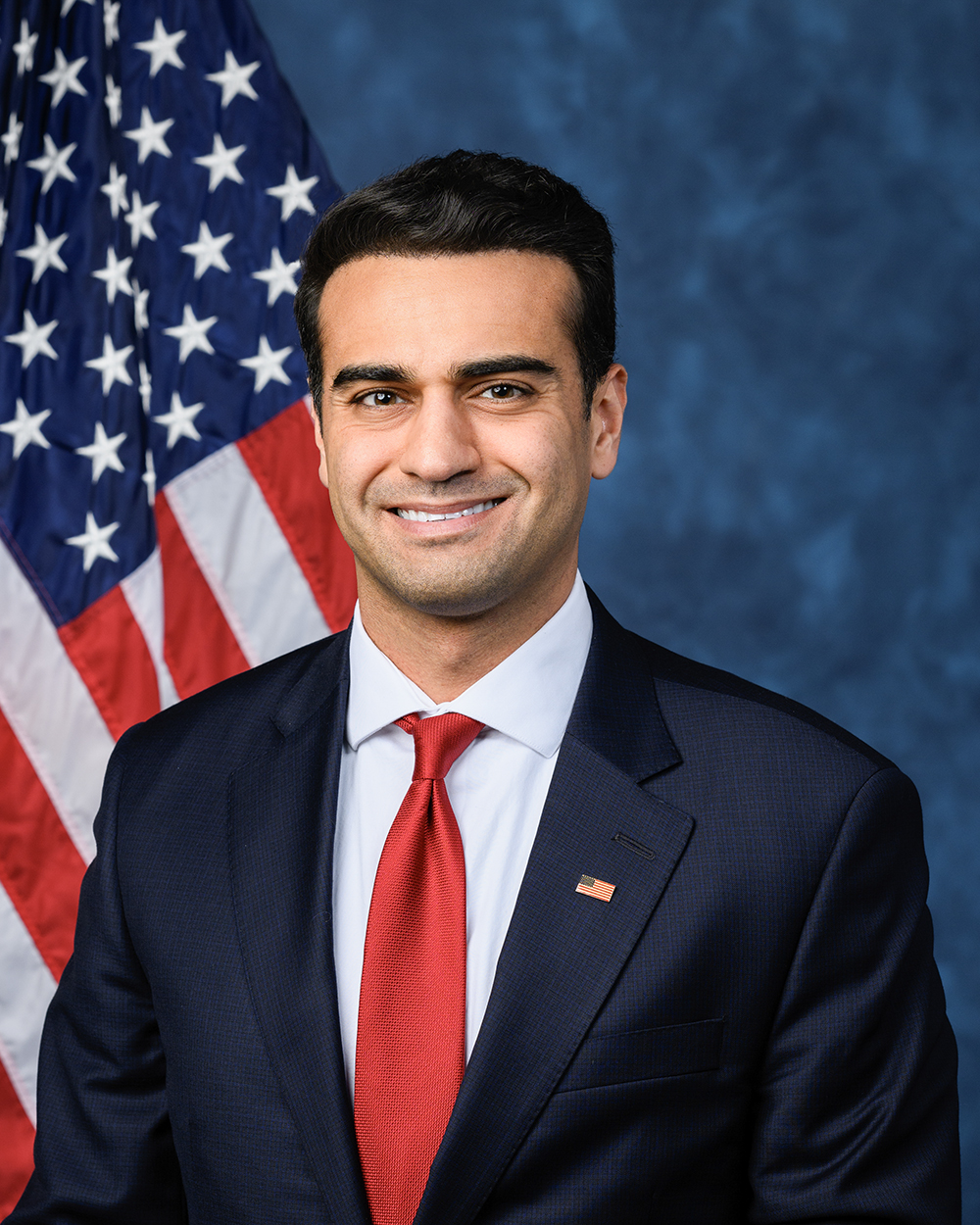
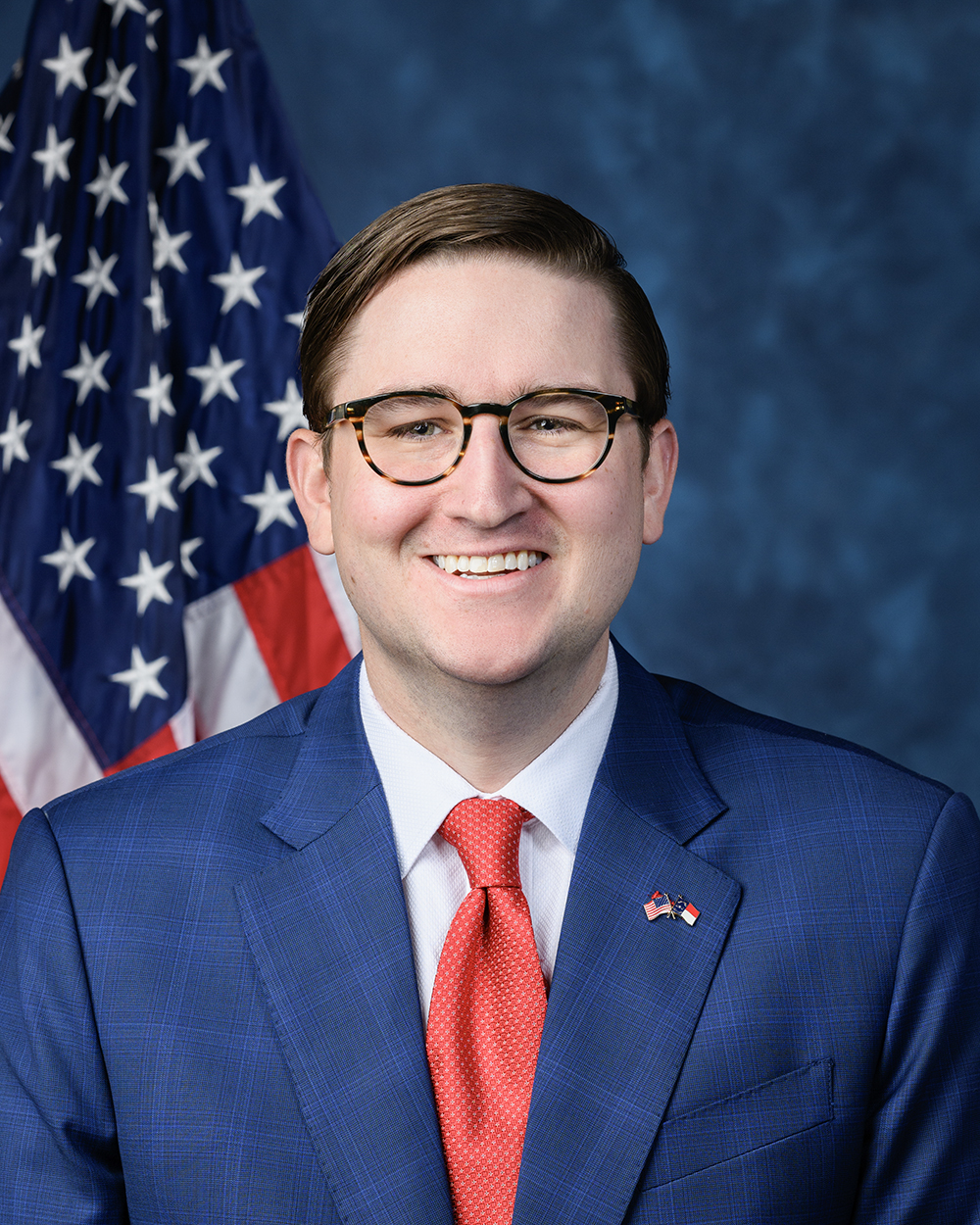
Abraham J. Hamadeh
Abraham J. Hamadeh House · District 8
R
Support
67% 3
Adam Gray
Adam Gray House · District 13
D
Support
67% 3
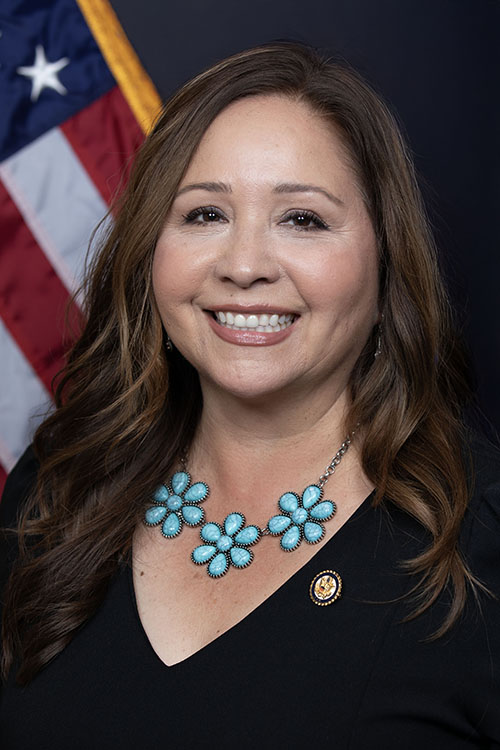
Adelita S. Grijalva
Adelita S. Grijalva House · District 7
D
Support
67% 3
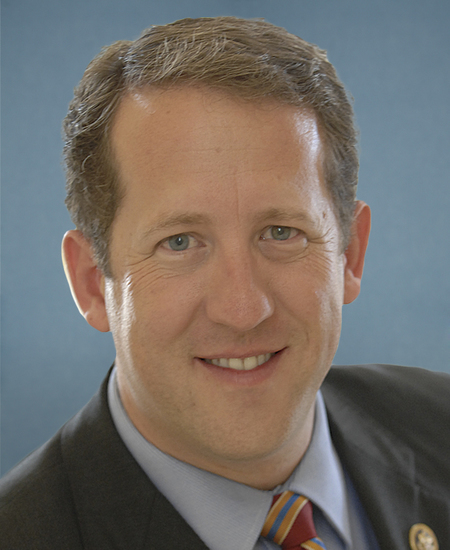
Adrian Smith
Adrian Smith House · District 3
R
Support
67% 3
Aaron Bean
Aaron Bean House · District 4
R
Oppose
33% 3
Addison P. McDowell
Addison P. McDowell House · District 6
R
Oppose
33% 3
Andrew Ogles
Andrew Ogles House · District 5
R
Oppose
33% 3
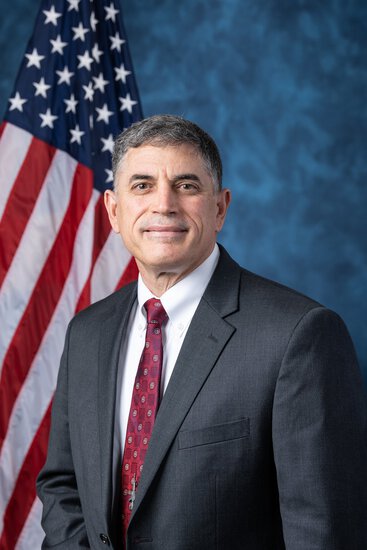
Andrew S. Clyde
Andrew S. Clyde House · District 9
R
Oppose
33% 3
Andy Biggs
Andy Biggs House · District 5
R
Oppose
33% 3
Showing 141–150 of 278 bills

All education bills

in committee · United States · House Dec 2, 2025

HR 6366: Boosting the Rural STEM Pipeline Act

HR 6366, the Boosting the Rural STEM Pipeline Act, repeals a requirement that states contribute funds to the Robert Noyce Teacher Scholarship Program. This change eliminates the state cost-sharing obligation, making it easier for states to participate in the program. The bill directly affects states and school districts that use the Noyce scholarships to recruit and train STEM teachers, particularly in rural and high-need areas. The key provision removes the financial barrier for states, allowing more resources to support STEM educator development without requiring state matching funds.
Sub-Topics Student Financial Aid Teachers Tags Rural Communities
in committee · United States · Senate Feb 4, 2025

S 383: JOBS Act of 2025

S 383 (the JOBS Act of 2025) expands Federal Pell Grant eligibility to students enrolled in certain short-term job training programs at eligible institutions of higher education. The bill creates a "job training Federal Pell Grant" for programs meeting specific criteria: 150-600 clock hours over 8-15 weeks, aligned with high-demand industry sectors, and leading to recognized postsecondary credentials that meet employer hiring requirements or licensure prerequisites. It also lowers the minimum Pell Grant award from 10% to 5% of the full annual amount. This directly affects students seeking career-focused training and institutions offering qualifying programs that validate industry partnerships.
in committee · United States · House Sep 18, 2025

HR 5486: Tyler Clementi Higher Education Anti-Harassment Act of 2025

The Tyler Clementi Higher Education Anti-Harassment Act of 2025 requires U.S. colleges and universities participating in federal financial aid programs to create and distribute clear anti-harassment policies covering harassment based on race, color, national origin, sex (including sexual orientation and gender identity), disability, or religion. These policies must explicitly prohibit harassment in all settings - including online, on campus, off-campus housing, and during school-sponsored activities - and outline reporting procedures and support services for victims. The bill also establishes a $50 million annual grant program to fund schools developing prevention programs, victim support services, or staff/student training on recognizing and addressing harassment. Grants are competitive, require annual reporting on effectiveness, and must be used to improve existing efforts without replacing existing civil rights laws like Title IX.
in committee · United States · House Jul 25, 2025

HR 4767: Community College Educational Exchange Act

HR 4767 establishes two key programs to expand international educational exchanges. It creates a scholarship program allowing international students, scholars, and experts to study at U.S. community colleges and vocational institutions for up to one academic year in priority sectors like agriculture, engineering, health, and environmental resilience. The bill also funds a capacity-building program to help these U.S. institutions develop stronger study abroad offerings through grants, training, and resources for faculty and underrepresented students. These provisions directly affect eligible U.S. junior colleges and vocational schools by increasing their opportunities to partner with international participants and expand global education programs.
in committee · United States · House Oct 3, 2025

HR 5675: Degrees Not Debt Act of 2025

HR 5675, the Degrees Not Debt Act of 2025, increases the maximum Federal Pell Grant award for undergraduate students. For the 2026-2027 and 2027-2028 academic years, the maximum grant rises to $14,800 (adjusted for prior-year appropriations), and for 2028-2029 onward, it increases annually based on the Consumer Price Index (CPI) change. This directly affects low-income undergraduate students who rely on Pell Grants to cover tuition and fees. The changes take effect July 1, 2026, aiming to reduce student debt burdens by expanding federal grant support.
in committee · United States · Senate Sep 15, 2025

S 2802: Student Debt Alternative and CTE Awareness Act

This bill requires the Department of Education to publish and regularly update online information about career and technical education (CTE) programs, including their average completion time, cost, and graduate employment rates, plus state-specific program opportunities and funding options under the Perkins Act. It also mandates adding a one-page summary of this CTE information to the beginning of the FAFSA application, along with an acknowledgment signature box, to inform students about CTE as a viable alternative to four-year degrees. The disclosure must include details on Workforce Pell Grants and program availability. No new funding is authorized to implement these requirements. The bill directly affects students applying for federal student aid by providing clearer information about CTE pathways.
in committee · United States · House Dec 16, 2025

HR 6739: Clarity in Professional Degree Act

HR 6739, the Clarity in Professional Degree Act, amends the Higher Education Act to restore federal student aid eligibility for specific professional degree programs that were excluded under a recent Department of Education rule change. It directly affects students pursuing degrees in nursing (ADN, RN, BSN), occupational therapy, physical therapy, social work, accounting, architecture, education specialties, and public health. The bill adds these 10 degree types to the official definition of "professional degree" under federal aid rules, reversing a policy expected to take effect July 1, 2026, which would have removed their aid eligibility. This change ensures students in these critical fields can continue accessing federal loans and grants.
in committee · United States · House Feb 17, 2026

HR 7594: Workforce Development Through Post-Graduation Scholarships Act of 2026

This bill changes tax rules for specific education loan repayments. It allows graduates to exclude from taxable income amounts received through "post-graduation scholarship grants" that repay part of their student loans. These grants must be provided by qualified nonprofits (like private foundations or community trusts) to individuals who agree to live and work in communities with below-average bachelor's degree attainment rates. The grants require direct payments to loan holders, exclude employees of the granting organization, and include reporting requirements for the Treasury Department on program effectiveness within three years.
passed · United States · House Mar 9, 2026

HR 6472: Territorial Student Access to Higher Education Act

Territorial Student Access to Higher Education Act This bill requires public institutions of higher education that participate in federal student aid programs to charge no more than in-state tuition and fee rates to students who are residents of Guam, the Northern Mariana Islands, American Samoa, or the U.S. Virgin Islands, provided they are also U.S. nationals.
in committee · United States · House Nov 19, 2025

HR 6131: Increasing Access to Mental Health in Schools Act

The Increasing Access to Mental Health in Schools Act creates a federal grant program to increase the number of mental health professionals (counselors, social workers, and psychologists) in low-income public schools. It provides funding for partnerships between schools serving high percentages of low-income students and graduate institutions that train mental health professionals, aiming to reach recommended staff-to-student ratios (such as 1 counselor per 250 students). The bill also establishes a student loan repayment program for mental health professionals working in these schools, offering up to $200,000 in total repayment over five years. This legislation directly affects low-income school districts and mental health professionals working in those schools, with the goal of improving mental health support for students facing challenges like poverty, homelessness, or trauma.
Showing 141 to 150 of 278 bills
Previous 1 14 15 16 28 Next